translated_content>The booming automotive industry: 2,000 CDI positions to be filled

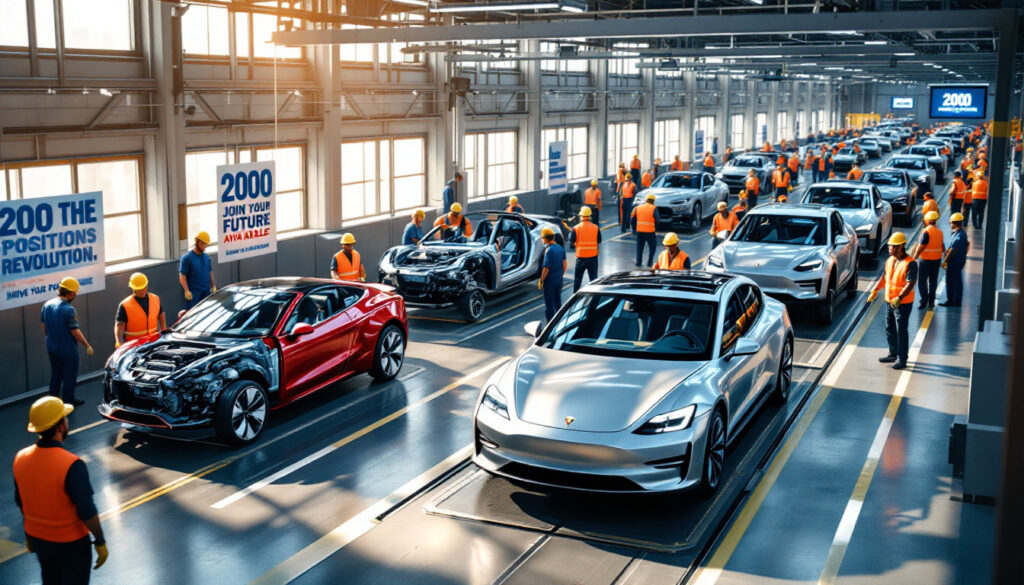

The automotive sector in France is going through a dynamic and challenging period, with the creation of new jobs, including 2,000 permanent positions that remain to be filled. Such an opportunity may seem rare in a constantly evolving economic landscape, but it highlights the resilience and adaptability of an industry that knows how to reinvent itself. This evolution is not only the result of an increased need for labor but also of a profound transformation that is reshaping the contours of this key sector for the French economy.
The dynamism of the French automotive market
In 2025, the French automotive industry stands out for its ability to adapt to technological transformations and ecological challenges. Large brands like Renault, Peugeot, and Citroën continuously innovate to remain competitive in the global market. Figures provided by institutions like the INSEE reveal that the sector employs over 560,000 professionals, whether salaried or self-employed. The majority of these jobs are in the form of permanent contracts (CDI), a positive sign for workers seeking stability.
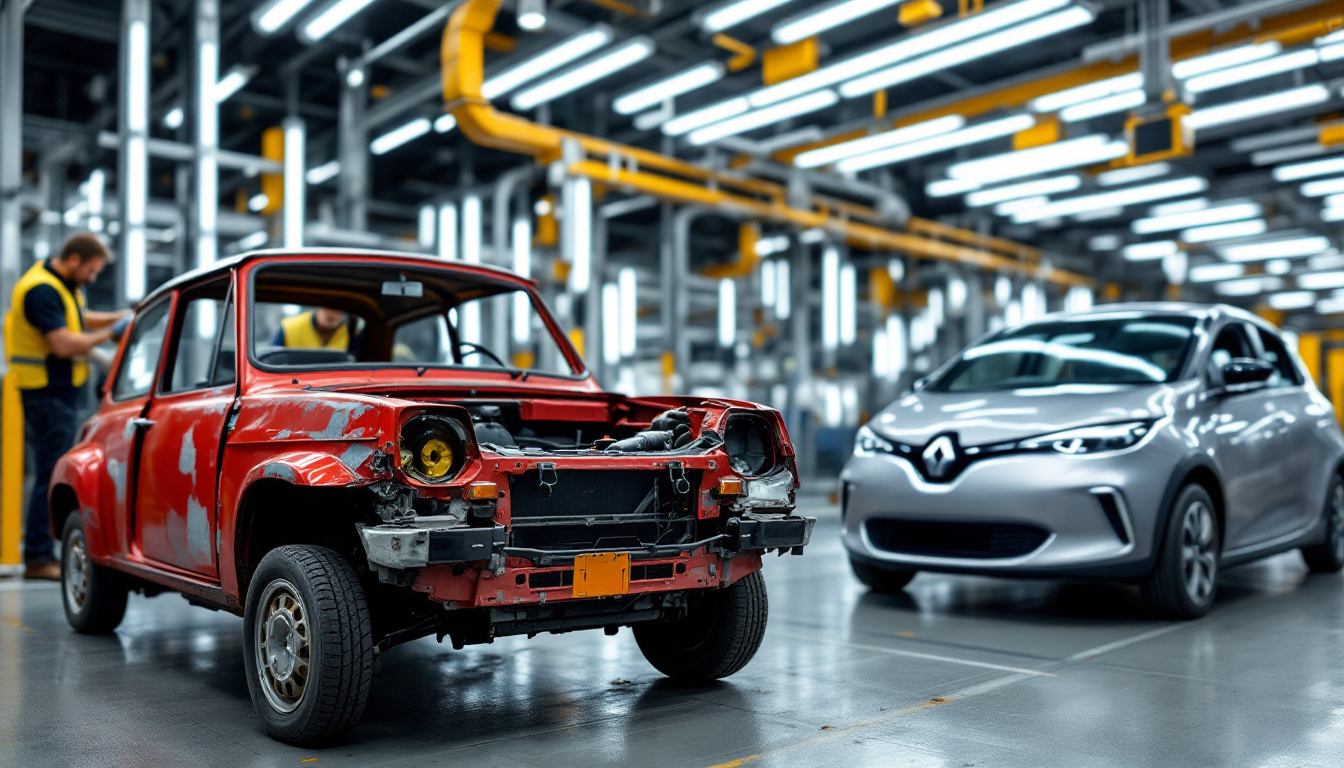
Companies face many challenges, particularly the transition to more ecological modes of transport. Investments in new technologies, such as electric and hybrid vehicles, are on the rise. Companies like Tesla and BMW are leading this charge, but traditional French brands are also stepping up. The electric models from Renault or hybrids from Peugeot illustrate the importance of this transition. But how is this dynamism manifesting on the ground?
The employment challenges in the automotive industry
The demand for labor is increasing sharply, particularly in certain fields. Jobs in breakdown, repair, and maintenance of vehicles are particularly sought after. The study reveals that despite restructurings, thousands of positions are available, making this period an excellent opportunity for those looking to enter or redirect themselves toward this sector.
- Breakdown technicians: A sector in full expansion with over 2,000 positions available each year.
- Mechanical technicians: A pressing need for technical skills, with accessible training.
- R&D engineers: Constant innovation requires hiring in design and technology fields.
- Specialized salespeople: The rise in sales of ecological vehicles creates a need for sales expertise.
Digital transformation, for its part, requires increasingly specialized technical profiles. New production management tools, predictive maintenance, and simulation software are innovations that change market requirements. It's no longer just about sedans and station wagons; Volkswagen, Ford, and Nissan are also participating in this multifaceted revolution.
| Type of position | Number of positions to fill | Estimated average salary |
|---|---|---|
| Breakdown technicians | 2,000 | €24,332 |
| Mechanical technicians | 1,500 | €28,000 |
| R&D engineers | 1,200 | €40,000 |
| Specialized salespeople | 800 | €35,000 |
This table summarizes the types of positions that govern this new momentum. For industry players, recruiting new talent is a crucial challenge. Yet, the real question is: how to attract these new generations of professionals? Nothing is more determining than the brand image and the values that companies communicate.
The necessary transformations in the automotive sector
Facing a rapidly changing market, the automotive sector must constantly reinvent itself. Companies in the automotive industry have well understood this. In 2025, the focus is on technological innovations but also on cultural transformations within companies.
Initiatives supporting sustainability play a crucial role. Manufacturers like Mercedes-Benz and Toyota are ramping up their production of hybrid and electric models. At the same time, companies are committing to eco-responsible production practices. What are the implications? Customers are becoming increasingly sensitive to sustainability values, and companies must quickly adjust to meet this growing demand. But beyond vehicle production, what are the impacts on the workforce?
Training and skill development of employees
Skill development is essential to keep up with the evolution of jobs. Employees must be prepared for the challenges ahead. Companies are investing heavily in continuous training and skill development, and this is evident. It also requires an evolution in working methods.
- Training on emerging technologies: robotics, artificial intelligence.
- Personal development programs: improving soft skills like communication and teamwork.
- Work safety workshops: stricter safety standards have been implemented.
The stakes are high: it is not only about training employees but also making them active participants in their own professional development. Testimonials from those who have undergone such training are telling: a majority report increased satisfaction and renewed motivation. This allows companies to benefit from engaged and skilled personnel.
| Training Theme | Percentage of employees involved | Impact on engagement |
|---|---|---|
| New technologies | 75% | 80% |
| Personal development | 60% | 85% |
| Work safety | 50% | 78% |
Training theme table: A skill development effort that has a direct effect on employee engagement, a crucial driver in the current context. The industry is transforming, but its members must also evolve with it.
The challenges and opportunities faced with international competition
In a globalized environment, the French automotive industry is not exempt from international competition. 2025 marks a pivotal year where Asian brands, particularly Tesla and Chinese manufacturers, occupy an increasingly significant place in the European market.
The consequences of this rising power are not limited to prices; they also affect innovation. How can French brands compete? Innovation is key, but also the ability to understand and meet the new needs of consumers. Studies show that 68% of customers are attracted to models that combine technological performance and environmental respect.
The strategies to adopt to remain competitive
To stand out in such a competitive context, companies must adopt diversified strategies. Here are some strategic avenues to consider:
- Investment in research and development: recruiting experts in sustainable mobility is essential.
- Collaboration with startups: integrating tech innovations to modernize production.
- Focusing communication on eco-responsible values: customers appreciate brands that commit.
At the same time, customer experience must be at the center of manufacturers' priorities. Expectations have evolved over the past few years. This requires multiplying contact points with customers and offering personalized service. However, this is not just about numbers; it’s a real company philosophy. Groups like Volkswagen or Nissan have understood this well.
| Strategy | Potential Impact | Current Status of Companies |
|---|---|---|
| Increased R&D | Product improvement | In progress |
| Partnerships with startups | Rapid innovations | Under development |
| Highlighting eco-responsible values | Customer loyalty | Two-thirds of companies are investing |
The strategies adopted by companies reflect a willingness to adapt while meeting the demands of an increasingly demanding market.
The future of the automotive industry: towards sustainable evolution
The future of the automotive sector is taking interesting directions. Brands such as Mercedes-Benz and Toyota are committing to a greener transition. Every innovation must meet stricter sustainability and environmental impact criteria. In response to these demands, companies must reevaluate their processes and align with ambitious goals.
Electric, hybrid, and hydrogen vehicles are poised to take center stage. This is already reflected in the extended offerings from manufacturers. This change is significant; it calls into question previously established norms. But how can companies benefit from this transition? The answer lies in creating a new economic model.
Conclusion: The importance of a long-term vision
The continuous efforts of the French automotive industry aim to establish a balance between economic growth and environmental preservation. The strategies adopted today will determine success in employment and innovation in the years to come. To achieve this, it is essential to keep a close eye on emerging trends and invest in talent from diverse backgrounds, thus fostering an industry in full transformation.
Companies that can anticipate rather than endure will invest in training, innovation, and ultimately, growth. The choices made today will create the foundations of a renewed and competitive automotive industry.
Si vous souhaitez lire d'autres articles tels que translated_content>The booming automotive industry: 2,000 CDI positions to be filled, consultez la catégorie News.
Leave a Reply
Articles relatifs