Podcast 360: Recap of Automotive Week No. 46

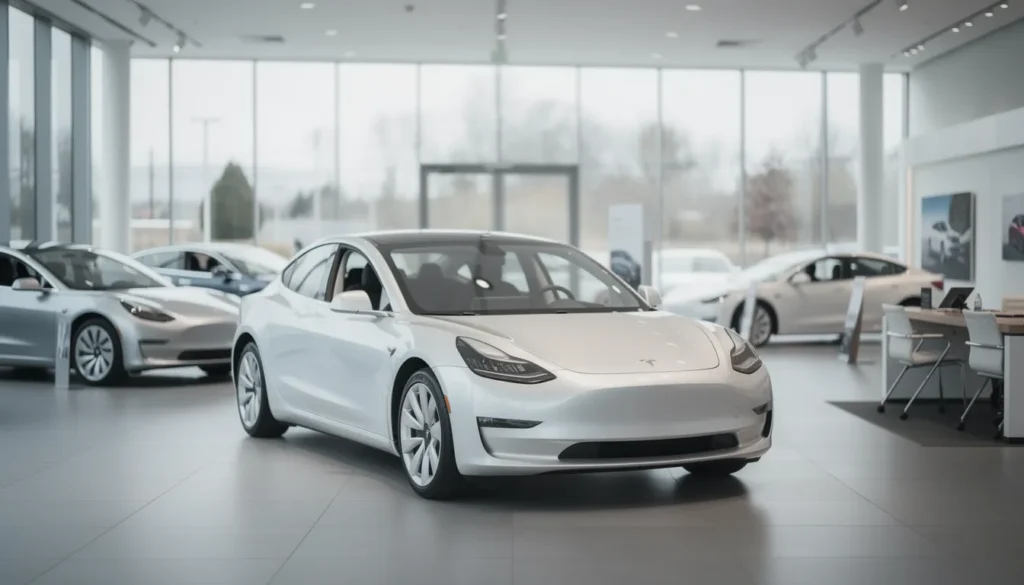

A look at Tesla's challenges: Towards a new strategy?
The automotive world is watching closely the turbulence that Tesla is going through, especially in the European market. The numbers speak for themselves: sales of the American brand are collapsing, a crisis that could have a profound impact on its future. This situation highlights the growing pressure from competition, as well as from a noticeably less dynamic electric market. Analysts are starting to ask essential questions about Tesla's ability to maintain its *leadership* in innovation.
This sales drop is not just an isolated incident; it is part of a broader context where consumers are diversifying their choices. Traditional brands are strengthening their electric vehicle offerings, and new entrants continue to emerge. This pushes Tesla to reassess its short-term strategy.
Departures within Tesla's leadership team add an additional dimension to this turmoil. Several key executives, responsible for flagship programs like the Cybertruck and the Model Y, have recently left the company. These departures raise questions about the company's internal governance and strategic direction. How can Tesla navigate through this organizational storm? The answer may lie in the need to quickly adapt its business models to meet the demands of a rapidly evolving market.
Regulatory adjustments also come into play. Tesla's recent decision to reintroduce a steering wheel and pedals for the Cybercab reflects a willingness to meet market standards while taking into account the maturity of autonomous driving technology. This could prove wise for the future commercialization of the model, signaling a need for flexibility in the company's approach.
Adopting a clear communication strategy becomes essential to regain consumer trust. This includes increased transparency about challenges and upcoming innovations. Paradoxically, the turmoil surrounding Tesla can also be interpreted as an opportunity — a chance to redefine its identity around authentic values and enhanced customer service.
Impacts of these changes on the industry
Tesla's situation and its renewed strategies could influence the entire automotive sector. Other brands may be tempted to revisit their electric vehicle development plans by observing the changes at the Californian company. Here are some areas to consider:
- Revising product offerings: Brands must ask themselves if they are focusing on what truly matters to consumers.
- Adaptability: The ability to pivot quickly in response to market trends could become a key success factor.
- Collaboration versus competition: More than ever, sharing resources and technologies could prove beneficial in an ever-changing industrial landscape.
In this climate of questioning, companies must also prepare for a dynamic regulatory environment. Laws regarding electric vehicles are evolving, with incentives promoting electrification but which may also impose additional constraints. To delve deeper into this topic, L'Automobile Magazine provides relevant analyses on these issues.
| Key points | Description |
|---|---|
| Tesla's current situation | Drop in sales in the European market and departures of key executives. |
| New strategies | Reintroduction of steering wheels on the Cybercab and rapid adaptation to the market. |
| Impact on the industry | Tesla's adjustments will potentially influence the strategies of other brands. |

The rise of MG: A symbolic step for electric vehicles in the UK
A notable event this week is the announcement that MG has surpassed 100,000 electric vehicles delivered in the UK. This milestone represents not only a commercial achievement but also a symbolic victory for a brand attempting to make a name for itself in the accessible electric vehicle market. This performance demonstrates that the demand for alternatives to Tesla and traditional brands is rapidly expanding.
The growth of MG challenges preconceived notions, especially in an environment where the perception of electric vehicles is changing. Consumers are looking for reliable, affordable options that do not compromise performance. MG has positioned itself as a response to this demand by offering attractive models that appeal to both individuals and corporate fleets.
It is striking to note that MG's marketing strategy aims to demystify electric. Far from being limited to a premium market niche, the brand wants to make it a car for everyone. Furthermore, the recognition of its success is also a testament to the effectiveness of its distribution network, which has been able to quickly respond to growing consumer needs.
Brand strategies and market impact
The rise of MG is not just a question of the number of vehicles, but also a way to enhance its brand image to attract a varied customer base.
Here are some key strategies that MG has implemented:
- Accessibility: The brand opts for a competitive pricing position, making electric vehicles accessible to a broader audience.
- Engaging communication: A narrative focused on family, sustainability, and comfort attracts drivers of all ages.
- User experience: Test drives and interactive marketing campaigns help attract consumers.
These initiatives have repercussions across the market, encouraging other manufacturers to rethink their own positioning. Major automotive brands are starting to develop similar products to remain relevant and adapting their marketing to attract a wider clientele. This evolving context demonstrates that electric mobility is on the verge of becoming the norm rather than an exception.
| Success factors | Description |
|---|---|
| Pricing strategy | Competitive positioning in the EV market. |
| Creative marketing | Campaigns that speak to modern consumers. |
| Wide range of models | Diverse offerings tailored to different needs. |

Planning a transition to electric: The case of American giants
The recent decisions by American manufacturers to slow down their transition to electric raise concerns about the viability of rapid electrification. The electric vehicle market has seen fluctuations, prompting giants like Ford and General Motors to revisit their priorities. The general trend seems to point towards a return to hybrid models in order to compensate for weaker demand in the 100% electric segment.
This decision can be interpreted as a response to the challenges faced with electric vehicles, where production costs remain high and margins insufficient. If Ford is even considering abandoning its F-150 Lightning pickup, it sends a strong signal regarding the fragility of the American electric vehicle market. These developments call for a reflection on the long-term viability of the promised electrification project.
On the other hand, this situation could also open up perspectives for innovation centered on more efficient hybrid solutions. Consumers may turn to vehicles that combine the best of both worlds: the power of combustion engines and the efficiency of electric motors. This could redefine industry standards.
The implications of this slowdown
The impact of this slowdown on the automotive industry could be significant. Here are some potential implications:
- Increased competition: The return to hybrid could give rise to new rivalries, with brands competing to offer the most competitive models.
- Value for money: With a slower transition, the debate around value for money will intensify, as consumers closely examine the offerings.
- Stagnant innovation: A reduction in investments in electric vehicles may hinder the necessary innovation for sustainable development.
The debate around the viability of the electric market will be central in the coming months, forcing industry players to rethink their value propositions. To track developments in the American sector, it is crucial to turn to reliable sources like Le Blog Auto, which offers in-depth analyses.
| Impacts of the slowdown | Examples |
|---|---|
| Erosion of consumer trust | Potential decrease in sales in the EV category. |
| Technological delay | Hindrance in battery and range innovations. |
| Reevaluation of infrastructures | Increased needs for specific charging stations for different types of vehicles. |
The trends of modern design: The case of the Peugeot Polygon Concept
Another hot topic this week is the presentation of the Peugeot Polygon Concept, which has captivated attention with its futuristic lines inspired by the world of Fortnite. This concept car, which defies traditional conventions, pushes the brand to reinvent the codes of modern vehicles. By integrating bold elements like the ultra-inclined windshield, Peugeot demonstrates its willingness to evolve in design and tech. This initiative could redefine the driver experience in the future.
Even though a concept car is not an immediate production vehicle, it becomes a true platform for experimentation where visionary ideas come to life. The Polygon concept not only seduces aesthetically but also paves the way for reflection on how cars can interact with their environment and users. By exploring innovative materials and technologies, Peugeot envisions a future where design works seamlessly with technology.
The challenges to overcome for actual production
Turning a concept into a commercially viable product is no small feat. Here are some key challenges that Peugeot may encounter:
- Production costs: Manufacturing bold designs may involve higher costs, necessitating rigorous financial planning.
- Regulations: Environmental and safety standards could impact the final design of the vehicle.
- Market acceptability: Consumer reaction to these innovations would ultimately influence the commercial viability of the project.
In conclusion, it is interesting to see how this type of concept influences the overall direction of automotive design. Innovative ideas presented today could become standards that tomorrow's cars will adopt. Being informed about such trends distinguishes a car enthusiast from a mere driver. By keeping an eye on publications like Auto Infos, one can closely follow the evolution of this dynamic sector.
| Production challenges | Potential solutions |
|---|---|
| Costs | Use of simplified processes and alternative materials. |
| Standards | Early collaboration with regulators to anticipate requirements. |
| Acceptability | Public engagement through consumer trials before launch. |
Si vous souhaitez lire d'autres articles tels que Podcast 360: Recap of Automotive Week No. 46, consultez la catégorie News.
Leave a Reply
Articles relatifs