Automotive industry on alert: the profession is massively taking to the streets



Current Context of the French Automotive Industry
In an uncertain economic climate, the French automotive industry finds itself at a crossroads. With an alarming number of 75,000 jobs at risk according to recent estimates, it is evident that the sector is going through a delicate period. Major brands such as Renault, Peugeot, and Stellantis, are under unprecedented pressure due to international competition and regulatory changes. Offshoring, the rise of Chinese manufacturers, and the rapid evolution of disruptive technologies are putting significant strain on a once-flourishing sector.
Recent events, such as the massive demonstration by automotive professionals, illustrate the anger and concern facing an uncertain future. Stakeholders in the industry, from bosses to employees, are mobilizing. At the Cité des Sciences, iconic figures of the French automotive sector gathered, expressing their concerns about standards deemed unreasonable and unrealistic market expectations. The president of the French Automotive Platform, Luc Chatel, highlighted the need for constructive dialogue to overcome this crisis.

This mobilization is not an isolated act; it is part of a broader movement highlighting the importance of the automotive industry for the French economy. According to a study by the Senate, the future of this sector, which employs over 800,000 people, is at risk. Immediate measures are necessary to avoid the situation transforming into a real catastrophe.
The Stakes of Regulatory Standards
The standards imposed by the European Union regarding pollutant emissions have become a major obstacle for French manufacturers. The contradictions between the desire to reduce CO2 emissions and the ease of producing compliant vehicles make the task challenging. François Provost, the head of Renault, condemned the impact of 107 new regulations on production, wasting valuable time for his teams. Thus, 25% of engineers' working time is now devoted to adapting to these requirements, to the detriment of innovation.
This fight for regulatory flexibility is crucial. A relaxation of these standards could allow companies to produce cars at an affordable price while meeting customer expectations. The convergence of vehicle production criteria with societal ecological demands could redefine a balance while preserving jobs within the sector. The case of e-cars, small cars with relaxed standards, could be a compromised solution, providing accessible alternatives.
| Standards | Impact on Production | Years of Application |
|---|---|---|
| Regulation on CO2 Emissions | Increase in production costs | 2025 |
| Safety Standards | Lengthening of production timelines | 2023 |
| Recycling Standards | New technologies required | 2024 |
The deadlines for compliance are likely to lead to a rise in prices, as noted by the head of Stellantis, Antonio Filosa, asserting that "Europe is wrong." This could put pressure on the purchasing power of French consumers and consequently, further reduce sales volume in the market. Ultimately, regulation seems more burdensome than incentivizing.

The Impact of Economic Challenges on the Automotive Sector
The economic crisis affecting the automotive industry is much more than mere misleading numbers. It affects the social and economic fabric of the regions where factories are concentrated. Jobs are directly affected by this situation. Workers experience uncertainties and fears about their future. Supply chain disruptions, particularly from manufacturers like Michelin and Valeo, could lead to massive layoffs.
Companies must innovate, invest in green technologies, and adapt to a customer base increasingly sensitive to environmental issues. However, the reality on the ground shows that this transition requires time and financial resources. The growing dependence on components imported from China only exacerbates the situation, making companies vulnerable to fluctuations in the international market.

The Repercussions on Employment
Scenarios of production decline, if realized, could lead to fatal consequences. Studies have shown that the Stellantis and Volkswagen France plants are particularly exposed to difficult decisions regarding their operations. The social impacts should not be underestimated, as thousands of families depend on these industrial employers.
However, several companies are trying to overcome these challenges. They are exploring new strategic alliances, such as the potential rapprochement between Nissan and Ford. Through synergies, they hope to optimize their production lines while considering environmental concerns.
| Company | Initiative Proposal | Expected Impact |
|---|---|---|
| Renault | Development of affordable electric cars | Accessibility for the population |
| Stellantis | Strategic collaboration with Ford | Optimization of production costs |
| Michelin | Investment in recyclable tires | Reduction of environmental impact |
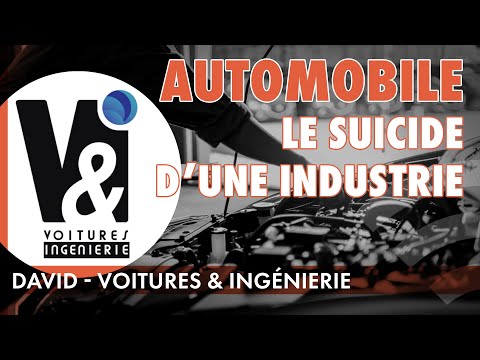
Mobilization of Professionals: Towards a Necessary Change
In recent months, demonstrations in the streets have taken on unprecedented proportions, reflecting a collective awareness in the sector. Workers, from bodyworkers to production technicians, have united to make their voices heard. A common demand is emerging: the necessity for a deep reform that guarantees a future for the automotive industry in France.
This mobilization highlights the shared conviction that changes are essential. Collectives and unions have organized to pressure the authorities. If the state fails to respond to expectations, the industry risks a permanent decline. Several stakeholders also discuss the idea of creating a transition pact to ensure that job opportunities are preserved in this evolving sector.

Collective Initiatives
Collective initiatives are flourishing. Unions are pushing for the government to analyze the situation. Concrete measures need to be taken, such as relaxing standards, especially since the mobility transition is inevitable. Discussions among industry players indicate that it is possible to find compromises.
- Creation of a job transition pact
- Relaxation of production standards
- Promoting the development of hybrid and electric vehicles
- Investment in worker training
- Reevaluation of CO2 emission assessment criteria
The perception of strong institutional support could be the key to this anticipated transformation. In this context, the dynamics of the energy transition may benefit the French automotive industry, as long as there is political will to engage in this movement.
| Initiative | Positive Impact | Involved Actors |
|---|---|---|
| Job Transition Pact | Preservation of jobs | Unions, Government |
| Relaxation of Standards | Increased competition | Manufacturers, Regulators |
| Investment in Training | Increased competitiveness | Schools, Universities |
How the state and the private sector will manage this crisis will determine the future of the automobile in France. It's not just about saving jobs, but forging a future where the industry can thrive in a rapidly changing environment. Each player in the sector has a role to play to make this transformation a success.
Si vous souhaitez lire d'autres articles tels que Automotive industry on alert: the profession is massively taking to the streets, consultez la catégorie News.
Leave a Reply
Articles relatifs