Towards a private CEE bonus in 2025: the end of public aid for the ecological bonus?



The landscape of incentives for purchasing electric vehicles in France is about to be profoundly transformed. In 2025, the ecological bonus, which has been the cornerstone of incentives for electric car purchases across the country, will be replaced by a new system based on private premiums, notably energy saving certificates (CEE). What does this mean for the consumer, the automotive industry, and our ecological ambitions? A detailed exploration is required.
Revolution of the ecological bonus: towards a new era
The imminent change of the ecological bonus, which will be replaced by private assistance starting July 2025, raises many questions. Why this shift to CEE? The answer lies both in budgetary considerations and in an increased desire to make the energy transition more sustainable.
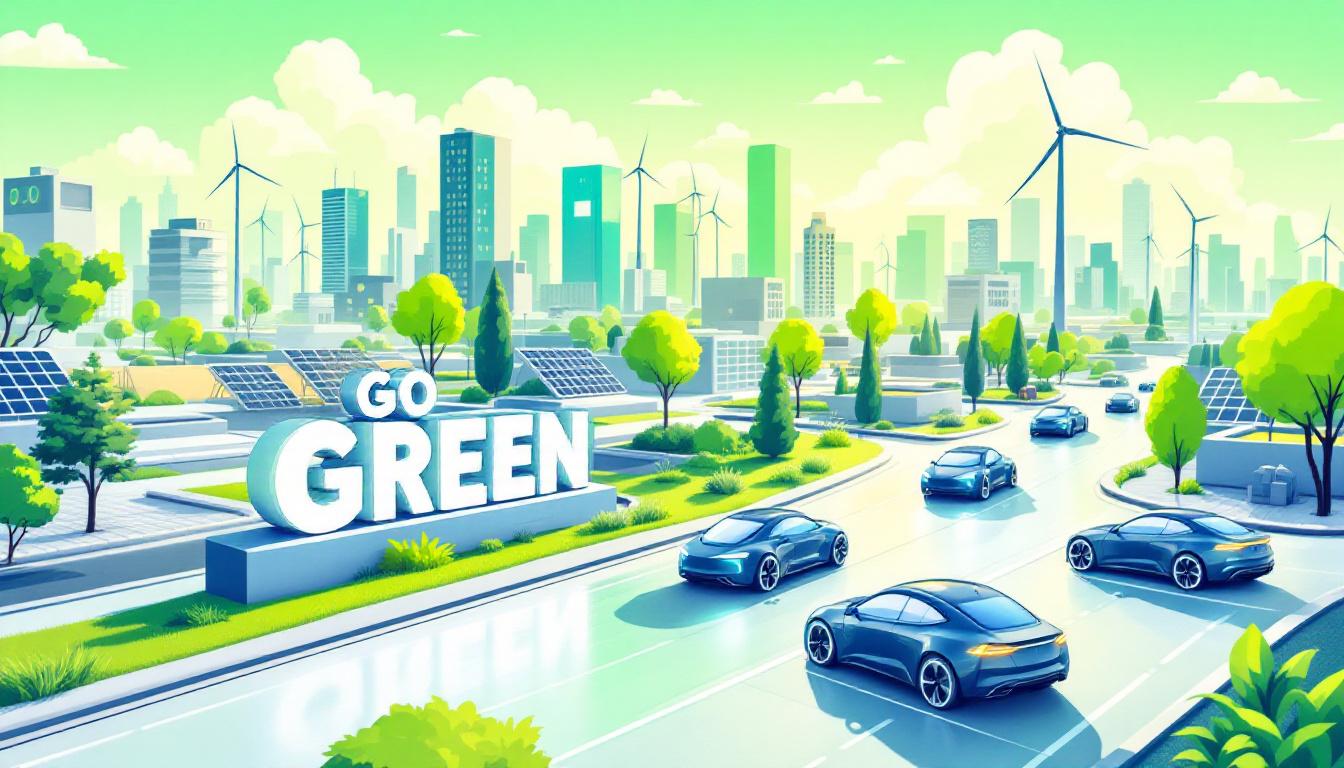
Traditionally, the ecological bonus has allowed consumers to purchase less polluting vehicles. For instance, brands like Renault, Peugeot, and Citroën have seen their sales of electric vehicles soar thanks to these aids. However, the State is facing budgetary pressures, with the necessity to reduce public spending. As a result, it is clear that the resources available to finance this type of subsidy are limited.
The reasons behind the change
The first motivation of the government lies in the sustainability of the assistance system. The current model, funded by taxes, can quickly become unsustainable in the face of increasing funding needs for the energy transition. The CEEs, on the other hand, are funded by private companies, particularly those in the energy sector, which must ensure a reduction of their CO2 emissions.
Here are some reasons that explain this change:
- Budget pressure: The State is forced to streamline its public spending.
- Sustainability: An increased reliance on private funds to support ecological incentives is envisioned.
- Climate goals: The need to meet structural environmental commitments encourages a review of support mechanics.
The impact on consumers
This transition raises the question: who will really benefit from these private premiums? Consumers may face significant changes. The transition from public aids to private funding mechanisms could lead to a reduction in the amount of aid received.
Indeed, the CEE are intended to compensate for certain expenses related to energy and the ecological transition. However, these premiums might be less generous than the existing ecological bonus. For consumers to find value, it is essential that the amounts remain competitive compared to the costs of electric vehicles.
| Amount of Ecological Bonus (before 2025) | Estimated amount with CEE (after 2025) |
|---|---|
| 4000 euros | 2500 euros (forecast) |
| 7000 euros (for low-income families) | 3500 euros (forecast) |
Consumers will therefore need to remain vigilant when purchasing a new electric vehicle, evaluating the various options available to them, including electrified models from brands like Volkswagen, Tesla, and Nissan.
The stakes for the automotive industry
The transition to a private CEE bonus will have a considerable impact on automotive market players. How will manufacturers adapt to this new standard?
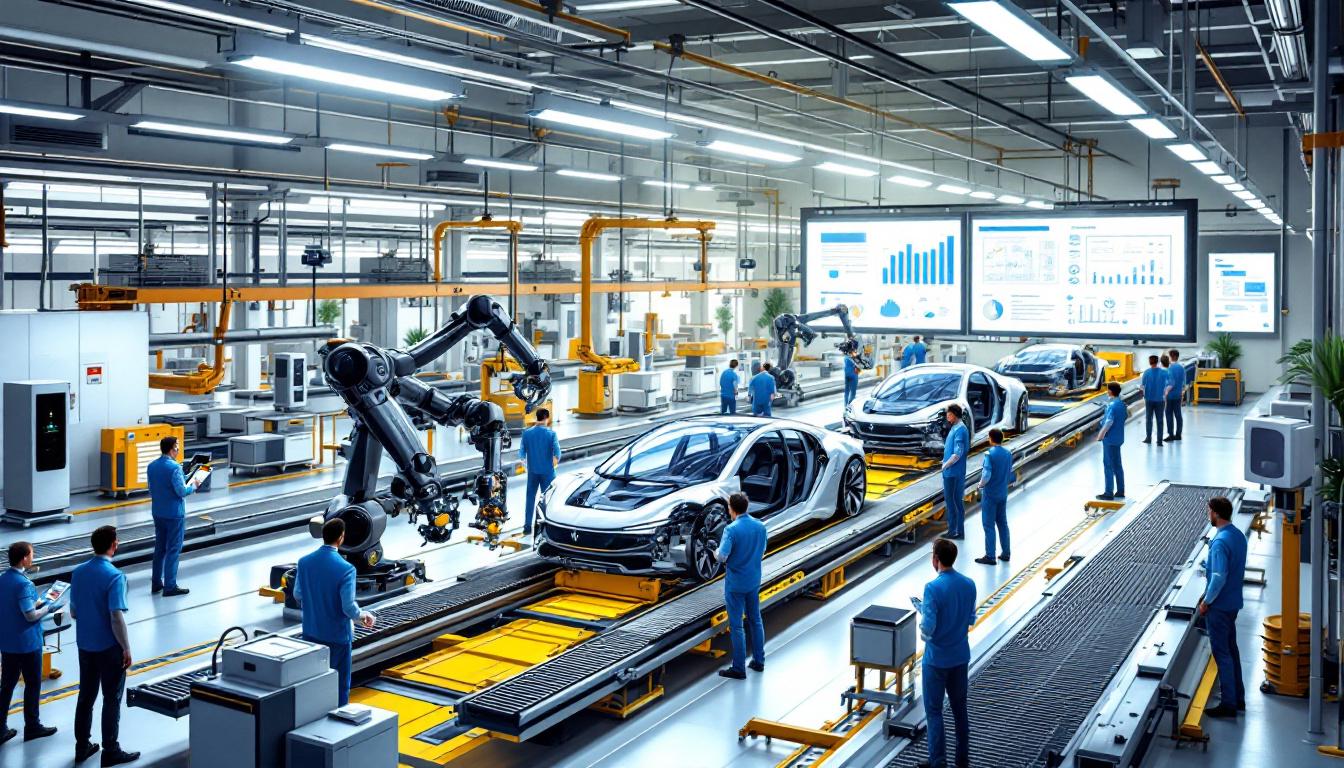
As the automotive industry is under pressure to rethink its economic models, it must balance the need to offer increasingly accessible and eco-friendly vehicles while meeting profitability imperatives. The rise of electric models from brands like BMW, Hyundai, or Kia is a response to this growing demand for sustainability.
A new business strategy
Industry players will be prompted to diversify their offerings. This change requires rethinking commercial strategies. Brands will need to develop innovative projects while keeping the private funding of these aids in mind.
Companies may consider the following avenues:
- Product innovations: Emphasis on improving range and technology.
- Partnerships: Collaborate with energy suppliers to create attractive bundled offers.
- Communication: Raise public awareness of the benefits of electric vehicles and inform about new premiums available.
The challenges to overcome
The challenges are numerous, notably the issue of cost-benefit ratio. The shift to funding by private players could further complicate the commercial landscape. This dynamic may also lead to a resurgence of consumer hesitancy, which could slow down the adoption of electric vehicles.
What strategies will brands like Dacia or Tesla adopt to maintain their market share? What will the new products be that might attract consumers’ attention in light of this upheaval? The answers to these questions remain crucial for the sustainability of the industry.
The effects on consumer behavior
This shift in the funding of electric vehicles has the potential to profoundly change consumer behaviors. On one hand, some may be encouraged to consider more eco-friendly aspects before their purchase, while others may be more reluctant if the premiums prove less attractive.
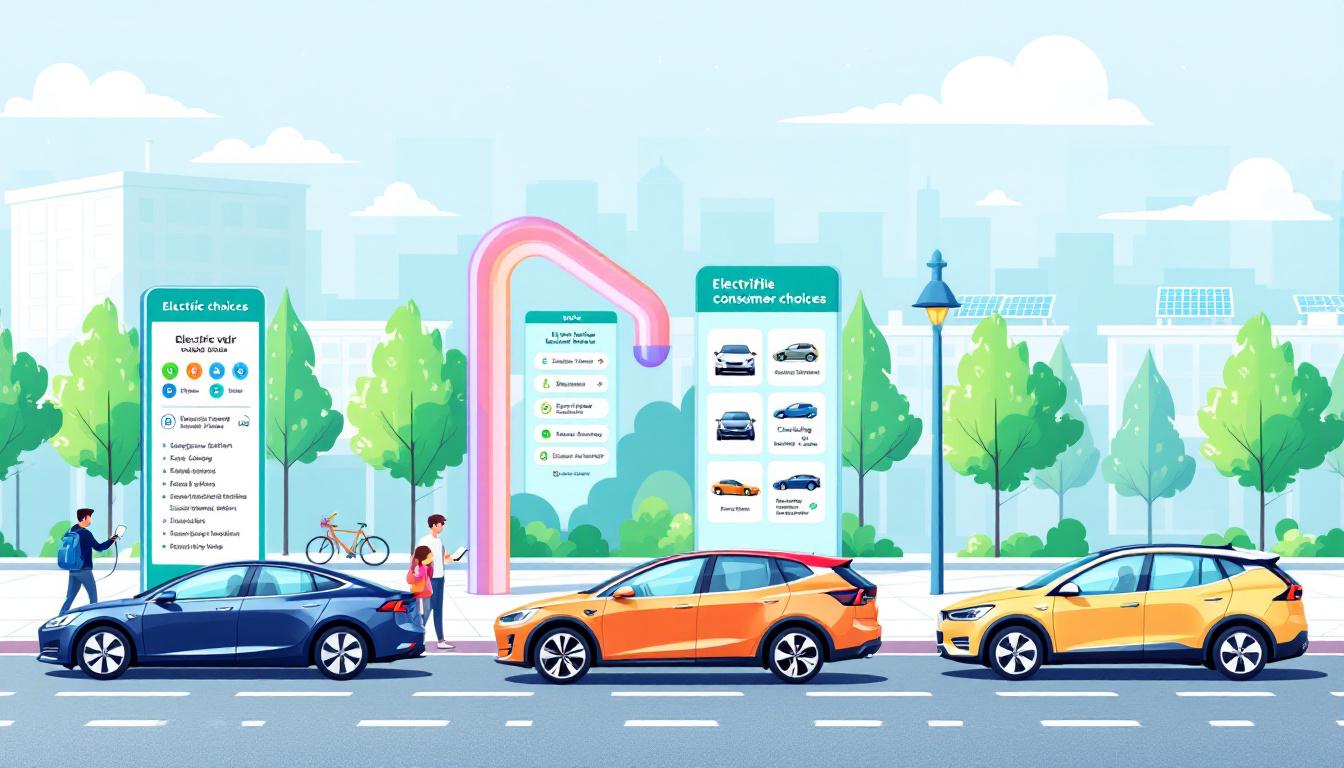
For some buyers, the disappearance of the ecological bonus may become a hindrance in their quest for an electric vehicle. Conversely, others may be motivated to change their purchase decision if information about the CEE is clear and straightforward.
Ecological motivations against economic constraints
Today's buyers often wish to align their personal values with their purchasing choices. Ecological incentives play a significant role in this decision. The shift towards private funding may not meet consumers' initial expectations regarding the financial sustainability of vehicles.
To better assess new consumer behaviors, it is important to consider:
- Individual motivations: Climate change, desire for sustainability.
- Economic impacts: Reactions to rising costs if aids decrease.
- Alternative solutions: Seeking used or hybrid models if the premiums are not sufficient.
The role of companies and energy suppliers
In a rapidly changing world, companies play a fundamental role in adapting the market, notably through energy suppliers. The latter, as the main players in the private funding of CEEs, will be essential in facilitating this transition.

Energy suppliers, responsible for implementing energy savings certificates, must proactively educate the public and potential buyers on how these premiums will be implemented.
A shared responsibility
Companies must:
- Educate: Offer webinars and resources to explain how the CEE works.
- Collaborate: Work with manufacturers to create joint offers.
- Encourage: Promote energy solutions that facilitate the transition.
Barriers to overcome
Companies will also need to identify the obstacles that hinder the adoption of more sustainable solutions. Whether it's mistrust of the new aids or a lack of information, these points must be dismantled to foster a smooth transition.
The CEE represent a new challenge to overcome, but also an opportunity to invigorate the debate surrounding sustainable practices and innovation. With the right tools and the willingness to move forward, it becomes possible to transform these challenges into real growth drivers.
Si vous souhaitez lire d'autres articles tels que Towards a private CEE bonus in 2025: the end of public aid for the ecological bonus?, consultez la catégorie News.
Leave a Reply
Articles relatifs