Focus on the automotive news of June 2025

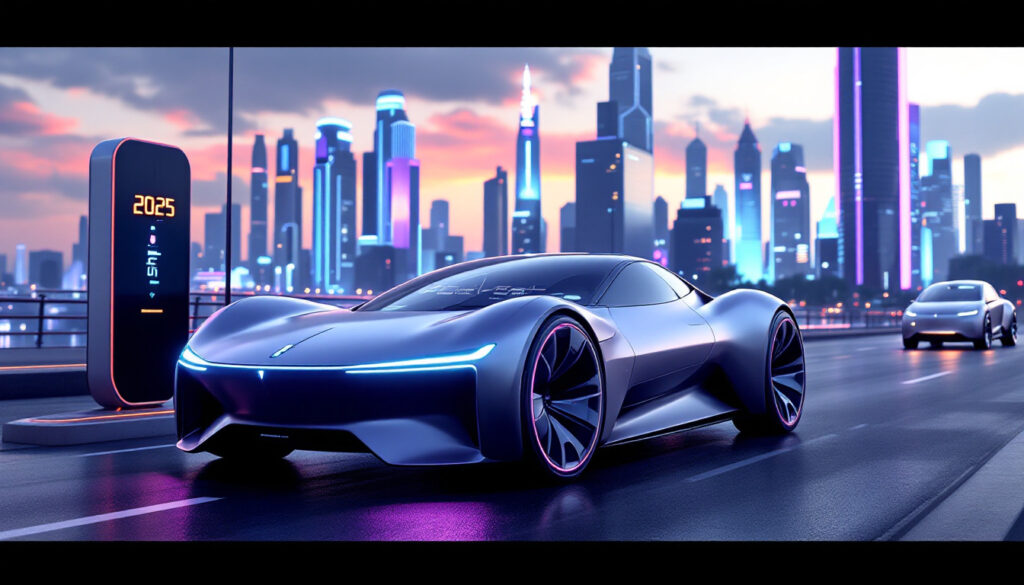

The automotive sector is undergoing significant upheaval, and June 2025 is no exception. With changes in strategies, technological innovations, and business approaches, each manufacturer is doing its part to stand out in an increasingly competitive environment. The rise of electric vehicles, transformations in consumer expectations, and tariff wars influence the entire current automotive landscape. The time is ripe for innovation, but also for a reevaluation of established practices. What direction is the industry taking? What initiatives are redefining the market? Each month brings its share of news, and June represents a decisive turning point for several iconic brands.
The strategic adjustments of major manufacturers
Change may be the only constant in the automotive world. In June 2025, major names like Renault, Peugeot, and Volkswagen are adapting their strategies in the face of an increasingly intense competitive environment. A price war rages, fueled by political events that influence production and costs. The consequences of economic instability are felt at all levels, and each manufacturer seeks to maintain its position in the market.

The surge in raw material prices and new environmental regulations force manufacturers to be more creative and proactive. This is where companies like Hyundai and Ford stand out with new models and bold concepts. They are not only reinventing their product lines but also the way they engage with customers. The companies that react the fastest to trends, particularly in terms of electrification and connectivity, will have an undeniable advantage in the market.
The financial implications
The price war, recently exacerbated by Tesla's decision to increase the cost of its vehicles, has repercussions across the sector. Indeed, increases of 13% to 22% were anticipated for certain models, even as the company reported a 71% drop in its profits in the first quarter of 2025. These decisions could be seen as a risky bet in a context where users are increasingly price-sensitive.
This situation underscores a pressing need for cost oversight, not only at Tesla but also among other major players. The dilemma is simple: should prices be raised to compensate for losses, or should internal solutions be sought to maintain the attractiveness of rates? Recent examples of manufacturers like BMW and Mercedes-Benz show that product diversification can also play a key role in maintaining profit margins while meeting consumer expectations.
- Concrete example: BMW has managed to innovate in its ranges to attract consumers with more affordable offerings.
- Adaptation: Manufacturers must realize that flexibility in response to customer demand is essential.
- Technology: Investing in emerging technologies is often more decisive than strict pricing policies.
| Manufacturer | Strategic Modification | Impact on Prices |
|---|---|---|
| Tesla | Price increase | -31% of registrations |
| Ford | Launch of new electric models | Remains competitive |
| Mercedes-Benz | Diversification of the portfolio | Relative stability |
| Hyundai | Investment in R&D | Improvement of offerings |
The rise of electric vehicles should not overshadow the importance of maintaining a price balance. Consumers, increasingly savvy, are faced with explosive choices in a market of varied options. The key lies in brands' ability to attract without compromising their cost structure. The new proposals from Renault and Peugeot show a marked interest in the more affordable segments, while also offering innovations.
The new launches that stun in June 2025
June 2025 is synonymous with fascinating launches for various manufacturers, each with its own style and innovations. From the elegance of the new E-Class from Mercedes-Benz to the boldness of the Dacia Bigster, the palette of new products is vast. These meticulously designed models reflect the emerging trends that are transforming the driving experience.
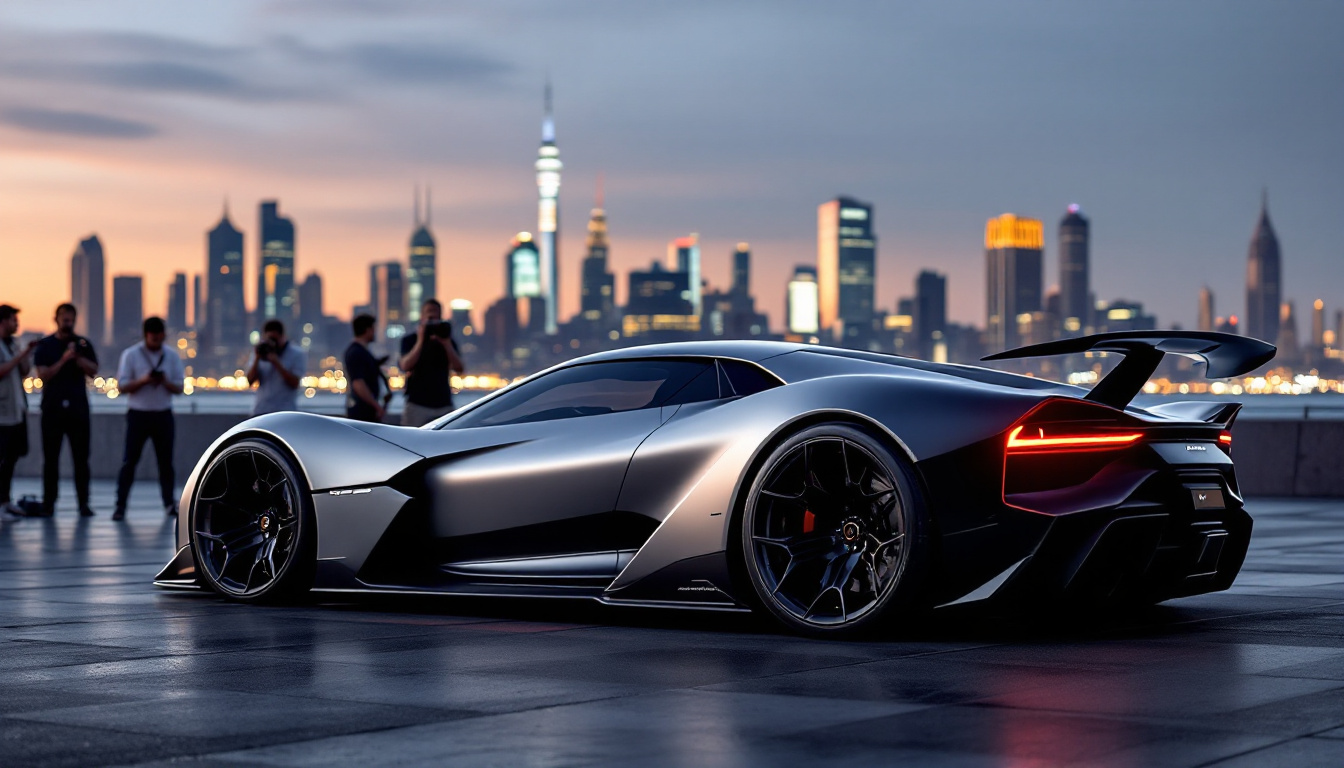
This year, some French brands like Citroën and Renault exhibit a clear ambition to strengthen their presence in the SUV market. Consumers aspire to vehicles that are both luxurious and practical. The Dacia Bigster aims to appeal to those looking for an affordable option without sacrificing style.
Innovations at every turn
Designers are taking unprecedented creative liberties. For example, the Alpine A290 reinvents the affordable sports car, which is not only an attractive model but also a demonstration of technological innovation with its high-performance electric motor. The focus is on sustainable driving experiences without compromising sensations.
- Highlights of the new models:
- Dacia Bigster: Affordable innovative SUV.
- Alpine A290: Sports elegance and electric performance.
- Renault 4: A strong return to classics with a modern twist.
- Dacia Bigster: Affordable innovative SUV.
- Alpine A290: Sports elegance and electric performance.
- Renault 4: A strong return to classics with a modern twist.
- The importance of cutting-edge technologies: New cars integrate advanced driver assistance systems and intuitive interfaces.
- Concessions to tradition: Mixing the modern with the classic remains a key challenge for several brands.
| Model | Type | Features |
|---|---|---|
| Dacia Bigster | SUV | Affordable, robust, spacious interior |
| Alpine A290 | Electric Sports | High-performance, lightweight, modern design |
| Renault 4 | Modern Classic | Return of classics, cutting-edge technology |
These new launches demonstrate that the automotive market never rests on its laurels. By integrating environmental concerns into design, manufacturers can not only attract performance enthusiasts but also address urgent climate challenges. Failing to venture in this direction would ultimately pose a major risk to the sustainability of any brand.

Towards stricter emission standards
Automobile practitioners find themselves resisting an inevitable evolution. Global initiatives toward stricter emission standards are accelerating, pushing every company to question its practices. The transition to cleaner engines is not just a choice but an obligation that every brand must integrate into its strategy. Whether this involves massive investments or transforming production lines, the time for action is now.
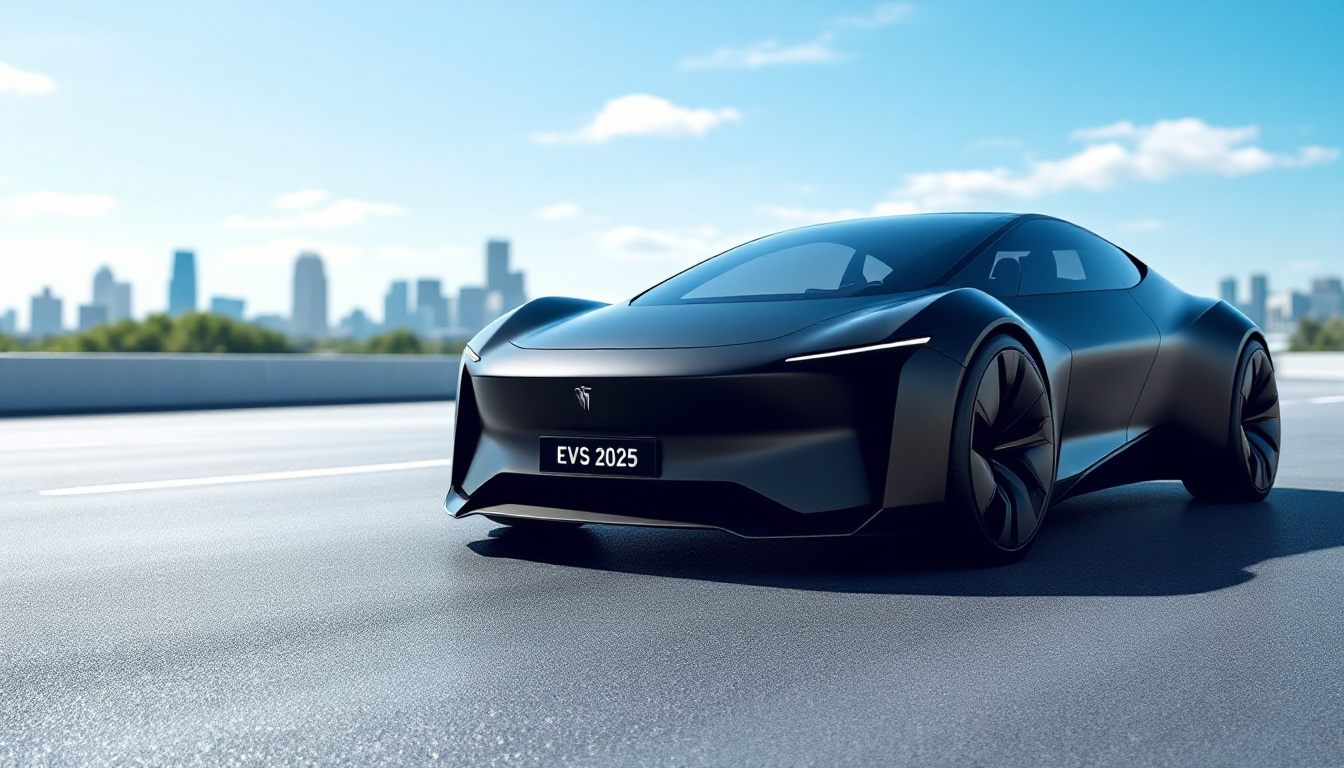
In 2025, the issue of environmental impact is at the heart of consumers' concerns. Buyers are purchasing more than just vehicles: they are buying values. Brands that delay their transition to electric and hybrid drive systems risk losing customers to more proactive companies. Firms like Nissan and Toyota are leading the way with their hybrids that demonstrate impressive efficiency.
The challenges ahead
Growing traffic congestion and rapid urbanization also present additional challenges: this requires a clear vision on the infrastructures to develop. Cities must also evolve to accommodate these new types of vehicles. Governments, as shown by the case of the United States, are seeking to build charging networks that are in line with this new automotive reality.
- Exacerbating factors:
- High energy consumption of old engines.
- Growing awareness among consumers regarding environmental impacts.
- Regulatory risks for non-compliant manufacturers.
- High energy consumption of old engines.
- Growing awareness among consumers regarding environmental impacts.
- Regulatory risks for non-compliant manufacturers.
- Opportunities:
- Development of technology for electric and hybrid vehicles.
- Renovation of charging infrastructures.
- Advances in battery production and their costs.
- Development of technology for electric and hybrid vehicles.
- Renovation of charging infrastructures.
- Advances in battery production and their costs.
| Manufacturer | Engine Type | Ecological Impact |
|---|---|---|
| Toyota | Hybrid | Reduction of emissions |
| Nissan | Electric | Efficiency > 0 |
| Ford | Thermal | To be reviewed |
These challenges illustrate that the automotive sector is at a turning point. Integrating ecological considerations at the core of models, both in terms of design and offerings, becomes imperative. In response to this charge, each brand has the chance to redefine itself as a pioneering player, going beyond mere commercial concerns.

The effects of political decisions on the automotive market
The vehicles of tomorrow are not just built on assembly lines but also in the offices of politicians. Recent changes in economic policy, such as those adjusted by the U.S. administration, are elements that directly influence manufacturers' strategies. Brands like Mercedes-Benz and BMW must adjust their production lines based on tariffs and trade policies.
On one hand, these changes can encourage innovation, but on the other, they can force companies to revisit their business models to remain competitive. The decree on automotive tariffs, for example, fuels intense debate among market players. Companies need to ensure that their cost structure takes these new requirements into account.
How the industry adapts
Brands must stay ahead to navigate these turbulent waters. Mercedes-Benz has already announced that it will produce 70% of its vehicles within the United States by 2027, to better meet local consumer preferences. This way, it will be possible to quickly analyze customer feedback while adjusting production in real-time.
- Advantages of local production:
- Reduction of import costs.
- Increased responsiveness to market trends.
- Strengthening relationships with customers.
- Reduction of import costs.
- Increased responsiveness to market trends.
- Strengthening relationships with customers.
- Risks:
- Potentially higher production costs.
- Pressure on supply chains.
- Need to quickly adapt to regulatory changes.
- Potentially higher production costs.
- Pressure on supply chains.
- Need to quickly adapt to regulatory changes.
| Manufacturer | Political Strategy | Potential Impact |
|---|---|---|
| Mercedes-Benz | Local production | Improved costs and flexibility |
| BMW | Rapid innovation | Potential competitive advantage |
| Volkswagen | Adaptation to regulations | Necessary adjustments in the short term |
The implications of these choices are unprecedented. Any manufacturer wishing to survive will need to engage on the political front while remaining agile in response to consumer expectations. The next generation of vehicles will not only respond to performance criteria; they will also need to embody values of adaptability and resilience while navigating an often chaotic environment.
The automotive landscape now requires ongoing commitment to sustainability, profitability, and innovation. In this context, June 2025 looms as a crucial moment, conducive to the strategic reflection necessary for every manufacturer, as the future of the automobile is being decided today.
Si vous souhaitez lire d'autres articles tels que Focus on the automotive news of June 2025, consultez la catégorie News.
Leave a Reply
Articles relatifs