A car show created by artificial intelligence that really impresses!

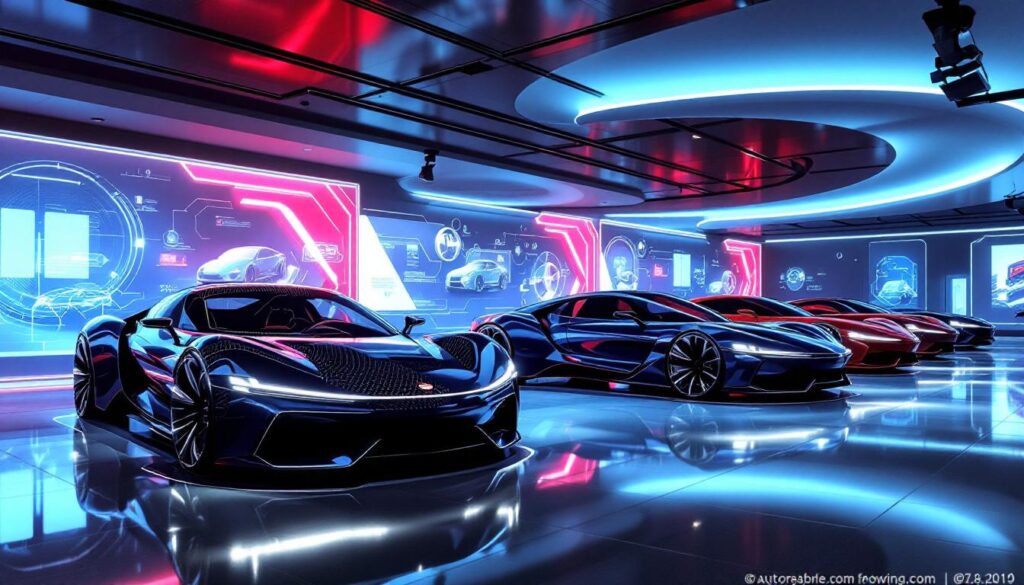

A totally fictional automotive event has literally surprised the world thanks to artificial intelligence. This show, entirely created by algorithms, offers an experience that is as immersive as it is enlightening. Car enthusiasts, curious individuals, and even professionals in the industry are asking the question: what if this model became the norm? Thus, a new era of automotive communication and marketing is emerging, and the impact could be profound.
The Automotive Event of the Future: A Striking Digital Creation
At the heart of an unprecedented technological evolution, a Hungarian content creator, László Gaál, has transcended the boundaries of human creativity. By using artificial intelligence tools like Veo3 for video simulation and Google DeepMind for text processing, he generated a complete car show without any element having truly existed. An achievement that questions the traditional values of the automotive sector.
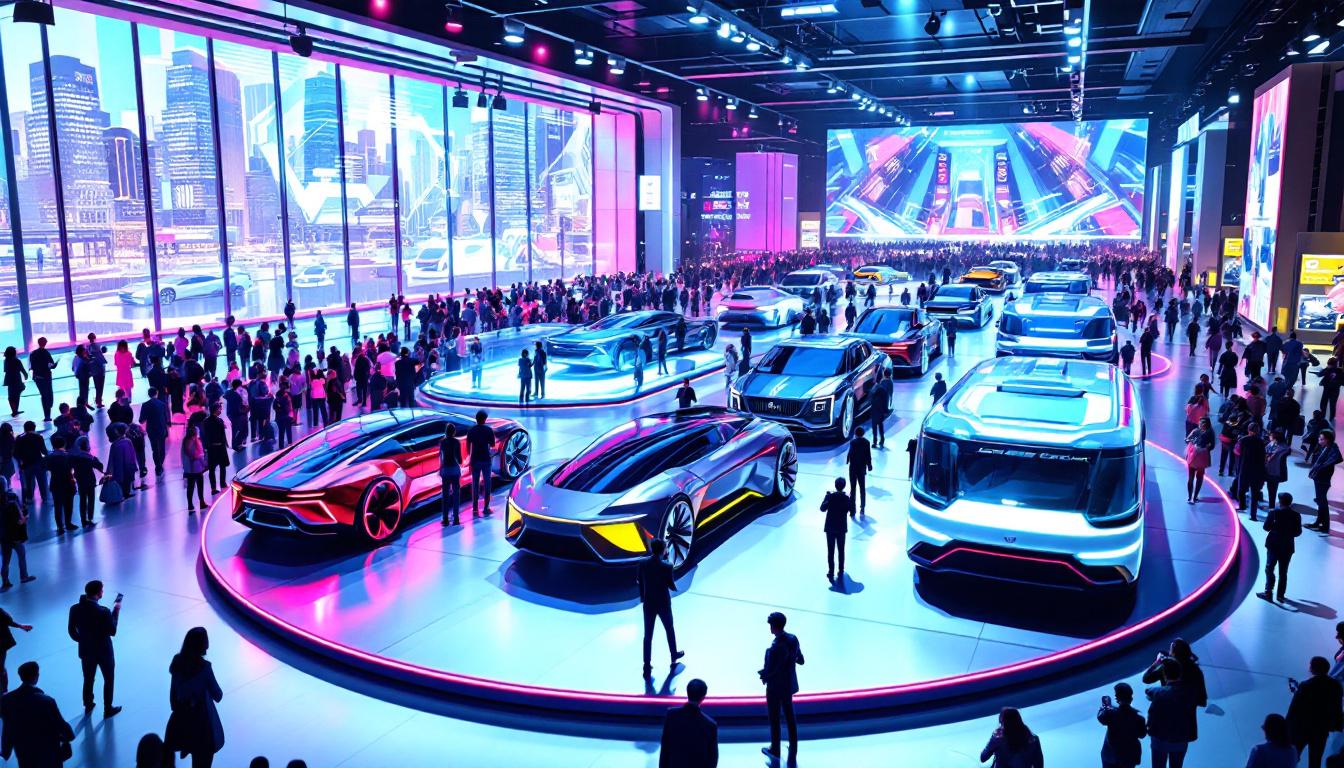
The video of this fictional show, broadcast on social media, begins with a striking introduction: "Welcome to a car show that does not exist." However, the captivating and immersive sequence gives the impression of a real event. Amazed visitors stroll between dazzling booths, discovering unprecedented concepts. Some demonstrations are perfectly adorned with a human touch, making this virtual universe surprisingly credible.
The technology used reveals a significant advancement: each scene was carefully designed based on precise descriptions, then edited to simulate a classic report. The goal is not merely to create entertaining content, but to study how these new methods can meet the needs of the automotive market.
- Surprise and excitement in the face of an illusion
- Creation of various fictional car stands
- Attractiveness through an immersive and engaging narrative
A Striking Visual Immersion
One of the major successes of this enterprise lies in the immersion it offers. The viewer is captivated by the illusion of a living event, where every detail has been meticulously planned. From exhibitor logos to professional hostesses, everything is optimized to captivate. The use of AI models gives a playful and fluid dimension while raising questions about authenticity and reality in the automotive world.
However, a few clues reveal the imperfections of this production. Sometimes, the texts displayed on clothing or signs are incorrect. The characters, although animated, present anomalies, particularly at the level of their hands, a classic issue with image generation tools. These small inconsistencies remind us that, while every open avenue is fascinating, the technique is not yet perfect.
The Implications for the Automotive Industry
With this demonstration, deeply significant implications for the future of the automobile are emerging. Indeed, as many manufacturers like Renault, Peugeot, and Citroën face increasing budgetary challenges, this virtual solution could emerge as a viable alternative. Why invest millions in physical events when a convincing simulation could reach a global audience at a lower cost?
Moreover, the virality that accompanies AI-generated content could translate into a marketing impact potentially greater than that of traditional conventions. Some brands could even consider unveiling models before their actual production, capitalizing on the buzz created around these fictional events.
| Manufacturer | Potential Impact of AI | Future Scenarios |
|---|---|---|
| Renault | Reduction of event costs | Launch of new virtual models |
| Volkswagen | Creation of immersive experiences | Testing of simulated vehicles |
| BMW | Virality of generated content | Targeted marketing events |
A Look Towards the Future of the Automobile
This virtual car show is just the beginning of a vast project that could transform practices in the industry. Imagine a tomorrow where every manufacturer, like Ford, Toyota, Audi, or Mercedes-Benz, could rely on this technology to redefine the way they market their vehicles.
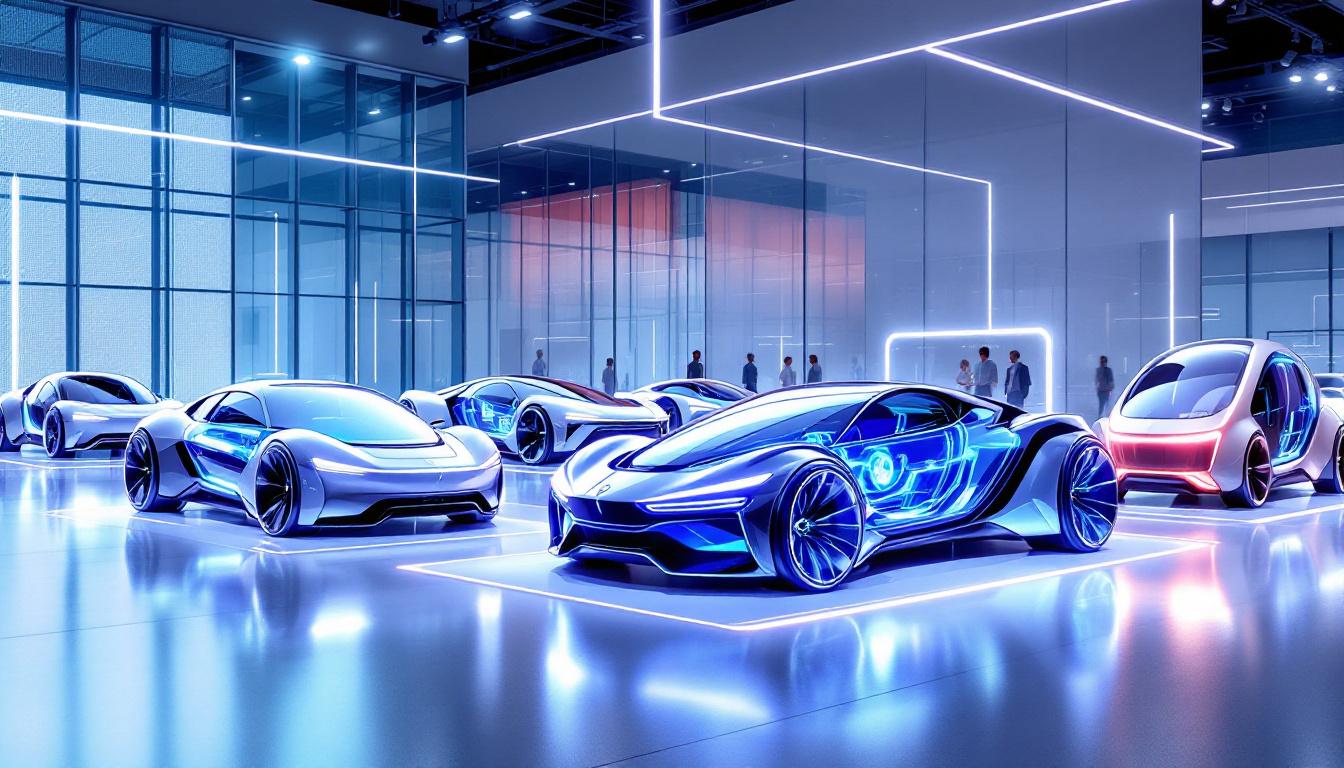
For several experts, the integration of artificial intelligence solutions is essential. It could potentially allow not only the exploration of vehicle concepts before their manufacture but also the prediction of consumption trends. Brands would then be better equipped to meet the expectations of an increasingly demanding public.
The automotive market is undergoing a considerable transformation, dominated by concerns such as sustainability or electrification. On this occasion, shows exclusively dedicated to green or electric technologies, like those mentioned in this article about the 2025 show, could emerge. By rethinking their communication models, companies could transform challenge into opportunity.
Towards Reinvented Communication
With the rise of AI, automotive communication is no longer limited to merely disseminating information. Brands, whether Lexus or Hyundai, could engage consumers through interactive storytelling. Imagine a manufacturer launching an exclusive model through a virtual experience, where each user could explore the vehicle in detail before it goes into production!
This future is being shaped by technological advancements but also requires companies to reevaluate their strategies. This entails a shift in mindset where digital and immersive take precedence over the traditional. Brands need to think outside the box to ensure they meet the needs of a more connected modern clientele.
- Interactive consumption of information
- User engagement through storytelling
- Increased visibility through immersive content
The Limits of Technology and Human Experience
Despite the potential of artificial intelligence, one question remains: how much of the human experience is necessary in the automotive sphere? Technology can generate spectacular content, but there are aspects that only human interaction can provide. This raises the need to maintain balances, where innovation and humanity coexist.

Human interactions on the ground remain essential. Passionate individuals can convey emotions impossible to replicate by a machine. Thus, a traditional show with live demonstrations, where visitors can touch and test each model, would perfectly complement the use of virtuality.
The true success could lie in a harmonious integration between digital innovation and authentic user experience. Industry players must question how to merge these two worlds, maximizing benefits while maintaining the interest and enthusiasm of their customers.
The Balance Between Virtuality and Reality
At the dawn of this new era, brands will need to navigate between the opportunities offered by artificial intelligence and the pressing need for authenticity. The public wishes to interact with brands meaningfully, and this inevitably involves human experiences. A business model focused solely on the virtual could lead to a disconnection from the actual expectations of consumers.
This new ecosystem could also inspire new collaborations, where marketing experts, AI developers, and automotive enthusiasts will come together to co-create experiences that capture attention and engage in dialogue. Brands will need to become storytellers, able to weave stories around their vehicles while relying on solid technological foundations.
| Types of Events | Characteristics of the Physical Event | Characteristics of the Virtual Event |
|---|---|---|
| Traditional Shows | Direct interactions, sensory experiences | Global accessibility, flexibility |
| Hybrid Events | Mix of physical and virtual | Interactive engagement, conversation starters |
| Virtual Productions | Absence of physical limits | Reduced costs, massive reach |
Si vous souhaitez lire d'autres articles tels que A car show created by artificial intelligence that really impresses!, consultez la catégorie News.
Leave a Reply
Articles relatifs