the reasons behind the absence of frunk in some electric cars

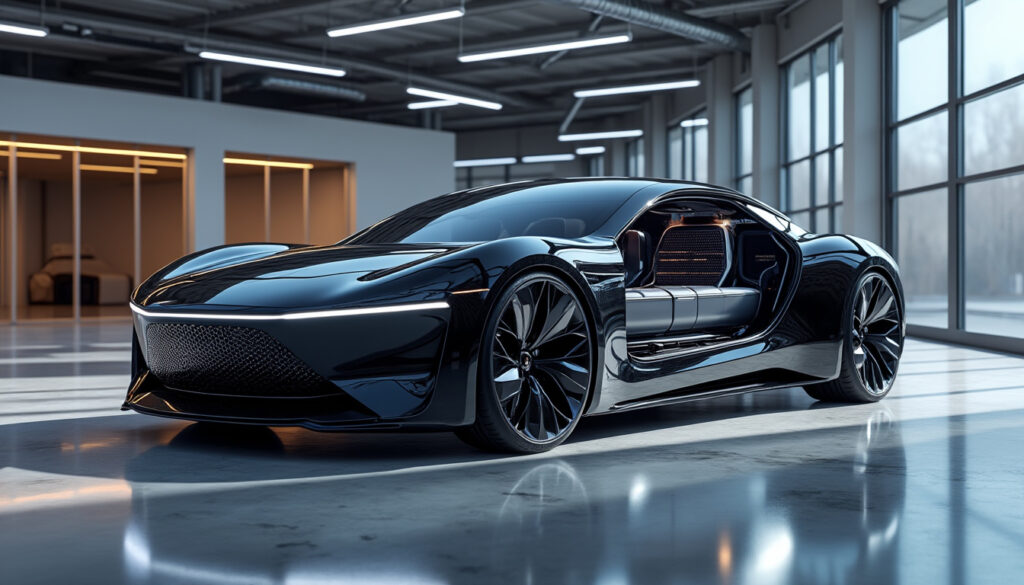

In the world of electric vehicles, the frunk — or front trunk — is often considered a small detail, but it can reveal a lot about the design and innovation of cars. While some brands have made it a standard feature, others choose to skip it. Why this difference in treatment? What are the implications for drivers? Let’s dive into the subject to better understand this complex question.
Understanding the concept of frunk: between innovation and necessity
The frunk, a contraction of "front" and "trunk," refers to the storage space available at the front of electric cars, which often replaces the internal combustion engine. Indeed, when comparing traditional cars to electric vehicles, a significant difference in spatial design becomes apparent. While older cars required a massive engine, electric cars, with their smaller engine size, utilize this area to provide additional storage capacity.
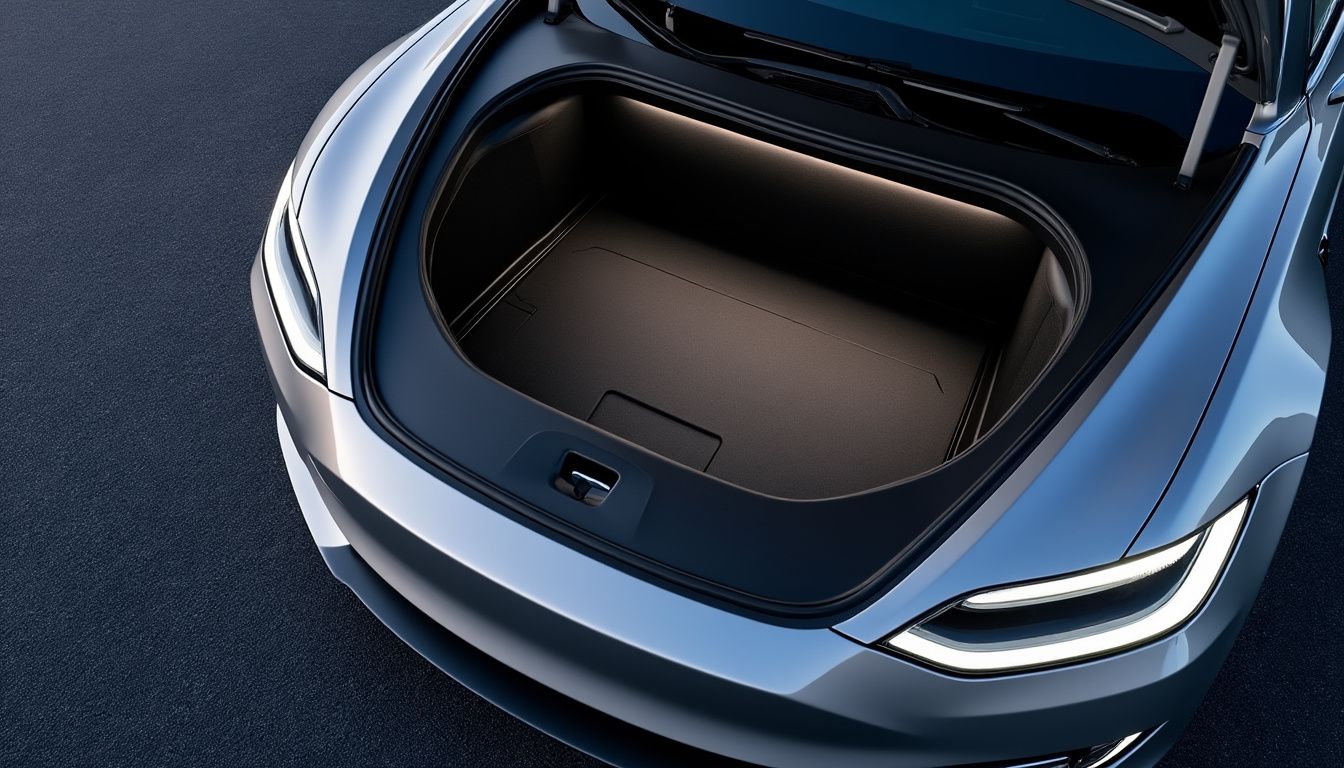
This additional storage is often seen as a plus, making everyday life easier for users. For example, many owners find this space ideal for storing accessories like a charging cable or a warning triangle, thus preventing clutter in the main trunk. However, perceptions of the frunk vary from driver to driver. For some, it is essential, while others consider it unnecessary.
The growing importance of the frunk in the electric age
Since the arrival of iconic models like the Tesla Model S in 2012, the frunk has gradually become an important element of design and functionality. Contemporary electric cars seek to maximize every millimeter of space, both for passenger comfort and storage. This raises several questions:
- Is the frunk really necessary for the majority of drivers?
- How is space optimization approached by traditional manufacturers compared to those specializing in electric vehicles?
- Does the frunk influence the perception of performance and aesthetics in the design of electric cars?
For many electric car owners, the frunk is not just a simple storage space; it becomes a symbol of the transition to more sustainable and innovative mobility. But then, why do some brands omit this feature?
The burdens of legacy: why some manufacturers opt for the absence of frunk
Car manufacturers often have histories and pre-existing models that influence their design choices. Some brands, like Nissan with its Leaf, initially designed their vehicles with the perspectives of combustion engine cars in mind, and the aerodynamic design of these older structures does not always allow for a frunk.
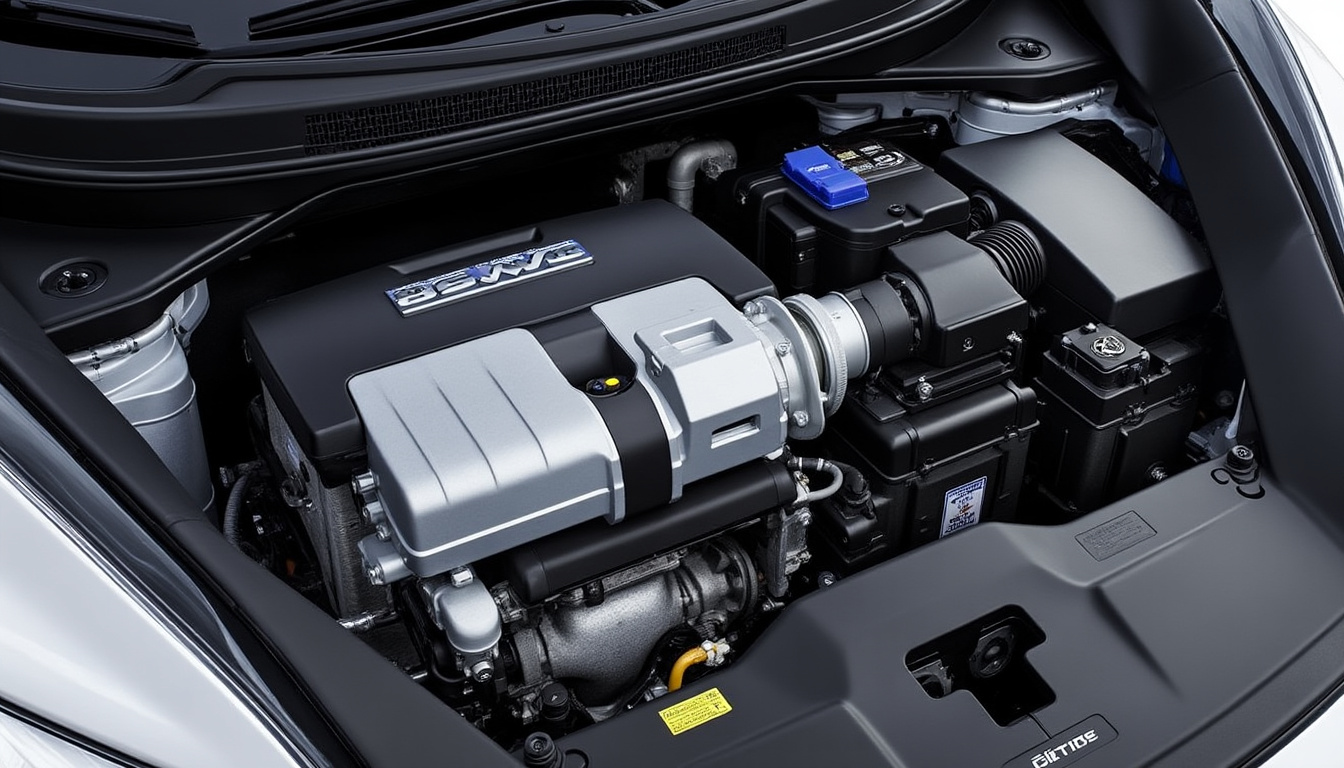
This absence of frunk can be perceived as a compromise. Here are a few reasons cited by manufacturers:
- Production cost: Integrating a frunk involves modifications to the vehicle's architecture, which can increase costs.
- Weight distribution: The decision not to include a frunk can also be motivated by considerations of balance and weight distribution to improve thermal performance.
- Engine accessibility: For some models, access to mechanical components may be easier without a frunk, making interventions simpler for technicians.
In short, while some manufacturers may seem to lag behind, this sometimes reflects a strategic choice rather than a technical limitation. Brands that have opted for the frunk are trying to catch up in terms of innovation, while others must navigate between tradition and modernity.
A question of image and performance
The frunk is not just a matter of functionality; it also plays a role in brand image. Consumers are increasingly looking for vehicles that stand out, both in terms of aesthetics and technology. For example, models like the Ford F-150 Lightning or the Tesla Cybertruck use their frunk as a selling point by transforming it into a playful space or a lifestyle element.
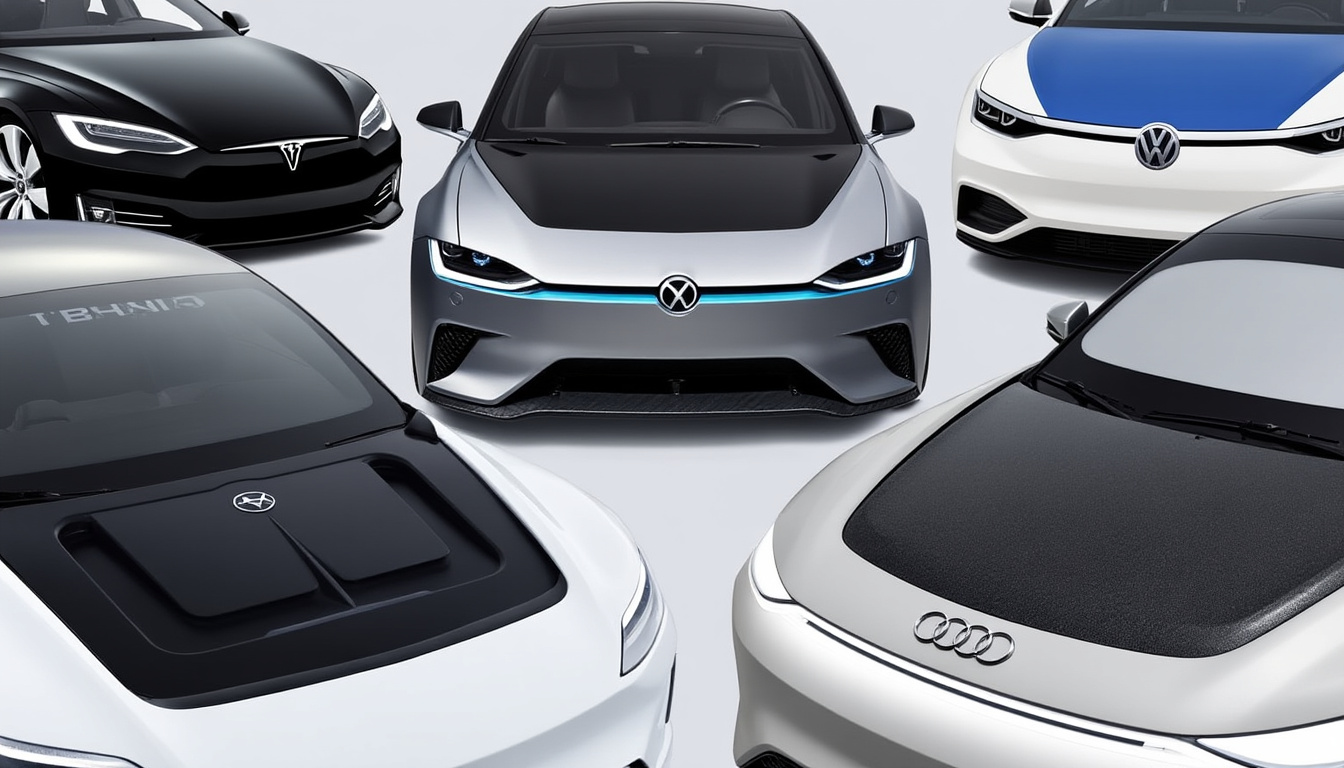
To illustrate this trend, here is a comparison between different electric vehicle brands:
| Brand | Model | Frunk? | Capacity (liters) |
|---|---|---|---|
| Tesla | Model S | Yes | 150 |
| Ford | F-150 Lightning | Yes | 400 |
| Nissan | Leaf | No | 0 |
| BMW | i4 | Yes | 80 |
These choices influence not only functionality but also brand image, market positions, and manufacturers' future strategies.

The advantages and disadvantages of the frunk: a question of priorities
Users have varied opinions on the usefulness of the frunk. For some, it represents a significant practicality, while for others, it seems more like a gadget. The advantages of using this storage space include:
- Space optimization: The frunk allows for freeing up space in the main trunk.
- Easy access to accessories: Users can keep their cables and accessories within reach without having to rummage through the trunk.
- Alternative solutions to roof racks: For families, a frunk can replace a less aerodynamic roof rack.
On the contrary, here are some disadvantages:
- Limited capacity: Not all frunks are of equal size, with some offering little space.
- Infrequent use: For some owners, the frunk is rarely used, questioning its necessity.
- Design complexity: Creating a frunk can add challenges in terms of passenger safety and thermal performance.
It is essential to weigh these factors based on personal needs and priorities when purchasing an electric vehicle.
A necessary evolution: what direction are manufacturers heading in?
The electric market continues to evolve rapidly, and design choices, particularly the inclusion or exclusion of a frunk, will influence the landscape of tomorrow. What was once seen as an advantage could become a standard in the near future, as the demand for increasingly practical and intelligent cars continues to rise.
Manufacturers also need to consider the ecological aspect of their production. Environmental certifications and energy consumption during the car's lifecycle are becoming crucial selling points. Models with a frunk can indeed offer better thermal performance by allowing ideal ventilation of the batteries, especially in warm weather.

Brands have every interest in viewing the frunk not just as a storage option, but also as a feature embedded in the story of each vehicle. Aerodynamic design, material optimization, and the art of designing space could well define the new models that will emerge in the coming years.
Conclusion on the frunk
Ultimately, the absence of a frunk in some electric cars reflects the strategic choices and diverse histories of manufacturers. In an increasingly sustainability-focused world, electric vehicles continue to face challenges while presenting countless opportunities for innovation.
Si vous souhaitez lire d'autres articles tels que the reasons behind the absence of frunk in some electric cars, consultez la catégorie Uncategorized.
Leave a Reply
Articles relatifs