Map, understand and reduce belief in misinformation about electric vehicles

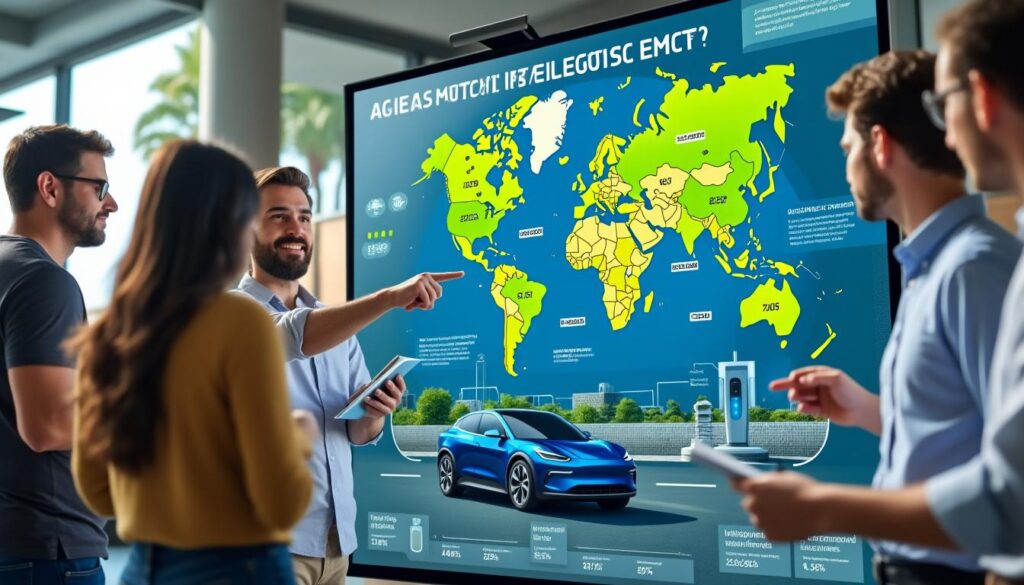

At the dawn of 2025, the debate over electric vehicles (EVs) continues to make headlines. The stakes of sustainable mobility, green energy, and uncertainties related to misinformation are at the heart of public discussions. Belief in misinformation can directly impact consumer decisions and, consequently, influence global environmental goals. The need to map, understand, and counteract misconceptions proves crucial. Let us explore the various aspects of this issue here.
Misinformation in the Electric Vehicle Debate
The rise of misinformation around electric vehicles has intensified in recent years. Social media has become a favored channel for the spread of false information. Whether it concerns safety issues, environmental impact, or even battery life, many erroneous claims circulate. For example, studies show that misconceptions about the accident rates of EVs and their dangers often resurface, harming the image of this technology.
The Stages of Misinformation: Understanding and Identifying
The first step in counteracting misinformation is to understand how it spreads. Several factors contribute to this phenomenon:
- Social Media: Platforms like Facebook and Twitter are often vectors for false information.
- Influence of Certain Media: Unreliable news channels can amplify these misconceptions.
- Lack of Awareness: A poor understanding of electric technologies can amplify bizarre scenarios.
- Emotions: Alarmist narratives about the environment can sometimes be more engaging than nuanced facts.
To illustrate this point, a study by Southwell et al. (2022) identified how cognitive biases influence the sharing of this information. Establishing a counteraction to this misinformation requires a collective effort.
The Repercussions on Public Perception
Misconceptions about electric vehicles can lead to unfounded biases. For example, a recent survey highlighted that nearly 30% of respondents falsely attributed greater pollution to electric vehicles than to gasoline vehicles. These erroneous perceptions, as reported by several news sources, can have major consequences:
- EV Sales: Sales expectations are affected, hindering the transition to electromobility.
- Public Policy: Legislators may hesitate to promote policies supporting electromobility.
- Social Acceptance: A negative perception can reduce the general appetite for sustainable transportation systems.
To mitigate these impacts, it is essential to adopt a proactive information approach, including targeted education campaigns.
| Type of Misinformation | Effect | Example |
|---|---|---|
| Pollution of EVs | Prejudices about their environmental impact | Belief that EVs pollute more in production |
| Battery Safety | Growing concern among consumers | Myths about battery fires |
| Difficulties Accessing Charging Stations | Deterrent for potential buyers | Accounts of negative charging experiences |

Pragmatic Solutions to Counter Misinformation
Some innovative solutions are emerging to help counter this growing phenomenon. To do this, a cultural shift towards a stronger energy trust and a more pronounced ecotricity is necessary. Here are some promising approaches:
- Information Campaigns: Involve public figures to raise awareness among the public about the truths surrounding EVs.
- Partnerships: Collaborate with NGOs and research institutes to conduct rigorous studies.
- Verification Technologies: Develop "Vehicle Info" tools allowing the public to verify information about electric vehicles.
Screening and Demystifying Through Technology
Technological advancements allow better access to verified information and reliable resources. This could include:
- Demo-Demystifier: A platform where consumers can check facts against misconceptions.
- Electro-Enlightened: An educational program using digital platforms for rapid dissemination of informed information.
- Fact-checking Tools: Applications aimed at the general public to quickly clarify information about electric vehicles.
These initiatives can play a major role in dismantling the myths surrounding EVs, fostering better acceptance of sustainable mobility. Projects like DebunkVehicle are experiencing great success, proving that equipping consumers with the necessary tools can have a positive impact.
The Impact of Media and Social Networks
The media plays a central role in the perception of electric vehicles. News coverage can shape public opinion both in favor of and against EVs. For example, some programs have shed light on the positive aspects of green energy, while others attempt to fuel distrust narratives around emerging technologies. This has sometimes led to a dichotomy in the representation of EVs: between narratives of green success and warnings of risks.
Critical Analysis of Media Content
Consumers must develop a critical eye regarding the information they consume. Here are some suggestions:
- Verify Sources: Always refer to trustworthy studies.
- Consume Diverse Content: Do not limit yourself to a single source of information, but explore different perspectives.
- Participate in Discussions: Engaging in debates can help hear nuanced information.
Individual actions, combined with media transparency, can quickly contribute to positive change. It is vital for the media to commit to providing accurate and balanced information about EVs, thus fostering an informed public perception.
| Media | Type of Content | Impact |
|---|---|---|
| News Channels | Documentaries on the environmental impact of EVs | Improvement of EV perception |
| Social Networks | Sharing sensationalist articles | Propagation of misinformation |
| Specialized Blogs | Technical analysis of EV performance | Consumer education |
The Systematic Approach to Sustainable Mobility
To achieve full adoption of electric vehicles, public and private actors must collaborate systematically. This shift to sustainable mobility involves genuine synergies between the state, manufacturers, and consumers. To this end, a step-by-step approach can be considered:
- Promotion of Infrastructure: Investment in charging networks is crucial to fostering trust.
- Incentive Support: Create tax policies to encourage EV adoption.
- Environmental Education: Inform the public about the direct benefits for the environment and their health.

Collaboration with the Industry for Better Awareness
Companies can also play a crucial role. Innovating in communication around EVs and engaging in educational campaigns could offer a strong return on investment. Here are some ideas to consider:
- Brand Partnerships: Collaborate to educate the public on the benefits of EVs together.
- Research Projects: Support studies on electric mobility issues.
- Community Workshops: Meet the local public to share firsthand knowledge about EVs.
This convergence of efforts from different sectors would maximize the impact of initiatives on the perception of electric vehicles and their adoption.
Building an Electrifying Future: The Commitment of All
In the face of misinformation, it is imperative to adopt a collective approach to build trust around electric vehicles. Political, media, and educational stakeholders have the responsibility to engage their audience on the myths created around these technologies. By actively fighting against misinformation, we have the opportunity to transform these perceptions into informed beliefs, positioning electric vehicles and ecotricity as pillars of our collective future.
This continuum of actions must become the norm, reinforcing the awareness that choosing sustainable mobility is more than an alternative; it is an obligation for an environmentally respectful future.
It is time to realize that beyond uncertainties and misinformed beliefs, there is a solid and informed voice that deserves to be heard. This is essential in achieving long-term energy trust and in the transition to a society based on sustainability values.
Si vous souhaitez lire d'autres articles tels que Map, understand and reduce belief in misinformation about electric vehicles, consultez la catégorie Uncategorized.
Leave a Reply
Articles relatifs