Is it possible to recharge your electric car with an extension cord? [Explanatory video

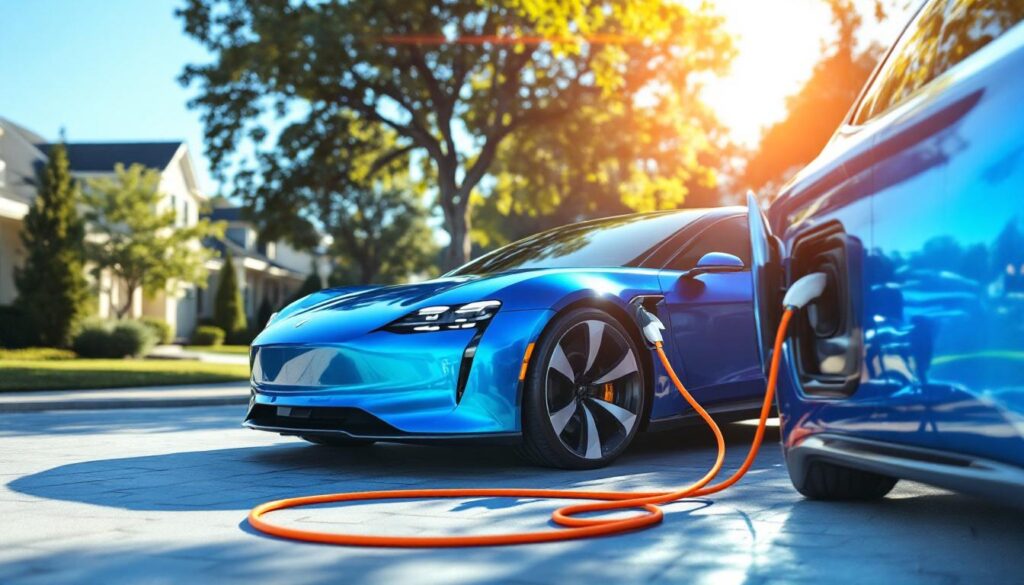

With the rise of electric vehicles, a common question arises: is it really possible to charge an electric car with an extension cord? This option may seem convenient for many drivers looking to simplify their daily lives. However, it conceals significant risks in terms of safety and charging performance. Let's dissect this issue together.
The Risks Associated with Using an Extension Cord for Charging
When the idea of using an extension cord to charge an electric car emerges, the question of safety risks becomes paramount. Standard extension cords, often used for household appliances, are not designed to withstand prolonged high-intensity loads. This can have serious consequences.
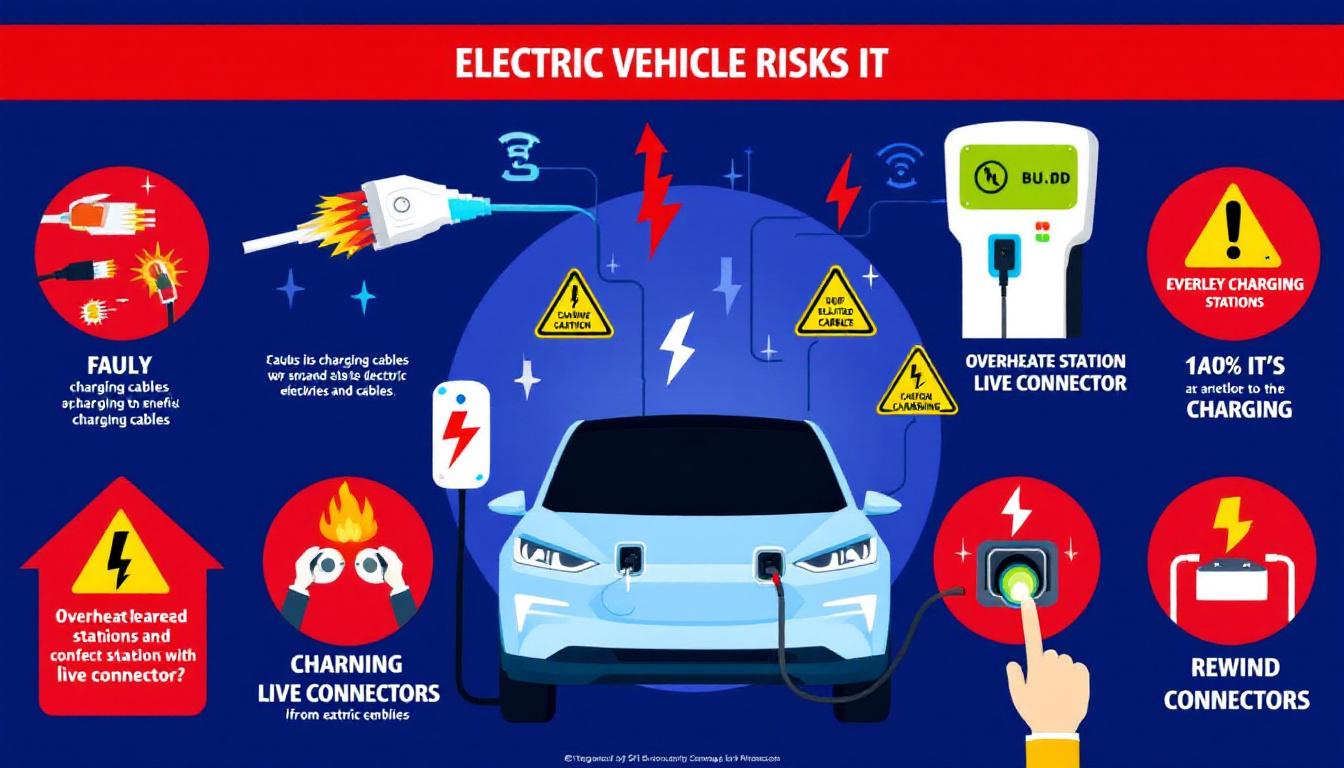
Here are some key risks to consider when using an extension cord:
- Overheating: An inappropriate extension cord can easily overheat, posing a fire hazard.
- Insufficient electrical capacity: Commonly used 1.5 mm² extension cords are often inadequate for demanding vehicles like Tesla or Hyundai.
- Durability of the electrical installation: If the installation is old, it may not support the prolonged load needed for charging an electric car.
The basic rule is clear: use a heavy-duty extension cord to avoid overheating. To be more precise, a cable with a cross-section of 2.5 mm² is the minimum required.
Poor use of an extension cord can also have environmental impacts. Tests conducted by experts show that fires caused by inappropriate electrical installations are alarmingly increasing in certain areas. Recent statistics estimate that incidents related to improper charging could exceed 200 cases per year, a concerning figure that warrants increased attention.
How to Mitigate Risks When Using an Extension Cord
To reduce the dangers associated with using an extension cord, it is essential to follow some practical advice that ensures a safer charging experience.
- Limit the charging current: It is crucial to reduce the charging intensity to a maximum of 8 amperes. This preserves the longevity of the cable and limits the risk of overheating.
- Set current options: Many models of electric cars, such as those from Nissan, offer the ability to adjust the charging intensity through the onboard interface or a dedicated app.
- Use specialized extension cords: Some brands, such as Renault or Volkswagen, offer extension cords specifically designed for charging electric vehicles, intended to avoid overloads.
A good choice of extension cord contributes to efficient and secure charging, making the use of an extension cord less problematic.
The Different Types of Extension Cords Available on the Market
The market offers various solutions for charging electric vehicles, but not all cables are created equal. It is important to make an informed choice. Let's analyze the main categories of extension cords.
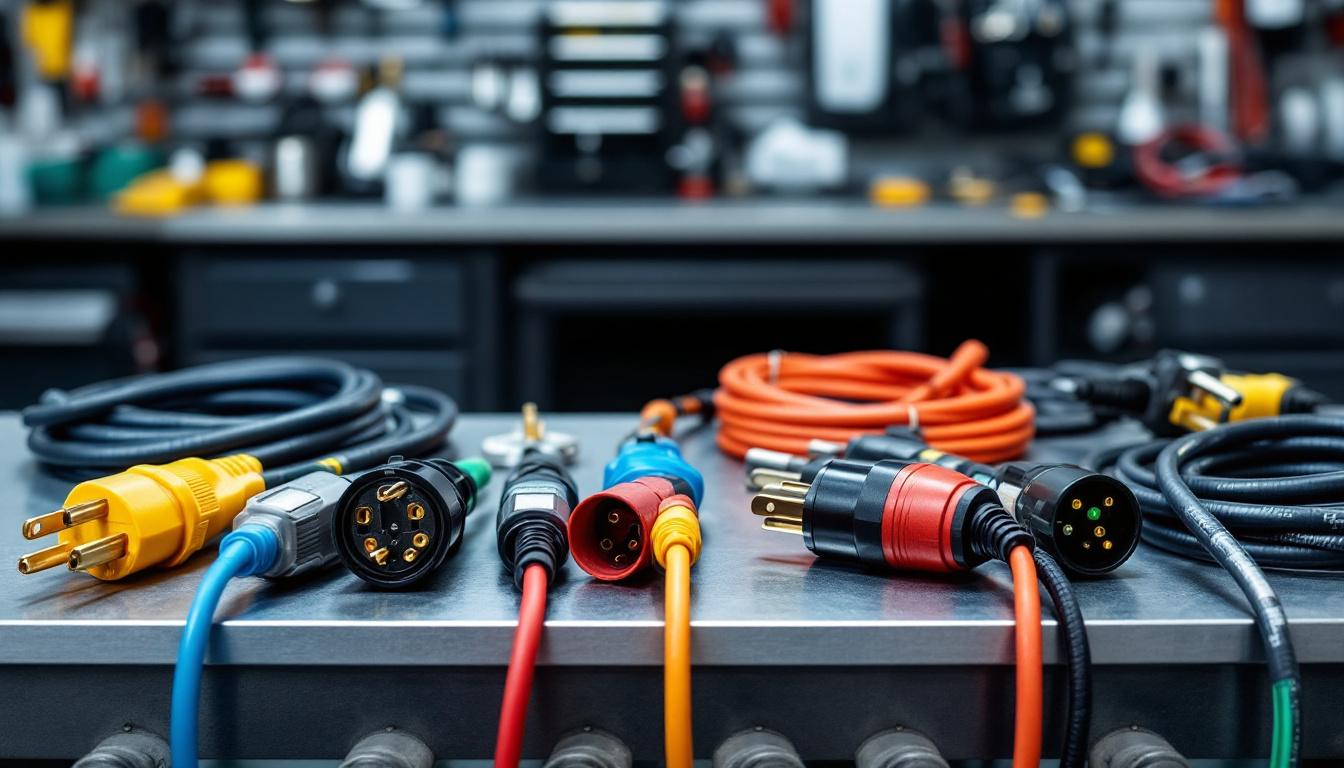
| Type of Extension Cord | Characteristics | Recommended Use |
|---|---|---|
| 2.5 mm² Extension Cord | Ideal for charging, supports up to 16 A | Occasional charging at home |
| 1.5 mm² Extension Cord | Not recommended for prolonged charging, risk of overheating | Household appliances, not for electric vehicles |
| Extension Cord Designed for Electric Vehicles | Designed to withstand prolonged loads, often made with reinforced wiring | Regular charging of electric vehicles |
Choosing an appropriate extension cord is crucial. For instance, if your vehicle is a BMW, it would be wise to opt for a manufacturer-approved solution. Additionally, researching through websites like Ecojoko helps identify the best available and suitable cables.
Prefer Permanent Installation Solutions
Extension cords should ideally be considered a temporary solution. Indeed, opting for a permanent installation is safer and more efficient. Here are a few alternatives to consider:
- Installation of home charging stations: This allows for fast and secure charging for your vehicles, rather than relying on an extension cord.
- Use of public charging stations: The availability of public charging stations in many cities greatly facilitates life for drivers.
- Mobile charger: Some portable chargers can offer a safe and effective charging solution without an extension cord.
In an increasingly electrified world, investing in sustainable solutions is not only a wise choice but also a way to ensure that the energy transition takes place under the best possible conditions.
The Regulations Regarding the Use of Extension Cords
It is essential to examine the legal framework related to the use of extension cords for charging electric cars. Many users do not realize the consequences that can arise from this. For those living in urban areas, such as Paris or Lyon, the regulations regarding cable extensions are particularly strict.
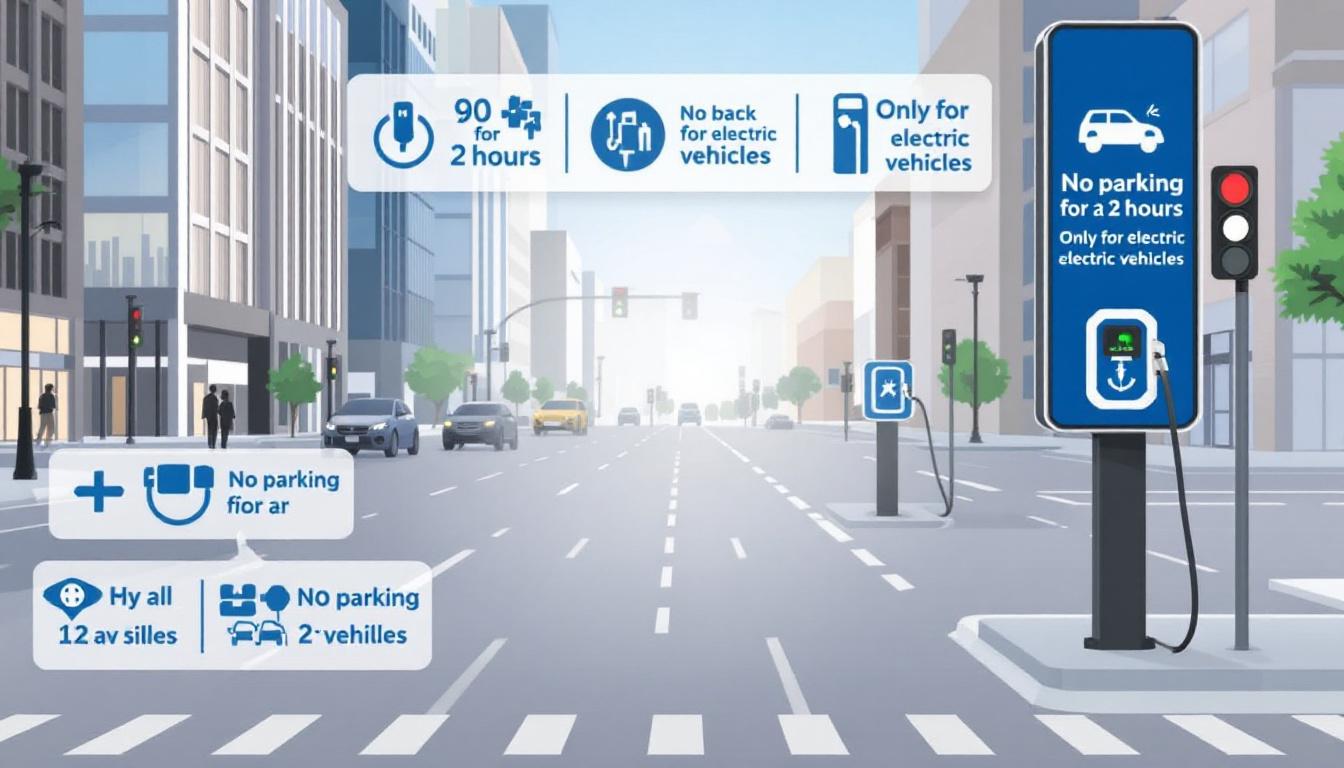
The legal texts stipulate that:
- Crossing on public roads: The crossing of an electrical extension cord on a sidewalk is often prohibited. This can pose a risk to pedestrians and engage your liability in case of an accident.
- Installation of temporary equipment: Some municipalities may approve temporary solutions with specific safety conditions.
- User protection: Laws exist to protect users, for example, those imposing a minimum distance between cables and traffic areas.
It is therefore wise to consult local authorities before installing an extension cord. Some municipal councils recommend checking for built-in installation options to protect both your equipment and the safety of others.
The Consequences of Non-Compliance with Regulations
Failing to comply with regulations can have serious consequences. The following points should alert drivers:
- Financial fines: In case of non-compliance with the rules, fines can be imposed by traffic officers.
- Legal action: In case of an accident, the ownership liability for the cable may be engaged.
- Loss of vehicle warranty: Some insurance companies may cancel warranties in case of incidents related to a faulty installation.
Prudence is essential, and every electric vehicle owner must be aware of the responsibilities they hold.
Alternatives to Charging with an Extension Cord
With the inherent challenges of using extension cords, the focus should be on safe and effective alternatives. With the rise of electromobility, several innovative solutions are emerging on the market.
Some alternatives to consider include:
- Fast charging stations: Increasingly accessible, these stations allow you to charge the battery in just a few minutes, which is ideal for long trips.
- Home charging infrastructure: Installing dedicated equipment at home to ensure effective and unforeseen-free charging.
- Use of public charging stations: This enables charging during stops in commercial or recreational areas, thereby facilitating the integration of electric cars into daily life.
Implementing these solutions means less stress and a more efficient daily life. Brands like Dacia or Peugeot are already leaning towards these practices, concerned with user experience and driver safety.
Resources for Safe and Effective Charging
Staying informed is essential. Here are some useful resources to learn more about charging electric cars, whether for an Audi, BMW, or Volkswagen:
- GT Automotive - Fast Charging Stations
- Auto Moto - Attention to Home Charging
- Mister EV - Charging with an Extension Cord
- Forum Automobile Propre - Discussion on Extension Cords
- Evniculus - What Type of Extension Cord to Use?
The market is evolving rapidly, and staying informed allows for making safe and informed choices. Individual responsibility takes on a new dimension in the world of electric vehicles, and every driver must be an informed participant in this transition.
Si vous souhaitez lire d'autres articles tels que Is it possible to recharge your electric car with an extension cord? [Explanatory video, consultez la catégorie Uncategorized.
Leave a Reply
Articles relatifs