Discovering the Volkswagen Golf plug-in hybrid: our first impressions

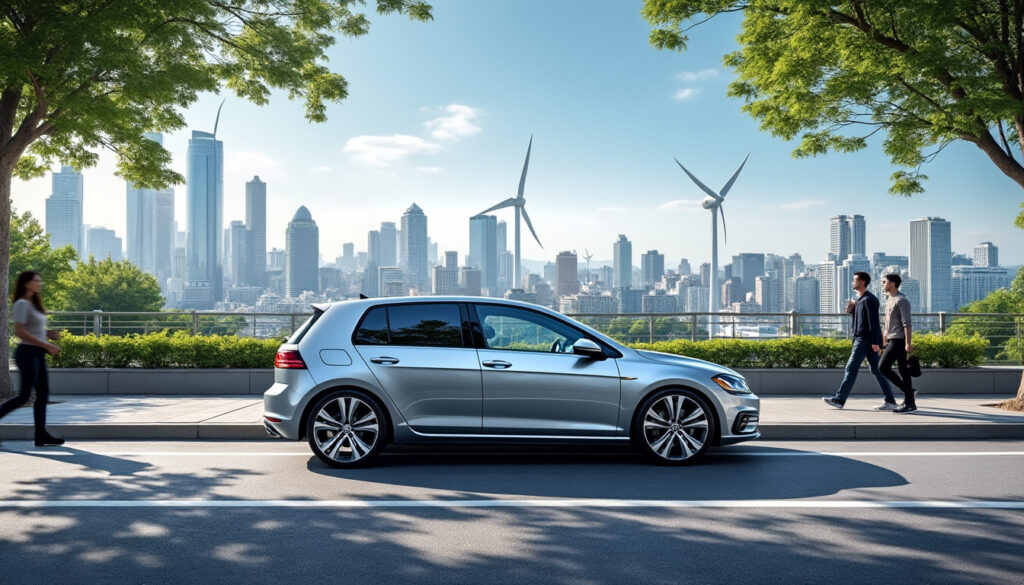

Ah, the Volkswagen Golf plug-in hybrid! What a name that evokes as much enthusiasm as a cat in front of a cucumber. After ten years of electric-thermal back and forth "Volkswagen-style," here comes the eighth generation packed with a boosted battery and a promise of autonomy that would make an electric turtle green with envy. Because yes, today in 2025, the German compact gets a makeover that’s not only cosmetic but especially technological, aiming to run (in principle) greener, farther, and cheaper at the pump. At least on paper, because as soon as we talk about prices, it seriously begins to tug at the sensitive strings of the wallets of sustainable car enthusiasts. So get ready for a biting and net-free overview of this Volkswagen Golf plug-in hybrid, straddling the line between engineering prowess and painful domestic economy lesson.
Volkswagen Golf plug-in hybrid: an innovation fueled by green energy... and sarcasm
Imagine a Golf, that rolling legend that has joyfully trotted on our roads since the late 70s, now decked out with a 19.7 kWh battery. For those who may have missed the previous episode, the first plug-in hybrid version of this compact carried a paltry 10.4 kWh battery. Yes, barely enough to boil a cup of tea for a jaded old retiree. But with almost double the capacity today, Volkswagen boasts an electric range flirting with 183 km in the city. It’s a quantum leap, or almost, an advancement that transforms the small German into a much greener beast on paper. A technological performance that approaches the absurdity of the prices, because when it comes to cost, you’ll have to sacrifice a kidney, or even both if you opt for the more aggressive 272-horsepower version.
Performance that is both alluring and sarcastic
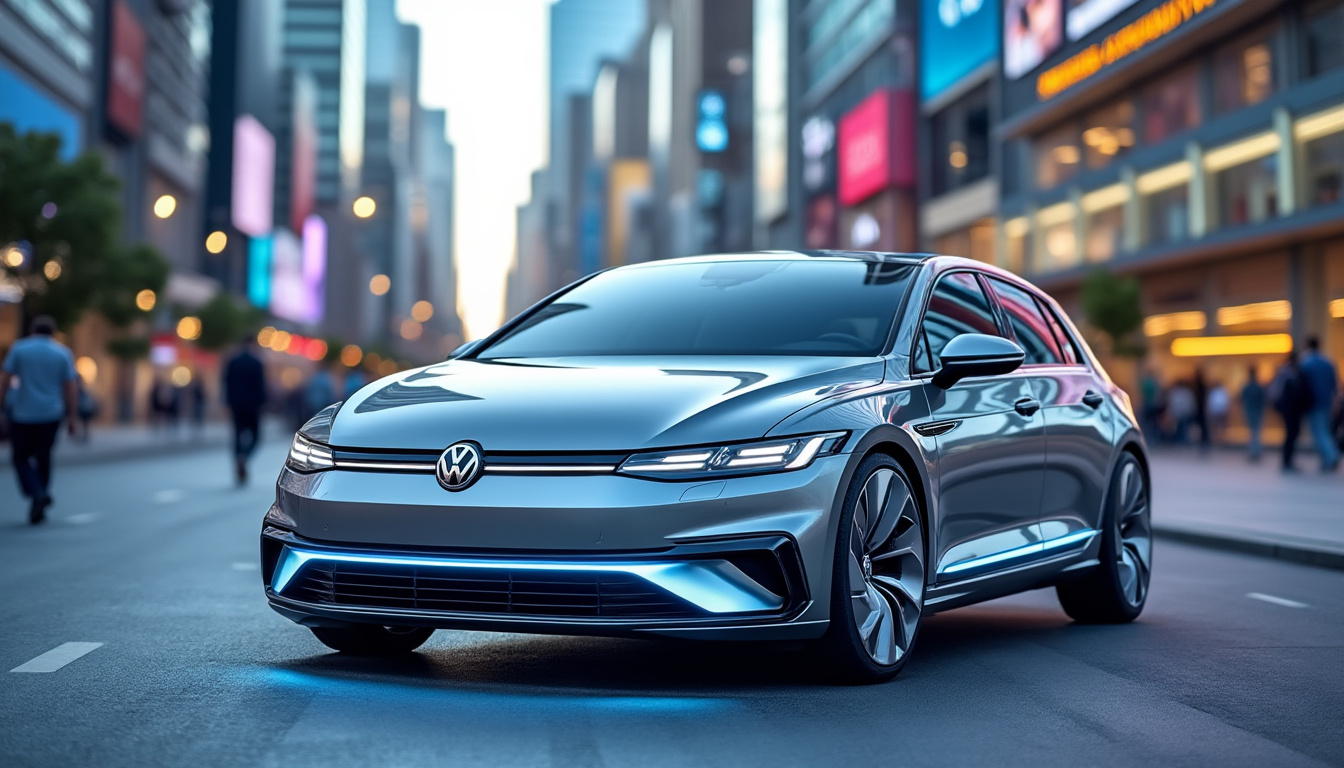
The Golf plug-in hybrid exists in two versions: 204 horsepower for the more sensible, and 272 horsepower for those thrill-seekers who want to drive without guilt. The thermal engine, a 1.5 TSI, works in tandem with a supercharged electric machine. This one can even unleash a temporary power of up to 116 horsepower, just to send consumption spinning when the road calls for horsepower under the hood. But hold on tight: despite this impressive torque, consumption in hybrid mode remains ridiculously low, only 1.8 liters per hundred kilometers for the base model, which would almost make SUV drivers appear as self-proclaimed gluttons. However, beware not to overlook the irksome detail: driving all day with a drained battery is like eating sushi past its expiration date. Overconsumption follows, painfully reaching 6 liters per hundred, proof that when technology buries its head in the sand, the fuel budget soars.

The technology of Volkswagen Golf plug-in hybrid: when charging becomes a competition
When it comes to charging, Volkswagen hasn't skimped. Let’s face it, in 2025, there's no time to waste watching the kettle boil. The Golf plug-in hybrid now accepts fast charging at up to 50 kW, which can recharge the battery from 10 to 80% in just 26 minutes. That’s quicker than the cooking time of a good British roast beef — which, let’s agree, is no small feat. But this technical achievement comes at a cost: charging at a public station can rise to around twelve euros per session, slightly breaking the eco-friendly charm for your wallet. The less painful solution remains home charging, for about 5 euros, provided you activate the right time slot — because electricity has become as temperamental as a diva on stage.

Comfort and space: the truth behind technological luxury
Let’s not kid ourselves: adding a square battery beneath the back seat also takes a toll on available space. The Golf loses 200 liters of trunk volume, instantly transforming the carrying capacity into a daily game of Tetris. The other kick in the teeth: the suspensions had to be stiffened to counterbalance this extra weight. Result? On chaotic routes, you feel every bump like a mocking wink from the car to its occupants. On the beautiful road, however, it behaves almost aristocratically. Essentially, the Golf plug-in hybrid gives the impression of a gentleman who has had a bit too much whisky: charming, but sometimes a bit stiff.
Volkswagen Golf plug-in hybrid: the choice of reason or the astronaut wallet?
At 48,800 euros for the 204 hp version and 53,530 euros for the 272 hp GTE, the Golf plug-in hybrid does not hide its ambition — that of snagging a share of a market where fuel economy and the trend towards green energy become massive selling points. However, faced with compact cars like the Peugeot 308 Plug-in Hybrid or the Mercedes A-Class 250e, the German bruises a bit too hard at the wallet’s door. Nevertheless, Volkswagen hopes to sell up to 20% of its Golfs in this version, proving that the welcome is far from cold. The question remains whether customers are ready to invest in this technological innovation with a pronounced flavor of social status, or will they turn a blind eye to adopt a less expensive, but also less green model. Who would have thought that the quest for a clean car would turn into a true financial balancing act?
For those interested in more technical details or seeking expert advice on recent reforms of penalty thresholds and on the opportunities offered by super hybrids, resources abound. This old, hypertrophied journalist with irony is not about to stop grumbling — but after all, a Golf is made to roll, not to take a nap in the parking lot.
Source: www.quechoisir.org
Si vous souhaitez lire d'autres articles tels que Discovering the Volkswagen Golf plug-in hybrid: our first impressions, consultez la catégorie Uncategorized.
Leave a Reply
Articles relatifs