The essential electric and hybrid cars of the year

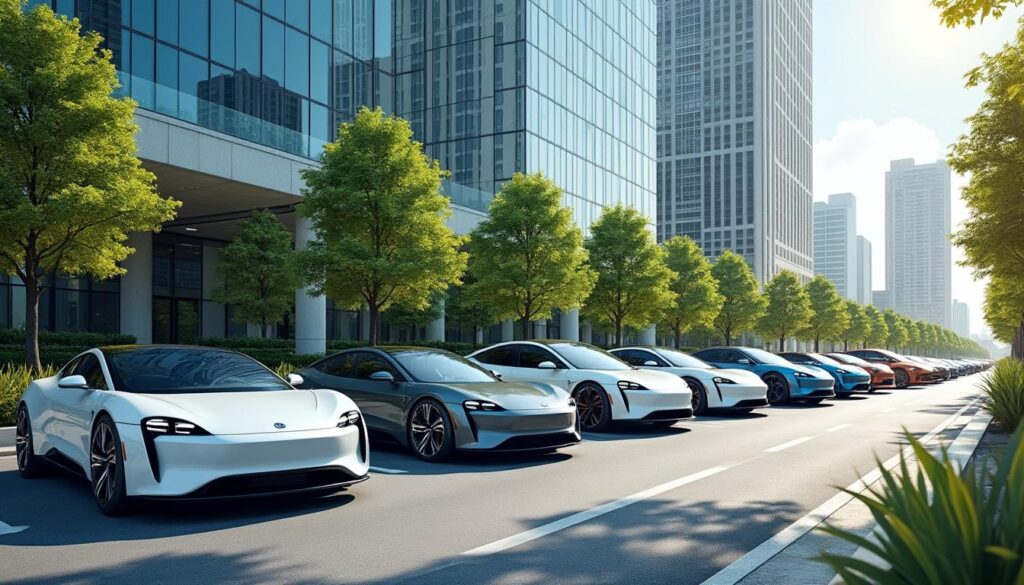

The automotive sector is undergoing a major transformation with the emergence of electric and hybrid vehicles, which are taking an increasingly important place in the market each year. By 2025, many models stand out due to their technological innovations, positive environmental impact, and growing popularity among consumers. Major brands such as Tesla, Renault, Nissan, Audi, and BMW are engaged in a fierce battle to offer models that are both high-performing and environmentally friendly. This article explores current trends, standout models, and the challenges posed by this energy transition.
The current landscape of electromobility
In recent years, the electric and hybrid vehicle sector has experienced a true revolution. Automakers are adapting their offerings to meet a growing demand for greener vehicles. By 2025, the market is marked by an impressive diversity of models, ranging from city cars to SUVs, including luxury vehicles. The Automotive and Motorcycle Media Association (AMAM) has recorded nearly 26 different electrified car models competing for this year's eTrophies. This reflects the vitality and enthusiasm surrounding the sector.
Fully electric cars are particularly popular due to their constantly improving range. Moreover, plug-in hybrid vehicles (PHEV) attract those who want to combine the benefits of electric power with the flexibility of a thermal engine. Thus, many consumers are now considering investing in these environmentally friendly models. Several factors explain this enthusiasm:
- Fuel economy: The savings achieved by drivers with hybrid and electric cars are significant, particularly due to government aids and tax incentives.
- Increased range: Technological advancements in battery systems allow for greater range for electric cars, as demonstrated by the Tesla Model 3.
- Reduced energy consumption: By 2025, new vehicles such as the Hyundai Ioniq 5 and the Kia EV6 display impressive energy performance, making a tangible contribution to the fight against climate change.
Key trends in electric vehicles
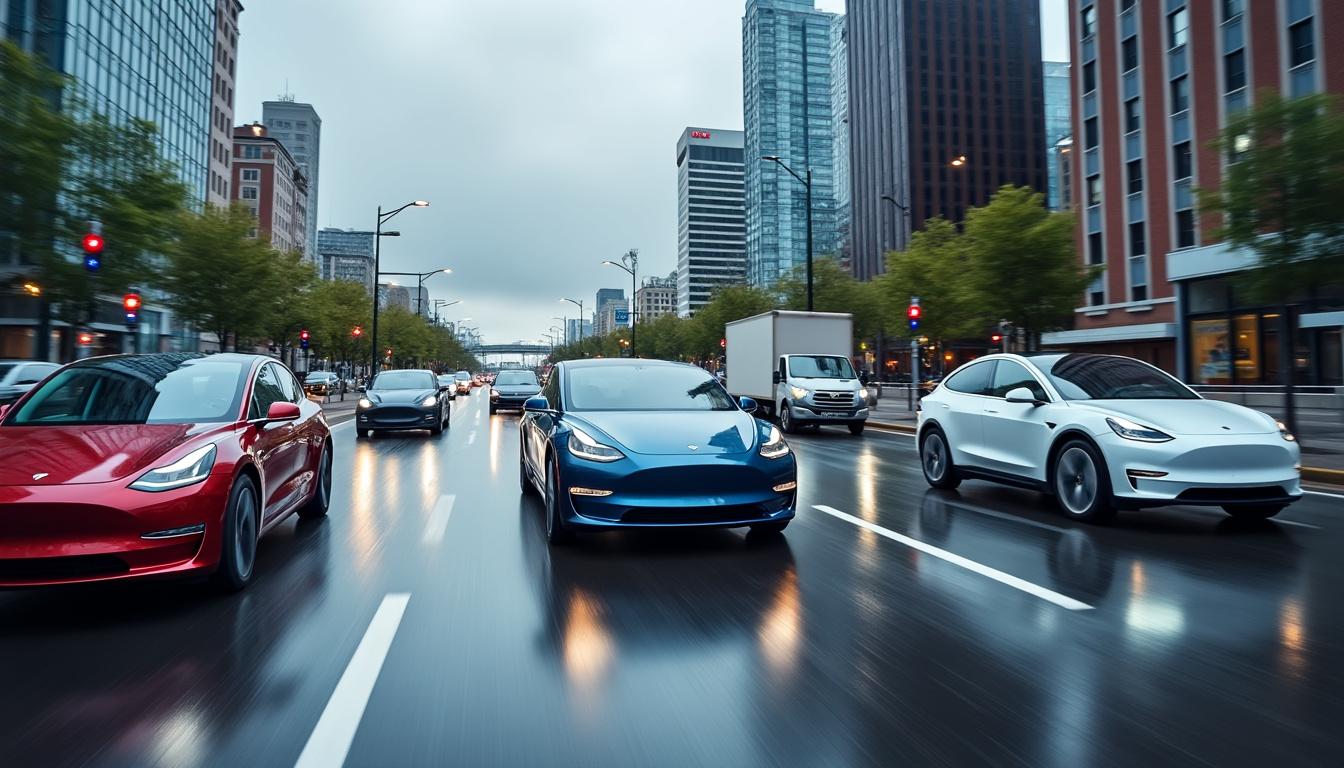
The automotive landscape is evolving rapidly, notably thanks to several key trends:
- Advanced technology: Recent advancements in battery and electric motor technology enhance efficiency and maintenance.
- Connectivity and digitalization: Modern cars integrate high-end information and entertainment systems, thus facilitating connections to phones and other smart devices.
Recently, a report showed that 65% of French consumers are seriously considering purchasing an electric vehicle within the next two years, a number that reflects the scale of this momentum. Brands are striving to meet this growing demand by launching innovative models like the Volkswagen ID.4 or the Peugeot e-208, which appeal with their design and performance.
| Brand | Model | Type | Range (km) | Approximate Price (€) |
|---|---|---|---|---|
| Tesla | Model Y | Electric | 500 | 56,000 |
| Renault | Megane E-Tech | Electric | 450 | 39,000 |
| Nissan | Ariya | Electric | 500 | 55,000 |
| Audi | Q4 e-tron | Electric | 520 | 45,000 |
| BMW | iX3 | Electric | 460 | 68,000 |
The big winners of the 2025 eTrophies
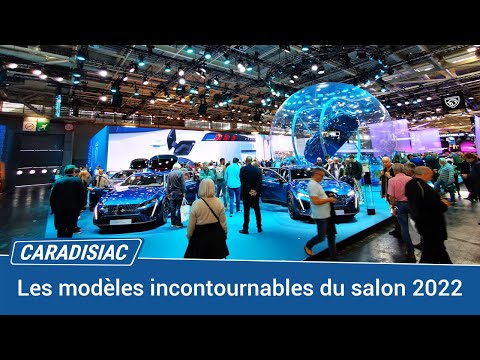
At the end of the 2025 eTrophies, several models stood out for their performance, technology, and environmental impact. This competition, which took place after long hours of testing and evaluation, rewarded brands that managed to innovate and impress the jury. The results once again reveal the diversity and impact of the players present in the market.
Here is an overview of the models awarded in different categories of electric, plug-in hybrid, and hybrid vehicles:
- Best Electric:
- 3rd: Audi A6
- 2nd: Kia EV3
- 1st: Skoda Elroq
- 3rd: Audi A6
- 2nd: Kia EV3
- 1st: Skoda Elroq
- Best PHEV:
- 3rd: Toyota CH-R
- 2nd: Audi A3
- 1st: Volkswagen Golf
- 3rd: Toyota CH-R
- 2nd: Audi A3
- 1st: Volkswagen Golf
- Best HEV:
- 3rd: Suzuki Swift Allgrip
- 2nd: Honda HRV
- 1st: Dacia Bigster
- 3rd: Suzuki Swift Allgrip
- 2nd: Honda HRV
- 1st: Dacia Bigster
The jury’s favorite
This year, the Jury’s Favorite award was awarded jointly to the MG Cyberster, an innovative electric roadster, and the Alpine A290, which managed to charm the jurors with its bold design and remarkable performance.
These awards highlight not only the quality of the vehicles but also the commitment of manufacturers to meet the expectations of an increasingly environmentally conscious clientele. In a constantly evolving world, combining performance, aesthetics, and eco-responsibility has become imperative for brands.
| Category | 3rd Place | 2nd Place | 1st Place |
|---|---|---|---|
| Electric | Audi A6 | Kia EV3 | Skoda Elroq |
| PHEV | Toyota CH-R | Audi A3 | Volkswagen Golf |
| HEV | Suzuki Swift Allgrip | Honda HRV | Dacia Bigster |
| City Car | Citroën ë-C3 | Alpine A290 | Renault 4 e-tech |
The future of electromobility: challenges and innovations
As electrification becomes paramount for manufacturers, several challenges and innovations are on the horizon. Major brands such as Mercedes-Benz, Volkswagen, and Nissan are investing heavily in the research and development of new technologies aimed at improving charging systems, battery lifespan, and the durability of materials used.
Innovations in battery technology, such as new solid electrolyte cells, promise increased range and reduced charging time. Companies are also focusing on battery recycling, providing a sustainable solution to the raw material issue. Indeed, the lithium shortage, an essential component of electric batteries, poses a major challenge. Manufacturers are seeking alternatives to diversify their supply sources.
Collaboration opportunities
Strategic alliances among various players in the automotive industry, tech companies, and start-ups are on the rise. This cooperation accelerates innovations in diverse fields by integrating advanced technologies such as artificial intelligence systems for autonomous driving.
Companies like BYD and Xiaomi are also investing in the electric vehicle sector, promising to make these models even more accessible and attractive to the general public. These initiatives are promising but require continuous attention to ensure sustainable development.
- Training and awareness: The public must be informed about the benefits and use of electric vehicles to overcome any lingering skepticism.
- Charging infrastructure: The development of a fast and extensive charging network is essential to support the transition to electric vehicles.
- Incentive policy: Governments must create a legislative framework that encourages the purchase of electric vehicles while increasing taxes on thermal vehicles.

State of play regarding charging stations in France
Despite notable advances in the development of electric vehicles, the charging infrastructure remains an important issue. By 2025, France has made considerable progress, with a growing number of charging stations, but there is still a long way to go. The AMAM report emphasizes that access to charging points is paramount for the widespread adoption of electric vehicles. As mentioned in a very relevant article, the number of charging points needs to increase to meet the growing demand from drivers.
Regional and national initiatives are intensifying to ensure widespread access to charging stations, especially in rural and suburban areas. By 2025, France has nearly 90,000 charging points, which is a significant advancement, but insufficient compared to the goal of reaching 200,000 points by 2030.
The different types of charging points
There are several categories of charging points, adapted to various situations and user needs:
- Normal charging points: They allow for slow charging, often installed in residential parking lots or workplaces.
- Fast charging points: Designed for faster charging, often located along main roads.
- Very fast charging points: Intended for reduced charging times, ideal for long-distance trips.
| Type of point | Power (kW) | Charging time (minutes) | Usage |
|---|---|---|---|
| Normal | 3-7 | 240-480 | Residences, parks |
| Fast | 22-50 | 30-60 | Main roads |
| Very fast | 100-350 | 10-30 | Long-distance travel |
Si vous souhaitez lire d'autres articles tels que The essential electric and hybrid cars of the year, consultez la catégorie Non classé.
-
Liora Merin says:
Les voitures électriques sont l'avenir, mais il faut améliorer les infrastructures de recharge.
-
Les voitures électriques sont vraiment l'avenir. J'adore leur efficacité et leur impact positif sur l'environnement.
-
L'électromobilité est vraiment passionnante ! J'adore voir ces nouvelles technologies s'améliorer chaque année.
-
J'adore ces nouvelles voitures électriques. Elles sont vraiment impressionnantes et bonnes pour l'environnement !
-
C'est vraiment impressionnant de voir autant de modèles électriques innovants sur le marché.
Leave a Reply to Solenn Verdant Cancel reply
Articles relatifs