persistent misconceptions about electric vehicles

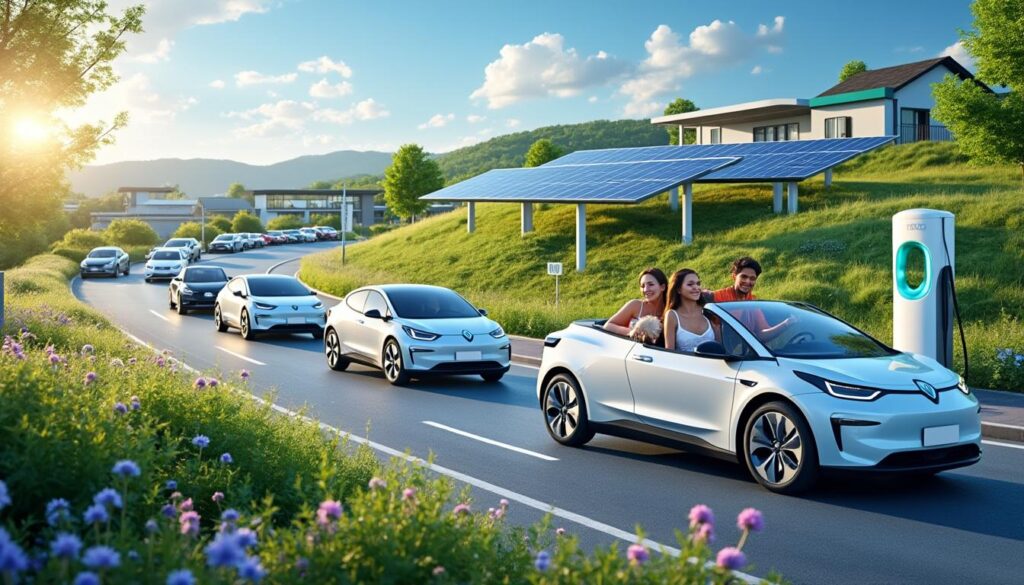

In recent years, electric vehicles (EVs) have gradually made their mark in the automotive market. They represent an attractive alternative to traditional internal combustion vehicles, especially in the context of the fight against climate change. However, this transition to electric is often hindered by a multitude of misconceptions surrounding these automobiles. It is extremely important to explore these beliefs, as they influence not only purchasing decisions but also the acceptance of sustainable mobility technologies.
Misconceptions About Electric Vehicles: An Obstacle to Adoption
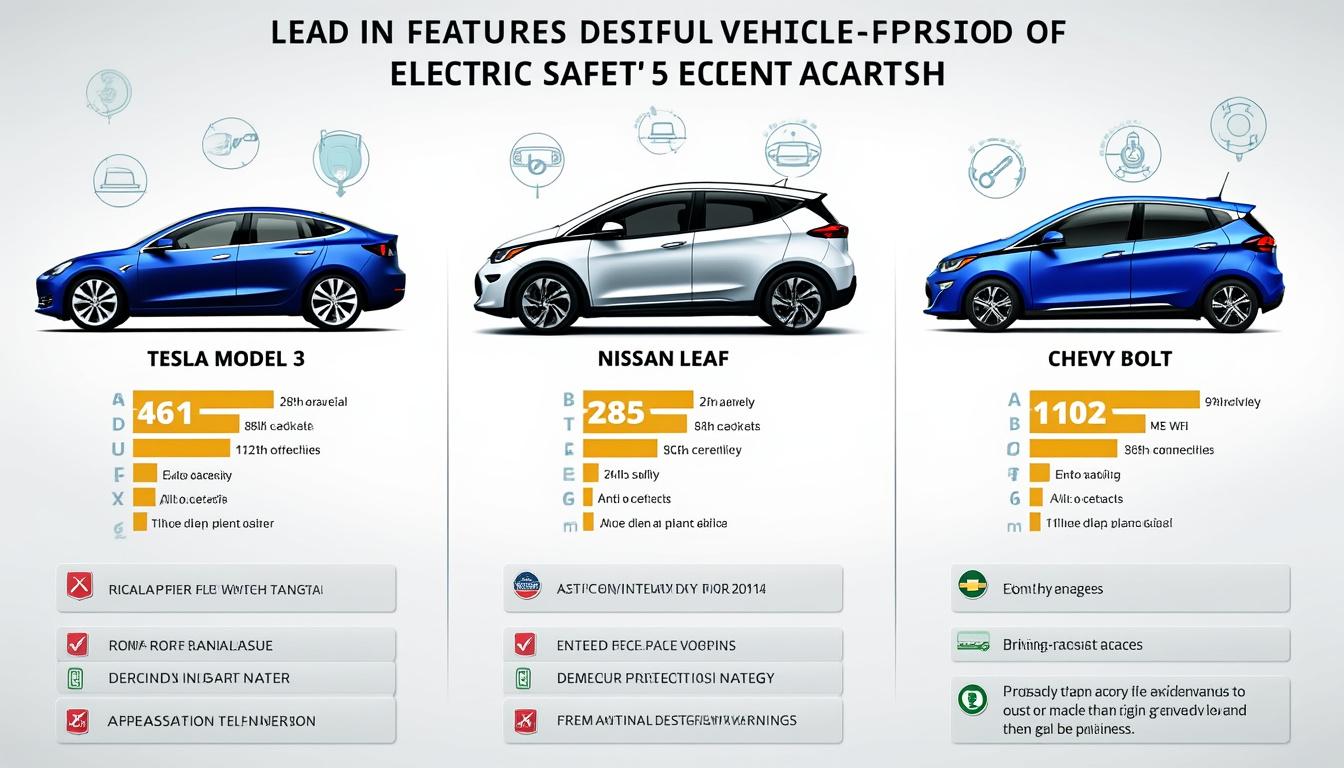
A widely held belief is that electric cars are more dangerous than gasoline cars. Surveys conducted have revealed that a significant part of the population believes that EVs, due to their batteries, pose a higher fire risk. However, the reality is quite different. Studies show that actual fire incidents involving EVs are rare and often similar to or even lower than those of combustion cars.
Perception of Risk:
The myth that an electric car is more prone to fire than traditional vehicles primarily comes from a few highly publicized cases. Past incidents have been widely reported, often without context, fueling unjustified fear.
- In reality, electric vehicles like those from Tesla, Renault, or Nissan are subjected to rigorous safety standards.
- Fires related to electric vehicles are often overestimated compared to those of internal combustion cars.
- Organizations such as the IIHS (Insurance Institute for Highway Safety) have shown that EVs are often rated better in terms of safety.
In 2022, it was noted that Tesla vehicles recorded a much lower accident rate compared to combustion vehicles, proving that perception does not always match reality.
Influence of Media and Misinformation:
The media play a crucial role in disseminating misconceptions. When information regarding incidents involving electric vehicles is reported, it tends to evoke emotions and reinforce biases.
In reality, research indicates that misinformation has significant effects. A recent study revealed that the majority of individuals with conspiratorial thinking were more likely to believe erroneous claims about electric vehicles.
| Type of Vehicle | Incident Rate (per 1000 vehicles) | Perception Percentage |
|---|---|---|
| Electric Vehicles (Tesla, Renault, etc.) | 0.2 | 45% |
| Internal Combustion Vehicles (Volkswagen, BMW, etc.) | 0.5 | 30% |
These erroneous perceptions add a layer of complexity to the acceptance of electric vehicles and hinder the transition to more sustainable modes of transport.
The Environmental Impact of Electric Vehicles: Between Reality and Myths
Another persistent myth is that electric vehicles pollute more than gasoline cars when considering the entire life cycle, including battery manufacturing. This argument is used by some detractors to counter the rising popularity of electric vehicles.
The Life Cycle of Vehicles:
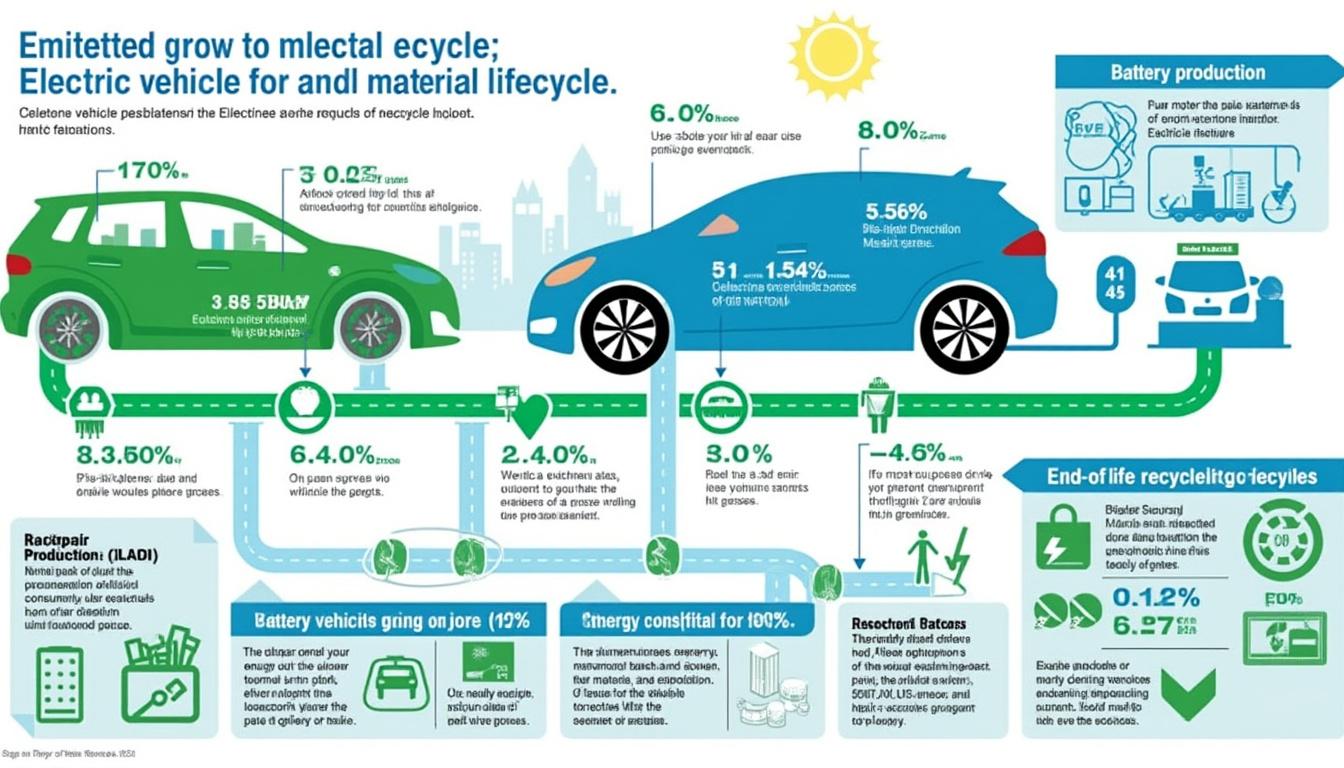
It is important to examine each step, from manufacturing to usage, to evaluate the environmental impact. This cycle includes:
- Resource Extraction: Electric batteries require minerals, which can contribute to pollution and deforestation.
- Manufacturing: Battery production is energy-intensive, but the CO2 emissions generated are offset by efficiency gains during use.
- Usage: In use, the electric car generates fewer emissions than conventional vehicles, especially when electricity comes from renewable sources.
- End of Life: Batteries can be recycled and reused, providing a second life that reduces their ecological footprint.
It becomes evident that as battery production technology becomes greener, the life cycle of electric vehicles is increasingly portrayed in a positive light.
Climatological Data:
According to the International Energy Agency, electric cars can reduce CO2 emissions by 50% compared to gasoline cars over their entire lifespan. 2022 data shows that the transition to electric could contribute to a reduction of 2.4 billion tons of CO2 by 2040. This underscores the importance of electric vehicles in the fight against climate change.
| Point of Comparison | Electric Vehicles | Internal Combustion Vehicles |
|---|---|---|
| CO2 Emissions per km | 40 g | 120 g |
| Recyclability Rate | 80% | 20% |
The social distinction surrounding the environmental impact of electric vehicles is crucial for their acceptance and the acceleration of the energy transition.
Costs and Savings Associated with Electric Vehicles
The perception of the cost of electric vehicles is often a subject of debate. Many consumers still think that the purchase price of an electric vehicle is prohibitively high compared to an internal combustion vehicle. However, this point deserves examination.
Cost Analysis:
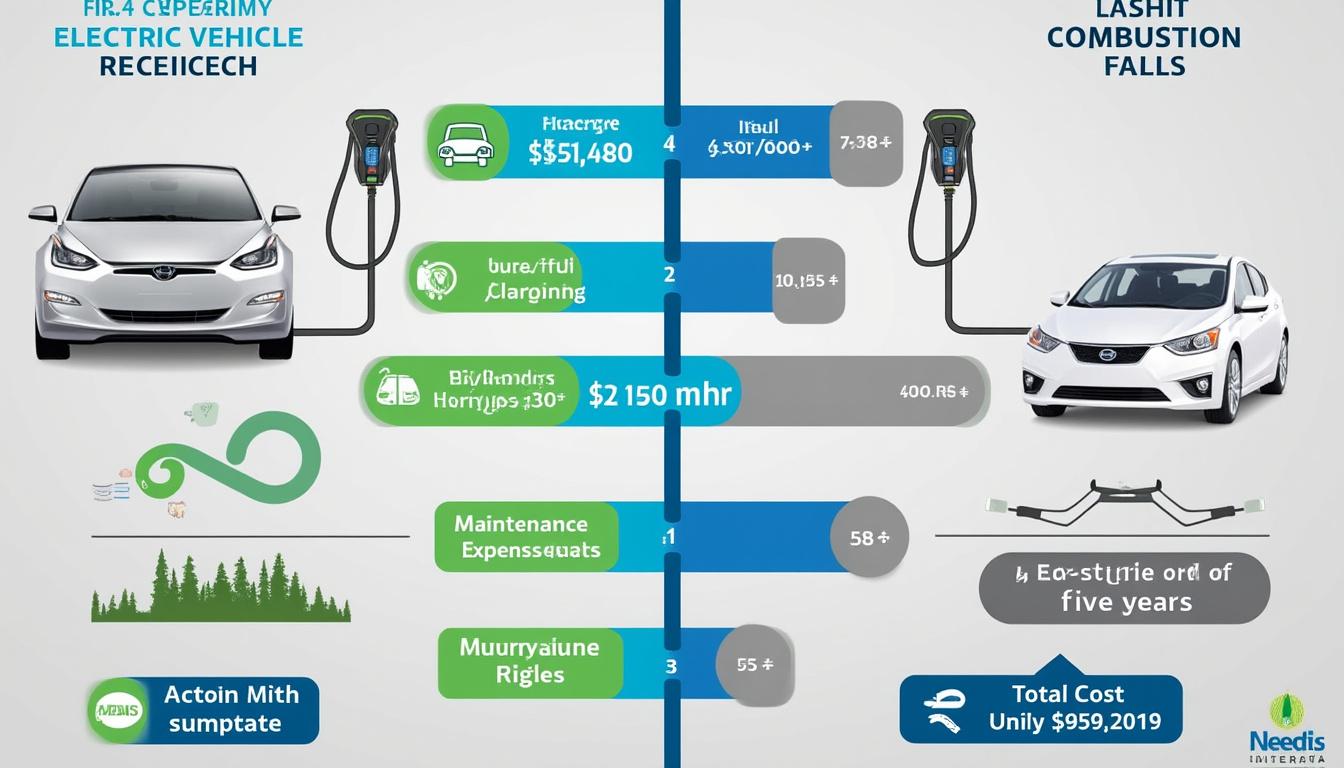
Several elements need to be taken into account when comparing the costs of electric and internal combustion vehicles:
- Initial Purchase Price: Many brands such as BMW, Peugeot, and Hyundai now offer electric models at competitive prices.
- Maintenance Costs: Electric vehicles have fewer moving parts and thus require less maintenance.
- Energy Costs: Electricity to charge batteries is often cheaper than gasoline or diesel, leading to substantial long-term savings.
- Government Grants and Subsidies: Many countries offer financial incentives for the purchase of electric vehicles, thereby reducing their initial cost.
Long-Term Savings:
A cost of ownership table for vehicles shows that there is a clear distinction between owning an internal combustion vehicle and an electric vehicle. A study conducted by a research organization found that the total ownership costs of an electric vehicle can be up to 30% lower compared to a gasoline vehicle over a five-year period.
| Type of Vehicle | Purchase Cost (in €) | Maintenance Cost (over 5 years in €) | Total Cost (over 5 years in €) |
|---|---|---|---|
| Electric Vehicle | 38,000 | 1,500 | 43,500 |
| Internal Combustion Vehicle | 35,000 | 3,500 | 48,500 |
These figures embody the potential economic gains associated with the transition to electric transportation.
Charging Infrastructure: A Major Challenge or an Opportunity?
One of the main barriers to the adoption of electric vehicles is the limited access to charging infrastructure. Many consumers hesitate to purchase EVs due to concerns about insufficient electricity while on the go. However, this is changing.
Infrastructure Development:
Each year, the number of charging stations increases. Several major brands such as Audi, Volkswagen, and Citroën are investing heavily in the creation of charging networks. Government initiatives are also contributing to this development.
- A study conducted in 2023 revealed that the number of charging stations in urban areas increased by 150% compared to the previous year.
- Fast charging networks are also beginning to become widespread, allowing for quicker charging times.
- New partnerships between private companies and governments are forming to improve access to these infrastructures.
Advantages of Charging Networks:
As these infrastructures develop, they offer significant advantages to consumers. With easier access to charging stations, the number of individuals willing to adopt EVs increases. Moreover, this enhances the overall perception of electric vehicles, tilting the balance towards acceptance.
| Type of Charging | Charging Time | Cost per Charge (in €) |
|---|---|---|
| Standard Charging | 8 hours | 5 |
| Fast Charging | 30 minutes | 10 |
| Ultra-Fast Charging | 15 minutes | 15 |
These new infrastructures pave the way for increased adoption of electric vehicles, a crucial step towards sustainability.
The Future of Electric Vehicles: Towards a New Era
Electric vehicles hold the future of sustainable mobility. As sales increase, it is crucial to be aware of the misconceptions that may hinder their adoption.

Innovation and Technology:
Technological advancements continue to transform the landscape of electric cars. Brands like Hyundai, Opel, and BYD are investing in research and development to improve efficiency, range, and reduce production costs.
- Battery technology is rapidly evolving, especially with the emergence of more efficient and environmentally friendly batteries.
- Autonomous electric vehicles are also beginning to emerge, adding an additional dimension to the appeal of these vehicles.
- Electric vehicle sharing platforms are emerging, providing attractive sustainable mobility options for consumers.
Reflection on the Future:
It is imperative to educate and demystify biases around electric vehicles, whether they concern safety, environmental impact, or costs. Public awareness and education are key components to ensuring successful adoption.
A climate of trust must be established to unlock the potential of electric vehicles in the fight against climate change and for our shared future. To learn more, you can consult sources like GT Automotive, which explore and combat these misconceptions with objective analyses.
Si vous souhaitez lire d'autres articles tels que persistent misconceptions about electric vehicles, consultez la catégorie Non classé.
Leave a Reply
Articles relatifs