In China, ingenious motorists are diverting electricity to charge their electric cars

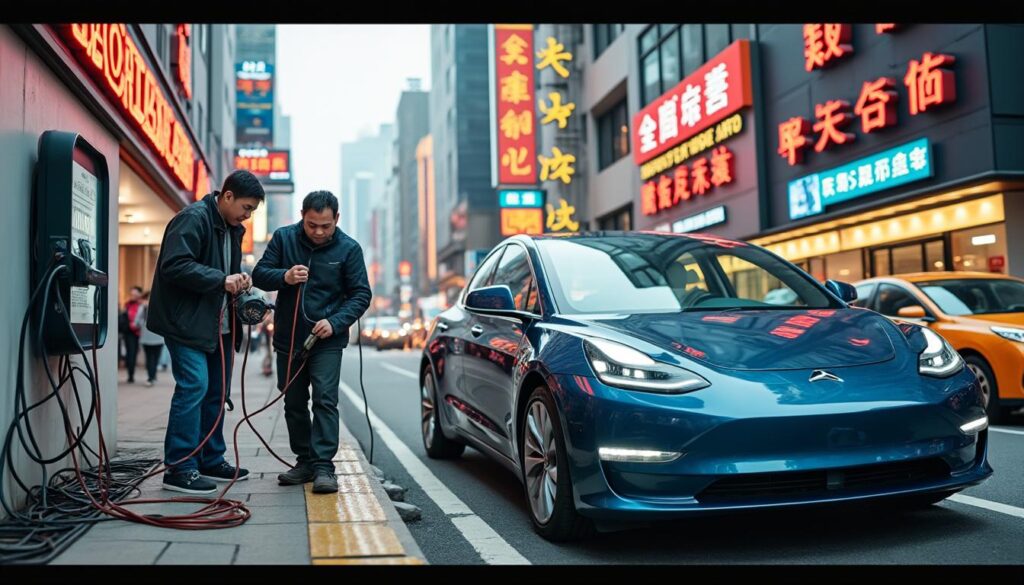

China is at the forefront of innovation in the field of electric vehicles. However, this technological advancement has also led to questionable practices, where some drivers exploit systems designed to facilitate access to energy. In this complex reality, companies like Nio, Tesla, and BYD are trying to navigate between innovation and abuse. The rapid evolution of this market raises questions about ethics, regulation, and the future of electric vehicles in China.
Misused practices surrounding battery swapping
Nio has revolutionized the electric vehicle market by introducing a battery swapping system. While other manufacturers, like Tesla, focus on traditional charging, Nio enables its users to quickly replace their depleted battery with a charged one in just a few minutes. This service, which was initially unlimited for many users, has now been exploited for various purposes.
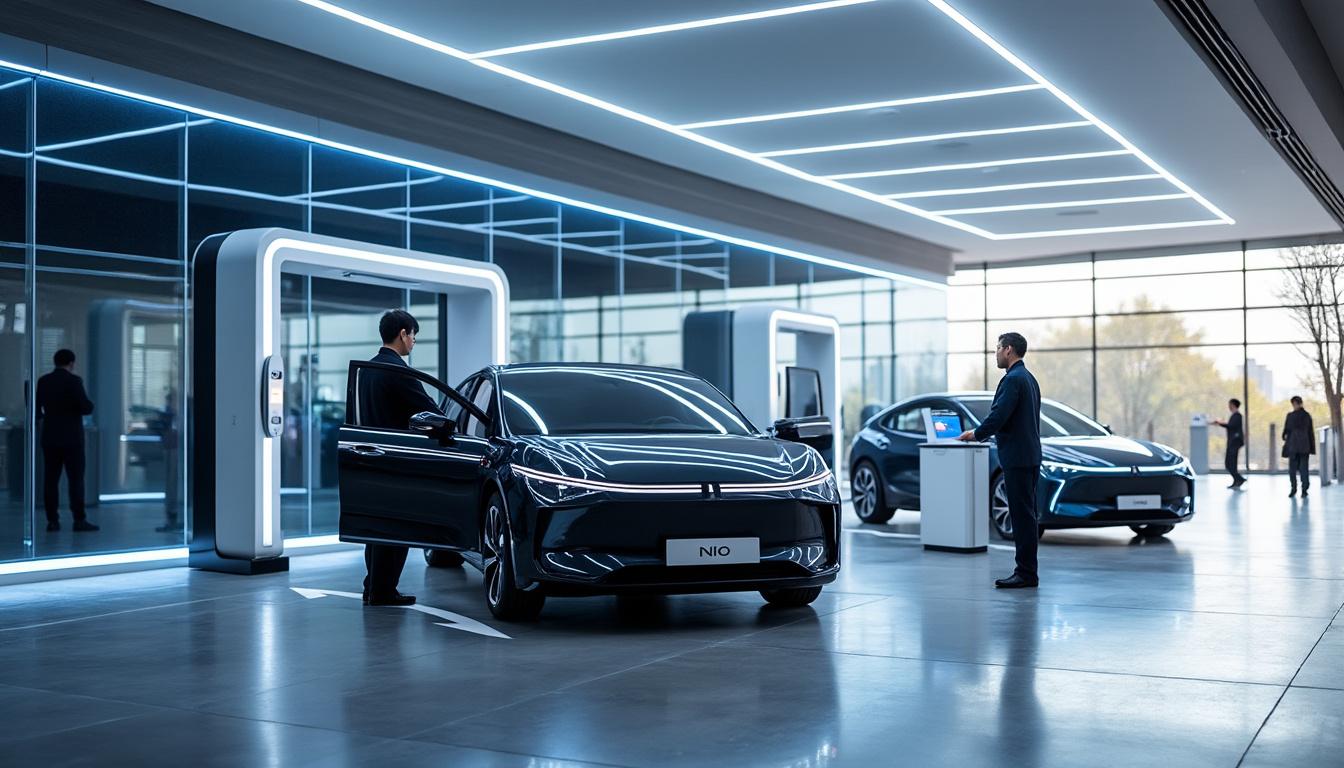
How does Nio's battery swapping system work?
Nio's system relies on an infrastructure of stations capable of replacing a car's battery in record time. This approach aims to eliminate the waiting period often associated with traditional charging stations. When a driver detects that their battery is low, they can reserve a swapping station via the car's screen, and upon arrival, a robot automatically performs the replacement efficiently.
- Reduction of waiting time
- Access to fully charged batteries
- Simplicity of use with integrated reservation
Abuses disrupting the economic model
However, this model is not without its excesses. Some users exploit this system for various lucrative activities. The abuses extend to transforming Nio vehicles into electricity generators or unregistered taxis, which threatens the economic viability of the stations. In response, Nio has launched a reporting campaign within its application, allowing users to report these behaviors.
| Type of abuse | Description |
|---|---|
| Passenger transport | Using the car as an unauthorized taxi. |
| Delivery of goods | Exploiting batteries for delivery services. |
| Charging other vehicles | Using V2G to share energy with other electric vehicles. |
These practices have not only impacted user trust in Nio but also their economic model, making a revision of their policies necessary. Despite attempts to limit access to batteries, abuses persist, highlighting an urgent need to adapt to market realities.
The challenges of sustainable and ethical production
With the rise of electric vehicles, the question of energy sustainability is pressing. China, due to its reliance on coal for electricity production, faces severe environmental implications. Electric vehicles, while seen as a solution to pollution problems, consume a significant share of energy produced in a polluting manner.
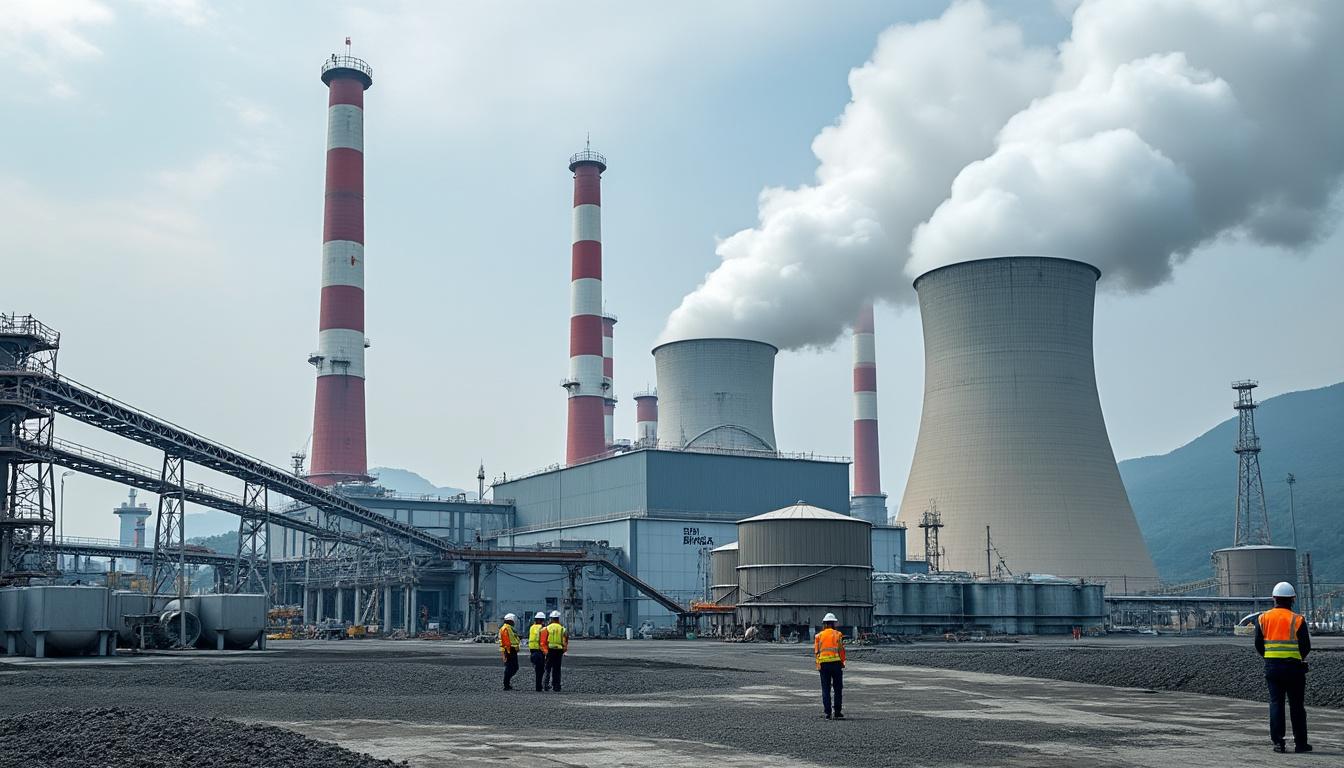
The environmental impact of electric vehicles
Although electric vehicles produce fewer emissions when in circulation, their carbon footprint can be minimized with a clean energy source. However, with the current energy mix in China, the paradox is glaring: the more the demand for electric vehicles increases, the greater the environmental impact related to their production and loading.
- Pollution from mining raw materials
- Carbon emissions from coal-fired power plants
- Management of end-of-life battery waste
Improvement efforts and new regulations
To counter these nuisances, the Chinese government is imposing stricter regulations on electricity production and encouraging the development of renewable energy. Companies like BYD, Geely, and Xpeng are beginning to explore innovative solutions to reduce their carbon footprint. These initiatives aim to make the transition to electric not only economically viable but also ecologically sustainable.
| Company | Initiative |
|---|---|
| BYD | Investment in solar and wind energy. |
| Geely | Partnerships with renewable energy companies. |
| Xpeng | Development of recyclable batteries. |
These efforts reflect a common desire to address sustainability issues in the automotive industry. By integrating more environmentally friendly practices, these companies also strengthen consumer trust, as consumers become increasingly aware of the ecological impact of their choices.
Alternatives to electric vehicles: a competitive landscape
As demand for electric vehicles surges, the market is experiencing increasing competitive pressure. Traditional brands like Renault, Peugeot, BMW, and Volkswagen are also engaging in this electrifying race, attempting to attract a new audience while adhering to strict environmental standards.
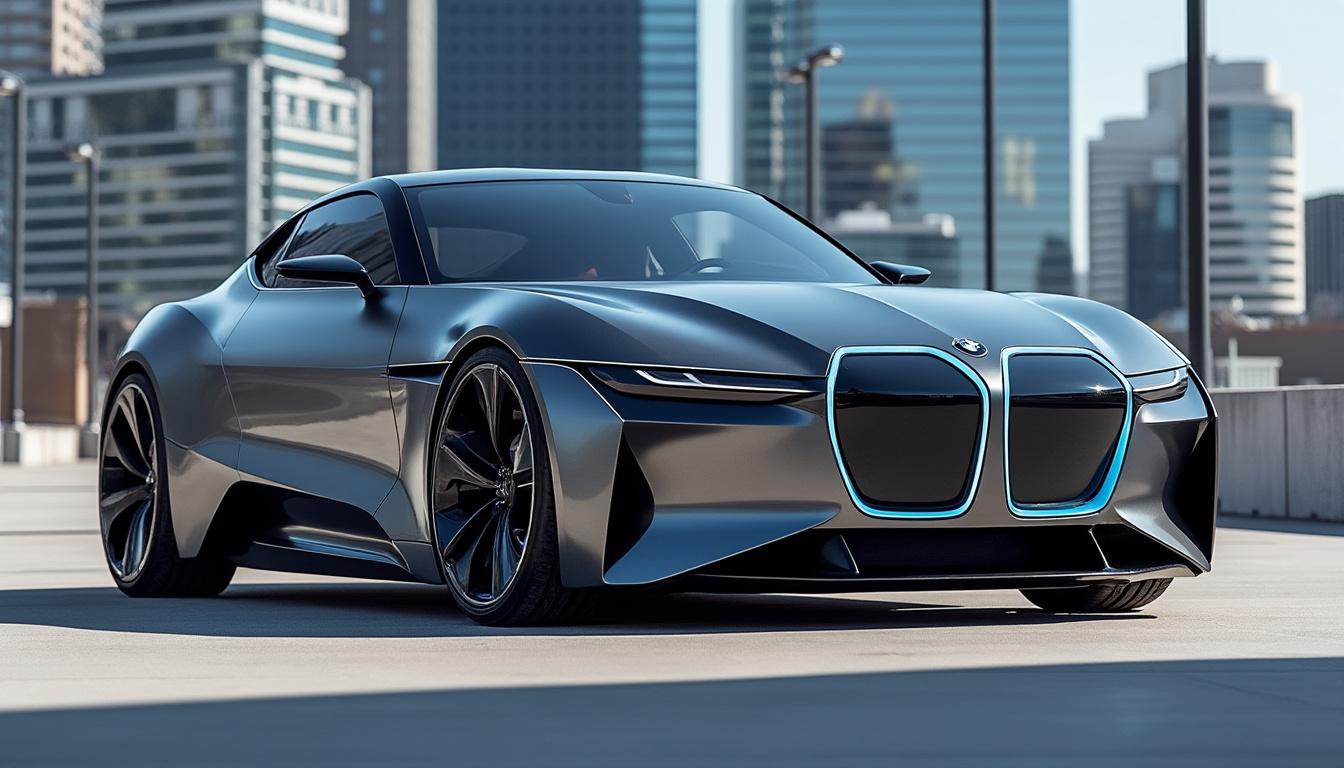
Electrification of traditional brands
Automakers not specialized in the electric segment are adapting their offerings to remain competitive. For example, Volkswagen has launched its ID brand for its electrified models, while promising a transition to more sustainable vehicles.
- Renault: launch of the electric ZOE range
- Peugeot: development of the e-208 series
- Audi: strengthening its climate commitment
Challenges to overcome for a successful transition
The transition to electric vehicles is not without challenges. The need to create a robust charging infrastructure and implement regulations that promote fair competition are critical aspects. Additionally, consumers must be convinced of the advantages of electric vehicles over thermal models, requiring effective information and awareness campaigns.
| Challenge | Potential solution |
|---|---|
| Limited charging infrastructure | Increasing investments in public charging stations. |
| Customer reluctance toward electric vehicles | Awareness campaigns on ecological impact. |
| High initial purchase cost | Government funding and subsidies. |
As companies become aware of these challenges, they strive to reinvent their business models to meet new demand. The evolution of the electric vehicle market could lead citizens and businesses toward a future where electromobility is not just a trend but a standard.
Regulation in the face of misuse
As the electric vehicle market continues to evolve, regulation becomes crucial to curb abuses and protect companies from unfair practices. The case of Nio highlights the need for regulation adapted to market realities. The Chinese Ministry of Industry has announced reforms to control these new uses.
The new laws under consideration
Recent reforms aim to restrict unauthorized vehicle use. This dynamic could involve limits on the number of battery swaps per month, fines for abusive use of services, or even restrictions on the use of certain technologies like V2G. These measures seek to protect the integrity of brands while respecting consumer rights.
- Cap on the number of free swaps
- Fines for system abuse
- Increased controls on the use of spare batteries
Toward a more balanced management
Regulatory changes should not sacrifice innovation. A legislative framework that promotes innovation while protecting the rights of businesses and market players is essential. The challenge lies in finding a balance between curbing system abuses and preserving the flexibility and agility that characterize the electromobility sector.
| Measure | Description |
|---|---|
| Limiting free swaps | Blocking the number of swaps to 4 per month. |
| Usage control | Monitoring unauthorized charging to other users. |
| Community monitoring | Application for reporting abuses. |
By enriching regulation, the goal is to clean up the market and ensure fair competition. By promoting innovation while protecting motorists' rights, China could envision a significant advance toward an electric and sustainable future.
Si vous souhaitez lire d'autres articles tels que In China, ingenious motorists are diverting electricity to charge their electric cars, consultez la catégorie Non classé.
Leave a Reply
Articles relatifs