Electric car sales remain steady, but their future is fragile

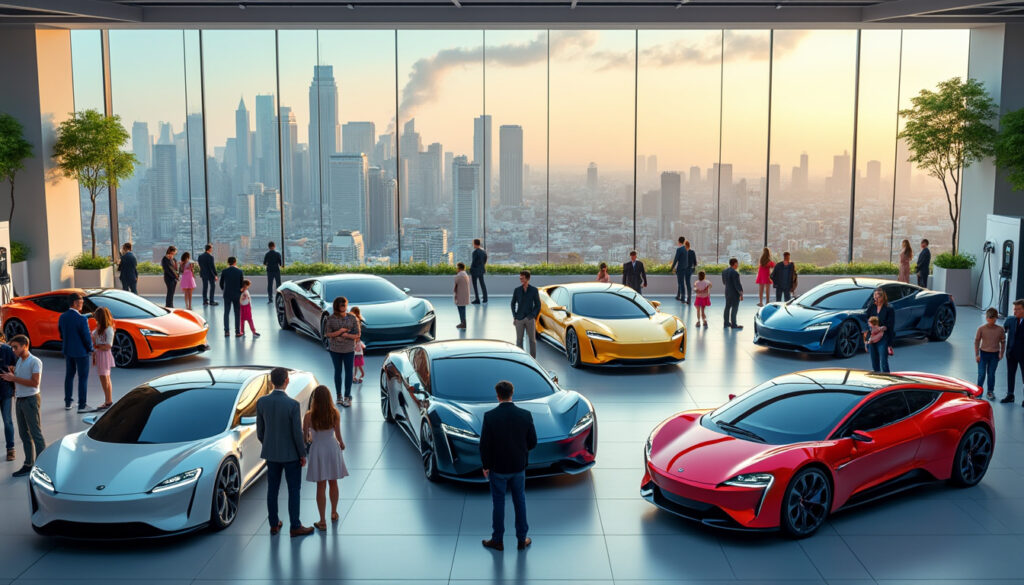

Electric vehicle sales are constantly evolving, and despite significant growth, challenges remain in determining their future. By 2025, the figures are promising, but the fragility of this market raises questions. Various players, from Renault to Tesla, including Volkswagen and Peugeot, are trying to adapt to these changes while meeting the growing demand from consumers.
A rapidly expanding electric vehicle market
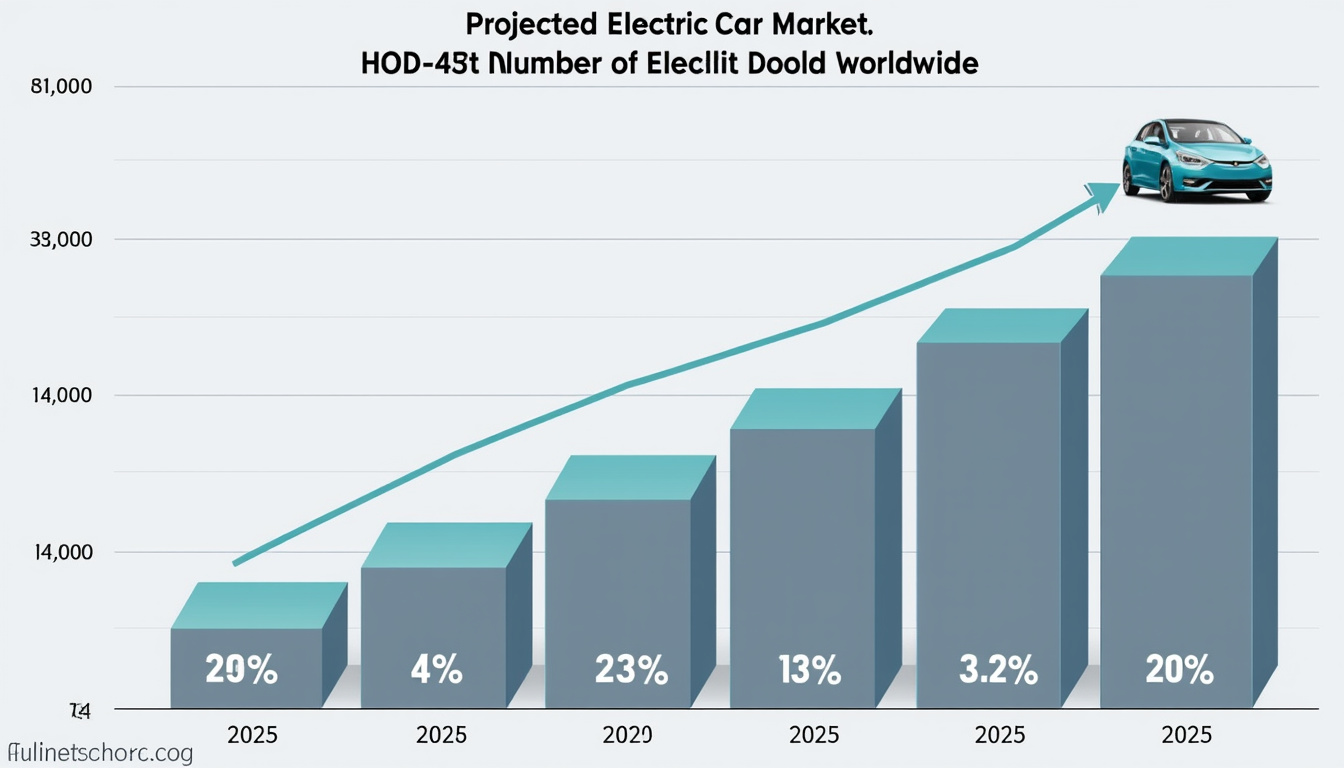
The electric vehicle market has undergone a decisive turning point in recent years. In 2025, the trend is confirmed with a global increase of 29% in sales in April compared to the previous year, representing approximately 1.5 million new registrations. In total, since the beginning of the year, nearly 5.6 million sales have been observed worldwide. This movement is particularly pronounced in China, which alone records more than 3 million units sold.
Traditional brands, as well as new companies, play a crucial role in this growth. Alliances like Renault, Tesla, Nissan, BMW, Volkswagen, and Hyundai have ramped up efforts to electrify their ranges. Here are some examples of how these companies position themselves:
- Renault focuses on popular models, with the R5 and the new Scenic leading French sales.
- Tesla continues to dominate the global market, although its Model Y saw a significant drop in sales in April.
- Volkswagen is innovating to make its models more accessible, particularly through innovative technologies as detailed in this article: Volkswagen and its innovations.
- On the Asian side, Nissan and Hyundai are strengthening their presence with a diversified range of electrified options including 100% electric and hybrid vehicles.
The challenges to overcome for sustainable growth
Despite these encouraging figures, the future of the electric vehicle market is held by fragile threads. Geopolitical tensions, fluctuations in raw materials, and the cost of batteries are all factors that can influence the sustainability of this continuous rise. For example, the tariffs imposed in the United States could hinder the growth of certain brands.
Another major difficulty lies in customer perception. While many people are willing to make the leap to electric mobility, concerns remain regarding range and accessibility of charging infrastructure. The need to expand the network of charging stations is palpable; for example, initiatives like the one presented in this article on expanding charging points, available here: New charging points, aim to address these issues.
| Brand | Worldwide Sales (2025) | Impact of Growth |
|---|---|---|
| Renault | 1.2 million | Leader in France |
| Tesla | 900,000 | Decrease in sales in April |
| Volkswagen | 700,000 | Innovations for accessibility |
| Hyundai | 650,000 | Diversified ranges |
Consumer trends towards electric vehicles
With the increase in sales, it is imperative to look into the evolution of consumer preferences. By 2025, electric vehicles already represent 20% of new car sales in France, placing the country at the heart of this revolution while also raising questions. The growing interest in electric vehicles, however, faces economic and psychological realities. Despite the demonstrated interest, significant gaps exist between purchase intentions and actual sales numbers.
An essential factor to consider is the cost of acquisition. Government subsidies as well as reductions in battery prices, as mentioned in an article analyzing the impact of raw material prices on the market: Impact on sales, play a key role in buyers' decisions. Consumers are also exploring plug-in hybrid models, which serve as an intermediate solution for those hesitant to switch to full electric.

Growing preferences for local brands
In March and April, French brands particularly shone in the market. Indeed, the popularity of local models such as the Renault R5 and the Citroën e-C3 highlights an underlying trend favoring local products. Citroën, for example, with its e-C3, has positioned itself as an essential player, while Peugeot continues to strengthen its presence in the market with vehicles such as the 208 and the 2008.
Foreign brands, although in competition, do not always manage to match this attraction for local manufacturers. Take Tesla as an example: the Model Y, although initially popular, saw a significant drop in April, which could reflect a shift in consumer preferences. Beyond technical performance, the emotional connection played by local brands can influence purchasing decisions.
| Brand | Recent Sales | Main Feature |
|---|---|---|
| Renault | 150,000 | Popular local model |
| Tesla | 80,000 | Advanced technology |
| Citroën | 70,000 | Sensitivity to price |
| Peugeot | 60,000 | Diversity of models |
The challenges of charging infrastructure
To support the rise of electric vehicles, the issue of charging infrastructure is paramount. As demand increases, it is crucial to ensure adequate coverage across the territory. By 2025, too many regions, particularly rural ones, suffer from a lack of charging stations, making the adoption of electric cars less appealing.
Government initiatives are beginning to take shape to rectify this situation, but they still face many challenges. Various private players, such as charging station companies, must collaborate with local administrations to propose viable long-term solutions.
The role of advanced technologies
Technological innovations play a fundamental role in optimizing charging networks. The emergence of fast charging technology, for example, allows for more efficient charging, thereby reducing the time needed to recharge a vehicle. This type of innovation is crucial for combating range anxiety, a significant barrier to the adoption of electric vehicles.
Advancements in battery technology, range, and charging, such as those developed by companies like Audi and Mercedes-Benz, provide interesting solutions. Furthermore, based on experimental or pilot projects, some cities are beginning to experiment with integrated solutions for charging energy vehicles in public spaces.
| Type of charging station | Charging time | Average cost |
|---|---|---|
| Standard station | 6-8 hours | €1000-3000 |
| Fast station | 30-60 minutes | €3000-7000 |
| Ultra-fast station | 20-30 minutes | €7000-15000 |
Future prospects for the electric vehicle market
The evolution of the electric vehicle market is thus at a crossroads, between exceptional opportunities and significant challenges. The year 2025 promises to be rich in lessons for both manufacturers and consumers. The commercial results from the first parts of the year signal growing interest, but the persistence of related issues, such as charging infrastructure, remains concerning.
Consumer expectations, combined with the rapid evolution of technology, shape the commercial landscape. Initiatives in charging ecosystems and the development of new vehicle models are crucial to maintaining the current momentum. As indicated in this article on the deployment of charging stations, vital to support this growth: Charging points.
Brands, from Renault to Hyundai, including Tesla and Audi, must continue to innovate and adapt to meet the expectations of an increasingly demanding clientele. A balance must be found between financial accessibility, technological innovation, and the sustainability of materials used. The road ahead is still long, but the signs are clear: the electric vehicle sector is ready to face the challenge.
Si vous souhaitez lire d'autres articles tels que Electric car sales remain steady, but their future is fragile, consultez la catégorie Non classé.
-
Livia Verden says:
Les ventes de voitures électriques sont prometteuses, mais il reste beaucoup à faire pour améliorer l'infrastructure.
-
L'avenir des voitures électriques semble prometteur, mais il reste encore beaucoup à faire.
-
Les ventes de véhicules électriques sont prometteuses, mais il est urgent d'améliorer les infrastructures.
-
Les ventes de voitures électriques sont impressionnantes, mais il reste encore beaucoup à faire pour réussir.
-
La hausse des ventes est impressionnante, mais les infrastructures de recharge doivent vraiment s'améliorer.
Leave a Reply to Livia Verden Cancel reply
Articles relatifs