Electric car sales: a French innovation attracting European manufacturers

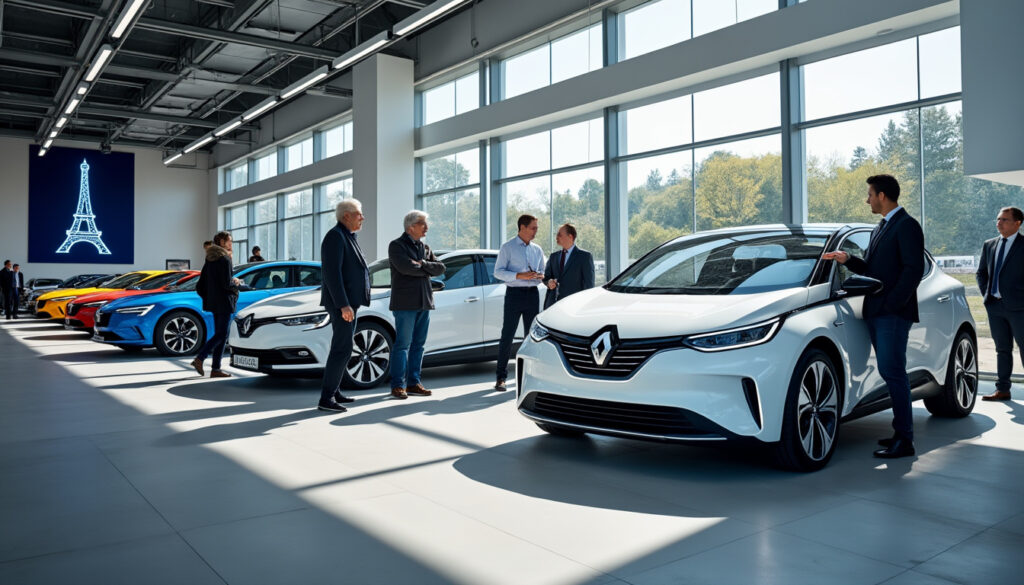

The French automotive market is undergoing a true revolution. In 2025, electric car sales are experiencing unprecedented growth, and France's position in this field is becoming increasingly assertive. French brands, such as Renault, Peugeot, and Citroën, are now at the top of the list, even chasing giants like Tesla who have long dominated the sector. The growing interest in electric mobility reveals not only consumer preferences but also underscores the need for a paradigm shift. This article delves into electric car sales, the industrial dynamics at play, and the consequences for the future of the automobile in Europe.
The Rise of Electric Cars in France
Over the years, the transition to more environmentally friendly vehicles has become a crucial issue in France. In 2024, electric car sales had already recorded spectacular growth, with a 45.2% increase in April. This interest in electric vehicles is far from anecdotal and is transforming into a genuine trend. The numerous benefits offered, such as fuel savings, tax incentives, and positive environmental impact, encourage more and more motorists to turn to electric vehicles.
Impacts of Government Policies
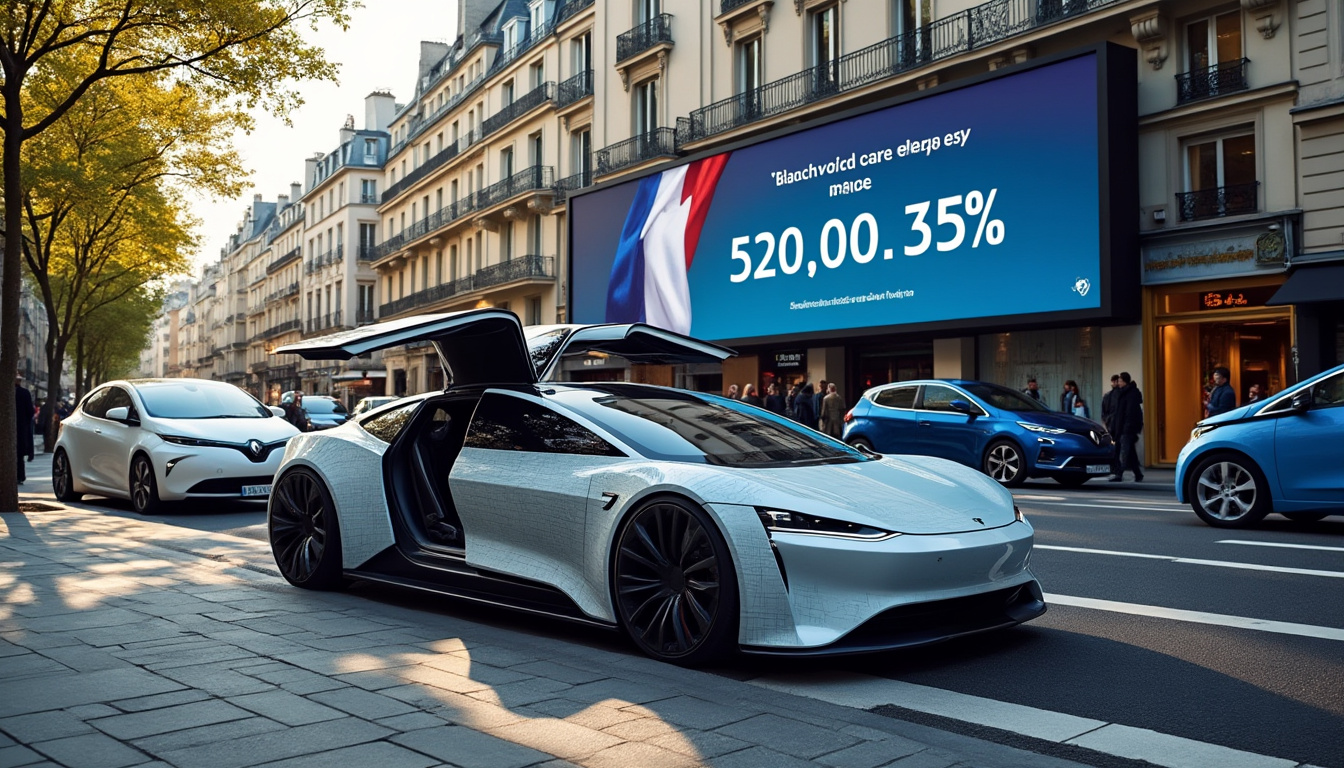
Such significant growth cannot be explained without mentioning the fundamental role of government policies. France, through a series of initiatives and subsidies, supports the adoption of electric vehicles. Financial incentives, such as the ecological bonus and exemption from certain traffic fees, tip the balance for a number of households. In 2025, these measures continue to attract new buyers to models such as the Renault 5 and the Peugeot e-208, which rank among the best-selling electric cars.
The Need for Charging Infrastructure
To support the massive adoption of electric vehicles, the development of charging infrastructure is essential. In France, the government has also invested in expanding the charging station network, thus facilitating access for users. By 2025, it is estimated that more than 100,000 charging points will be available across the country. This expansion is crucial to reassure hesitant consumers regarding the range of electric vehicles. A study by ACEA highlights that 86% of electric drivers consider the lack of infrastructure as a barrier to their conversion.
- Development of charging infrastructure
- Projects for fast charging stations
- Collaboration with major retail chains
- Local initiatives to support charging stations
| Year | Number of charging stations in France |
|---|---|
| 2022 | 50,000 |
| 2023 | 70,000 |
| 2024 | 85,000 |
| 2025 | 100,000 |
French Brands in Competition
In 2025, French brands are not just following the movement; they are shaping it. Renault and Peugeot are competing for leadership in the electric car market. In April 2025, the Renault 5 topped the sales charts, closely followed by the Peugeot e-208. These two models embody French innovation, combining competitiveness, accessibility, and performance.

The Case of Renault
The Renault 5 represents a decisive turn for the manufacturer. Its iconic design and modern technical features attract a wide audience, particularly young buyers. This electric car is not just an electric version of its ancestor; it redefines the standards of urban mobility.
Peugeot and Innovation
Peugeot, for its part, emphasizes innovation. The brand is committed to developing new battery technologies, allowing for increased range and reduced charging times. The e-208 model, which meets the expectations of environmentally conscious consumers, positions itself as a viable alternative to giants like Tesla.
- Modern and attractive design
- Advanced battery technology
- Connected features
- Commitment to sustainability
| Model | Sales (units) |
|---|---|
| Renault 5 | 2,267 |
| Peugeot e-208 | 2,150 |
| Citroën ë-C3 | 1,800 |
The Economic Impact on the European Market
The dynamics of electric car sales in France are also a testament to broader changes affecting the European automotive market. The European Automobile Manufacturers' Association (ACEA) has recently recommended that EU member states establish support programs to encourage the adoption of electric vehicles by the most vulnerable households. This could include promoting social leasing schemes, a model that has already shown effectiveness in France.
An Effective Social Leasing Model
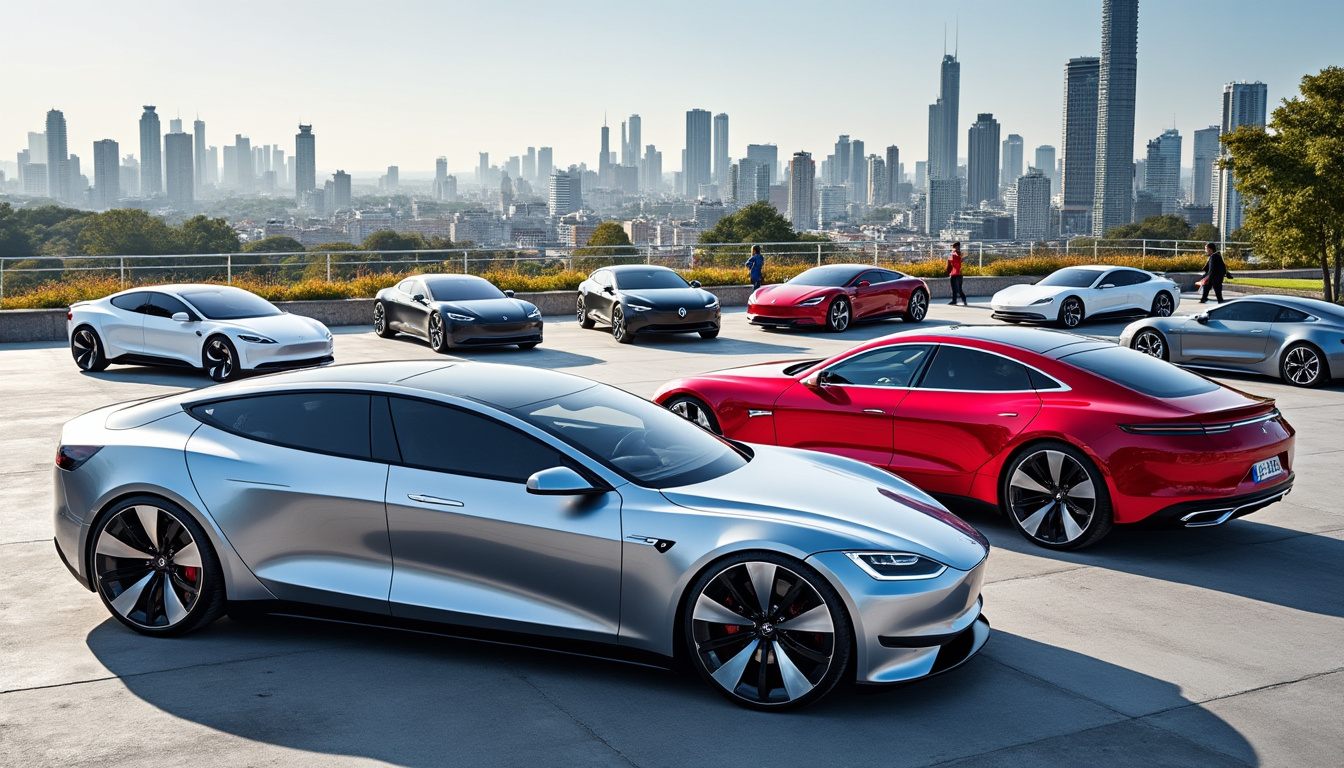
Social leasing for electric vehicles has been particularly effective in addressing the challenge of access to mobility. In 2024, nearly 50,000 French families benefited from this scheme, while legislation in Brussels seeks to expand this initiative across the continent. An essential element of this model is the focus on vulnerable households and small businesses, creating opportunities for thousands of people.
Increasing Accessibility of Electric Cars
The integration of used electric vehicles into this scheme represents an additional innovation. This allows for lowering the cost of access to electric vehicles for many modest households. Assistance with monthly rental amounts is offered instead of capping, which could reach a broader audience. The recommendations from ACEA could lead to a radical change in how electric mobility is perceived and adopted in Europe.
- Encouragement of social leasing agreements
- Promotion of used vehicles
- Sustainable financing mechanisms
- Enhanced oversight for measure effectiveness
| Type of Assistance | Eligibility Criteria |
|---|---|
| Social Leasing | Vulnerable households, SMEs |
| Direct Financial Aid | Income below threshold |
| Local Programs | Municipal initiatives |
Challenges to Overcome for a Successful Transition
Despite this optimistic outlook, the transition to electric cars in France still faces obstacles. The perception of electric cars by part of the population constitutes one of the major challenges. Controversies surrounding costs, range, and infrastructure remain legitimate concerns that require appropriate responses.

Consumer Concerns
Potential buyers often face many questions before taking the step to purchase an electric vehicle. How to assess the range of a car? What are the maintenance costs? How to easily access charging points? These questions need to be taken into account by electric car manufacturers. Thus, brands like BMW, Volkswagen, and Mercedes-Benz must work on solutions to address the varied needs of consumers.
Investing in Educational Marketing
Creating a favorable environment for electric vehicles also involves a campaign of awareness and education. Showing consumers that switching to electric represents a positive step can encourage adoption. Brands need to invest in informative marketing that clearly demonstrates the long-term benefits of electric cars, both economically and environmentally.
- Information on available subsidies
- Education on range and technologies
- Transparency on maintenance costs
- Visibility of charging networks
| Concerns | Proposed Solutions |
|---|---|
| Limited range | Development of charging infrastructure |
| Acquisition cost | Financial aids and social leasing |
| Lack of information | Educational campaigns |
Si vous souhaitez lire d'autres articles tels que Electric car sales: a French innovation attracting European manufacturers, consultez la catégorie Non classé.
-
Herménégilde Brassens says:
Les voitures électriques en France progressent vite. C'est un bon changement pour l'environnement.
-
Les ventes de voitures électriques en France sont vraiment impressionnantes, j’espère que cela va continuer.
-
C'est impressionnant de voir combien les voitures électriques gagnent en popularité en France !
-
C'est fascinant de voir comment la France devient un leader dans l'électromobilité!
Leave a Reply
Articles relatifs