An imminent decrease in costs for electric charging

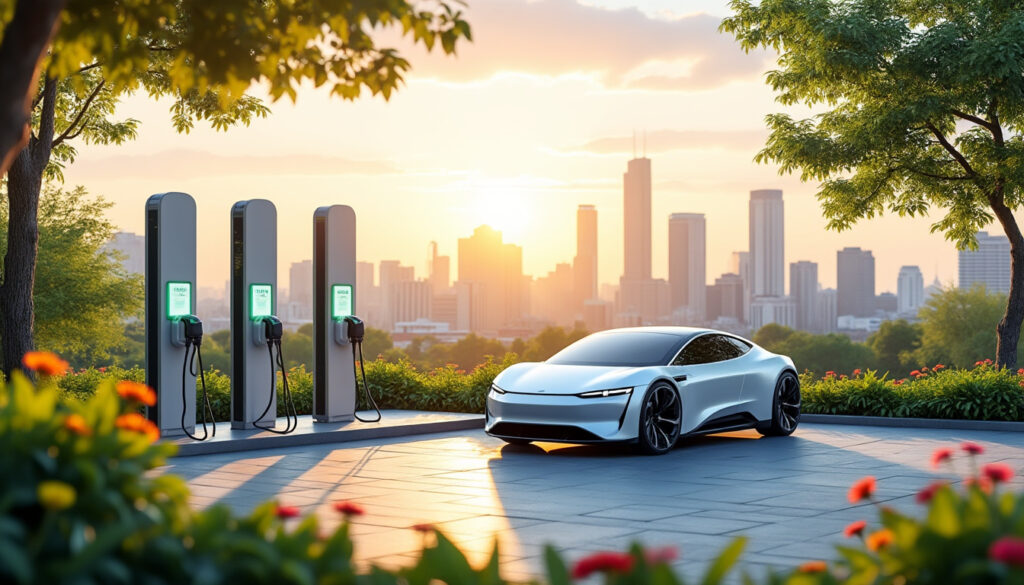

The transition to electromobility is accelerating, and with it, the pressing need to streamline the costs associated with charging electric vehicles. As the economic and environmental landscape evolves, an impending reduction in electricity tariffs, expected in February 2025, could transform the daily lives of drivers. This article explores the ongoing dynamics and their impacts on various stakeholders.
Lower Electricity Prices in 2025: A Decisive Turning Point for Electric Charging
According to recent announcements from the Energy Regulatory Commission (CRE), a significant reduction of 15% in regulated electricity tariffs is expected to occur on February 1, 2025. This decision follows successive increases that have placed financial pressure on consumers, particularly those using electric vehicles. For electric car owners, this reduction could represent annual savings ranging from 70 to 130 euros, depending on their consumption. This announcement arrives at a time when many users are looking to lower the cost of their transition to electromobility.
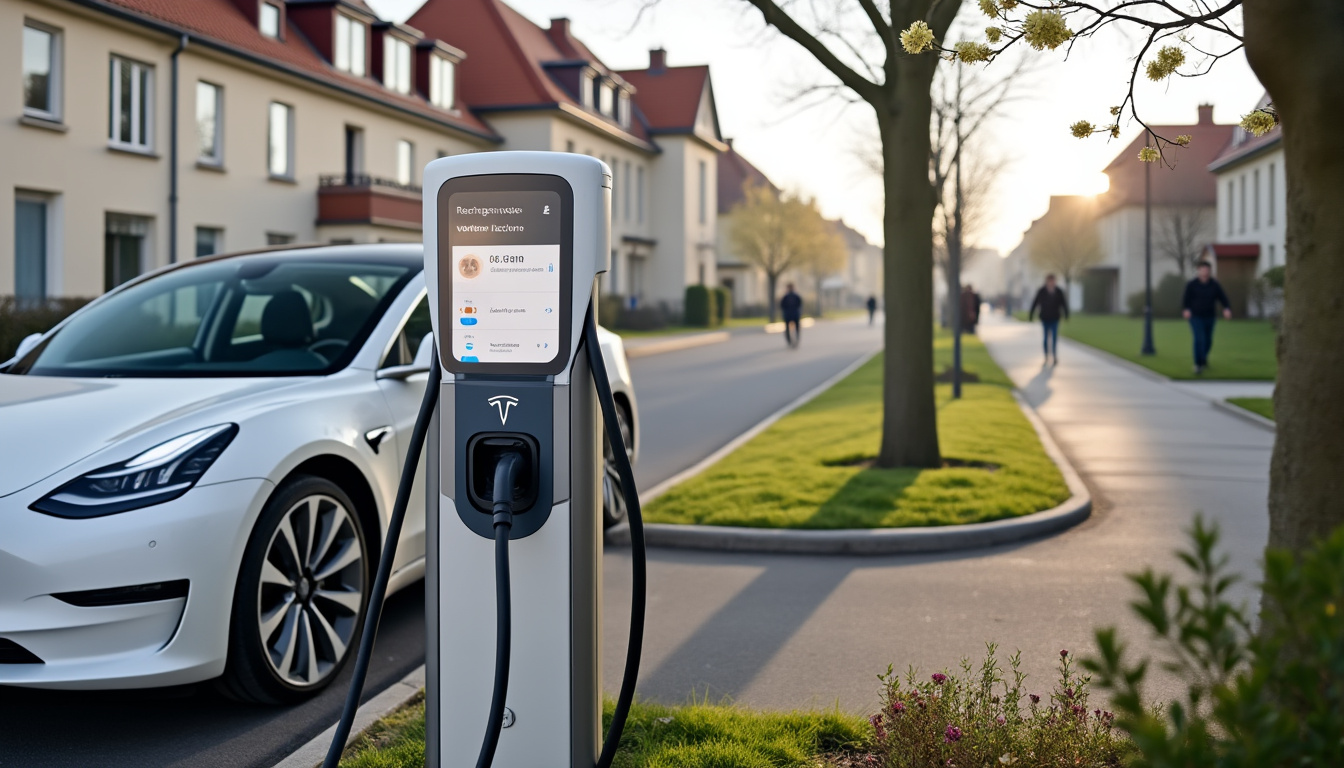
This price reduction is all the more crucial as, in recent years, many users of electric vehicles such as owners of Renault, Tesla, or Nissan models have faced undesirable price increases, making charging less attractive. For instance, in 2023, charging costs were subject to successive increases, raising concerns among consumers. The agenda of the French government thus seems to focus on balancing the need to promote non-polluting vehicles with economic realities.
As part of this reform, it is essential to understand the implications for home charging versus public charging. Home charging remains a practical and often more economical option, but the reduction in tariffs could influence user choices when using public charging stations. Thus, a shift from predominantly home charging to public charging is conceivable.
Direct Impact on Households
With a projected decrease in costs, households could see a real improvement in their budgets. Here is an overview of aspects to consider:
- Saving on home charging costs.
- Increased incentives for purchasing electric vehicles, making the experience more economical.
- Reduction of anxiety related to using public charging stations for trips away from home.
This dynamic presents not only economic benefits for consumers but also for the environment. More households opting for charging their electric car could mean fewer combustion-engine vehicles on the roads.
| Type of Charging | Cost Before Decrease | Cost After Decrease | Estimated Savings |
|---|---|---|---|
| Home Charging | 0.20 € / kWh | 0.17 € / kWh | 15% |
| Public Charging | 0.35 € / kWh | 0.30 € / kWh | 14.3% |
Evolution of Home Electric Charging by 2025
The electric charging landscape is also marked by a shift in the habits of electric vehicle users. By November 2025, significant changes in electricity tariffs could alter how nearly 40% of French households charge their vehicles.
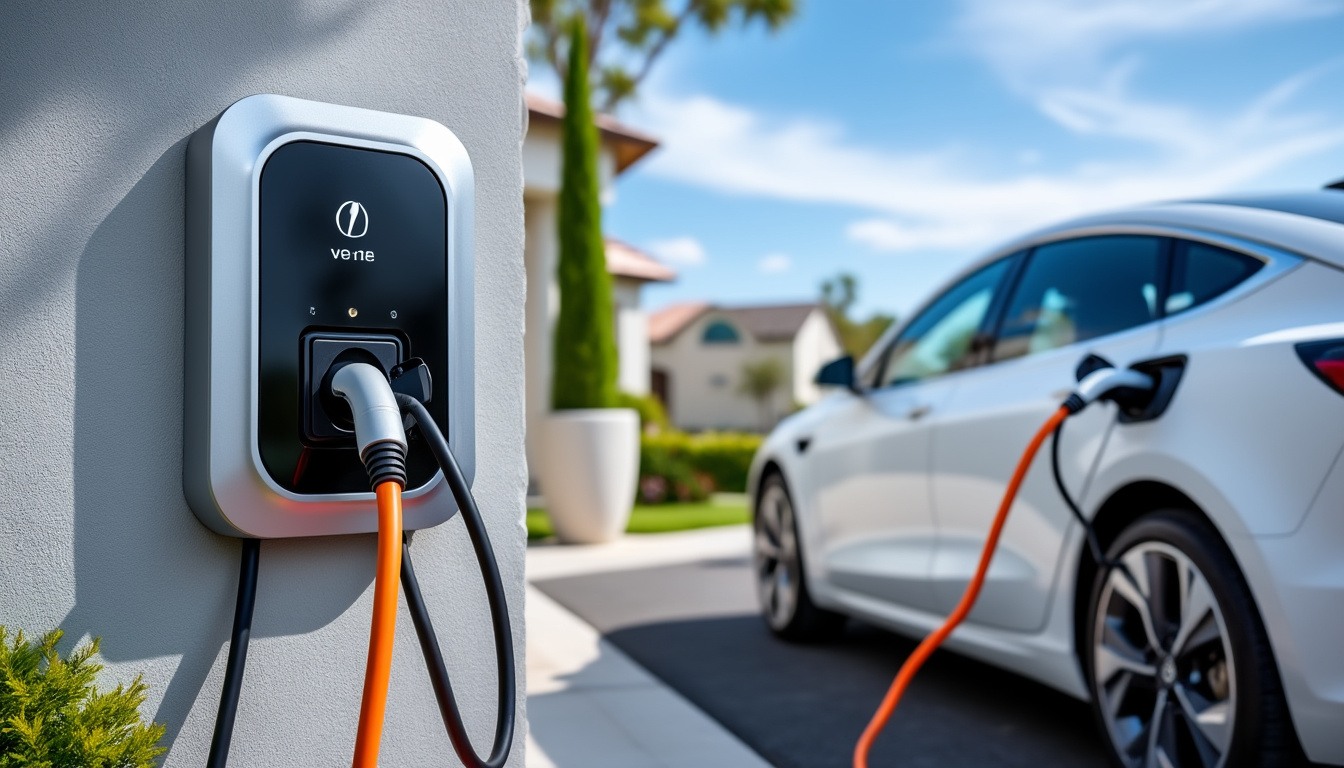
With the reduced price, a wider adoption of electric vehicles is expected, particularly among well-known brands such as Peugeot, Citroën, and BMW. Accessibility becomes a key word: new competitively priced models, such as the Citroën C3 electric for under 16,000€, will encourage new buyers to make the leap.
While home charging may once again become the norm, certain concerns need to be addressed. The case of collective housing raises questions about the required infrastructure. Equipping buildings with sufficient capacity to enable effective charging can present structural challenges. The rise of charging stations within these buildings could be a solution. However, it is essential to lay the groundwork: installing a dedicated branch in the building's electrical systems for vehicle charging.
Charging Infrastructure Challenges
The challenges regarding infrastructure are numerous and can be summarized as follows:
- Increased accessibility to charging stations in urban areas.
- Development of fast charging solutions.
- Strengthening the capacity of electrical networks.
Regarding recommendations, it is crucial to consider a national investment plan in charging infrastructures, perhaps drawing inspiration from foreign models, such as those implemented by Volkswagen and Hyundai. It is important to learn from past mistakes, particularly in Germany, where overcapacity in charging stations has led to significant underutilization.
| Encountered Problem | Proposed Solution |
|---|---|
| Limited accessibility of stations in urban areas | Increase the number of charging points in metro and train stations |
| Inability of the electrical grid to support demand | Invest in reinforcing existing electrical infrastructures |
Charging Prices in France are Overall Stable
Between July and December 2023, the French market observed some stability in charging costs per kWh. This status quo has induced a sense of hope among motorists, particularly among owners of vehicles from brands such as Audi, Kia, and Renault.
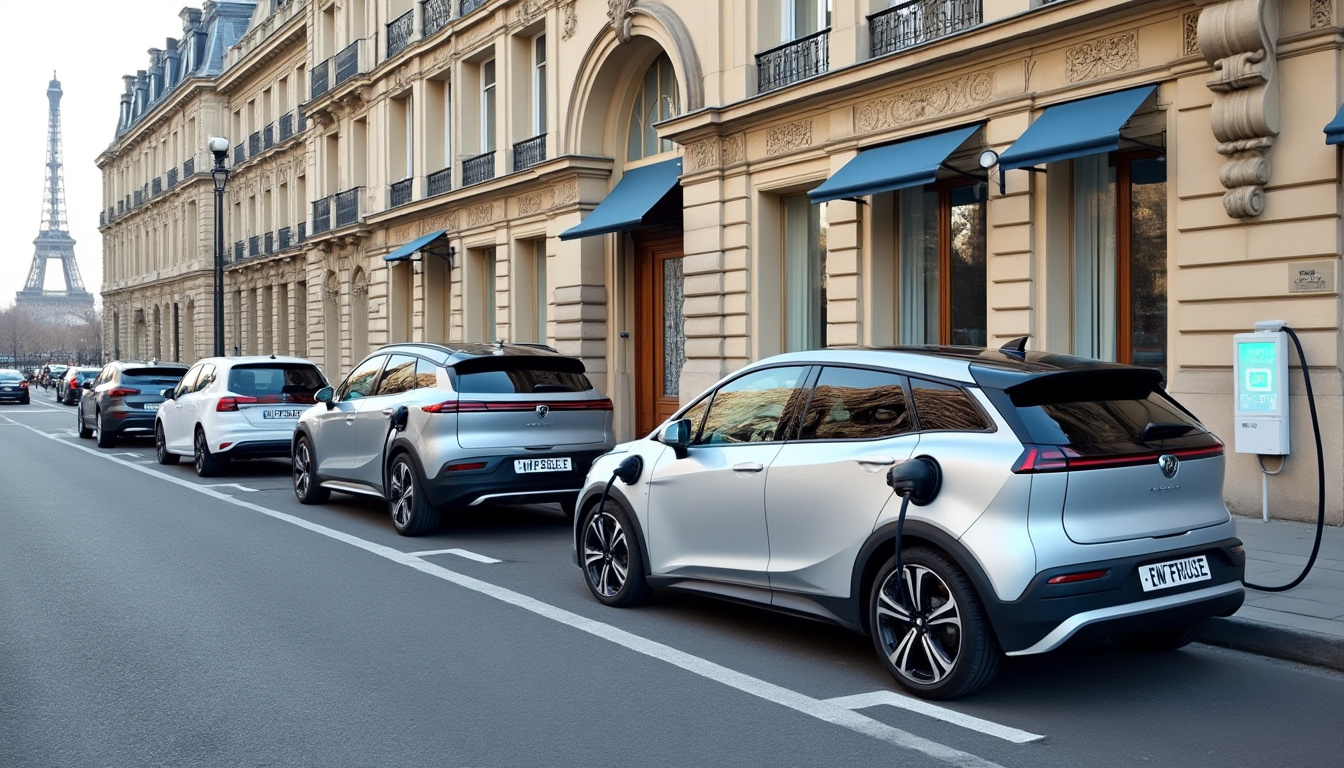
Data analyses show that the gross charging price on public stations with a power less than 22 kW has recorded a decrease of 3.08%. However, this downward trend must be tempered by the fact that overall electricity tariffs are constantly being reassessed. Thus, the fluctuation of renewable energy costs directly impacts the prices that drivers pay at public stations.
Comparative Analysis of Charging Costs
Users should be aware of the price differences based on location and type of station. Here are some observations:
- Delightful tariffs help to offset some increases observed in previous months.
- Charging stations in less frequented areas often present more affordable prices.
- The capacity of stations to deliver kilowatts may influence the price, with rapid stations generally being more expensive.
To better illustrate market dynamics, let’s consider a table of prices according to French cities where users can recharge their electric vehicles:
| City | Average Charging Cost (€/kWh) | Type of Station |
|---|---|---|
| Paris | 0.40 | Fast |
| Lyon | 0.30 | Normal |
| Marseille | 0.35 | Fast |
| Bordeaux | 0.28 | Normal |
The Dynamics of the European Market: Between Imbalances and Opportunities
The situation of charging infrastructures for electric vehicles in Germany shows a surprising paradox: while the number of stations in the country far exceeds the number of electric vehicles, users remain hesitant to adopt. With around 160,800 charging points, Germany boasts an infrastructure comparable to that of France, yet a quarter of fast stations are underutilized, showing a utilization rate of only 1 to 5%.
This phenomenon of overcapacity has real economic impacts. Operators face high installation costs ranging from 50,000 to 100,000 euros for a fast station, not to mention regular maintenance fees. Conversely, the revenues generated from charging barely exceed 20 to 25 euros per session, making profitability impossible in cases of underutilization. Hence the idea of proposing dynamic pricing systems, as Tesla is already doing, to stimulate station use and balance supply and demand.
Perspectives for the European Market
The dynamics of the European market are in full evolution. With France lagging behind, an abundance of stations could occur similarly to what is experienced in Germany. Industry players such as Ionity are beginning to reassess their strategies and lower their installation targets.
- Examination of innovative pricing models to maximize the use of infrastructures.
- Possibility of reduced pressure on charging costs thanks to increased competition.
- Revalidation of infrastructure installation plans in light of market realities.
The logical conclusion is that an adjustment in charging infrastructures could lead to a decrease in costs for users, making electromobility and the charging system competitive even compared to combustion vehicles.
| Country | Number of Stations | Estimated Utilization Rate |
|---|---|---|
| Germany | 160,800 | 6-7% |
| France | 163,000 | Not specified but growing |
Opportunities in the Electromobility Sector
Recent developments pave the way for a promising future for the electromobility sector. Cooperation among industry players, governments, and users can yield benefits both economically and environmentally.
To strengthen these opportunities, players like BYD, with its electric sedan models, or Mitsubishi in association with Renault, play a crucial role. They are at the forefront of initiatives aimed at generating more interest in electric vehicles among a wider audience. For example, an article on electric vehicle sales could illustrate this movement.
The Future Players of Electromobility
At every stage, opportunities emerge around the following future trends:
- Expansion of affordable electric vehicle ranges.
- Improvement of fast and accessible charging infrastructure.
- Technological innovations promoting energy efficiency.
With these elements in place, the path towards transitioning to more sustainable vehicles becomes less arduous, offering a better future for consumers, thus heralding a virtuous circle of growth in the electromobility market.
Si vous souhaitez lire d'autres articles tels que An imminent decrease in costs for electric charging, consultez la catégorie Non classé.
-
Kylian Berthelot says:
C'est une bonne nouvelle! La baisse des tarifs pourrait vraiment aider les propriétaires de véhicules électriques.
Leave a Reply
Articles relatifs