The hidden dangers of electric innovation: when progress leads us to a dead end

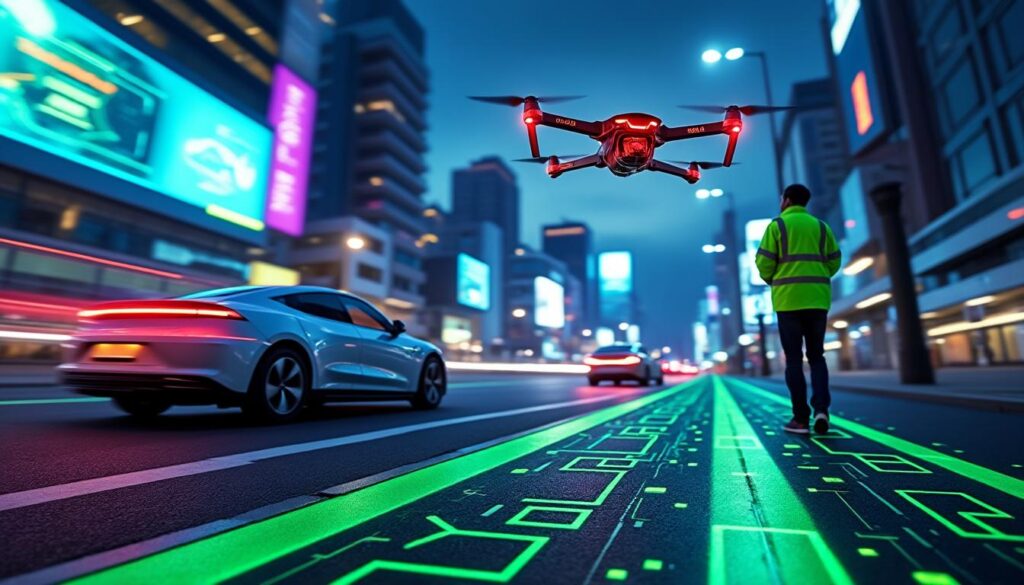

The world of electric innovation is at a crossroads. As the automotive industry fully commits to electrification, a troubling realization emerges: innovation, far from being a guarantee of success, can sometimes turn out to be a trap. As we approach 2025, it is crucial to closely examine the challenges that companies face, from giants like Tesla to the new elites in the sector.
The electric giants facing the storm
Despite its status as a pioneer, Tesla is feeling increased pressure. With over 1.77 million vehicles produced in 2024 and a revenue exceeding 97 billion euros, this iconic company is facing major challenges. Sales are stagnating, particularly in Europe, where competition from Chinese brands is becoming increasingly formidable. Innovative technologies, such as Superchargers or software updates, are alluring but are no longer sufficient to ensure the brand's sustainability. What happens when innovation stagnates?
- 🚗 Tesla: Leader but facing sales stagnation
- 🐉 Increased competition from Chinese brands
- ⚙️ Technological innovations under pressure
| Manufacturer | Data 2024 | Status |
|---|---|---|
| Tesla | 1.77 million vehicles, 97 billion € | Profitable |
| Xpeng | 190,000 vehicles | Unprofitable |
| Nio | 220,000 vehicles | Unprofitable |
The new frontiers of electric vehicles
Companies like Rivian, which has produced 50,000 units of its adventure models, and Lucid Motors, with its flagship Air sedan, are striving to establish themselves. Their success, however, remains precarious. Rivian, with a revenue of 4.9 billion dollars, is beginning to see the fruits of its efforts through strategic partnerships, such as the one with Amazon. In contrast, Lucid Motors is struggling to exceed 9,000 sales, despite a product appreciated for its advanced technology. What does this difficulty in turning innovation into revenue mean?
- 🌍 Rivian: 50,000 units, partnership with Amazon
- ✨ Lucid Motors: Technical recognition but lackluster sales
- 📈 Growing competitive intensity

The lessons from resounding failures
The names Faraday Future, Fisker, or Sono Motors resonate as warnings. Fisker’s bankruptcy after losses of nearly 940 million dollars for only 4,700 deliveries starkly illustrates the flip side of the coin. Sometimes, innovation rhymes with illusion. The delivery promises from Aptera, which offers a three-wheeled vehicle powered by solar energy, push the dream of a sustainable automobile to 2026, raising doubts about its feasibility.
- 💔 Faraday Future: 16 vehicles produced
- 📉 Fisker: 940 million $ in losses
- 🏗️ Sono Motors: A project abandoned
| Manufacturer | Financial State | Challenges Faced |
|---|---|---|
| Faraday Future | Lack of revenue | Dependence on emergency funding |
| Fisker | Bankruptcy | Products not delivered at scale |
| Sono Motors | Project abandonment | Insufficient funding |
An uncertain future for new entrants
With international expansion deemed laborious, brands like VinFast must now reconsider their strategies. With losses of 3.2 billion dollars and only six vehicles registered in France, the brand is stepping up its game with a revamped distribution model. This turnaround indicates that presence in mature markets requires much more than financial support. Resilience and agility in responding to market expectations remain the key to survival.
- 📉 VinFast: Colossal losses
- 🏢 Restructuring operations
- 💡 Adaptation to local markets necessary

Towards a collective awareness
Innovation strategies must be accompanied by risk assessments. Companies should integrate considerations supported by in-depth analyses of environmental and societal impacts. In a world where Audi, Ford, Volkswagen, and other giants are redefining their offerings, the question arises: Is innovation truly at the service of humanity?
| Manufacturer | Model | Innovation Strategy |
|---|---|---|
| Renault | ZOE | Support for electrification |
| BMW | I4 | Autonomous driving technology |
| Fiat | 500 electric | Sustainable lifestyle |
Si vous souhaitez lire d'autres articles tels que The hidden dangers of electric innovation: when progress leads us to a dead end, consultez la catégorie Non classé.
-
Lysander Mistral says:
L'innovation électrique est prometteuse, mais il faut aussi s'inquiéter des défis à relever.
-
L'innovation électrique est fascinante, mais elle doit s'aligner sur des besoins réels.
-
L'innovation électrique est fascinante, mais les défis sont réels. Quel avenir pour ces marques?
-
L'innovation électrique doit vraiment prendre en compte son impact sur notre planète.
-
L'innovation électrique est prometteuse mais doit être bien orientée pour éviter les échecs similaires à Fisker.
Leave a Reply
Articles relatifs