Emmanuel Macron inaugurates the AESC gigafactory in Douai: an important step for Renault ElectriCity

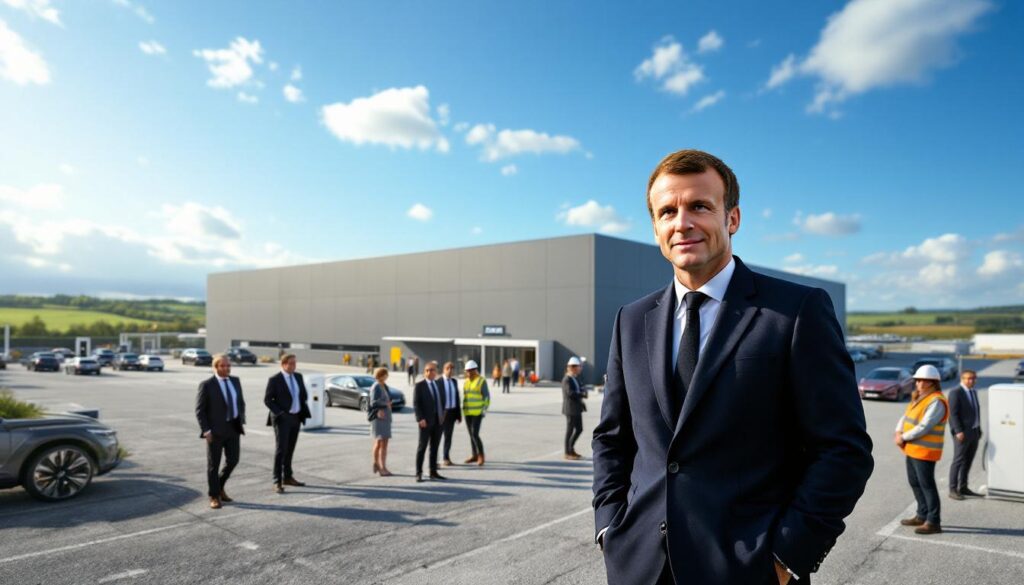

On Tuesday, June 3, the inauguration of the AESC gigafactory in Douai by Emmanuel Macron marks a new era for the French automotive industry. This factory, dedicated to the production of batteries for electric vehicles, is the beating heart of the Renault ElectriCity project, a symbol of the shift towards electric mobility. This project is part of a broader vision for energy transition, aiming to revitalize the territory of Nord-Pas-de-Calais and make France a key player in the battery value chain. Indeed, the rise of this industry is a key issue for the country’s economic future.
The challenges of the AESC gigafactory in Douai
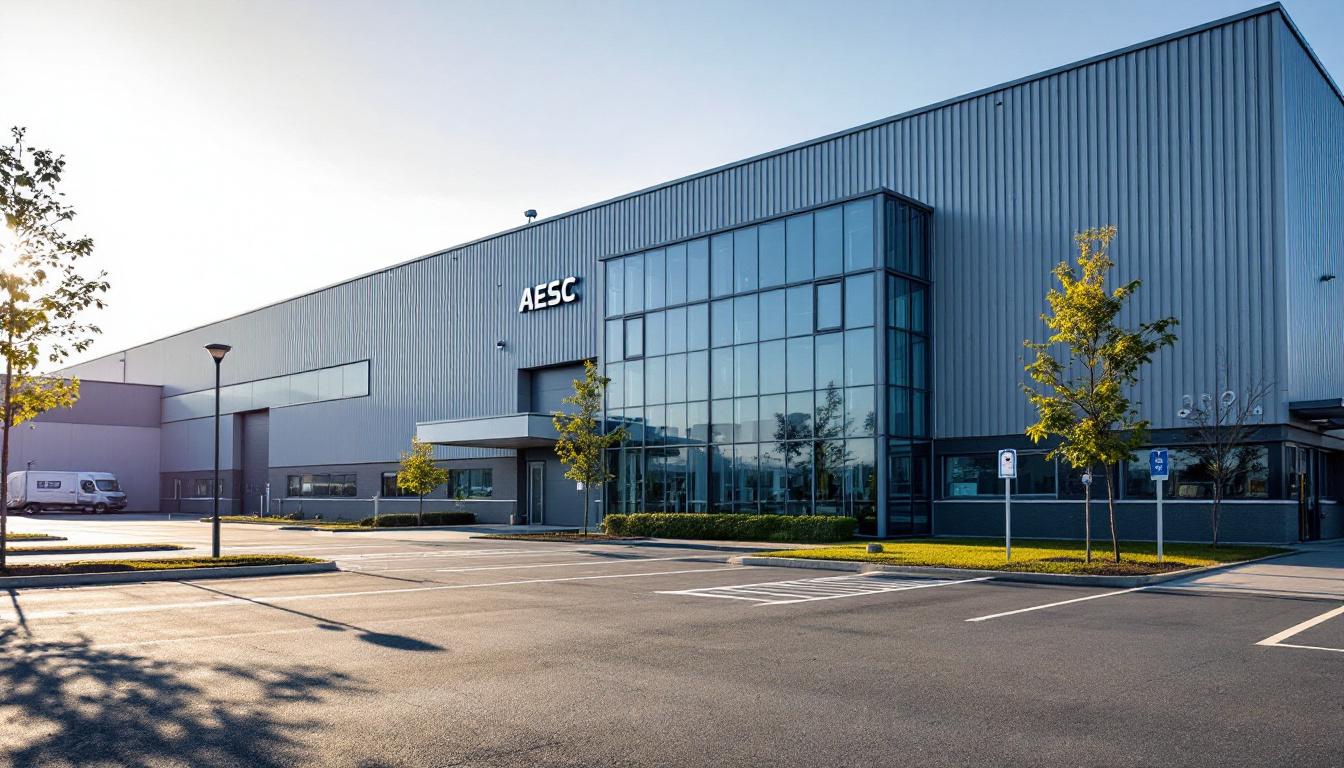
The AESC gigafactory represents much more than just a factory. It reflects a political and industrial desire to support technological innovation and sustainability. This ambitious project aims to produce lithium-ion batteries for electric vehicles, supporting the Renault range and its partners, including Nissan. By fostering a local ecosystem, Douai positions itself as a true laboratory for the future of the automotive industry.
Strengthening the local economy and employment
The creation of this gigafactory is also a lever to support the local economy. With a production capacity of up to 24 GWh per year, the factory is expected to generate thousands of jobs. This includes positions at various levels, from production to research and development. Recruitment at this factory, which is planned on a large scale, will have a direct impact on the regional population.
- Creation of 1,000 direct jobs.
- Key element for the economic recovery of the mining basin.
- Support for local skills and training initiatives.
Environmental benefits and challenges ahead
The AESC factory is also part of a larger initiative aimed at reducing the carbon footprint of the automotive industry. By producing locally, Renault aims to reduce transportation costs and minimize environmental impact. However, challenges remain. The sourcing of raw materials for battery manufacturing, such as lithium, must be managed responsibly. This raises questions about sustainable extraction and working conditions in producing countries.
| Objective | Expected impact |
|---|---|
| Produce 24 GWh of batteries/year | Supply a wide range of Renault electric vehicles |
| Reduce the carbon footprint of the industry | Decrease in environmental impact |
| Create jobs | Strengthening the local economy and skills |

An ecosystem focused on innovation
The AESC gigafactory is not an isolated project. It is part of a broader ecosystem grounded in the ElectriCity initiative. This program brings together various stakeholders in the value chain and strives to stimulate synergies among companies, research institutions, and local authorities. By promoting innovation, Renault is addressing the future challenges of the automotive industry.
Collaboration between industry and research
One of the strengths of the ElectriCity initiative is the close collaboration between the private sector and the academic community. Local research centers are called upon to work hand in hand with Renault and AESC to develop new battery technologies. This symbiosis is crucial to compete with international competition, especially against countries like China, a leader in the battery field.
- Research projects on high-performance batteries.
- Continuous training for industry workers.
- Development of a local innovation network.
The opportunity for a sustainable economy
Beyond short-term economic benefits, the gigafactory represents an opportunity to build a sustainable economy in the long term. This project aims to integrate responsible practices while encouraging the circular economy. By recycling and reusing materials, France can reduce its dependence on imported resources and strengthen its energy security.
| Strategy | Objective |
|---|---|
| Encourage battery recycling | Less waste, more sustainability |
| Reduce energy consumption | Lower operational costs |
| Promote clean technologies | Innovation in service of the environment |

The political implications behind the gigafactory
The inauguration of the AESC gigafactory in Douai is also a strong political signal. Emmanuel Macron, as president, has always displayed a commitment to reindustrializing France. This project is a clear example of efforts made to revitalize the French automotive industry in a world where competition is increasingly fierce.

A strategic investment for the future
Investing in battery production is a strategic choice for France. It allows for positioning in a rapidly growing market capable of generating billions in revenue for the state and the industry. The fact that Renault, an iconic French brand, is at the heart of this transformation raises a dual challenge: to reaffirm industrial leadership while respecting environmental commitments.
- Government support for innovation.
- Tax incentives for green companies.
- The necessity for suitable financing structures.
Support for regional centers of excellence
The choice of Douai for the establishment of this factory is not incidental. This region, historically marked by the mining industry, benefits from a skilled workforce and suitable infrastructure. The state has thus bolstered the appeal of these areas by implementing policies to support innovation and training. It is essential to transform past challenges into future opportunities.
| Region | Strength |
|---|---|
| Nord-Pas-de-Calais | Strong industrial tradition |
| Douai | Suitable infrastructure |
| Lille | Education and technical training |
Consolidation of the automotive industry in France
Tackling the challenge of energy transition is one of the main objectives of today's automotive industry, as France strives to become a leader in battery production. With the AESC gigafactory, Renault strengthens its position against international competition and shows its determination to invest in a sustainable future.
Electric vehicles as the future of automotive
The rise of environmental concerns and strict regulations have transformed the automotive landscape. Consumers are increasingly seeking electric, eco-friendly, and high-performance vehicles. The AESC gigafactory responds to this growing demand and prepares to support the launch of new Renault models, such as the much-anticipated R5 range.
- Development of models tailored to consumer needs.
- Improvement of battery performance.
- Increased collaboration with technology startups.
The expectations of tomorrow's consumers
Today’s drivers are concerned with sustainability and the origin of the products they purchase. Through initiatives like AESC, Renault meets these expectations while integrating a local value chain that offers sustainable solutions. In doing so, it addresses the growing demand for electric mobility in a responsible manner.
| Consumer need | Renault's response |
|---|---|
| Sustainability | Local and recyclable battery production |
| Performance | Investment in R&D for better technologies |
| Affordability | Affordable electric models |

Si vous souhaitez lire d'autres articles tels que Emmanuel Macron inaugurates the AESC gigafactory in Douai: an important step for Renault ElectriCity, consultez la catégorie Uncategorized.
Leave a Reply
Articles relatifs