Why electric cars retain a higher price than gasoline or diesel cars in 2025


The automotive sector is undergoing a major transformation, with an expected boom for electric cars in 2025. Far from the promises of accessibility, the observation is striking: the prices of electric vehicles remain, on average, higher than those of their thermal counterparts. What does this reality reveal about the current and future market for automobiles? What mechanisms lie behind this trend that seems frozen despite the rapid evolution of technologies? This article delves into the complex world of electric car prices in comparison to gasoline and diesel vehicles.
A sharp rise in prices for gasoline and diesel cars
In 2025, the prices of gasoline and diesel cars are expected to increase significantly. A rise of 10 to 15% is estimated by next year, fueled by soaring production costs and increased regulatory pressure. Car manufacturers, faced with increasingly stringent environmental requirements, are forced to raise their prices.
The imbalance between supply and demand is a major factor. With increasing pollutant emission standards, manufacturers such as Volkswagen and Ford must invest heavily in less polluting technologies. This additional cost is typically passed on to consumers. Thus, a simple entry-level Renault Clio could quickly see its price exceed €25,000.
In this context, the temptation to switch to an electric car seems like an appealing solution. But is that really the case? At first glance, the initial purchase price of an electric vehicle remains very competitive, especially with the support of government subsidies. However, this balance is precarious. A study by UFC-Que Choisir reveals that purchase aids, which have already seen a significant decline, have not kept pace with the evolving market needs.
The table below illustrates the estimated prices in 2025 for various categories of vehicles.
| Type of vehicle | Average price (estimate) | Change from 2023 |
|---|---|---|
| Electric cars | €42,390 | +5% |
| Gasoline cars | €26,774 | +12% |
| Diesel cars | €27,500 | +10% |
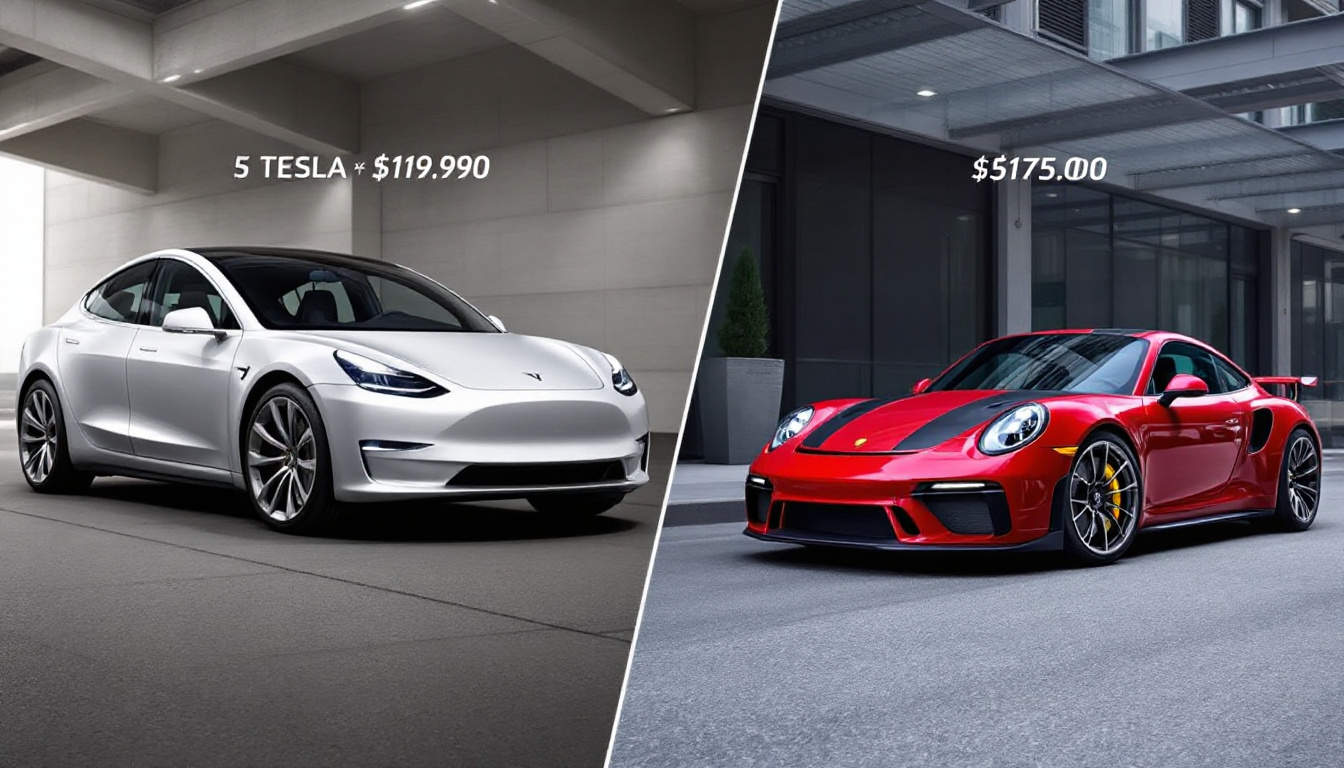
The conclusion is unmistakable. While gasoline and diesel car prices are rising, electric cars maintain prices that would be largely inaccessible to a portion of the population without public support. Why, then, does this paradox persist? Is it a structural challenge, or a shortcoming in the strategy to support electric vehicles? To understand better, it is crucial to explore the reasons behind the growth of these prices.
Declining purchase aids: a hindrance to the transition
Purchase aids represent one of the major levers to encourage the adoption of electric cars. However, in 2025, they have decreased alarmingly. What was once an essential support for modest households has become an obstacle to acquiring an electric vehicle.
According to UFC-Que Choisir, the budget allocated to aids has dropped from €1.5 billion to €700 million. Such a reduction directly impacts the purchasing power of households, creating an increasingly large gap between electric and thermal models. Taking the example of the Peugeot E-208, the aids would have allowed some households to save 2.5% compared to its thermal equivalent in 2023. By 2025, this gap has dramatically reverted to +12%.
The consequences are very real. In choosing their next vehicle, consumers find themselves cornered by the reality of prices. This reality is further marked by vehicles like the Fiat 500 electric, which can be up to 40% more expensive than a comparable gasoline model.
The adjustments to aids are not theoretical. They affect families, young households, and those with modest incomes. A more generous policy would have facilitated access to electric vehicles for a larger number. The question then arises: should the state’s budgetary decisions take precedence over access to a more sustainable future?
A list of the implications of reduced aids can be drawn up:
- Decrease in electric vehicle sales.
- Increase in purchase prices for modest families.
- Delay in the transition to clean vehicles.
- Growing uncertainties for future consumers.

A price gap that raises questions: models and repairs
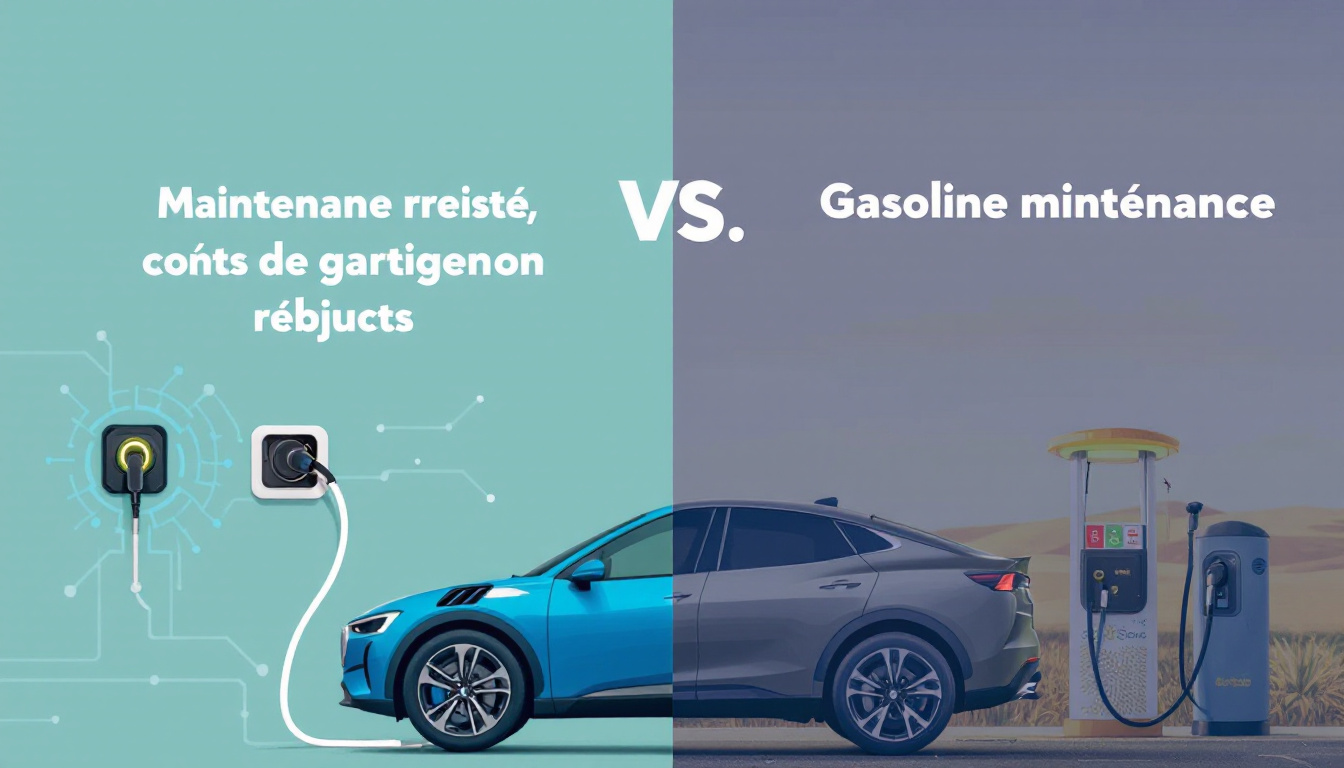
The prices of electric cars and their maintenance costs remain a topic of debate among consumers and experts. Indeed, although the cost of using and maintaining electric vehicles may be lower than that of thermal ones, the initial purchase cost remains high. In 2025, the reality reveals a significant disparity in repair prices. This latter factor, often overlooked, deserves close examination.
Electric vehicles are often deemed more reliable due to their simplified mechanics. However, this simplicity is not without issues. The costs of replacement parts and repairs can be substantial. Brands like Tesla and BMW have a service network that, although effective, comes with its share of fees. The ADAC report on the reliability of electric vehicles highlights this question, with repair fees sometimes exceeding those of gasoline cars.
The numbers speak for themselves. In 2024, the average repair costs for an electric car amounted to about €1,200, compared to €700 for a thermal vehicle. This observation makes consumers grimace, who hoped to see in electric vehicles a lighter overall cost.
Here is a summary of repair costs:
| Type of vehicle | Average repair cost (2024) | Difference with thermal |
|---|---|---|
| Electric vehicles | €1,200 | + €500 |
| Gasoline vehicles | €700 | - |
This difference thus reinforces the idea that choosing an electric car remains a long-term investment, sometimes discouraging for those seeking practicality in their daily lives. With the rise of brands like Nissan and Renault, competition is tightening, but consumers must still juggle with these price realities.
The question of price parity: utopia or reality?
One of the major objectives set for the coming years is to achieve price parity between electric and thermal cars. Yet, this dream seems increasingly distant. Experts estimate that this situation may not be achieved before 2026. Indeed, while the decline in battery prices appears promising, the road ahead remains long and fraught with obstacles.
The question of batteries is central. Lithium-ion batteries, which power most electric vehicles, are largely responsible for the purchase cost. Currently, these batteries account for about 30% to 40% of the total price of an electric vehicle. In 2024, a forecast indicates a nearly 20% drop in battery prices, bringing their cost to around $115/kWh. This could generate a reduction of €4,000 to €6,000 in the price of an electric car.
However, this decrease must be confronted with other realities. While battery technology advances, other costs, particularly in manufacturing, transport, and regulation, continue to rise. Moreover, brands like Audi and Hyundai are also trying to position themselves in this booming market, which could further alter price dynamics.
Several factors thus contribute to this issue of price parity:
- Constantly evolving raw material costs.
- Investments in charging infrastructure.
- Variability of government aids.
- Uneven technological advancements among brands.
Ultimately, this situation raises the essential question: can electric vehicles truly become the default choice for the average consumer? The times to come will demonstrate whether the commitment of manufacturers and governments will be enough to turn this ambition into reality.

Strategies to adopt for a sustainable future
Facing this reality involves reconsidering current strategies. Consumers, manufacturers, and the government must come together to work towards a smooth transition to electric vehicles. The establishment of new aid schemes and tax incentives could encourage the purchase of electric vehicles while preserving social justice.
The proposals are varied and deserve close examination:
- Strengthen public aids, directing them towards the most modest households.
- Establish a more comprehensive bonus-malus policy, favoring light and low-polluting models.
- Develop accessible rental solutions for individuals.
- Boost the used car market to enhance accessibility to electric vehicles.
This framework could inject new momentum into this necessary transition. The examples of Mercedes-Benz and BMW, which are investing in charging infrastructures, highlight the importance of a collaborative approach in the sector. These efforts could excite a new generation of buyers, ready to make electric the default choice.
Thus, at the dawn of a significant change, will demand be up to the challenges to be met? Market players must commit to providing a viable and accessible alternative for a large number of consumers. The future of sustainable mobility is at stake.
Si vous souhaitez lire d'autres articles tels que Why electric cars retain a higher price than gasoline or diesel cars in 2025, consultez la catégorie Non classé.
-
Liora Valper says:
Les prix des voitures électriques sont vraiment élevés, même avec les aides, c'est compliqué.
Leave a Reply
Articles relatifs