Volkswagen outpaces Tesla with a technology already utilized by Renault


In a rapidly changing automotive market, Volkswagen is not just following the trend; the German brand is taking the lead through a technological innovation already implemented by Renault. This advancement, which could redefine electromobility in Europe, is based on the principle of bidirectional charging, turning every electric vehicle into a true energy asset. How will this strategy disrupt the hierarchy of the electric segment? This is what we will explore.
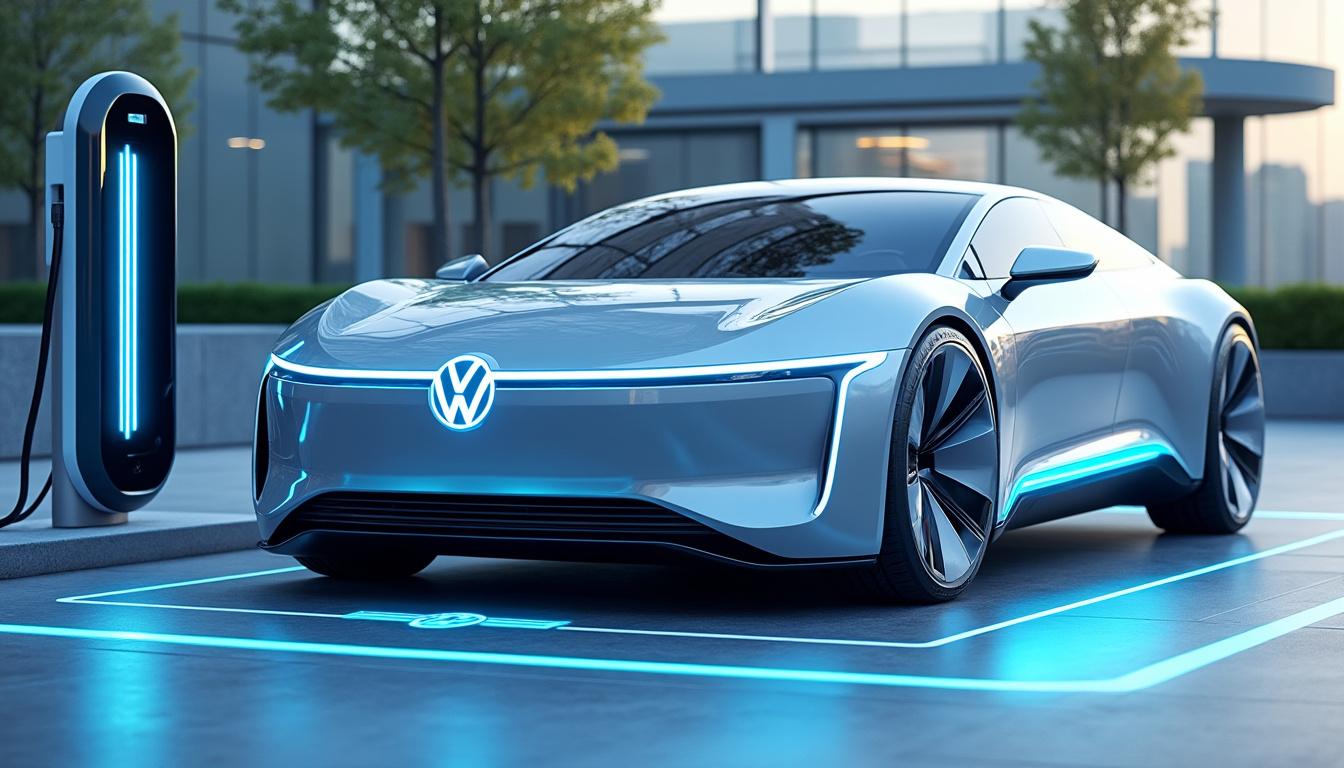
Bidirectional Charging: A Revolution for Volkswagen
Volkswagen has taken a decisive step in its quest for innovation at the heart of the electric economy. With the launch of a major experiment in Sweden, the brand is paving the way for a future where every car will not only be a means of transportation but also a source of energy. The bidirectional charging indeed transforms a 77 kWh battery into a true energy storage system.
- ⚡ V2H (Vehicle-to-Home): Directly powers homes, helping to reduce electricity bills.
- 🔄 V2G (Vehicle-to-Grid): Injects electricity back into the public grid, creating passive income for owners.
- 🌐 Energy Efficiency: Optimizes energy use during peak demand periods.
A Large-Scale Implementation
Volkswagen's partnership with Vattenfall for this experiment is ambitious. With 200 participants, this project will validate the technology in real-world conditions. The vehicles involved include:
- 🚗 ID.3: The most equipped versions.
- 🚙 ID.4 and ID.5: SUVs with high-capacity batteries.
- 🚘 ID.7: Sedan with extended range.
- 👷 ID.Buzz: The versatile utility vehicle.
| Model | Battery Capacity | Charging Type |
|---|---|---|
| ID.3 | 77 kWh | V2H / V2G |
| ID.4 | 77 kWh | V2H / V2G |
| ID.5 | 77 kWh | V2H / V2G |
| ID.7 | 77 kWh | V2H / V2G |
| ID.Buzz | 77 kWh | V2H / V2G |
The Stakes of Technological Innovation
The deployment of this technology raises crucial questions regarding its economic and technical efficacy. The Ambibox charging stations, designed to manage charging and discharging flows, are essential for maximizing savings and assessing revenue potential. The goal is clear: to instill a culture of energy optimization through electric vehicles.
- 📊 Technical Assessments: User experiences, features, and realized savings.
- 💡 Business Models: Option for passive income through electricity sales.
- 🌍 Environmental: Analysis of the impact on Sweden's decarbonized energy mix.
A Vision for the Future of Electric Mobility
As Volkswagen advances in this initiative, the manufacturer is already announcing projects alongside EDF to establish similar charging stations in France. The opportunities opened by this experiment are enormous, both from a financial perspective and for competitiveness in the electric market.

Volkswagen Against Tesla and Renault: The Battle for Leadership
The challenge for Volkswagen is not just to innovate, but to surpass iconic competitors like Tesla. The shift towards bidirectional charging could allow the brand to position itself advantageously in a rapidly evolving market.
| Manufacturer | Technology | Target Audience |
|---|---|---|
| Volkswagen | Bidirectional Charging | Households, Businesses |
| Tesla | Unidirectional Charging | Individuals |
| Renault | Bidirectional Charging | Households |
Indeed, Volkswagen's strategic choices could transform the landscape of sustainable mobility by offering not only savings to its customers but also enhanced autonomy in managing their energy. With Renault already positioned in this technology, the competition is just beginning.
Si vous souhaitez lire d'autres articles tels que Volkswagen outpaces Tesla with a technology already utilized by Renault, consultez la catégorie Non classé.
-
Léandre Blouin says:
Volkswagen prend de l'avance, c'est fascinant de voir cette innovation en action!
-
Cette innovation de Volkswagen pourrait vraiment changer la donne dans le secteur électrique.
Leave a Reply to Théodore Eclatant Cancel reply
Articles relatifs