Volkswagen is intensifying its efforts to improve the electric vehicle charging infrastructure in France

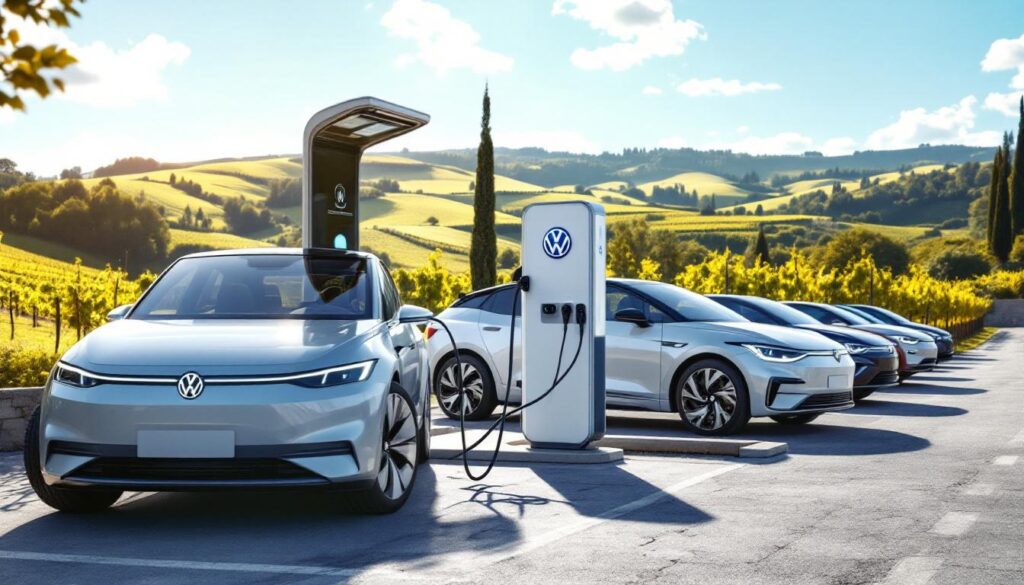

The transition to electric mobility is indeed underway, and Volkswagen knows it. By 2025, as the automotive sector undergoes significant changes, the German manufacturer is ramping up its efforts to develop an efficient charging network in France. With a sharp rise in the number of electric and plug-in hybrid cars on the market, it is crucial to rethink the charging infrastructure to encourage this revolution. Volkswagen is not falling behind in this race and is implementing initiatives aimed at transforming the charging experience for drivers.
The challenges of charging infrastructure in France
To promote the adoption of electric vehicles, the issue of charging infrastructure is paramount. France, a country booming in electric mobility, faces a significant challenge: to create an accessible, reliable, and fast charging network. According to the latest estimates, Volkswagen plans to expand the network with about 18 new charging stations by the end of 2025. This meets the growing demand from consumers who are still hesitant to make the leap to electric due to concerns about charging.
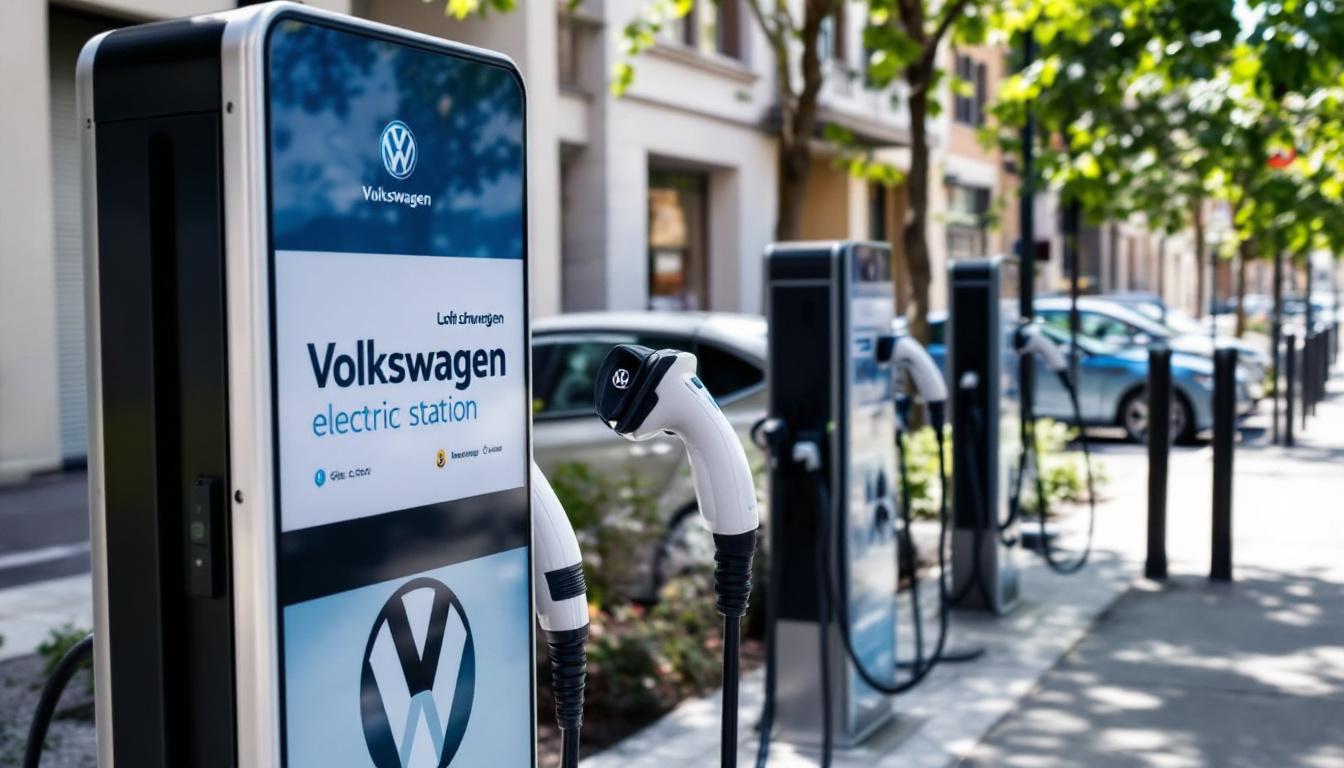
Key figures of electric charging in France
At the end of 2024, France had more than 154,694 public charging points. This figure shows the progress made, but there is still much to do. Drivers often encounter difficulties when searching for an available charging point. Here are some revealing figures:
- 45% increase in electric vehicle sales in France in 2024.
- An electric vehicle driver needs to charge on average 2 to 4 times a week.
- 85% of drivers express concern about the availability of charging points.
It is therefore crucial to improve not only the number of charging points but also their geographical distribution. The Volkswagen network, particularly Electrify France, aims to meet this growing demand with strategically located ultra-fast stations.
Volkswagen's initiatives to improve the charging ecosystem
The Volkswagen group has implemented several initiatives to energize its charging network in France. High-power charging stations, such as those that will be launched under the Electrify France network, aim to significantly reduce charging time. These stations align with the sustainability and innovation values promoted by Volkswagen.
- Development of partnerships with local businesses to install charging points in various public locations.
- Offering charging solutions tailored to users' needs, such as the We Charge service that simplifies access to charging points.
- Creation of a unique charging map allowing drivers to easily locate available stations.
These efforts may seem recent, but they respond to years of research aimed at making charging not only more accessible but also more intuitive.
| Year | Charging Points | Goal |
|---|---|---|
| 2022 | 90,000 | 120,000 |
| 2023 | 110,000 | 140,000 |
| 2024 | 154,694 | 200,000 |
The rise of competing companies: the challenge for Volkswagen
The electric car market is buzzing, and players like Tesla, Renault, and Nissan continue to innovate. Tesla gained an early advantage with its network of superchargers, while other brands such as BMW, Peugeot, and Citroën are attempting to catch up. In response, Volkswagen has realized that a robust charging infrastructure is essential for ensuring a positive customer experience.

Strong competition in the electric charging sector
The growing competition in the electric charging market involves several factors that Volkswagen must consider to remain competitive. Here are some challenges to address:
- Technological Innovation: New battery and charging technologies offering increased speed put pressure on historical players.
- User Experience: Improving user interface and practicality of charging point locator applications is essential.
- Costs: Reducing the cost of charging points remains a major issue to attract more drivers to electric vehicles.
Today's customers seek value, and ease of use is just as valuable as the technology itself. Volkswagen must hit where it truly matters.
Projections for the future of charging in France
Looking to the future, several trends in the electric charging sector could transform the landscape. The rise of artificial intelligence, the automation of charging stations, and renewable energy are all elements that could revolutionize the charging infrastructure.
For Volkswagen, this means staying attuned to trends and potentially changing customer behaviors, in order to adapt and offer solutions in line with these evolutions.
| Competitor | Available Charging Points | Features |
|---|---|---|
| Tesla | 35,000 | Superchargers with rapid performance |
| Renault | 25,000 | Integration with public services |
| Hyundai | 15,000 | Accessible to partner stations |
Volkswagen and the energy transition
At a time when the planet is mobilizing for an energy transition, Volkswagen positions itself as a responsible player by committing to sustainable practices. Electrification and the dissemination of adequate charging infrastructure fall within this ambitious framework. The group strives to reduce its carbon footprint and democratize access to electric vehicles.
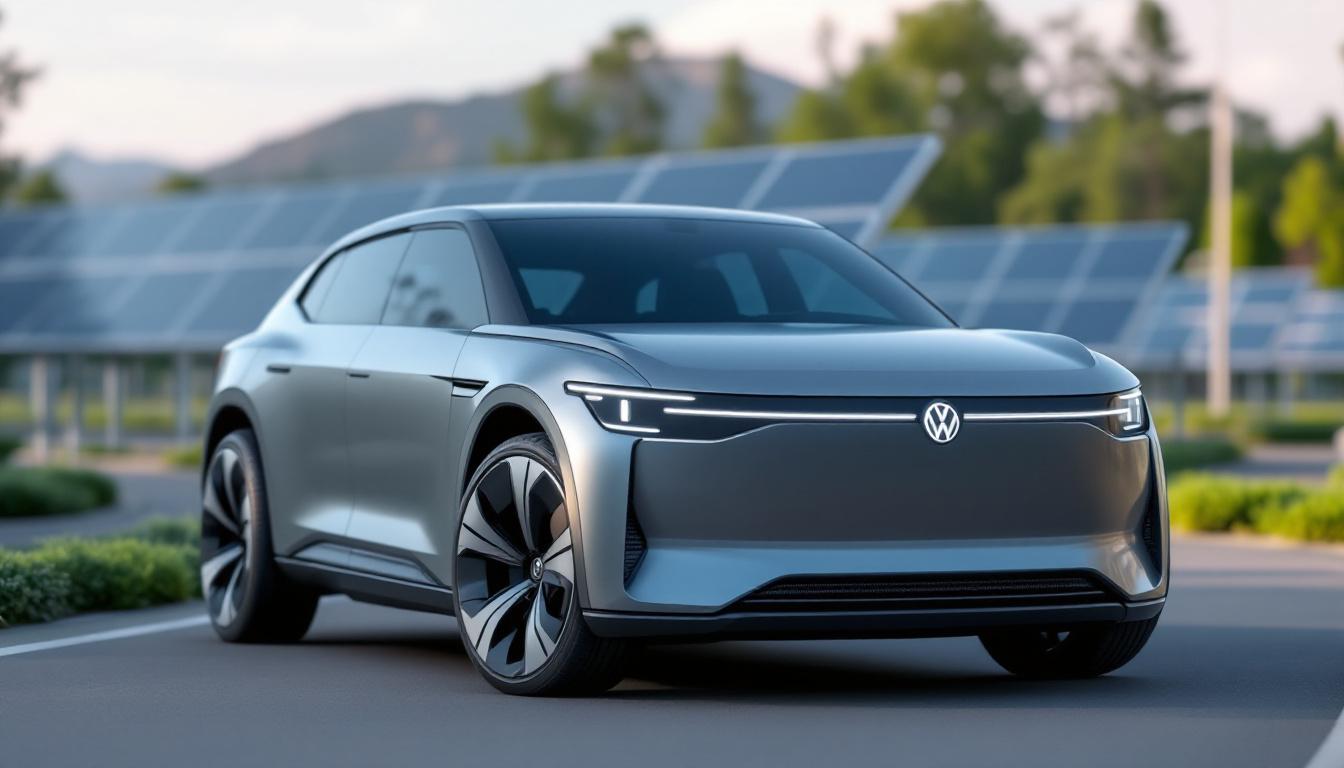
Concrete actions by Volkswagen for the planet
The efforts of Volkswagen go beyond the mere installation of charging points. The manufacturer is also embarking on initiatives to raise awareness and educate users:
- Education: Informing the public about the environmental benefits of electric vehicles.
- Collaboration: Working with municipalities to integrate charging points into sustainable development projects.
- Green Technology: Developing renewable energy solutions to power charging stations.
These actions demonstrate Volkswagen's commitment to play an active role in the transition to a greener and more sustainable future.
The role of local actors in the development of the charging infrastructure
Local authorities are also indispensable partners in this transition. By integrating charging points into public spaces, they offer nearby solutions that promote the adoption of electric vehicles. However, this requires close collaboration with manufacturers.
By 2025, a partnership between Volkswagen and municipalities could lead to more ambitious implementation projects. This model of collaboration is becoming increasingly crucial.
To visualize this dynamic, it is essential to remember that each installed charging point is another step toward mass electric mobility. Keeping this vision in mind, the potential for electric vehicle adoption in France could seek to reach new heights.
| Partner | Type of Initiative | Anticipated Impact |
|---|---|---|
| City of Paris | Installation of charging points in metro stations | Increase in electric vehicle users by 30% |
| Île-de-France Region | Agreements with companies to facilitate installation | Overall better accessibility in the region |
| Local Authorities | Awareness programs | Increased consumer education on the transition to electric |
In this quest for sustainability and innovation, Volkswagen asserts itself not only as a car manufacturer but also as a change agent in a rapidly changing world. The energy transition hinges on the accessibility and reliability of charging infrastructures, and every initiative counts toward achieving this goal. Committing to this path is a strategic choice to ensure the future of both the automotive industry and the climate.
Si vous souhaitez lire d'autres articles tels que Volkswagen is intensifying its efforts to improve the electric vehicle charging infrastructure in France, consultez la catégorie Non classé.
Leave a Reply
Articles relatifs