Volkswagen and BMW: the rise in power against Tesla

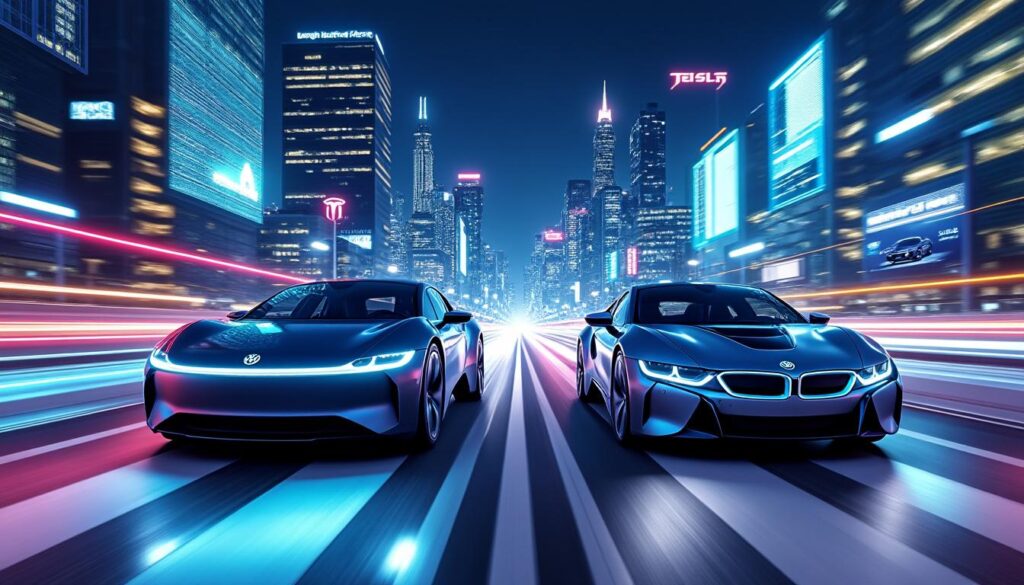

In the vibrant world of electric cars, a quiet war is raging, and no, it's not about two geeks in hoodies debating the importance of range on Reddit. The monarchs of the asphalt, Volkswagen and BMW, seem to finally be waking from their stupor, rubbing their hands in delight at the sight of Tesla's decline, which finds itself playing second fiddle after having been the undisputed king of the electric market. Suddenly, these German giants remind America that sometimes, tradition has its say, even in an era dedicated to innovation.
An unexpected turnaround
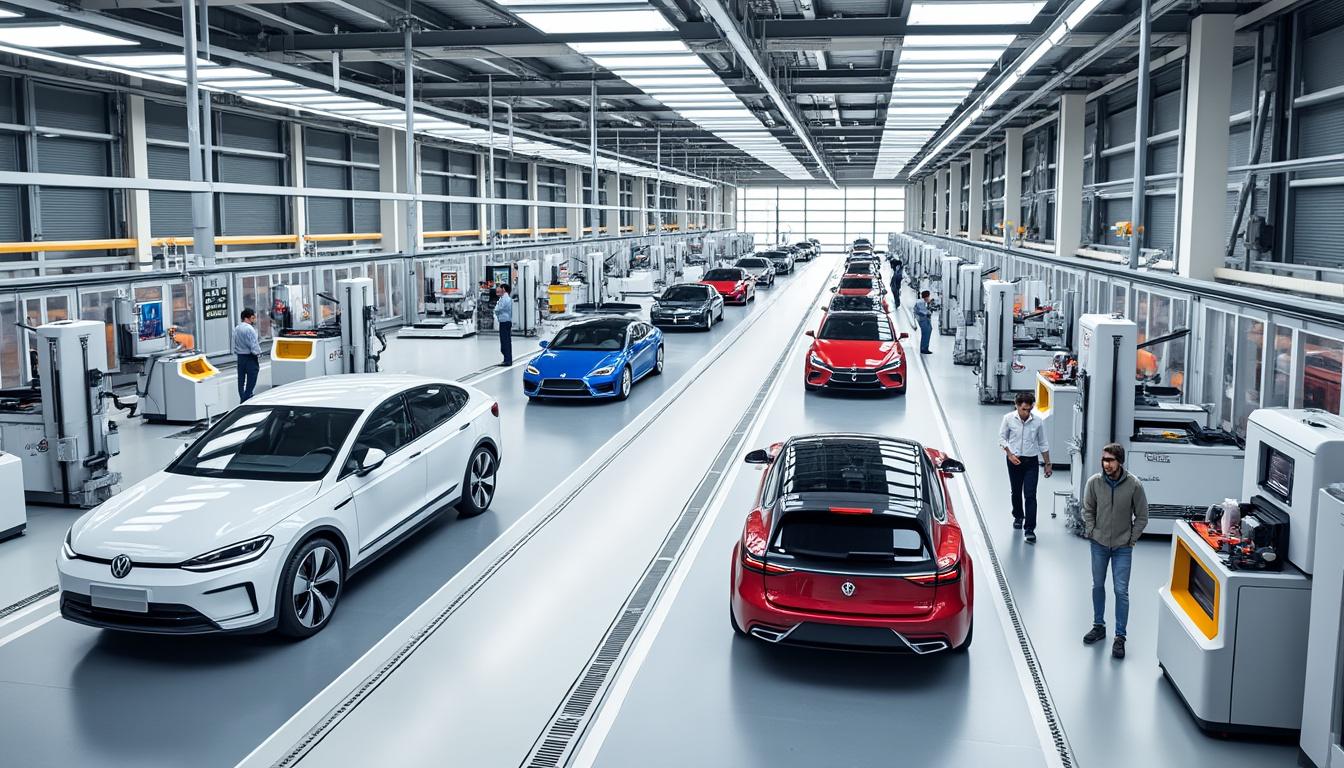
It must be said that the show put on by Tesla in recent years has been worthy of a B-movie. Following grand promises like a magician pulling rabbits out of a hat, Elon Musk seems to have traded his magic for inconclusive political battles, capable of cooling even the most ardent enthusiast. In the meantime, the less fortunate among us watch sales figures like a clock that just keeps turning aimlessly. Indeed, Volkswagen's first factory, the one in Zwickau, produces almost as much as Tesla in Germany, with a rate that would make any coffee distributor green with envy.
Volkswagen strikes hard
Volkswagen's production rate leaves little room for concern. By readjusting the prices of its electric vehicles as one adjusts the pour of a slightly too full bottle of wine, the German group has seen its sales soar. The Zwickau factory, a highlight of industrial expertise, produced 203,000 electric vehicles. In comparison, Tesla was only a breath on this segment, with 216,000 units produced in 2024. The winds are changing, and those who long underestimated the red-collar of the German automotive industry are now forced to realize that the worm is in the fruit.

BMW doesn't lag behind
And what about BMW? The Bavarian manufacturer, adorned with its noble attributes, is now a serious contender in the fight for the hearts of electric car enthusiasts. With its attractive iX1, the company has managed to entice a clientele in search of sustainability without sacrificing driving pleasure. The Dingolfing factory has become a true hive of activity, producing flagship models like the i4 and the iX, proving that a well-established legend can still shine in the new world of electric mobility.
Renault and the others, trailing but not far behind
Let’s not forget the French in this electrifying dance. With its production in Douai, Renault is carving a path toward surprising respect, even though it remains difficult to compete with the German giant. Ultimately, these first six European factories, producing nearly 50% of the vehicles sold, are redefining the automotive landscape. Times are changing, the battles of yesteryear have given way to a modern confrontation, where technology is the battlefield and the customer, the victor.
The rumors of Tesla's downfall are clearly at the heart of discussions, and all enthusiasts are wondering if the king is truly naked or if it’s just a bluff from the competition. Beyond its setbacks, these revelations highlight the depth of the cracks that have formed in an empire that once reigned on the throne of electric cars. The ultimate question remains: Can Volkswagen, BMW, and the others truly fuel the transition to sustainable autonomy, or is it just a mirage? The battle for the heart of electric automobiles is just beginning.
Source: www.automobile-magazine.fr
Si vous souhaitez lire d'autres articles tels que Volkswagen and BMW: the rise in power against Tesla, consultez la catégorie Non classé.
-
Lysandre Verdier says:
Volkswagen et BMW montrent qu'ils savent encore surprendre sur le marché électrique. À suivre de près !
-
C'est fascinant de voir Volkswagen et BMW reprendre le devant de la scène dans le marché électrique.
Leave a Reply to Lysandre Verdier Cancel reply
Articles relatifs