A surprising turnaround for this car manufacturer that was considering switching to fully electric vehicles by 2030

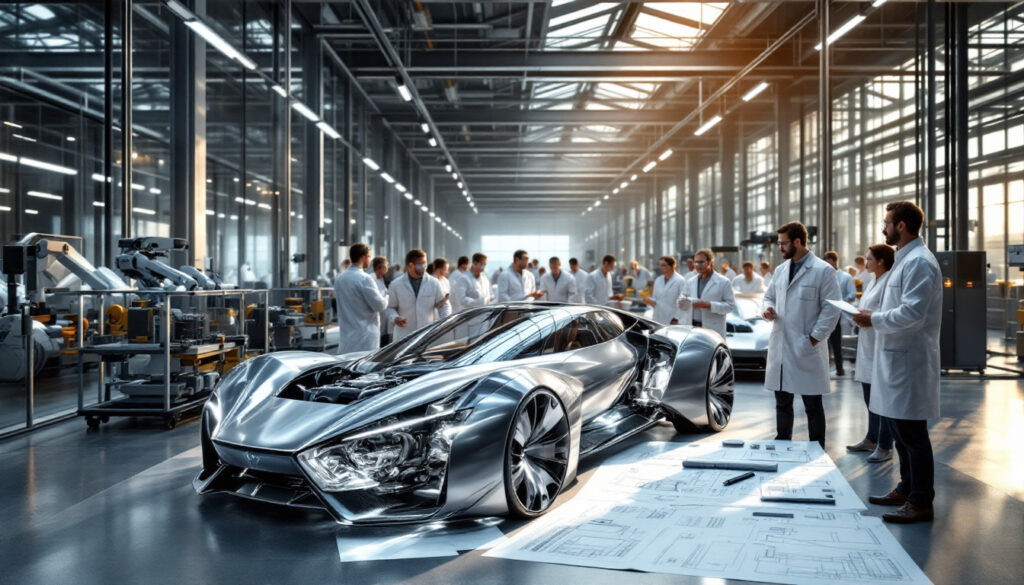

The automotive landscape is constantly evolving, and 2025 marks an unexpected turning point for several brands that had initially promised a rapid transition to fully electric vehicles. This much-praised and awaited decarbonization promise now seems to be facing very real challenges. Market players, once determined to turn the page on internal combustion engines, are stepping back in the face of a complex economic and societal reality. The brand that recently reassessed its strategy perfectly highlights this dynamic by revising its electrification ambitions. Indeed, demand, made up of a multitude of factors—technological, cultural, and economic—seems less robust than anticipated. It is essential to explore this turnaround, analyze the underlying reasons, and identify the consequences that could arise from it.
A worrying observation for electric ambitions
Faced with declining demand for electric vehicles, Mini is the latest example of a major car manufacturer that has decided to revise its electrification plans. Instead of continuing down the path toward 100% electric by 2030, the brand acknowledges a crucial need to maintain its thermal engines for a few more years. This is not an isolated case but a collective reflection of the doubts seeping into the industry.

The reasons for this turnaround are multiple, but mainly related to unmet market expectations and economic uncertainties. A report recently mentioned in the global automotive press highlights that several brands, including well-known ones like Ford, Volkswagen, and Renault, are also hesitating to completely abandon thermal engines. The Mini brand, under BMW's aegis, has clearly indicated that it will continue to offer combustion engines, especially for the American market. But why specialize in a technology that was thought to be outdated?
Market expectations and disappointing deliveries
Sales figures for electric vehicles in Europe clearly show that optimistic forecasts are still far from being met. Many consumers still seem hesitant to switch to electric models, citing concerns about range, charging infrastructure, and especially the initial purchase price of the vehicles. A triangle of concerns has thus formed, hindering this transition to sustainable mobility.
- High costs: Purchasing an electric car requires a significant initial investment.
- Insufficient charging infrastructure: Charging networks are not yet developed enough to accommodate a massive influx of electric vehicles.
- Limited range: Many consumers, especially in rural areas, fear the range of electric vehicles.
Major brands are now realizing that the transition is not only technical but also cultural. Consumer habits are changing slowly, and their trust takes time to build. In the long term, it is therefore crucial for manufacturers to align their production with these changing expectations to avoid creating too large a gap between supply and demand.
| Manufacturer | Initial forecasts (2030) | New vision |
|---|---|---|
| Mini | 100% electric | Maintaining thermal engines |
| Ford | 100% electric | 50% electric, remaining thermal |
| BMW | 50% electric | Confirmation of the goal |
| Volkswagen | 85% electric | Downward revision, market conditions under evaluation |
Geopolitical challenges and their impact on the industry
The production strategy for electric vehicles is also influenced by geopolitical realities. Recent trade tensions have significantly impacted the supply chain, particularly concerning the resources needed for battery manufacturing. Many brands, like Mini, are currently producing some of their models in China, but this situation shows signs of fragility. Customs duties imposed on imported vehicles exacerbate this vulnerability.
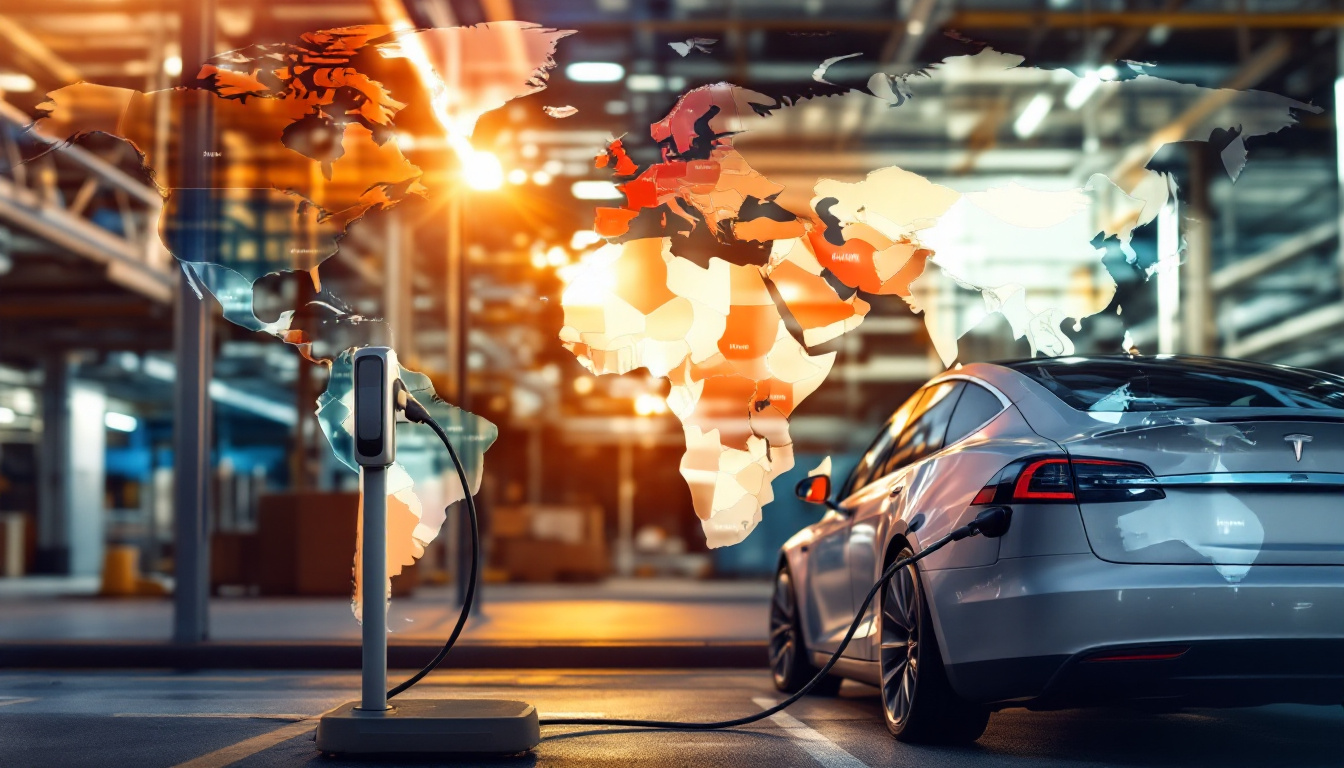
In this context, manufacturers are questioning the relevance of maintaining production at a distance when costs continue to rise due to tariffs and uncertain policies. As such, some brands, like Hyundai and Nissan, are considering relocating their production to less risky territories instead of relying on complex imports.
The consequences of international tensions
This situation brings several notable consequences:
- Increased production costs: Tariffs and transport fees impact profit margins.
- Increased logistical complexity: Supply chains become harder to manage, making production less efficient.
- Strategic revisions: Manufacturers are forced to rethink their global strategies, taking these uncertainties into account.
The reality is that a change as radical as that in the automotive industry requires a deep alignment between product strategy and consumer expectations. It is not just a matter of technology but also of trust and stability. The shift to electric must be as smooth as possible to avoid adding complexity to an already tumultuous sector.
| Geopolitical factors | Direct impact on the industry | Manufacturers' reaction |
|---|---|---|
| Customs duties | Increased production costs | Relocation of certain supply chains |
| Trade policy | Complexity in importing parts | Revision of strategic partnerships |
| Resource consumption | Fluctuations in raw material prices | Investment in local alternatives |
Technological developments and consumer choices
As car brands redefine themselves, it is useful to look at technological advancements. Driver assistance systems, improvements in batteries, and even hydrogen solutions are emerging. These developments bring a new breath to concerns about electrification. Rather than viewing electric as a massive one-way evolution, several manufacturers are considering other avenues. Renault, Peugeot, and Citroën are exploring hybrid solutions that seem to appeal to many buyers.
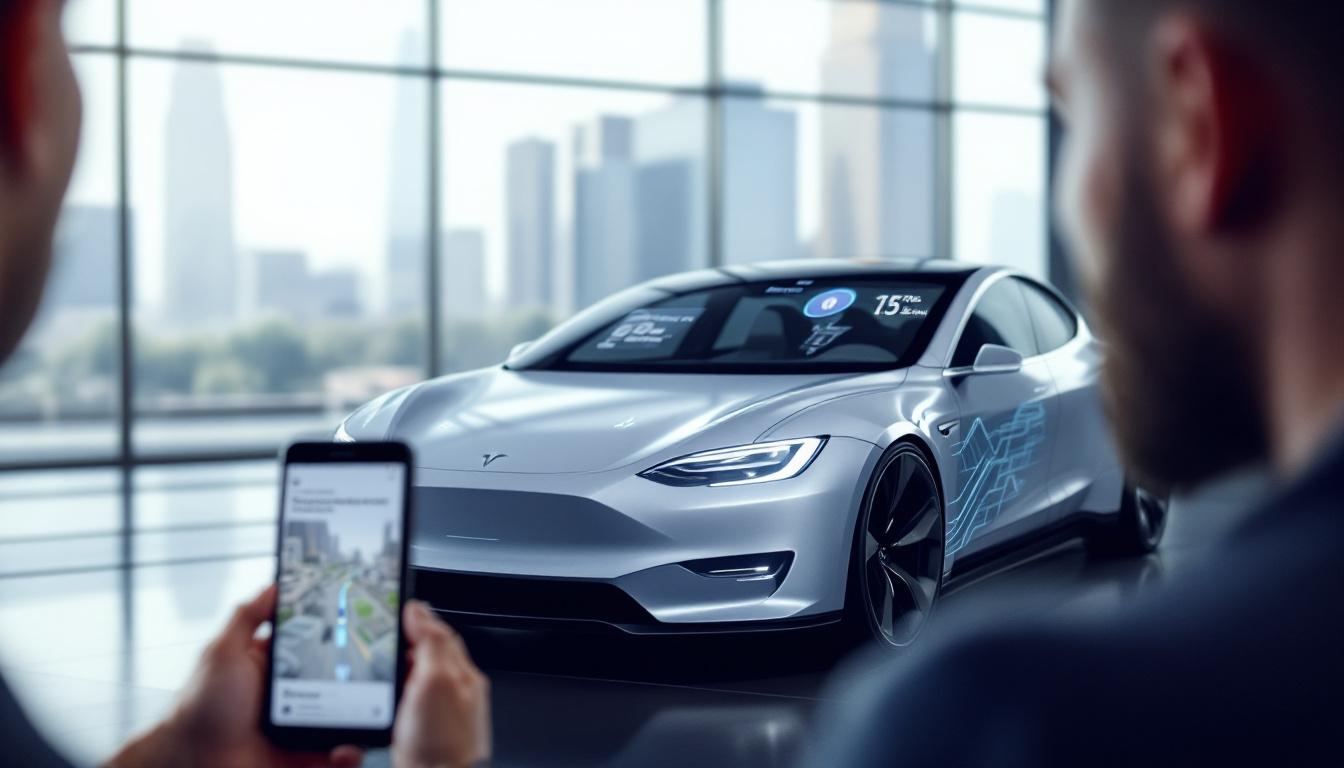
Today's consumers do not yet feel ready to fully commit to electric vehicles. A recent survey indicates that nearly 60% of motorists are considering opting for a hybrid model rather than a fully electric one. This observation highlights a shift in the direction of products offered by brands. Rather than falling into the "electric vs thermal" dichotomy, it is becoming fundamental to think about transitional solutions.
The appeal of hybrid vehicles
Hybrid vehicles, combining internal combustion engines and electric propulsion, offer an interesting alternative for many consumers. The advantages of hybrid models include:
- Flexibility: Ability to choose between fossil fuel and electric energy depending on driving conditions.
- Reduced operating costs: Fuel savings and lower maintenance expenses.
- Less stress regarding range: No fear of running out of battery in poorly served areas.
By offering hybrid or mixed options, brands meet real needs while preparing for the future. This requires thoughtful marketing discourse, involving clear communication about the advantages of these models compared to a forced shift to all-electric.
| Type of vehicle | Advantages | Disadvantages |
|---|---|---|
| Electric | Zero emissions, innovative tech | Initial cost, limited range |
| Hybrid | Flexibility, reduced costs | Technical complexity, specific maintenance |
| Thermal | Low initial cost, established infrastructure | Polluting emissions, dependence on hydrocarbons |
Reflections on the future of electric vehicles
The path to sustainable mobility is fraught with obstacles; however, reflections on electric vehicles remain flourishing. Circuits are being redefined, promoting a new approach. Rather than a brutal transition, the idea of a gradual evolution seems more relevant. The challenge now is to support consumers in this transition, going beyond the simple desire to buy an electric vehicle.
Brands must act as educators, explaining the benefits of electric vehicles while integrating them into a range of choices. The climate urgency should not overshadow the fact that consumer engagement will be built on their satisfaction and experience. This represents a unique opportunity to bring a new dynamic to an industry in full change.
The role of governments
Public policies are also crucial in this evolution. Government support for setting up adequate charging infrastructure, while promoting solutions that make electric vehicles accessible for all, could directly impact consumer adoption.
- Energy subsidies: Reducing the purchase cost of electric vehicles to encourage buying.
- Infrastructure development: Increased installation of public charging stations.
- Information and education: Raising consumer awareness about electric choices.
Market players must therefore reposition themselves by taking advantage of the recent upheavals to offer a vision that encompasses not only technological innovation but also consumer expectations. From an uncertain outcome, this environment has the potential to transform into a genuine opportunity for learning and improvement.
Si vous souhaitez lire d'autres articles tels que A surprising turnaround for this car manufacturer that was considering switching to fully electric vehicles by 2030, consultez la catégorie Constructeurs.
-
Elian Vortex says:
La transition vers l'électrique prend du temps, mais elle est essentielle pour notre avenir.
-
C'est intéressant de voir comment les marques réévaluent leurs plans électriques face à la réalité du marché.
-
C'est intéressant de voir comment l'industrie automobile s'ajuste aux réalités du marché.
Leave a Reply to Cassandre Verdecchia Cancel reply
Articles relatifs