Uber's autonomous taxis are arriving on the market before those from Tesla



2025 marks a decisive turning point in the transport sector with the imminent introduction of Uber's self-driving taxis. This development precedes those of Tesla, fueling the ambitions of the ride-hailing giant to redefine urban mobility. The alliance with the start-up May Mobility promises a revolution in how we move, transforming cities into true laboratories of innovation.
A logical and structured rollout
Uber has taken the lead with a well-defined strategy to launch its autonomous transport services. The first trials of the self-driving taxis are planned in Texas, aiming for a gradual rollout in other major American cities by 2026. The experimentation phase will ensure that everything works as intended before a broader market launch.
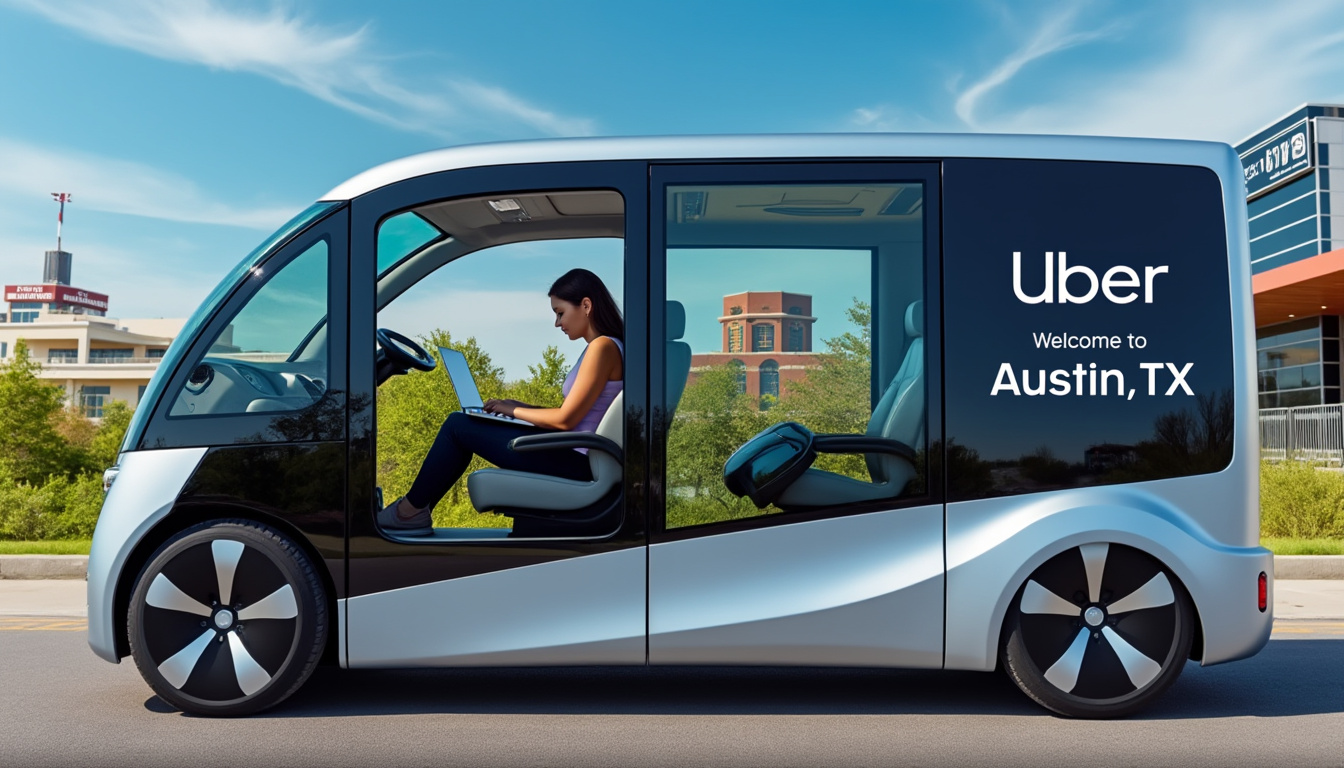
- ✅ Initial launch in Arlington, Texas
- ✅ Introduction of Toyota Sienna equipped for autonomous driving
- ✅ First rides by the end of 2025
Cutting-edge technology
The artificial intelligence system MPDM developed by May Mobility is revolutionary. Capable of analyzing environmental data in real-time, it allows vehicles to react quickly and effectively to unforeseen events. This development perfectly illustrates how innovation can maximize road safety. Here are some key features:
| Feature | Advantage |
|---|---|
| 🔍 Analysis every 200 ms | Rapid response to dangers |
| 📚 Continuous learning | Adaptation to various situations |
| ⚖️ Simultaneous evaluation of scenarios | Informed decision-making |
A strong innovation strategy
To establish itself as the market leader in self-driving taxis, Uber has skillfully multiplied strategic partnerships, particularly with companies such as Waymo and Volkswagen. This approach aims to create a dynamic and adaptable ecosystem of autonomous technologies on their platform. Moreover, this strategy translates into several potential benefits:
- 🛡️ Reduced risk of accidents thanks to autonomous vehicles
- 🚦 Smoother traffic with optimized routes
- ♿ Improved accessibility for people with reduced mobility
An inevitable transformation in urban mobility
The effects of these innovations on the very structure of our cities should not be overlooked. By integrating fleets of autonomous electric vehicles into the urban landscape, the promise of more accessible and sustainable environments becomes achievable. Indeed, the following benefits could transform our ways of traveling:
| Impact | Potential benefits |
|---|---|
| 🌍 Environment | Reduction of greenhouse gas emissions |
| 🏙️ Mobility | Improvement of transport services |
| 📈 Economy | Creation of new jobs in the tech sector |
Ethics, challenges, and perspectives
However, an ethical debate surrounding autonomous vehicles is emerging. Questions arise regarding responsibility in the event of accidents or incidents. The transition to smart mobility also raises concerns about the impact on traditional jobs. Adopting these new technologies requires careful regulatory planning to guide the change smoothly.

As Uber continues to innovate, the shadow of Tesla's ambitions looms. These two giants, each on their own path, are shaping the future of transport. How will consumers respond to these new offerings?
Si vous souhaitez lire d'autres articles tels que Uber's autonomous taxis are arriving on the market before those from Tesla, consultez la catégorie Non classé.
-
Liora Verden says:
C'est fascinant de voir comment Uber va transformer nos villes avec ces taxis autonomes.
-
Les taxis autonomes d'Uber pourraient vraiment changer notre façon de nous déplacer en ville.
-
C'est fascinant de voir comment les taxis autonomes changent notre manière de se déplacer en ville!
-
C'est fascinant de voir comment les taxis autonomes vont changer nos vies en ville.
Leave a Reply to Alyn B. Tournelle Cancel reply
Articles relatifs