translated_content>Why Chinese electric car batteries might lose their supremacy in the coming years

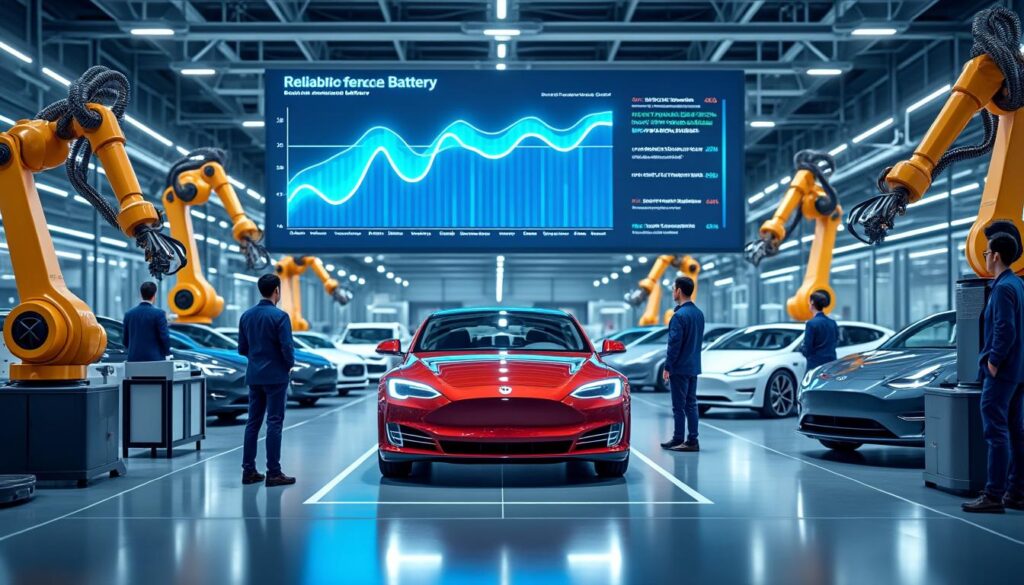

The indisputable dominance of Chinese electric car batteries is being challenged by a series of economic, political, and technological factors. Facing a growing global competition, particularly in Europe and the United States, the question of the future of Chinese batteries becomes crucial. This article explores the elements that could lead to an erosion of this supremacy in the coming years.
Market Overview of Batteries in 2025: The Rise of Challengers
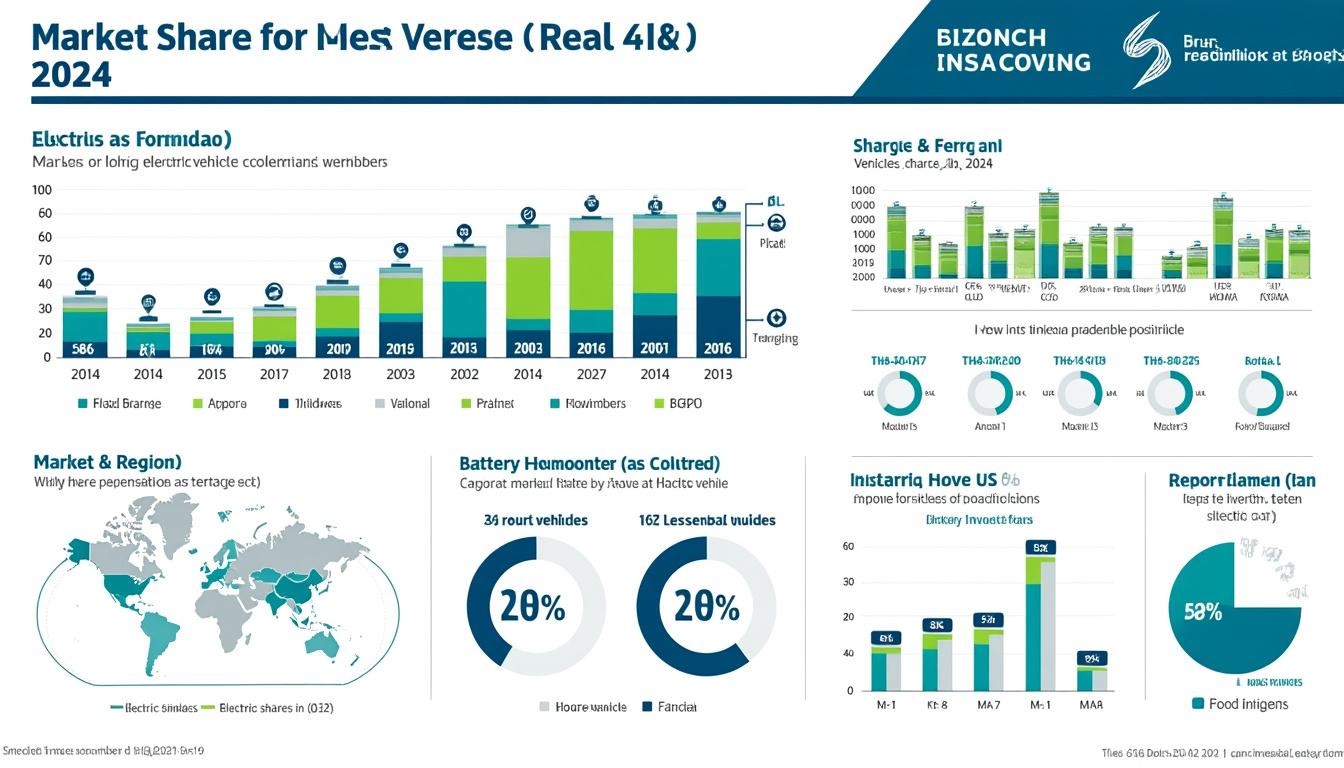
It all begins against an economic backdrop where the demand for electric vehicles (EVs) is increasing exponentially. In 2024, China accounted for approximately 50% of its market share in all-electric vehicles, making its positioning a key asset. However, a disruption is underway, and this dominance is now being contested. The United States, despite a political climate hostile to EVs, surprised the global community with massive investments in battery production. These changes alarm giants like CATL and BYD, who have long occupied the limelight.
By 2025, several major players, including traditional automakers, are entering the battery race, rejuvenating the competitive landscape. Companies such as LG Chem, Panasonic, and Samsung SDI are ramping up their production, bringing a diversity of choices to the market. Furthermore, Europe is stepping up to achieve energy independence. This requires colossal investments in infrastructure and research. By focusing on creating its own supply chain, Europe hopes to reduce its dependence on China.
| Country | EV Market Share 2024 | Battery Investments (in billion $) |
|---|---|---|
| China | 50% | 200 |
| United States | 8% | 160 |
| European Union | 20% | 120 |
This reversal of situation demands reflection: what drives these new investments? To answer this question, it is essential to consider the pressure exerted by public opinion in favor of ecology and renewable energies. Governments, driven by this growing demand for energy transition, are implementing incentive policies that favor green technologies. In this light, competition also revolves around the materials used in battery manufacturing, far surpassing the simple question of production.
The Impacts of Technological Evolution on Electric Batteries
While China has managed to dominate through continuous innovations in lithium-ion battery production, other technologies are emerging, promising viable alternatives that could potentially relativize this supremacy. For example, lithium iron phosphate (LFP) batteries are seeing increasingly widespread adoption. These batteries, cheaper to produce and offering enhanced safety, are becoming favorites among manufacturers like Tesla, which uses them in some of its models.
With ongoing research aimed at improving performance and reducing costs, companies like NIO and Xpeng Motors seem to be taking the change train by developing their own battery technology. In such a context, what is the future of traditional batteries? The answer likely lies in the manufacturers' ability to adapt to the new market demands, particularly regarding sustainability and energy efficiency. New solid-state batteries also represent a promising future pathway.
- Lithium iron phosphate (LFP) batteries: safety and reduced cost
- Solid-state batteries: a technological breakthrough with great promises
- Recycling and second life of batteries: a pathway to sustainability

Another important dynamic is the recycling of batteries, which is becoming a major issue in the sustainability and profitability of the sector. Current research aims to maximize recycling and extend the lifespan of batteries. At the same time, initiatives aimed at obtaining recycled polymer batteries are gaining popularity due to their lower environmental impact.
| Type of Battery | Advantages | Disadvantages |
|---|---|---|
| Lithium-ion | High energy density | Expensive, risky in case of overheating |
| Lithium iron phosphate | Safety, prolonged lifespan | Lower energy density |
| Solid-state batteries | High density, great safety | Technology in development |
The Political Response of the United States and Its Impact on the Market
The political landscape in the United States significantly impacts the electric vehicle market. The change in administration has heavily influenced the laws and regulations regarding the production and purchase of electric vehicles. The "Inflation Reduction Act" implemented by Joe Biden has allowed attractive tax credits for the purchase of an electric vehicle, under conditions of American production. This initiative has already attracted massive investment dollars from manufacturers like Ford and General Motors, who are multiplying battery factory projects on American soil.
However, this economic support could change again with a more hostile administration towards renewable energies. The 2024 election could thus have a direct impact on the economy of electric cars in the United States. If support for the energy transition collapses, it could also influence the overall dynamics of the battery market and, by extension, that of Chinese producers. American dependence on local production, through measures such as "Buy American", aims to reduce the risk of relying on Chinese supply chains.
- Lobbying by the oil industry against electrification
- Public support for the energy transition
- Political polarization and its impact on regulations
The interests of major players in the automotive industry show how political choices will influence the rise or fall of certain players, whether American or Chinese. The strategies of the United States may well serve as an example for other nations, like Europe, which are also striving to implement policies aimed at greater energy independence and reducing reliance on China.
Divergence of Strategies Between Europe and China in the Battery Sector
The European response to the rising power of China is one of the most fascinating aspects of the current market. Given the real threats to their energy autonomy, countries like France, Germany, and Italy are taking concrete steps. France, with initiatives like the "Battery Valley," is committing massive funds to promote the design and assembly of batteries.
Technological advances and environmental concerns also encourage collaboration between companies. Korean companies like LG Chem and Samsung SDI are playing a crucial role, investing billions of dollars to establish factories and partnerships in Europe.
| Country | Battery Investment (in billion $) | Ongoing Projects |
|---|---|---|
| France | 12 | Battery Valley |
| Germany | 15 | Production plants |
| Italy | 5 | Collaboration with Korean companies |
Chinese investors, other than those already well-established, are seeking to capitalize on the rise of batteries by establishing themselves in Europe. This could, in the long run, modify their market share, which would have been 10% in 2024, to climb to 30% by 2030 due to the opening of new factories and international collaborations. This trend could force European producers like Renault and Volkswagen to respond in order to counter the push from Asian manufacturers.

Conclusion: What Challenges Lie Ahead for the Battery Market?
The coming years promise to be crucial for the future of electric car batteries, with a fierce competition intensifying between Europe, the United States, and China. Each party is doing its utmost to seize the powerful opportunities of a rapidly changing market. For Chinese manufacturers, the need to diversify their activities and internationalize may well be the key to their sustainability. In this dynamic, the development of second-life batteries, as explained in this article on recycling, could also play a crucial role, just as the quest for a more sustainable and environmentally friendly future.
As each region seeks to break free from its dependence on industry giants, only time will reveal whether Chinese batteries will maintain their place in the market or if they will soon be surpassed by agile and innovative competitors.
Si vous souhaitez lire d'autres articles tels que translated_content>Why Chinese electric car batteries might lose their supremacy in the coming years, consultez la catégorie Non classé.
-
Lysandre Bardot says:
L'article met en lumière des défis intéressants pour les batteries électriques. À suivre de près !
-
La montée de la concurrence pourrait vraiment changer la donne pour les batteries chinoises.
-
L'évolution rapide des batteries pourrait vraiment changer la donne pour tous les acteurs du marché.
-
Les développements dans le secteur des batteries sont fascinants, j'ai hâte de voir l'avenir!
-
Il est intéressant de voir comment la concurrence évolue sur le marché des batteries.
Leave a Reply to Séraphine Verdant Cancel reply
Articles relatifs