Toyota and the electric vehicle: a clever strategy rather than a delay

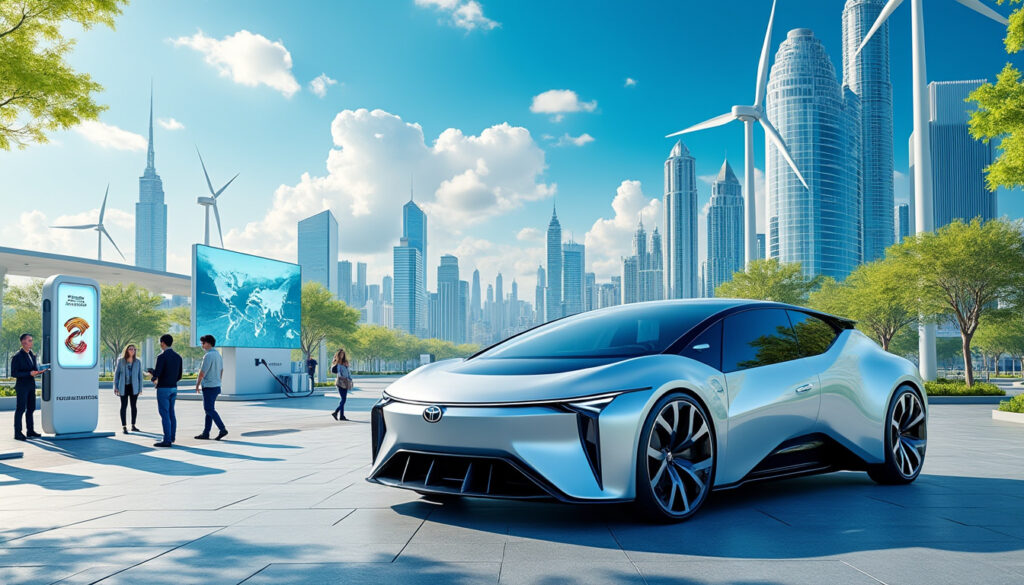

Criticized for its apparent delay in the electric field, Toyota seems to have developed a clever strategy aimed at catching up while maintaining its core values. Combining innovation, sustainability, and expertise in hybrid vehicles, the Japanese giant is preparing to transform its approach in the face of an inevitable energy transition.
A well-calculated transition to electric at Toyota
Long perceived as a follower in the race for electric vehicles, Toyota confidently unveils its strategy in 2025. Indeed, the Japanese manufacturer plans to launch no fewer than 15 fully electric models by 2027, marking a real turning point. In a rapidly evolving market, this response to growing consumer expectations is seen not only as a necessity but also as a strategic innovation.
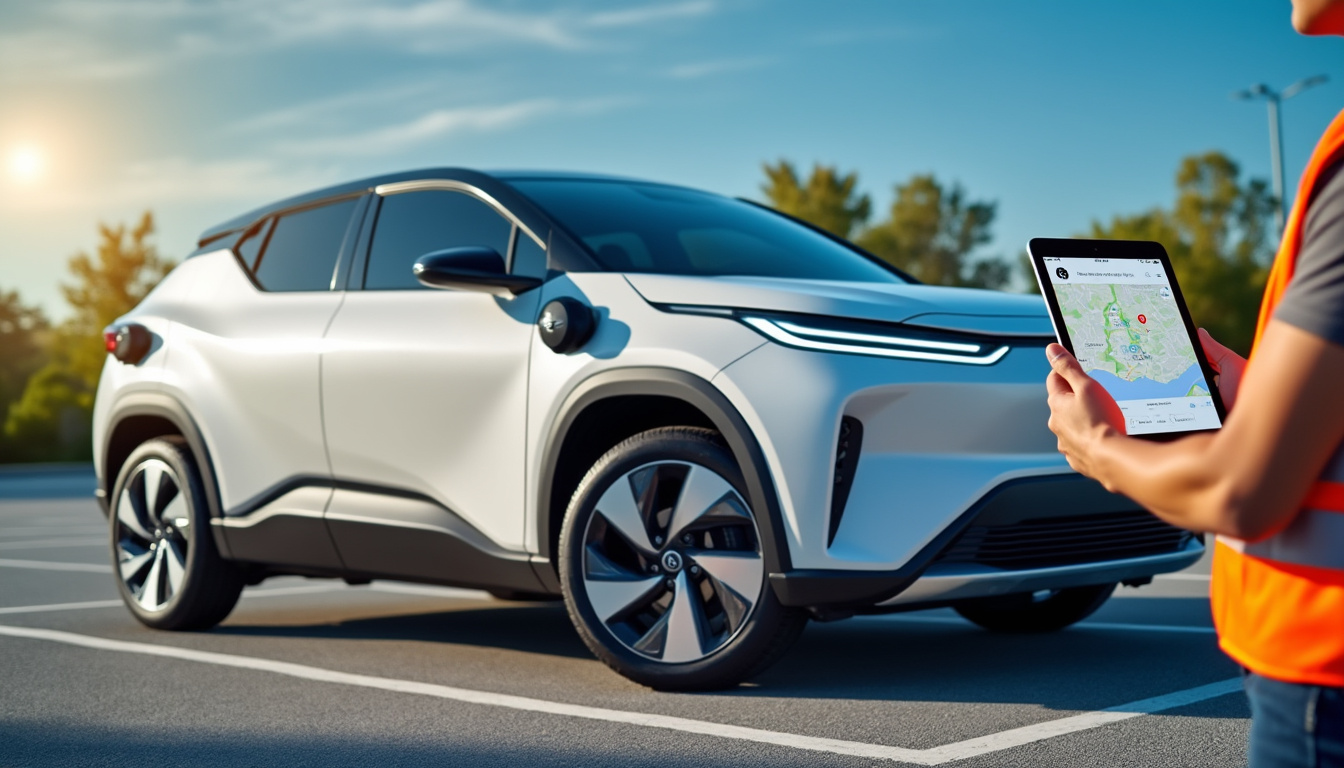
The priority segments of the new electric range
The American and European markets will particularly welcome the SUVs, crossovers, and pickups of this new fleet. Here are some key points about this evolution:
- 🚗 Targeted production: Focus on high-demand models.
- 🌍 Global visibility: Address a diverse international customer base.
- 📈 Trend anticipation: Take into account the rise of electric cars.
Resources and innovations: the Toyota ecosystem in motion
The transformation of Toyota is not limited to a mere update of its range. The entire Japanese ecosystem is being revitalized, with a strong emphasis on electrification. Toyota's main suppliers, such as Denso and Aisin, are increasing their investments in research and development.
| Supplier | Planned R&D Investment (in millions of dollars) | Areas of Expertise |
|---|---|---|
| Denso | 2000 | Batteries, hybrid systems |
| Aisin | 1500 | Autonomous driving systems |
| Toyota Industries | 1000 | Electrification technologies |
The stakes of competitiveness against emerging players
The rapid rise of Chinese manufacturers is a decisive factor for Toyota. Indeed, these new players, bolstered by rapid technological advancements, exert considerable pressure on market leaders. To remain competitive, Toyota must:
- 🥇 Accelerate the development of 100% electric platforms.
- 🔋 Invest massively in battery technologies.
- 🤖 Innovate in autonomous and connected driving.
A symbol of cultural change: Denso and the abandonment of internal combustion engines
A key player in this transformation is Denso, which recently announced a total cessation of its investments in internal combustion engines. This decision reflects a profound cultural shift in the Japanese automotive industry, which has been reluctant to abandon well-mastered technologies.

Impacts and perspectives
The implications of this shift at Denso and other suppliers could permanently alter the automotive landscape. For Toyota, the time has come to establish a true leadership position in electrification, by partnering with allies who share this vision. Here are some lessons to be learned:
- 🔄 Adaptability: Adapting quickly to market demands is essential.
- ✨ Collaboration: Working with experts to redefine standards.
- 💡 Long-term vision: Focusing on sustainable mobility and lasting solutions.
Future challenges: towards concrete sustainability
Toyota's strategy is part of a broader vision of sustainability and compliance with environmental standards. Looking ahead to 2025, commitments regarding renewable energy are more relevant than ever. The shift to sustainable energy solutions is now considered essential.
| Business Strategies | Expected Benefits | Long-term Goals |
|---|---|---|
| Persistent Innovation | Improvement of brand image | Leader in electric vehicles |
| Strategic Partnerships | Acceleration of development cycles | Reduction of carbon footprint |
| Focus on electric | Adjusted responses to market needs | Increased customer satisfaction |
Ultimately, Toyota's strategy proves to be a skillful blend of innovation and pragmatism. By betting on a thoughtful energy transition and adapting its ecosystem, the manufacturer shows that it is capable of navigating brilliantly in a market as competitive as the electric one. 🌟
Si vous souhaitez lire d'autres articles tels que Toyota and the electric vehicle: a clever strategy rather than a delay, consultez la catégorie Non classé.
-
Lysandre Dufrénois says:
C'est intéressant de voir comment Toyota évolue et s'adapte à ces nouveaux défis.
-
Toyota a vraiment besoin de se concentrer sur l'électrique pour rester compétitif.
Leave a Reply to Zelphie Verdi Cancel reply
Articles relatifs