The Vatican is making progress in electrifying its car fleet

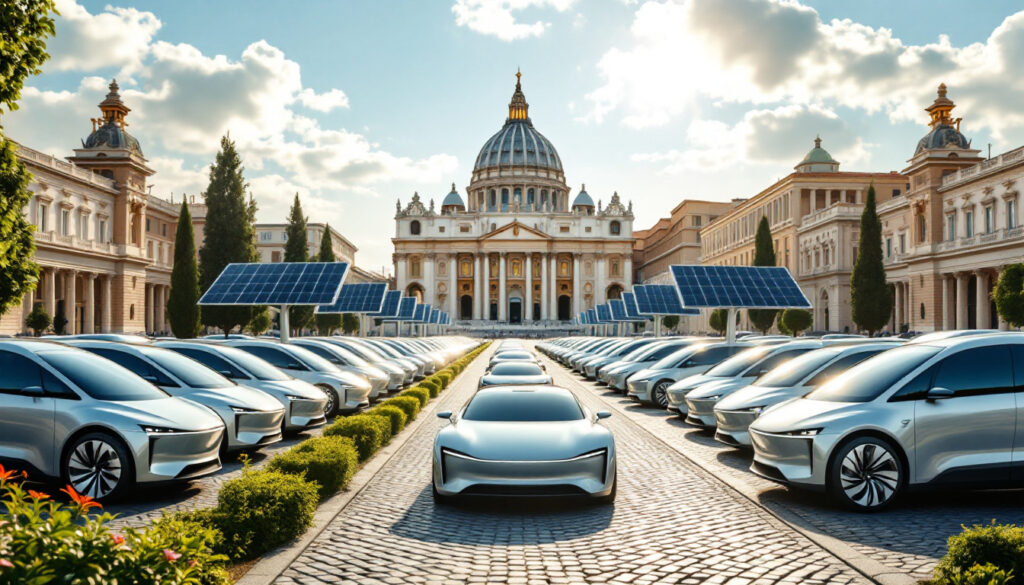

The Vatican, while being the smallest country in the world, shows an unprecedented determination in its quest for a sustainable future. The authorities of the City are moving towards the electrification of their vehicle fleet, a bold choice that marks a significant advancement in the fight against climate change. This initiative concerns not only symbolic vehicles like the famous Papal car, but extends to the entire fleet of the city-state, integrating modern and sustainable automotive technologies. A strategic partnership with Volkswagen helps to accelerate this transition, proving that even the smallest nations can take concrete actions in favor of the environment.
Why is the Vatican changing its vehicle fleet?
The Vatican is rapidly approaching its ambitious goal: to achieve carbon neutrality by 2030. By adopting electric vehicles, the city-state demonstrates its commitment to a sustainable future. This decision is not based simply on ecological awareness but also responds to a growing need for legitimacy in the global fight against climate change. Furthermore, it reflects a willingness to be a model for other nations to follow.
Bold ideas for a sustainable future
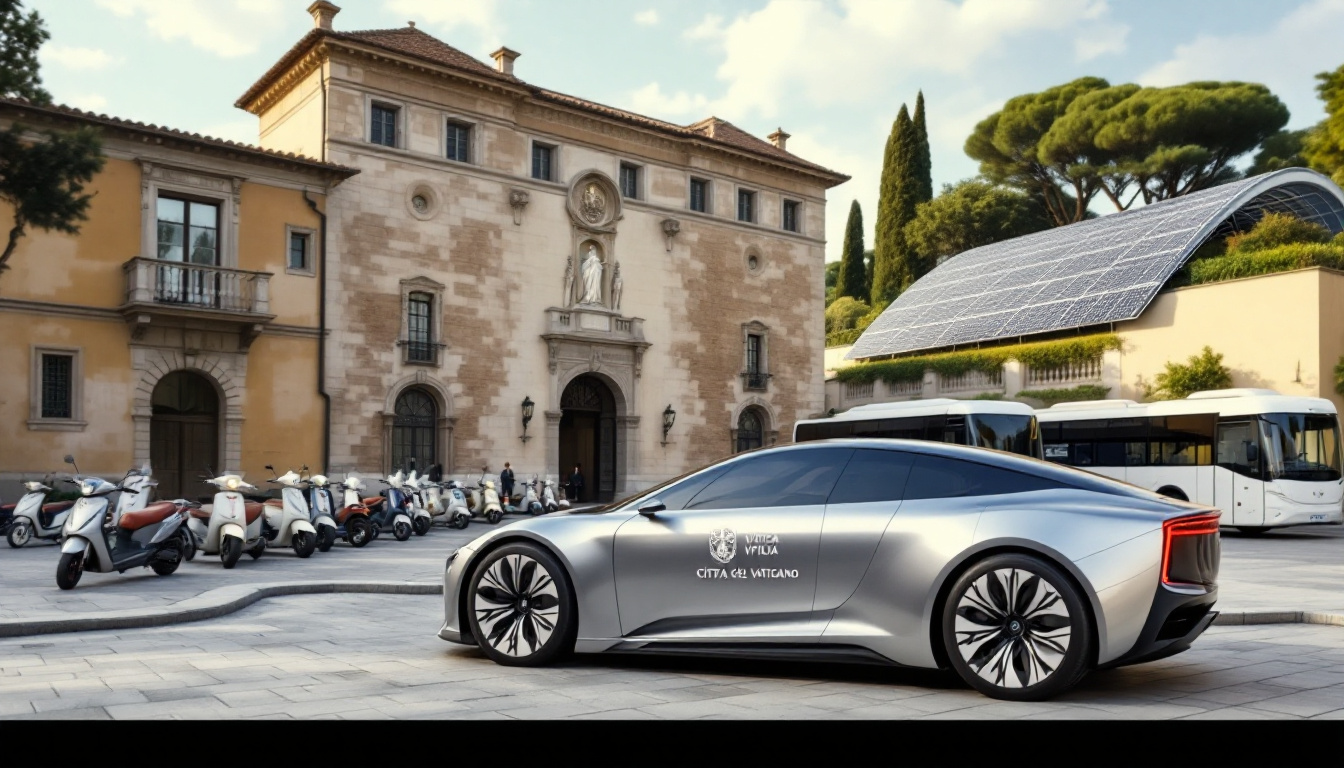
Green mobility is now at the heart of the Vatican's concerns. This radical change involves not only the introduction of new models but also the establishment of infrastructure compatible with renewable energies. Here are some motivations behind this reform:
- Significant reduction in CO2 emissions.
- Improvement of air quality through the transition to clean vehicles.
- Promotion of the use of environmentally friendly automotive technology.
- Inspiration for other countries to engage in similar initiatives.
A strategic partnership with Volkswagen
The Vatican has chosen Volkswagen as a partner for this transformation. This automotive manufacturer is at the forefront of innovation, particularly in the field of electric vehicles. The Vatican's choice to opt for renowned brands like Volkswagen paves the way for reliable and efficient technologies. This decision is based on an agreement that stipulates the progressive supply of new electric vehicles, thus ensuring a smooth and effective transition.
The new electric vehicles that will be integrated into the vehicle fleet include models suited for different types of use, ranging from official cars to utility vehicles. This choice of diversity meets the specific needs of the city-state, allowing flexibility in vehicle usage.
The fleet of electric vehicles: innovations and models
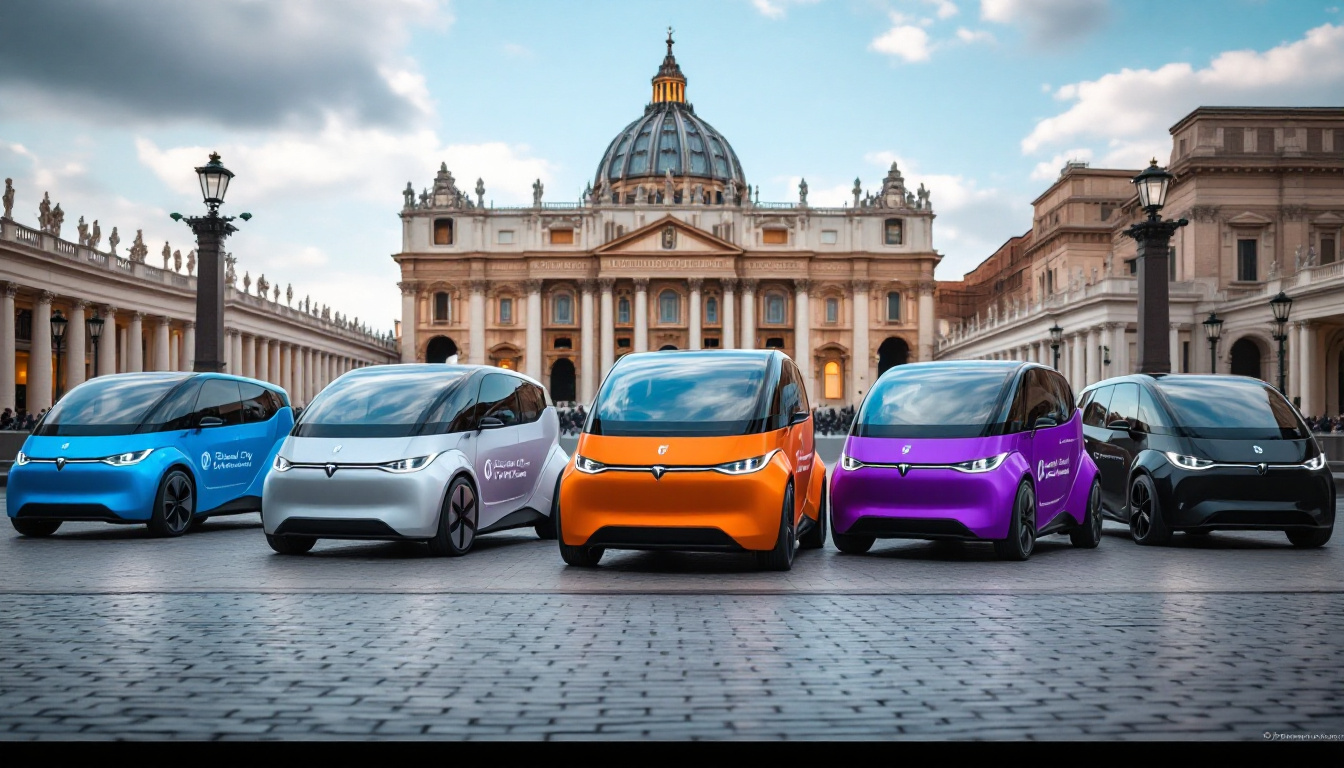
The Vatican recently enriched its fleet with the acquisition of 14 new electric vehicles, delivered by the Italian company Exelentia. This renewal includes various models tailored to the unique needs of the Vatican. For instance, passenger transport vehicles are now available, providing increased comfort for visiting dignitaries.
Models adapted to specific needs
The order includes several types of vehicles, demonstrating a targeted approach aimed at meeting the varied requirements of the State. Among them are:
- Melex 343: extended vehicles adapted for transporting dignitaries during official events.
- Exelentia Goupil: small cargo trucks, ideal for deliveries within the city-state.
Environment and automotive technology
This transition to electric vehicles aligns perfectly with the overall goal of ecological transition. Indeed, the choice of these vehicles not only reduces carbon footprint but also adopts technological innovations. The charging systems for these cars will be integrated into the electrical network, using renewable energy sources.
This initiative echoes other eco-friendly practices. For instance, a photovoltaic glass roof has been inaugurated in the Vatican Museums, demonstrating that the investigation into renewable energies extends to all areas.
The challenges of electrification in the Vatican
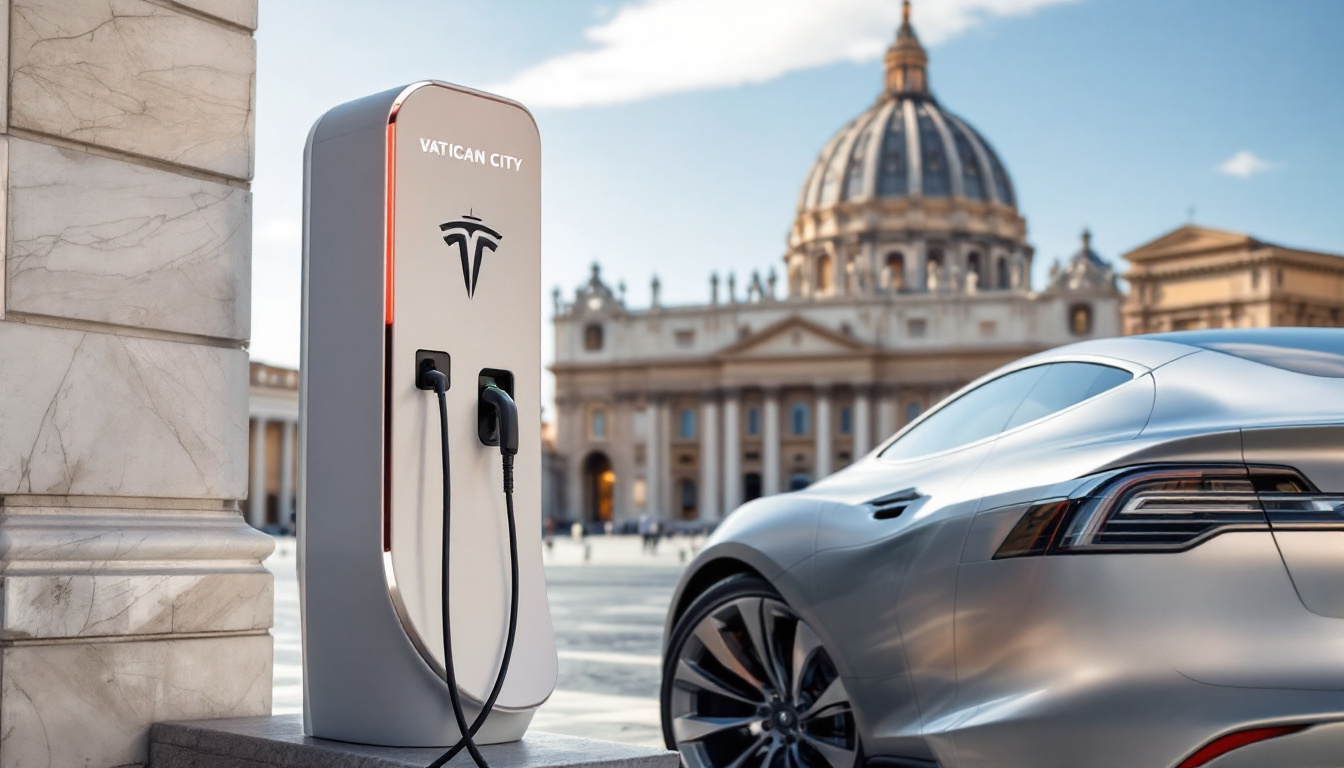
Despite the enthusiasm generated by this electrification of the vehicle fleet, the Vatican faces challenges. The transition to electric vehicles involves significant investment, particularly in terms of infrastructure. The creation of charging stations is essential to support this initiative. Without adequate infrastructure, the transition will be incomplete.
The infrastructure and its importance
One of the crucial steps in the transition strategy is the establishment of a network of charging stations. This network must be expanded to ensure that every new electric vehicle can be charged effectively. Here are key factors to consider:
- Strategic location of charging stations for easy access.
- Use of innovative technology to speed up the charging process.
- Collaboration with companies specialized in installing charging stations.
A matter of sustainability
Beyond logistical challenges, the priority remains on the environmental impact of these choices. The Vatican strives to engage in sustainable practices, promising that every new vehicle integrated will be powered by 100% renewable energy. This reinforces the image of the Vatican not only as a religious center but also as a responsible actor in the fight for a healthy environment.
An example to follow for the world
Over the years, the Vatican has demonstrated its ability to respond to the challenges that arise. With the electrification of its vehicle fleet, it aspires to become a leader in sustainability. By addressing the climate emergency, the city-state sends a clear message: every initiative counts in the preservation of our planet.

Inspiring other nations
This initiative also attracts the attention of other nations. The Vatican can serve as a model for governments across the globe, not only in the field of mobility but also in decision-making aimed at a more sustainable future. The message is clear: it is time to act.
The benefits of a proactive approach
Concrete actions like those of the Vatican demonstrate a desire to adopt a culture of innovation and responsibility. Here are some benefits:
- Strengthening international legitimacy in sustainability matters.
- Creating an example that can be replicated by other small nations.
- Sincere commitment to monitoring the effects of climate change.
Automotive technology: a promising future
As the Vatican progresses in this electrification journey, it is interesting to look at how automotive technology is evolving. Renowned brands like Volkswagen are investing heavily in research for more environmentally friendly vehicles.
Continuous innovation
Automotive technology is characterized by constant innovation. Recent advances include:
- Longer-lasting batteries, allowing vehicles to cover more distances on a single charge.
- Assisted driving features that enhance safety and comfort for drivers.
- Lightweight materials improving the energy efficiency of vehicles.
The role of governments in the transition
The transition to electric vehicles cannot happen without strong government support. Countries must create incentive policies, including subsidies, to encourage the electrification of public fleets. The Vatican, though unique in its nature, demonstrates that even locally made decisions can have a global impact.
The measures taken by the Vatican, ranging from reducing carbon emissions to improving infrastructure, create an integrated approach. These combined aspects show that change is possible, provided there is the will to act.
Si vous souhaitez lire d'autres articles tels que The Vatican is making progress in electrifying its car fleet, consultez la catégorie Non classé.
-
Elowen Tricorn says:
Le Vatican montre l'exemple avec ses efforts pour une mobilité durable et innovante.
-
C'est inspirant de voir le Vatican s'engager pour un avenir durable avec des véhicules électriques.
-
C'est inspirant de voir le Vatican s'engager pour l'environnement avec des voitures électriques.
Leave a Reply to Eléonore Draguignan Cancel reply
Articles relatifs