The truth about the ecological impact of electric cars: myth or reality?

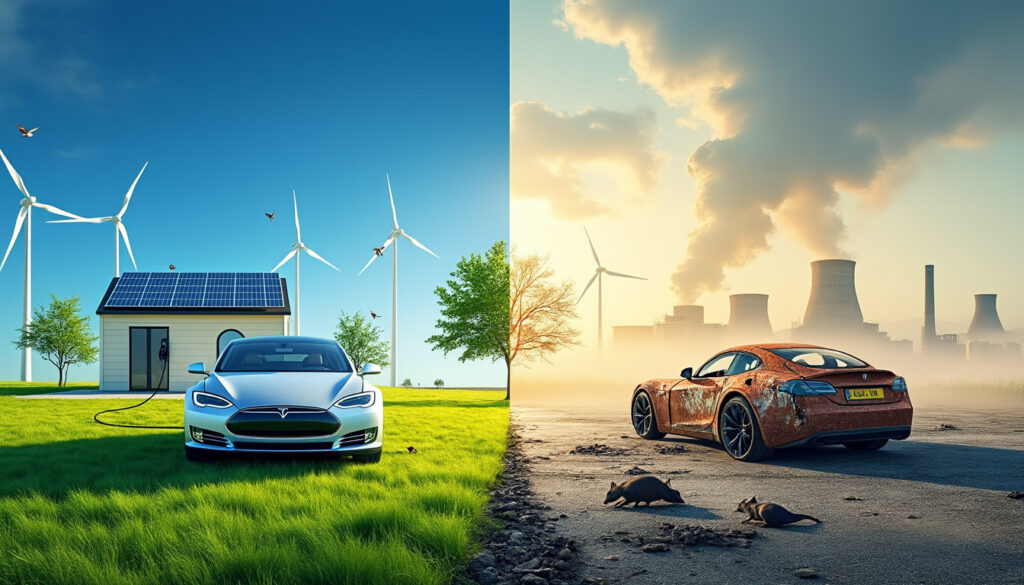

Electric cars, often presented as the cure-all for a future without emissions, raise passionate debates about their true ecological impact. Between promises of green mobility and concerns related to the extraction of raw materials, it is essential to ask: what are the hidden truths behind these shiny new models? Let’s dive into the world of electric cars to better understand their ecological footprint.
Critical materials: the other side of the coin
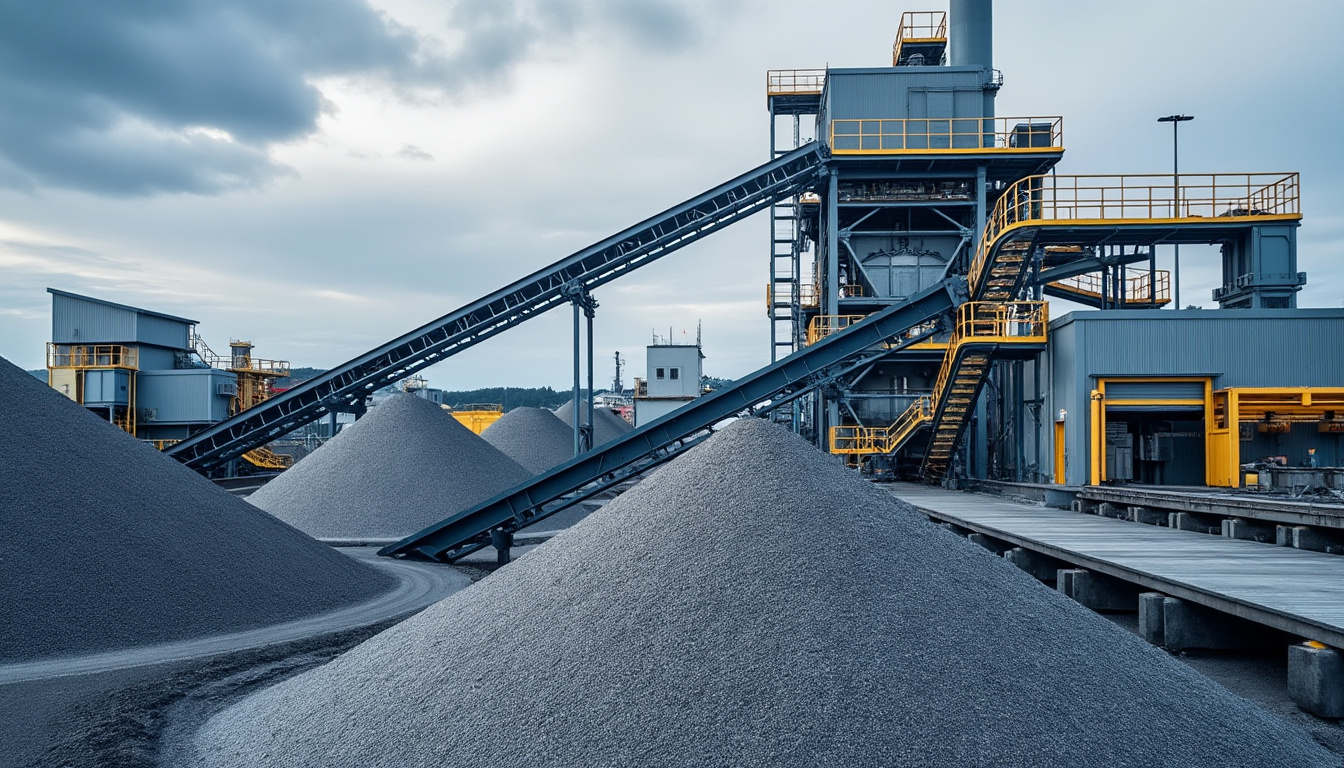
The heart of electric cars lies in their batteries, composed of critical materials such as lithium, cobalt, and nickel. In 2022, global lithium extraction reached about 130,000 tons, an impressive figure but minuscule compared to the 4.4 billion tons of oil extracted in the same year. This contrast raises questions about the territorial impact of this extraction:
- 🔋 Less than 0.01% of habitable land is used for the extraction of battery materials.
- ⚒️ Lithium comes primarily from the “lithium triangle”: Argentina, Bolivia, Chile.
- 🌍 Cobalt, on the other hand, comes from the Democratic Republic of Congo, a concerning fact for human rights at 70%.
- 🏞️ Nickel is extracted in Indonesia, the Philippines, and Russia.
Carbon footprint: a nuanced perspective
The concept of ecological impact becomes more complex when discussing the carbon footprint. Indeed, an electric car requires about 173 kg of additional mined materials compared to a thermal car. While this may seem alarming, it is crucial to put these figures into perspective. Over the lifetime of a thermal car, it will consume approximately:
| 🔍 Indicators | 🚗 Thermal cars (in liters) |
|---|---|
| Fuel consumed | 17,000 liters |
| CO2 emissions | ≈ 12.5 tons of fossil fuels |
Fossil fuels involve extraction, refining, and transportation processes that are the source of ongoing pollution. In comparison, battery materials can be recycled at the end of their life cycle, a crucial asset for reducing long-term environmental impact.

A look at the social reality of extraction zones
Working conditions in mines, especially those for cobalt, are often criticized. Organizations like Amnesty International have highlighted cases of child labor and dangerous conditions in these areas. However, it is essential to recognize that mining is not exclusively problematic in this sector:
- 🏴☠️ Oil extraction zones, like the Niger Delta, have also experienced human rights violations.
- ⛏️ Other sectors, such as coal extraction, share similar challenges in terms of ethical responsibility.
- 🤝 Initiatives like the Fair Cobalt Alliance aim to improve extraction conditions while raising awareness about ethical practices.
Recycling, an underestimated asset
One aspect often overlooked in this debate is the recycling capability of batteries. Unlike fossil fuels, which are permanently consumed, battery materials can be recovered:
| 🔄 Materials | 📊 Current recycling rate | 📈 2030 target |
|---|---|---|
| Lithium | 50-60% | 90% |
| Cobalt | 80-90% | 95% |
| Nickel | 80-90% | 95% |
Projects like Renault at Flins illustrate that the circular economy is not a utopia, but an emerging reality. From a long-term perspective, these technologies will help reduce extraction needs, thereby reducing environmental impacts.
Emerging technologies: towards an optimized future
The technological landscape is rapidly evolving. Batteries such as lithium iron phosphate (LFP), which eliminate the need for cobalt, are gaining popularity. Companies like Tesla and BYD are already adopting them. Other alternatives, such as sodium or solid-state batteries, could potentially transform the market:
- 🔌 Sodium batteries: abundant and durable materials.
- ☢️ Solid batteries: energy up to 80% more efficient than current models.
These innovations will provide solutions to reduce the mining impact related to electric vehicles, while ensuring that thermal cars will continue to intrinsically depend on fossil fuels.
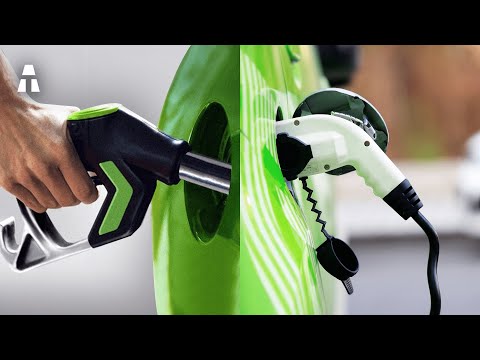
In conclusion, despite a mining extraction challenge that cannot be ignored, the ecological footprint of electric cars remains largely more favorable compared to thermal vehicles. In France, where the electric mix is mostly decarbonized, the electric transition emerges as a clear strategy to combat climate change. Thus, individual choices in favor of an electric vehicle can contribute to a more sustainable future while promoting ethical practices within the industry.
Si vous souhaitez lire d'autres articles tels que The truth about the ecological impact of electric cars: myth or reality?, consultez la catégorie Non classé.
-
Zéphirin Duval says:
Les voitures électriques sont plus écologiques, mais il faut penser à leur fabrication et recyclage.
Leave a Reply to Zéphirin Duval Cancel reply
Articles relatifs