the Technological revolution of the BMW i7: an electric car ready to transform the automotive landscape

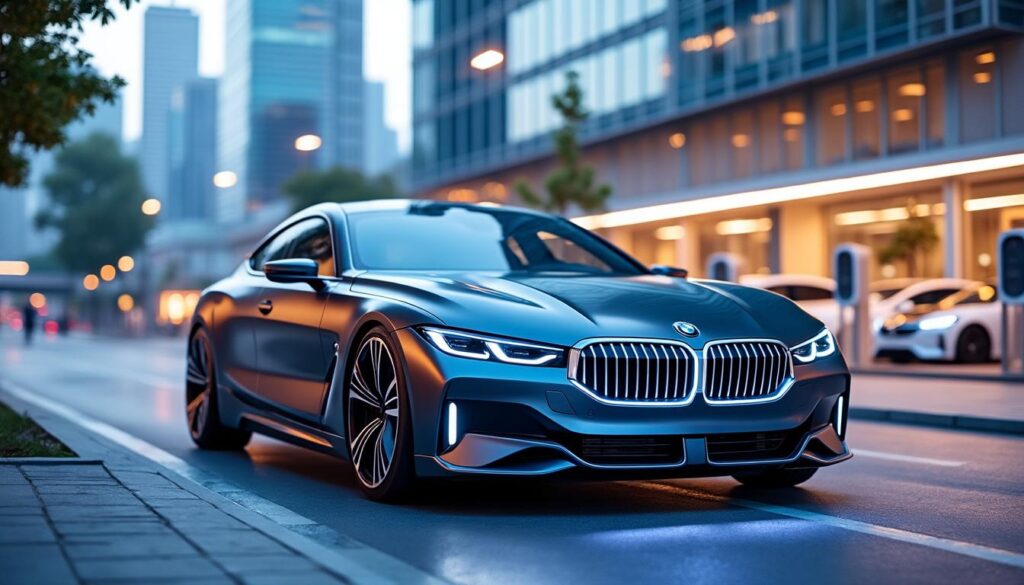

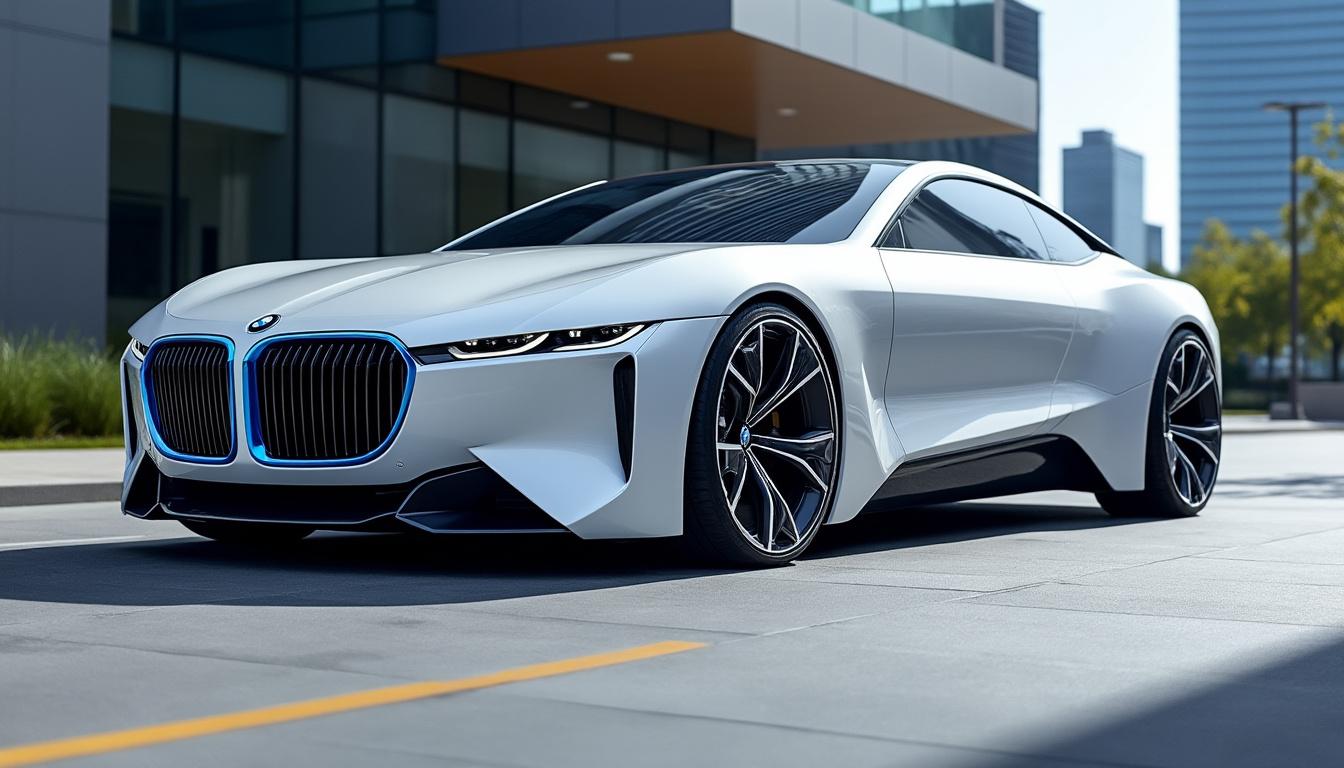
The BMW i7, a true gem of automotive engineering, stands at the forefront of electric revolutions. Integrating cutting-edge technologies, it illustrates the future of luxury cars while disrupting established norms. Indeed, in a market dominated by giants such as Tesla, Audi, Volkswagen, and Mercedes-Benz, the BMW i7 does not merely follow the trend; it sets new standards. With impressive range and solid battery technology under development, this model already promises to significantly transform the automotive landscape.
The technological advances of the BMW i7
The BMW i7 stands out with its technical features that raise the bar even higher in the world of electric vehicles. At a time when even iconic brands like Tesla and Audi are investing heavily in innovation, the i7 heralds major breakthroughs. At the peak of this evolution lies solid-state battery technology, or ASSB (All Solid-State Batteries). This type of battery is promising as it reveals a potential for autonomy and performance unmatched by traditional lithium-ion batteries.
Solid-state battery technology
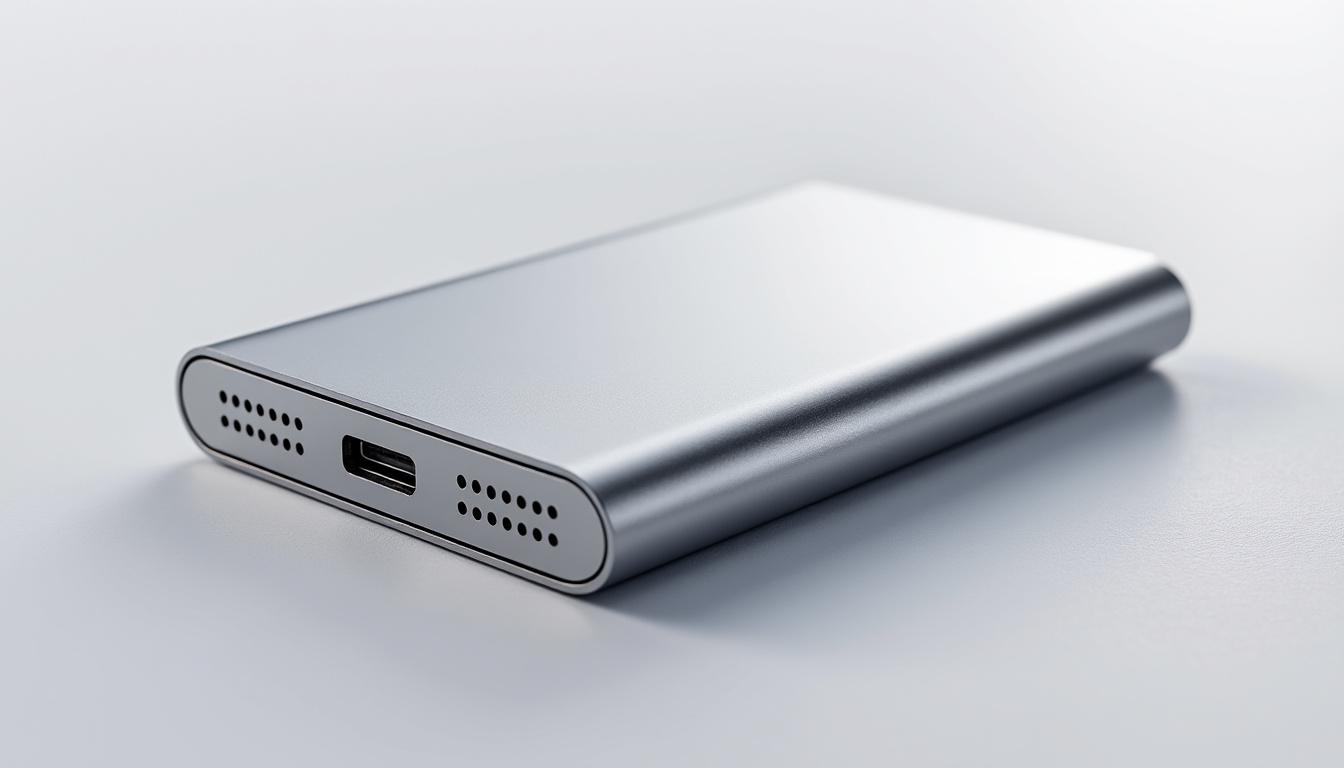
The technological revolution of the BMW i7 largely rests on the integration of solid-state batteries. The advantages of this technology are notable:
- Increased energy density: between 20 and 50% better than current batteries.
- Reduced charging times thanks to improved conductivity.
- Better safety: absence of flammable liquid electrolyte.
- Increased longevity: separation of electrodes preventing rapid degradation.
These advances are part of the ongoing research conducted by BMW, notably in collaboration with Solid Power, an American start-up pioneering in this field. The partnership, activated since 2016, aims to push the limits of solid-state battery technology. Such progress is all the more crucial as competition intensifies in the global electric vehicle market, which has become a favored playground for players like Volkswagen, Porsche, and Mercedes-Benz.
An impressive range
Beyond battery technology, the BMW i7 offers a remarkable range, with estimates of up to 625 km for its xDrive60 version. This performance compares favorably to that of competing models such as the Tesla Model S, which is known for its long distances without recharging. Additionally, the i7 is equipped with a fast-charging system that allows for recovering a range of 170 km in just 10 minutes. These specifications make the BMW i7 not just an electric car but also a true driving experience.
| Model | Range | Fast Charging |
|---|---|---|
| BMW i7 xDrive60 | 625 km | 170 km in 10 min |
| Tesla Model S | 652 km | 200 km in 15 min |
| Audi e-tron GT | 487 km | 140 km in 25 min |
With such a range, the BMW i7 positions itself as the answer to concerns regarding the range of electric vehicles. Meanwhile, its comfort and innovative features, ranging from a next-generation infotainment system to semi-autonomous driving, make it a highway to the future of mobility.
The challenges of industrializing solid-state battery technology
Despite the promises of solid-state battery technology, BMW faces several challenges before it can commercialize these new solutions on a large scale. The transition to solid-state batteries represents a major technological shift. It is essential to understand that each technological advance comes with its own obstacles.
The major technical challenges
BMW engineers still face crucial questions:
- Electrolyte conductivity: Solid electrolytes have lower conductivity than liquid electrolytes, often requiring heating to 60-80°C to optimize their performance.
- Mechanical stability: The interfaces between electrodes and solid electrolyte are prone to degradation over charge and discharge cycles.
- Industrialization: Adapting existing facilities for the production of these batteries requires a complete overhaul of manufacturing processes.
These challenges must not only be solved individually but also by integrating production costs to make the technology economically viable. BMW's collaboration with Solid Power is essential, as it allows for complementary skills that foster rapid innovation. However, even with these synergies, caution is warranted regarding deployment timelines. BMW plans to launch prototypes as early as 2027.
A pragmatic innovation strategy
BMW does not bet everything on a single technology but chooses not to ignore the importance of energy diversification. By 2025, more than 300 partnerships related to batteries are underway, ensuring the brand agility in technological choices. This adage of not "putting all your eggs in one basket" is at the heart of BMW's strategy.
| Partner | Technology | Objective |
|---|---|---|
| Solid Power | Solid batteries | Commercialization of vehicles |
| CATL | Lithium-ion batteries | Mass production |
| Sion Power | Lithium-sulfur batteries | Long-term performance |
This method of innovation enables BMW to remain at the forefront while ensuring an appropriate response to the rapid changes in the automotive market. It is this dynamic journey that could bring this company to become one of the undisputed leaders in the transition towards sustainable mobility.
The competition in the electric automotive sector
As the BMW i7 emerges as a potential champion of automotive electrification, competition in the market is intensifying. Companies such as Renault, Ford, and Lucid Motors are readjusting their offerings to capture market share, making this race even more exciting.
An analysis of the major brands
The landscape of electric vehicles is now saturated with brands competing for consumers’ attention. Each manufacturer has its own specifics and strengths:
- Tesla: Iconic market leader, renowned for its innovations in autonomous technology.
- Audi: Known for its elegant design and sporting performance.
- Volkswagen: Strengthens its presence through varied options, targeting the general public.
- Mercedes-Benz: Emphasizes luxury and comfort in its electric vehicles.
- Porsche: Focuses on a dynamic and sporting driving experience.
This heightened competition drives brands like BMW to constantly renew themselves to meet the demands of an increasingly discerning clientele.
The outlook for the coming years
In this competitive atmosphere, the strategic choices of BMW will be crucial. The brand has the opportunity to make its mark by exploiting its technological advances in solid-state batteries while continuing to produce hybrid vehicles. A balance between innovation and tradition could help them remain relevant. Consumers, moreover, are increasingly attentive to environmental issues, placing electric vehicles at the forefront of their concerns. This is a key moment for every player in this sector, as one in four cars sold this year will be electric, marking the beginning of a new era for the automotive industry.
| Brand | Flagship Model | Year of Launch |
|---|---|---|
| Tesla | Model S | 2021 |
| Audi | e-tron GT | 2021 |
| BMW | i7 | 2022 |
| Volkswagen | ID.4 | 2021 |
| Mercedes-Benz | EQS | 2021 |
In light of this rising dominance of the electric market, continuous innovation of the BMW i7 could very well offer it a decisive advantage in the coming years.
BMW's electrification strategy
By 2025, BMW is committed to radically transforming its approach to electrification. By allowing for a gradual ramp-up of electric vehicles, the brand will update not only its iconic models but also its manufacturing processes in a continuous quest for innovation.
Key initiatives for the future
To accompany this transition, several strategic initiatives are being implemented:
- Increased investments: BMW is investing heavily in its battery competence center in Munich to control its value chain.
- Strengthened collaboration: Expanding partnerships to integrate more promising technologies.
- Focus on sustainability: Incorporating environmental standards into the manufacturing process to attract an ethically-minded clientele.
These efforts aim not only to meet a rapidly growing demand but also to develop a sustainable and resilient economic model. Brand image is built not only around performance but also around human and environmental values.
Forecast data for 2025
In light of these changes, it is crucial to look towards the future. Forecasts for 2025 indicate a dynamic and rapidly evolving scene: several players, including BMW, are expected to redefine the automotive landscape, with new regulations and consumer expectations.
| Year | Share of electric sales | Number of models |
|---|---|---|
| 2020 | 5% | 5 |
| 2021 | 10% | 10 |
| 2022 | 15% | 15 |
| 2025 | 25% | 25 |
The figures reflect a deep commitment to electrification that could transform BMW's identity towards a sustainable future.

Si vous souhaitez lire d'autres articles tels que the Technological revolution of the BMW i7: an electric car ready to transform the automotive landscape, consultez la catégorie Non classé.
-
Soline Verney says:
La BMW i7 représente vraiment l'avenir des voitures électriques. Impressionnante et innovante !
-
La BMW i7 semble vraiment révolutionner le marché des voitures électriques avec ses technologies avancées.
-
La BMW i7 est vraiment impressionnante, surtout avec sa technologie de batterie solide.
-
La BMW i7 est vraiment impressionnante avec ses nouvelles technologies et son autonomie exceptionnelle.
-
La BMW i7 semble prometteuse avec ses avancées technologiques et son autonomie impressionnante!
-
La BMW i7 semble vraiment prometteuse avec ses avancées technologiques en matière de batterie.
Leave a Reply
Articles relatifs