The reasons for the decrease in the production of the Volkswagen Golf

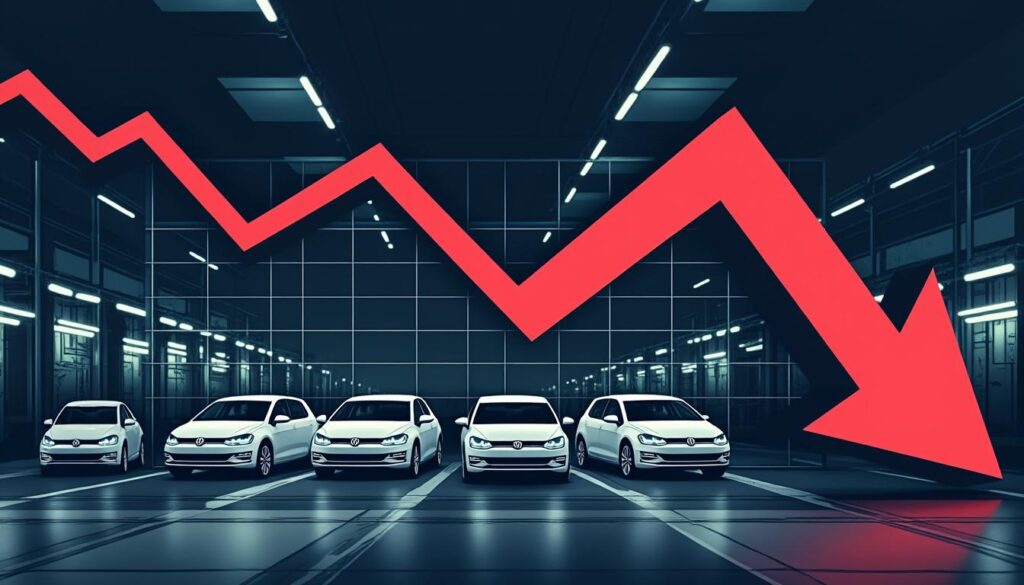

Poor Volkswagen Golf! Once the queen of the roads, piloted by millions of fervent admirers, this German icon is now turning into... a dusty memory in a garage. With production dropping from an impressive one million units in 2015 to a lamentable 300,000 in 2024, one wonders how this automotive marvel has sunk so low. Ah, the electric transition, that sweet dream turned nightmare.
The Golf: Symbol of a bygone era?
There was a time when seeing a Volkswagen Golf on the roads was as common as spotting a pigeon in a park. The Golf, the first of a model that managed to charm just about everyone, has now become a topic of conversation on the decline of automotive production in Europe. The numbers speak for themselves: this iconic car is becoming a shadow of its former self under the relentless pressure of the rise of electric models. As dust settles on its dashboard, it is valid to ask: "Who left this heap of scrap metal in the street here?"
The challenges of the electric transition
It seems that Volkswagen has fallen into the trap of the frenzied demand for two-stroke vehicles. The transition to electric is not as simple as a snap of the fingers. Instead, it’s a clumsy dance, one step forward, two steps back, under the disapproving gaze of skeptical customers who cling to their fuel. The production of the Golf began to decline as consumers, visibly concerned about the idea of charging their car instead of filling up, are resistant. This once eager European market for innovation now remains somewhat hesitant. Customers have certainly understood the stakes, but they prefer to wait for the wine to improve.

Competitive pressure and challenges
And what about the competition? With Chinese brands churning out low-cost models from a magic hat, Volkswagen needs a tour de force to retain its customers. Chinese giants are knocking at the door, with prices lower than a sandwich at the airport. In this context, it should come as no surprise that the venerable Golf finds itself at the bottom of the ladder. Sometimes one wonders if Volkswagen's engineers have had one too many cups of strong coffee, thinking that everything would be fine if they relocated part of their production to Mexico by 2027. No joke, when the factory becomes something to send on vacation, it’s time to worry.
A factory in transformation
This transfer will not be without consequences. The walls of Wolfsburg must prepare to welcome 35,000 lost memories in the form of employees laid off by 2030. What a contrast to the glorious days when the city was known for its innovation, and not just for its knack for keeping the scent of sausages intact. And as if that weren’t enough, a four-day work week could soon become a reality. How long before the word “pleasure” turns into “obligation”?
A new electric start: the ID. Golf
In hopes of getting back on track, Volkswagen is launching the electric Golf, dubbed the ID. Golf. A promise of a new era, but it will take much more than a catchy name to convince those who believe that "electric" sometimes rhymes with "problems." Based on a platform that promises supersonic charging speeds, this version could ignite enthusiasm. But a revolution doesn't happen overnight, and for every ID. Golf that hits the market, how many customers will still hesitate to make the leap to battery-powered cars?

An economy in continuous mutation
In the world of modern economics, this quest for change is as pressing as a horn honking in an endless traffic jam. Simply abandoning the old thermal model for an electric version is not enough. Companies must double down to attract a generation that prefers to spend time swiping their finger on a screen than changing a tire. The crisis is not limited to Volkswagen but is a reflection of broader trends in the automotive world, where the shift to electric is a challenge that all brands must face or risk disappearing, just like the Golf in a rearview mirror.
So, what will be next for this remarkable Volkswagen Golf? Perhaps an inspired reinvention will allow it to shine again, or perhaps it will end up on the pile of old cars that peacefully sleep, waiting their turn to be rediscovered by a passionate collector. For, after all, even the best icons sometimes need a little push to come back into the spotlight.
Source: www.autoplus.fr
Si vous souhaitez lire d'autres articles tels que The reasons for the decrease in the production of the Volkswagen Golf, consultez la catégorie Non classé.
-
Léandro Verneuil says:
C'est une vraie tristesse de voir la Golf perdre son allure sur les routes.
-
C’est triste de voir la Golf, une légende, dégringoler ainsi. Elle restera dans nos cœurs.
-
C'est triste de voir une si belle voiture perdre son éclat. Espérons que l'ID. Golf relance l'enthousiasme.
Leave a Reply to Balthazar Rouillé Cancel reply
Articles relatifs