The prices of electric cars: an obstacle for the middle classes?

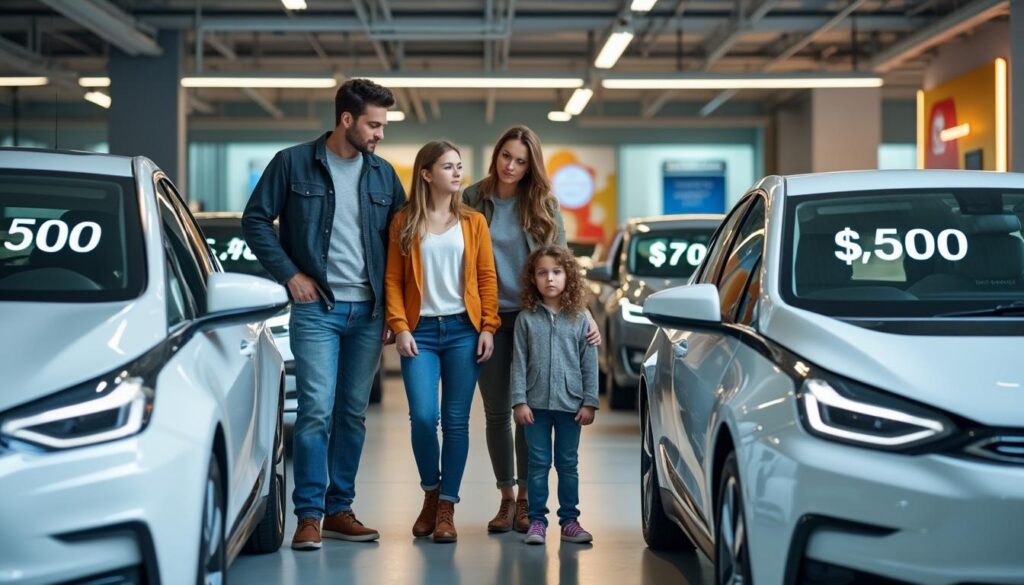

The rise of electric cars is one of the major challenges of contemporary ecological transition. However, one of the most crucial questions remains regarding the price of access to this type of mobility. With a purchase cost often higher than that of thermal models, many are questioning the accessibility of these vehicles, especially for the middle classes. Researchers are working to provide answers to these questions by analyzing the different aspects of the issue, from government subsidies to potential long-term savings.
Electric Car Prices: A Prohibitive Purchase Cost?
Financing an electric car represents a significant investment. The figures speak for themselves: in 2023, the average price of an electric car is estimated to be about 40% higher than that of a similar internal combustion engine vehicle. A situation that raises concerns about the ability of middle-class households to turn to this more eco-friendly mode of transport. Several manufacturers like Renault, Nissan, and Peugeot are trying to address this issue by offering more affordable models, thus attracting consumers toward less expensive options.
The reality is that, despite the sale of models such as the Citroën ë-C3 and the Renault 5 Electric at competitive entry-level prices around 25,000 euros, the perception remains largely pessimistic. Many still consider these cars as a luxury. Families, especially those with middle incomes, now have to weigh the purchase cost against the potential long-term savings, taking into account fuel and maintenance costs.
Economics and Financing Methods for Electric Vehicles
For households, a key question remains the savings achieved through the use of an electric car. At first glance, the idea of reducing the budget allocated for fuel seems attractive. Indeed, with monthly savings that can reach 120 euros, it is tempting to invest in an electric vehicle. However, these savings do not necessarily manage to offset the cost of loan installments, which are often higher than those for a thermal car.
- Monthly savings on fuel: about 120 euros
- Cost of an electric model: on average 40% higher than that of a thermal vehicle
- Loan installments often too high: an obstacle to accessibility
| Characteristics | Electric Cars | Thermal Cars |
|---|---|---|
| Average purchase price | 31,829 euros | 20,000 to 25,000 euros |
| Monthly fuel savings | 120 euros | N/A |
| Maintenance cost | Less expense (electricity) | More expenses (fuel + maintenance) |
Many experts and consumers emphasize that society's perception of electric cars as luxury products creates a noticeable difference in purchasing decisions. An analysis of consumer behavior shows that a household like the Villeneuves, with a higher income, might consider the purchase of an electric model as a viable option. In contrast, lower-income households, particularly those in the lower middle class, find themselves excluded from this transition.
Accessibility of Electric Vehicles: The Subsidies in Question
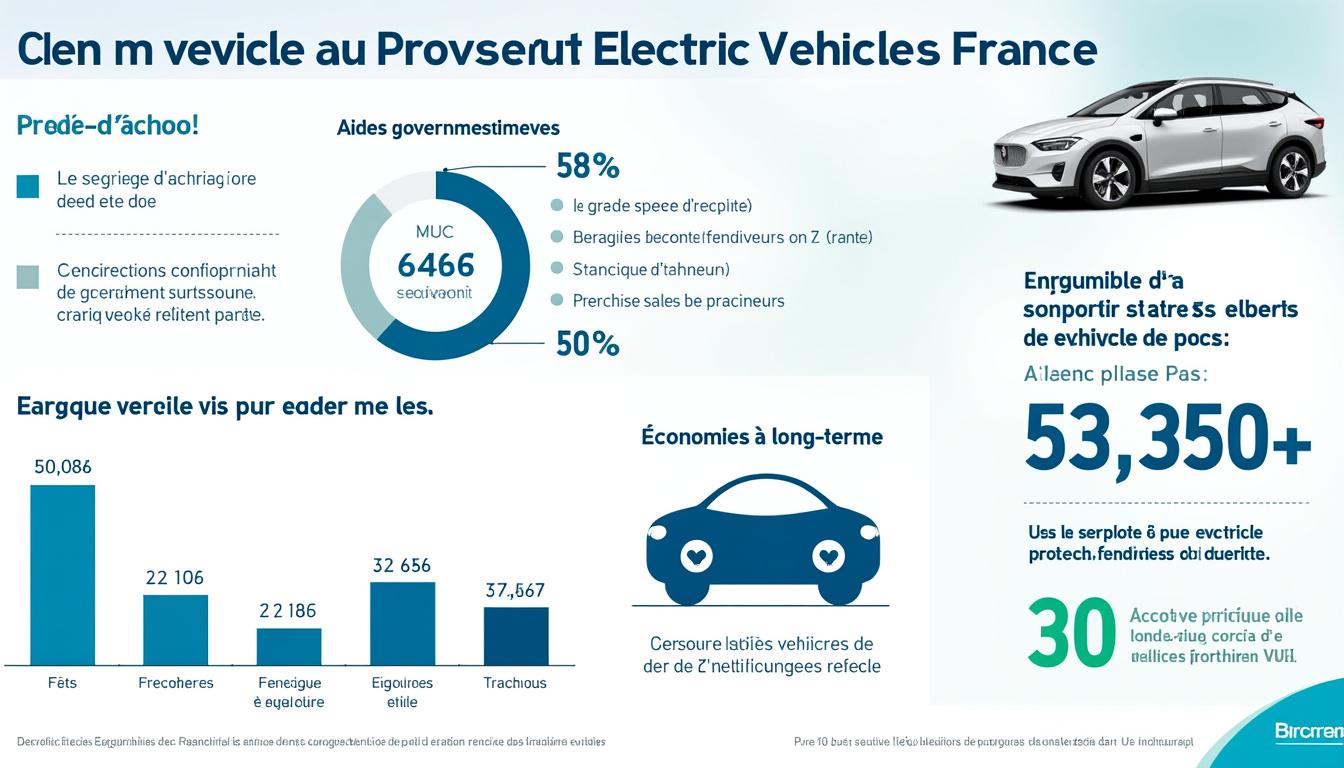
When examining the accessibility landscape for electric mobility, the role of government subsidies appears crucial. Public aid directly impacts families' ability to invest in an electric car. Unfortunately, recent reports indicate a reduction in these aids, with ecological bonuses decreased and conversion premiums becoming more restrictive. As a result, households often find themselves at a disadvantage. Furthermore, the implementation of new eligibility criteria denies access to certain models for aid renewals.
Researchers from I4CE have also pointed out that those who need help the most, namely low-income households, are often those who fail to benefit from the subsidies provided. This alarming observation could hinder the dynamics of the transition toward a less carbon-intensive mobility.
A Precarious Budget for a Strategic Choice
The figures speak for themselves: despite promising cost reductions, families still have to navigate between their financial possibilities and market demands. For example, for the Deschamps household, the situation is much more complex. Even with a notable gain on fuel costs, loan installments remain high, making it almost impossible to purchase an electric vehicle.
- The ecological bonus has been reduced, increasing financial pressure on consumers.
- Conversion premiums: restrictions that limit opportunities.
- Family financing depends on public policies: a dynamic that needs to be revisited.
| Public Aid | Status 2025 | Impact on Households |
|---|---|---|
| Ecological bonus | Reduced | A decrease in accessibility |
| Conversion premium | Increased restrictions | Inaccessibility for some households |
| Aids for used vehicles | Exclusion of models | Limitation of potential savings |

The Impact of Production Costs on Electric Vehicle Prices
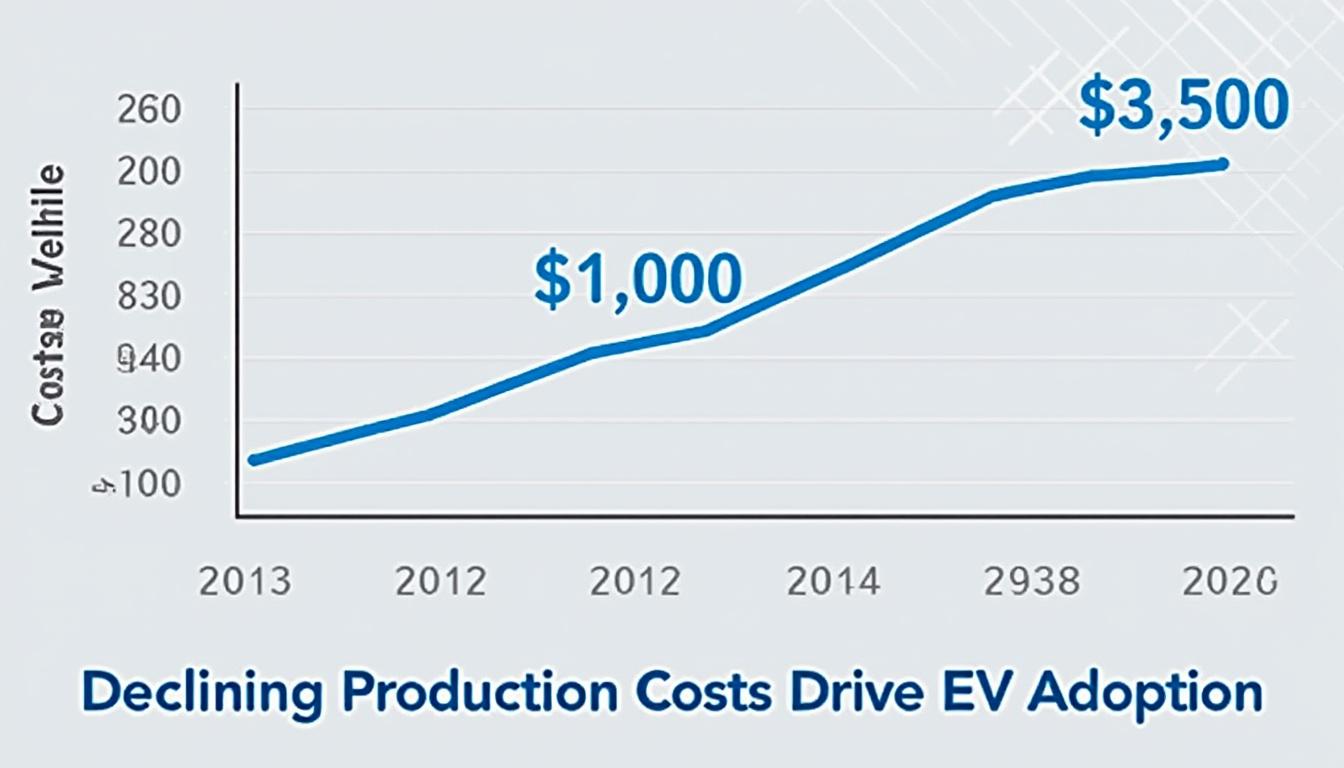
Another determining factor in financing electric cars is the increasing cost of their production. In a context of rising raw material costs, the prices of vehicles continue to rise. This situation has direct repercussions on consumer prices, making electric vehicles even less accessible for middle classes. Large automotive groups such as Volkswagen, BMW, and Mercedes-Benz are continuously incorporating new costs into the final price, thus increasing the gap between consumers and their hopes for transition.
It is also essential to consider the dynamics of the used car market. As the number of electric vehicles enters this market, prices tend to fall. Manufacturers like Ford and Hyundai are also opening new paths with models that are better suited for a wider audience. This could, in time, improve the situation, provided that adequate adoption rates are established.
Market Expectations and Realities for Used Vehicles
The used car market offers interesting perspectives for middle classes, as indicated by the many vehicle options emerging after rental contracts or sales after use. However, this will not be sufficient to improve the situation without strengthened government support to encourage the purchase of these vehicles. An ecological bonus for used models could radically change the situation, making electric cars more affordable.
- Used market: an opportunity to lower costs
- Increasing accessible models from manufacturers
- Risk of stagnation without government incentive measures
| Manufacturers | Accessible Models (2025) | Estimated Prices (in euros) |
|---|---|---|
| Renault | Renault 5 Electric | 25,000 |
| Citations | Citroën ë-C3 | 25,000 |
| Nissan | Reduced price model | Awaiting |
Future Perspectives for Electric Mobility
The future prospects for electric mobility are closely linked to public policies and support initiatives put in place by governments. The growing awareness of climate issues draws attention to the need to support the development of an accessible electric vehicle market. In Germany, for example, measures have been implemented to encourage the construction of more affordable models and to make social leasing financing accessible for low-income households.
This last point is particularly interesting: social leasing, if applied strategically, could be a solution to make electric cars more accessible by providing usage opportunities for those struggling with purchase costs.
The Role of Electrification in Ecological Transition
The success of the transition to clean electric mobility depends not only on consumers' efforts but also on collective decisions. Charging infrastructures, balanced price regulations, and favorable taxation are crucial elements for promoting the acceptance of this transport mode. The electric car, to be perceived as a viable alternative, must be integrated into a comprehensive approach to sustainable development.
- Charging infrastructures to develop
- Regulations on electricity tariffs
- Incentive fiscal policies
| Facilitating Elements | Consequences |
|---|---|
| Charging infrastructures | Facilitates daily use |
| Favorable regulations | Increase in electric vehicle sales |
| Support from public policies | Increase in the adoption of electric cars |

Si vous souhaitez lire d'autres articles tels que The prices of electric cars: an obstacle for the middle classes?, consultez la catégorie Non classé.
Leave a Reply
Articles relatifs