The other side of the coin: the consequences of the overproduction of electric cars in China

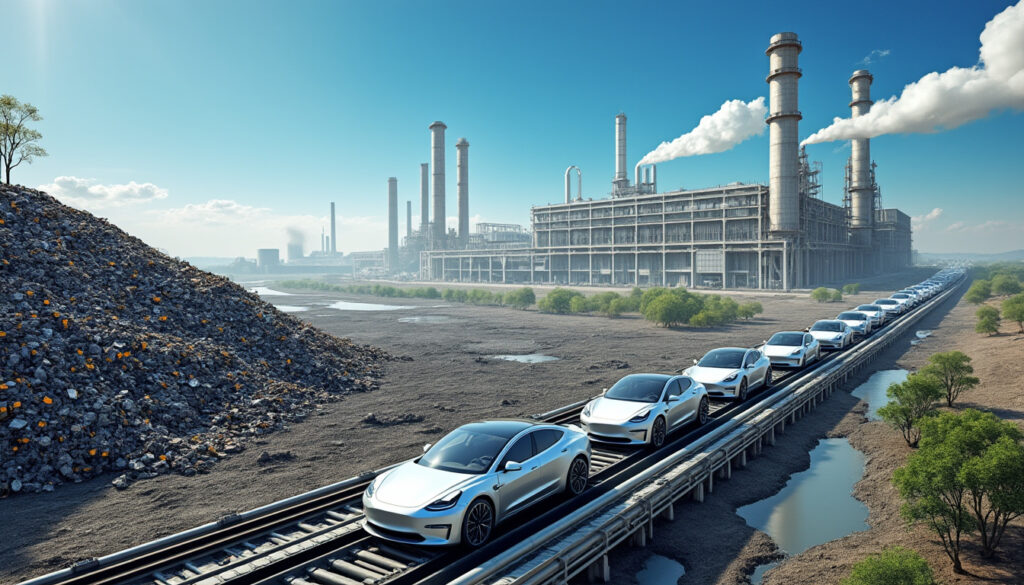

As China leads the charge in electric vehicles, a downside looms on the horizon. The country, with over 100 brands competing within a market that, while immense, shows signs of exhaustion, faces unexpected challenges due to alarming overproduction. With promising players disappearing almost overnight, it is crucial to understand the consequences of such a misguided wave of innovation.
The frantic race for innovation: towards overproduction
Behind the impressive sales figures lies a troubling paradox. The frantic search for market share has led to a plethora of electric vehicle offerings, pushing the industry towards strict consolidation. Here are some key points:
- ⚡ Over 100 brands are vying for a saturated market.
- ⚡ Government subsidies have encouraged rapid expansion.
- ⚡ Many once-promising players are failing against increased competition.
Telling examples: brands in difficulty
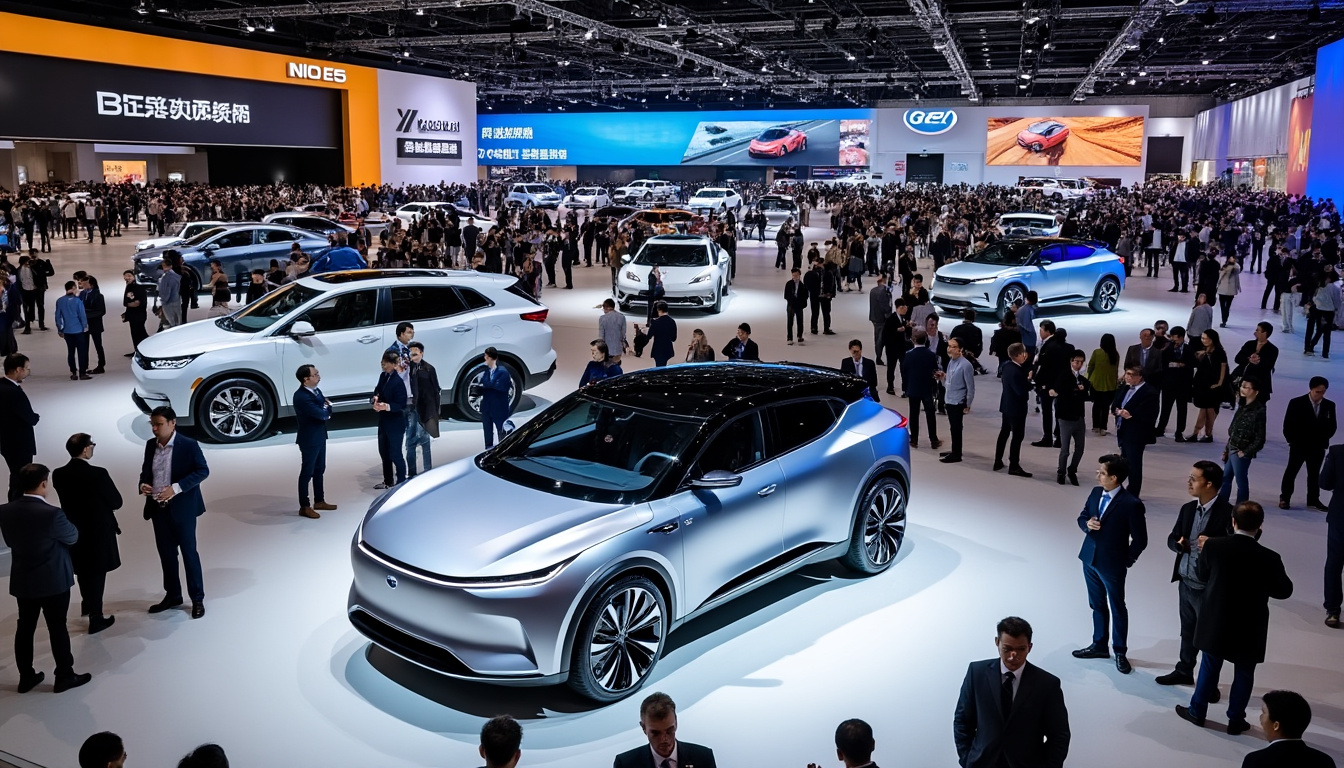
The latest Beijing Auto Show highlighted the fragility of certain companies. Ji Yue, a collaboration between Baidu and Geely, disappeared despite its technological promises — a failure due to a combination of insufficient sales and internal tensions. The case of Neta is also emblematic: after successfully selling over 60,000 vehicles in 2024, massive layoffs on the eve of 2025 jeopardized its existence.
| Brand | Situation | Sales 2024 |
|---|---|---|
| Ji Yue | Closed / Dealerships closed | Several thousand |
| Neta | Layoffs / Reduction in activities | 60,000+ |
| Yuanhang | Disappeared | Not reported |
The lack of viability of excessive diversification
The stratification of the global market also impacts brands trying to export their vehicles. Having a varied range, like NIO, BYD, or Xpeng Motors, does not guarantee success. In reality, the cost of investment to access international markets can become a trap: while the Chinese market seems to be a boon, completing a global strategy is complex.
- 🌍 Export barriers: brands must navigate a hostile political and economic landscape.
- 🚗 Limits of subsidies: old support tactics are no longer viable in the long term.
- 💰 Rising costs: yesterday's financial support no longer exists.
The future of the electric vehicle industry
As consolidation seems inevitable, the emergence of unexpected opportunities begins to take shape. Established automotive giants, such as Honda, Volkswagen, and BMW, could leverage abandoned technologies, tapping into the intellectual capital accumulated in a rapidly changing industry. Imagine a world where automotive innovation becomes a phenomenon of recycling and rejuvenation.

Little room for error
The road ahead for players in the electric vehicle industry looks fraught with obstacles. As market dynamics demand agility and adaptability, smaller companies must distinguish themselves to survive, often through:
- 🔍 Focusing on quality rather than quantity.
- 🤝 Strategic alliances to pool resources.
- 📊 Optimizing supply chains to reduce costs.
| Strategy | Potential impact |
|---|---|
| Alliances | Access to new resources and markets. |
| Focus on quality | Strengthening brand reputation. |
| Optimization | Cost reduction and maintaining competitive prices. |
On the roads of change: an uncertain future
The current situation could paradoxically pave the way for a more diverse and innovative market. Established giants like Renault and Peugeot may, for example, benefit from an influx of new technologies from disappeared brands, while leveraging restructuring periods to assert themselves in the field.

Si vous souhaitez lire d'autres articles tels que The other side of the coin: the consequences of the overproduction of electric cars in China, consultez la catégorie Non classé.
-
Lysandre Jolivet says:
La surproduction de voitures électriques en Chine pose vraiment des problèmes. Ça va pas durer comme ça.
-
L'overproduction de voitures électriques en Chine pourrait nuire à l'innovation à long terme.
-
La surproduction pourrait vraiment nuire à l'industrie. Espérons que cela incitera à innover plus intelligemment.
-
La surproduction de voitures électriques en Chine pose vraiment problème. Il faut une meilleure régulation.
Leave a Reply to Lysander Quillon Cancel reply
Articles relatifs