The order book: spring darkens with a 14% drop in the automotive sector



The order book of a vibrant and essential automotive sector has never been more crucial for predicting the market direction. The first months of the year 2025 reveal a worrying trend, with a 14% decrease in orders. This phenomenon highlights a series of challenges to overcome, raising questions about the future of iconic brands such as Renault, Peugeot, Citroën, and Volkswagen.
The order book: a key barometer of the automotive sector
The order book represents much more than a simple list of upcoming sales. It is a living tableau that reveals the soul of the market. Indeed, each order inscribed in this book reflects a choice of consumers, a trust in a brand or product. However, with the current decline, it is imperative to question this dynamic. What lies behind this unprecedented drop?
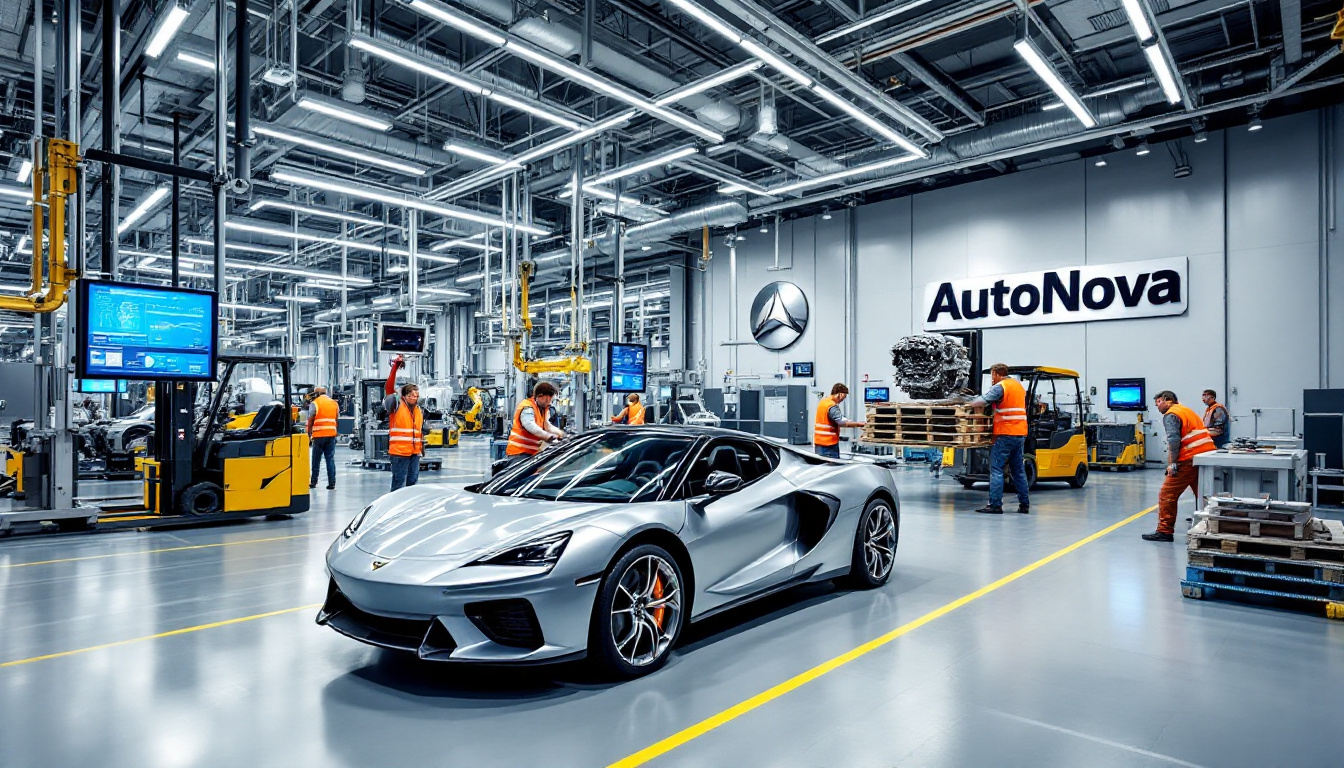
Diagnosis of the current situation
The observation is clear: the automotive sector is mired. The current figures indicate a decline that goes beyond mere statistics. This contraction of 14% can be explained by various factors, including:
- Economic pressures: Inflation and rising production costs directly affect manufacturers, prompting some consumers to delay their purchases.
- Changing preferences: Buyers are turning to electric and hybrid vehicles, putting pressure on traditional brands that struggle to adapt their offerings.
- Government incentives: New penalties on polluting vehicles add a layer of complexity, hindering sales of older models.
These data testify to a challenge for major players, including Toyota, Ford, BMW, and Mercedes-Benz. The need to innovate is structural. Indeed, customers are now turning to eco-responsibility, and the choice of offered products must take this into account.
Dynamics of supply and demand
The relationship between supply and demand is in a precarious state. While some manufacturers like Nissan and Audi seek to revitalize their image with eco-friendly models, the transition does not come without bumps. Each brand must reinvent itself to not cede ground to competitors.
| Manufacturer | Change in orders |
|---|---|
| Renault | -12% |
| Peugeot | -10% |
| Volkswagen | -15% |
| Toyota | -5% |
| Ford | -20% |
Strategies to revitalize the order book
In the face of this crisis, a proactive reaction is essential. Brands must confront the reality of the market and adjust their strategies to regain consumer trust. Sometimes, this could mean making bold decisions.

Possible initiative proposals
Here are several avenues to explore, integrating innovation and anticipation:
- Increase R&D: Invest heavily in research and development, focusing on battery technology, autonomous vehicles, and infotainment systems.
- Enhance customer experience: Create attractive loyalty programs and improve after-sales service monitoring to ensure ongoing satisfaction.
- Broaden the range of eco-friendly models: Offer an expanded range of environmentally friendly vehicles to attract environmentally conscious customers.
It is also crucial for brands to communicate more clearly about their efforts to achieve carbon neutrality. An open dialogue with the public often transcends the simple transaction and goes beyond the sale.
The obstacles to overcome
It would be naive to think that change happens without difficulties. Various elements could hinder this evolution:
- Production costs: The necessary investments can be high, not always covered by an immediate increase in sales.
- Market reluctance: Consumers sometimes hesitate to change their behaviors, anchored in outdated habits.
Transformation is a long and winding process. Brands must show patience but also remarkable resilience. They must navigate troubled waters while keeping their course.
The role of new technologies in redefining the order book
Today, technology influences all aspects of our daily lives. The automotive sector is no exception. In this digital age, brands must demonstrate agility and proactivity to meet new expectations. How can they leverage technological innovations to reverse the current trend?
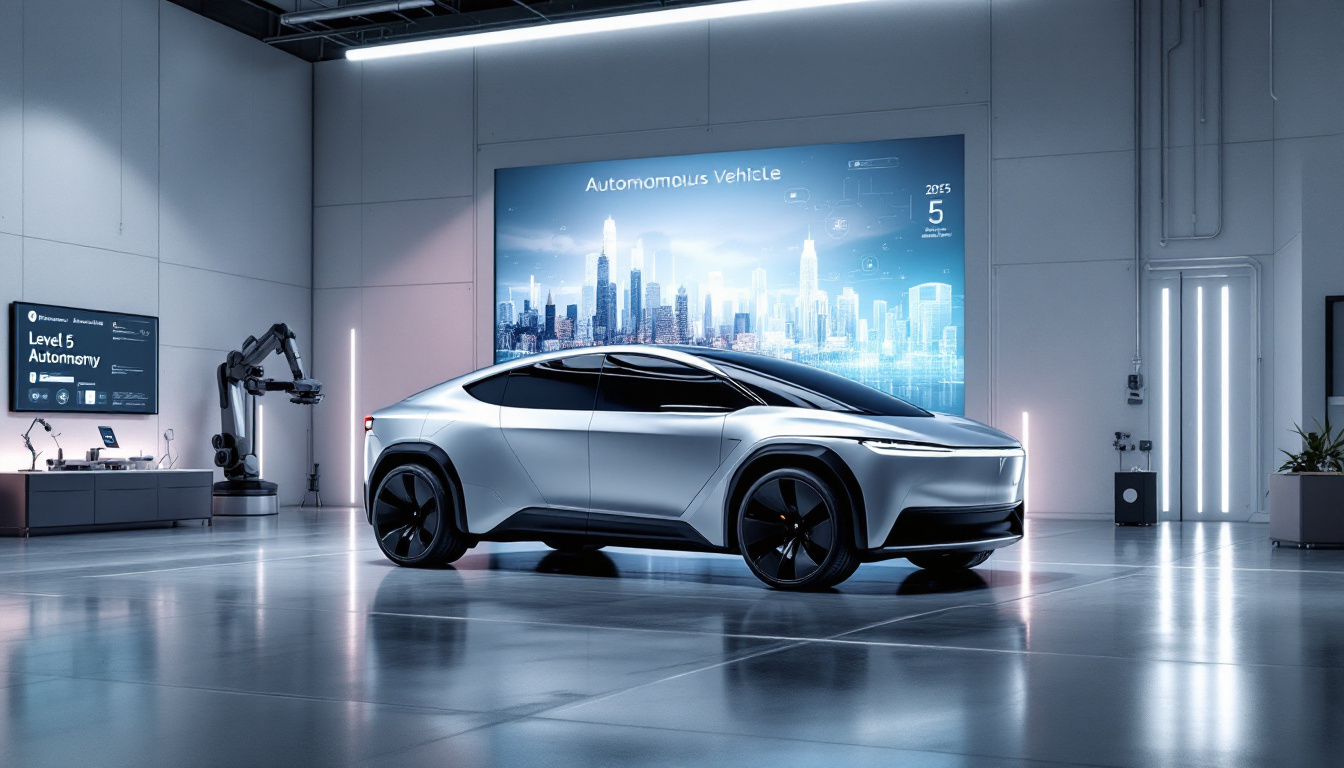
The innovations driving change
Emerging technologies such as artificial intelligence, connectivity, and sustainability can enhance the efficiency of ordering processes.
- Artificial intelligence: Used to anticipate consumer preferences, allowing for precise targeting of marketing campaigns.
- Automation: Reduce operational costs while increasing order processing speed.
- Blockchain: Ensure transparency and traceability, thus strengthening consumer trust.
Smart bracelets and connected vehicles
The future also promises interconnections. Imagine vehicles capable of communicating with city infrastructure, thus optimizing traffic, reducing congestion and harmful emissions.
| Innovation | Potential impact |
|---|---|
| Technological monitoring via AI | Anticipation of customer demands |
| Connected vehicles | Reduction of delivery times |
| Autonomous factories | Smooth production flow |
| Circular economy | Reduction of environmental impact |
Economic and social consequences of the decline in orders
The implications of such a decline are multiple, affecting not only brands but the entire economic ecosystem. The consequences extend beyond numbers, impacting the workforce, partners, and social fabric.
Impact on employment
The decline in orders often leads to job cuts within factories. This hard blow harms the economic community as a whole, leading to:
- Job losses: With fewer vehicles to produce, the need for labor decreases.
- Reduction in local investments: Companies reduce their marketing budgets and partnerships with local suppliers.
Wider implications on the economy
Beyond simple production capacity, the situation resonates through the local economy.
- Less traffic: Fewer cars mean less parking fees, also impacting local businesses.
- Economic uncertainty: The decline in sales in the automotive sector can generate a climate of uncertainty, hindering other investments.
The revitalization of the order book can no longer be delayed. Actors must reassess their priorities, adjusting their business models to adapt to an ever-changing world. Questions remain open, and the need to act is urgent.
Si vous souhaitez lire d'autres articles tels que The order book: spring darkens with a 14% drop in the automotive sector, consultez la catégorie News.
-
Zelphie Marcon says:
La baisse des commandes est inquiétante, il faut vraiment que les marques s'adaptent.
-
C'est inquiétant de voir une telle baisse dans les commandes auto. Quel avenir pour ces marques emblématiques ?
-
La baisse des commandes est inquiétante, il faut vraiment repenser notre approche du marché.
-
La baisse des commandes est inquiétante, il est temps d'innover pour s'adapter aux nouvelles attentes.
-
C'est préoccupant de voir une telle baisse de commandes. L'innovation est vraiment essentielle pour les marques.
Leave a Reply
Articles relatifs