the new electric Mercedes will have charging limitations

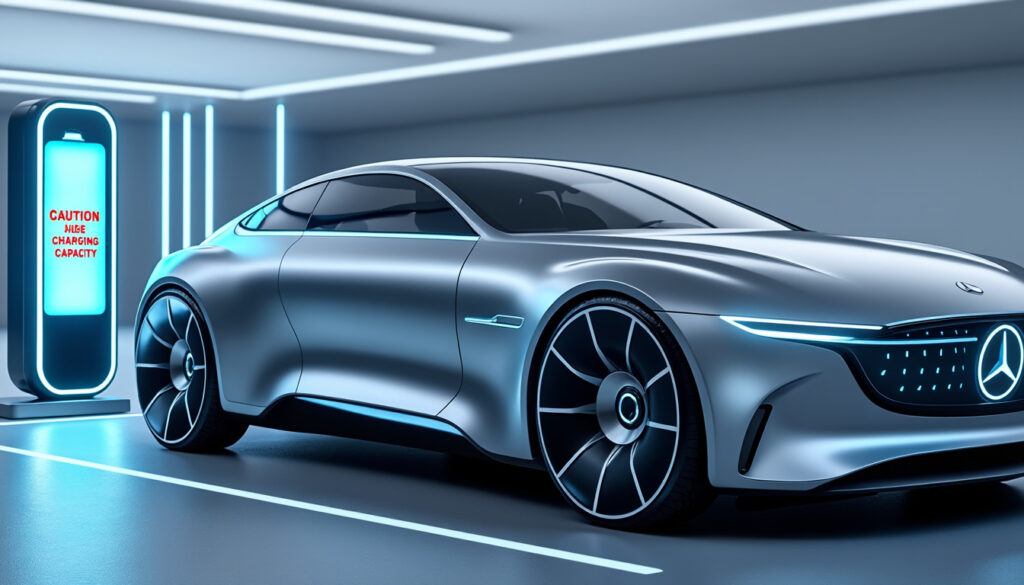

In the face of the rise of electric cars, the new Mercedes-Benz electric CLA is already making headlines. Its bold technological approach and charging limitations make the situation both exciting and delicate. What impacts does this innovation have on the automobile and the mobility of tomorrow?
An innovative but demanding architecture
Mercedes has chosen an 800-volt architecture for its new electric CLA, comparable to luxury models like the Lucid Air. This decision offers impressive charging performance, reaching up to 320 kilowatts. In other words, it's like being able to fill up on energy at a crazy speed, a dream for performance enthusiasts. 🚀
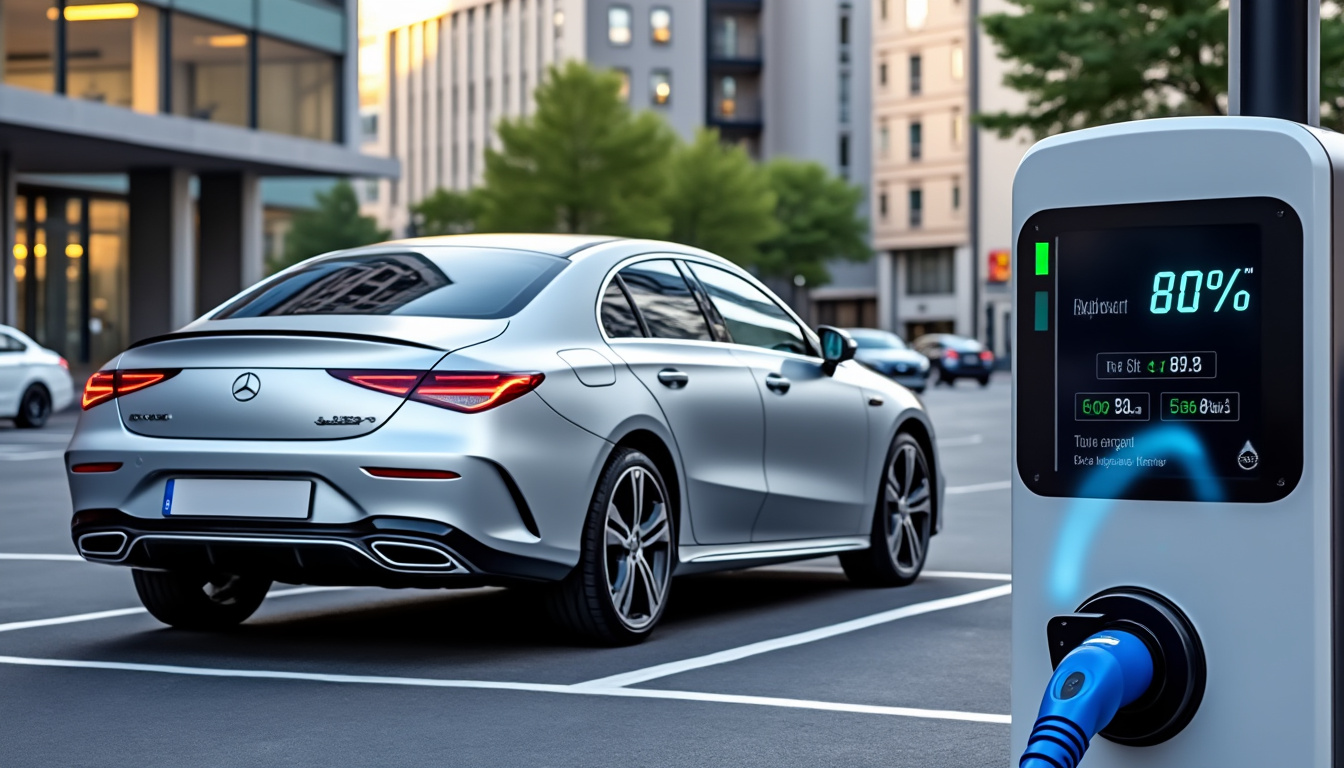
The advantages of the 800V architecture:
- Ultra-fast charging up to 325 km in just 10 minutes. ⚡
- Optimized autonomy thanks to sophisticated batteries.
- Time savings on short charging breaks.
However, this performance comes with a significant constraint: incompatibility with the much more widespread 400V fast charging stations in the European network. For drivers, this means that charging options are drastically limited.
Impact on user experience
Owners of the electric CLA must consider that the car's navigation system will only direct them to compatible 800V stations. This technological choice, while high-performing, really complicates trip planning.
Practical consequences:
- Reduced charging options for long trips. 🗺️
- More complex and stressful trip planning.
- A challenge for the driving experience, even for a high-tech vehicle.
Technology vs Reality: an apparent gap
This situation highlights a paradox. On one hand, the electric CLA is at the forefront of innovation, integrating cutting-edge technology. On the other hand, the current infrastructure struggles to keep up with this advancement.
In comparison, other electric vehicles have taken a more flexible approach, allowing compatibility with both types of charging stations. As a result, the CLA faces a challenge in adoption in a landscape where the charging network still needs to develop.
| Model | Architecture | Max Charge | Compatibility |
|---|---|---|---|
| Mercedes CLA | 800V | 320kW | Only 800V |
| Porsche Taycan | 800V | 270kW | 800V + 400V |
| Audi e-tron GT | 800V | 270kW | 800V + 400V |
Prospects for the evolution of the charging network
Talent and technological boldness now coexist with a still-developing European network. 800V stations, though promising, are rare. However, initiatives like those from Ionity are on track to improve this situation.
Expected progress in the charging network:
- Expected increase in the density of high-power charging stations in the next 3 to 5 years. 📈
- The transition to more accessible electric mobility.
- Technological initiatives targeting the improvement of energy efficiency.
This dynamic may offer a glimmer of hope for the Mercedes CLA, even though the wait may pose a serious challenge for early buyers.

Si vous souhaitez lire d'autres articles tels que the new electric Mercedes will have charging limitations, consultez la catégorie Non classé.
-
Zephyr Solis says:
L’innovation de la Mercedes CLA est impressionnante, mais le réseau de recharge doit vraiment s'améliorer.
-
La rapidité de charge est impressionnante, mais l'infrastructure doit vraiment suivre.
-
L'architecture 800V est impressionnante, mais la compatibilité me préoccupe beaucoup pour les longs trajets.
Leave a Reply
Articles relatifs