The maritime service of Corsica: companies rise to the challenge of transporting electric cars

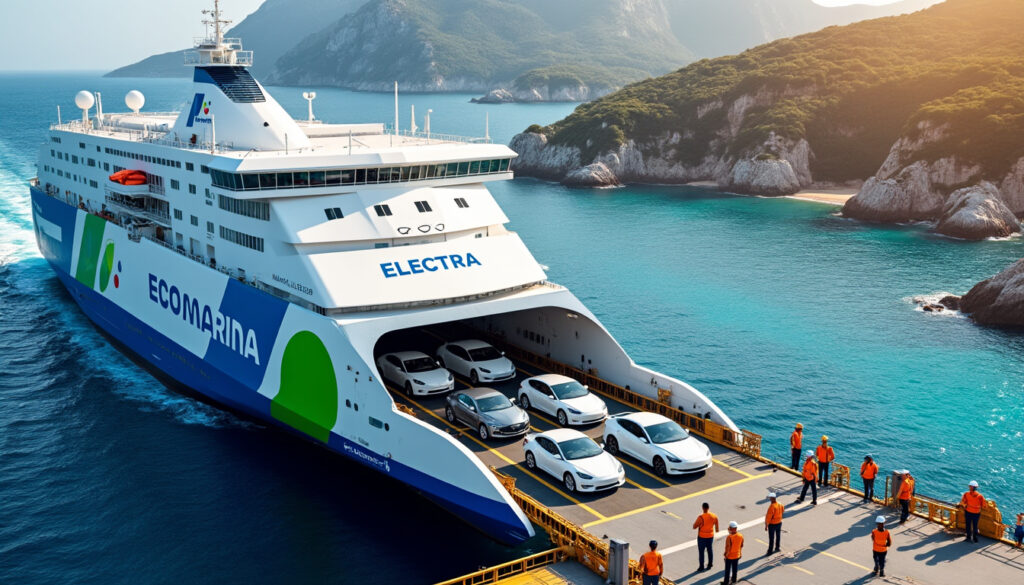

In a context where electric cars are taking an increasingly significant market share, the shipping companies serving Corsica are facing unprecedented challenges. This issue revolves around safety and the necessary adaptations for boarding these vehicles on ferries. In this article, we will examine the measures implemented by companies to ensure the safety of passengers and crew while meeting the growing demand for electric vehicles. The often heated debate surrounding regulations regarding this mode of transport will also be the subject of our attention.
Maritime service to Corsica and the rise of electric cars
Over the years, the maritime service to Corsica has evolved, marked by the entry into the market of new companies such as Corsica Linea, La Méridionale, and Corsica Ferries. The maritime connections, which link the island to several ports on the mainland, must now face the exponential increase in the number of electric vehicles. This change comes with logistical and safety challenges for the shipping industry.

Key figures in maritime transport
Numerous data illustrate this evolution. According to recent reports, the market for electric cars experienced a 50% growth in 2024, which translates into a significant increase in the number of electric vehicles boarding ferries. Currently, around 15% of vehicles crossing the Mediterranean Sea to Corsica are electric. This presents unique challenges, particularly in terms of safety. Here is an infographic summarizing the main challenges:
- Adaptation of port and ship infrastructure.
- Training of maritime personnel on the management of electric vehicles.
- Prevention of fire risks on board ferries.
Impacts on shipping companies
To meet the challenge of transporting electric cars, shipping companies must constantly adapt to market developments. For example, Corsica Linea has launched a training program for its teams focused on the safety related to these new vehicles. At the same time, equipment adaptations have also been implemented. This type of preparation helps manage potential incidents by improving responsiveness and safety on board.
| Company | Adopted safety measures | Staff training |
|---|---|---|
| Corsica Ferries | Enhanced fire-fighting equipment | Specific training on managing electric vehicles |
| Corsica Linea | Designated areas for parking electric vehicles | Awareness programs on the docks |
| La Méridionale | Implementation of secure boarding procedures | Partnerships with firefighters for specific training |
The challenges of regulation
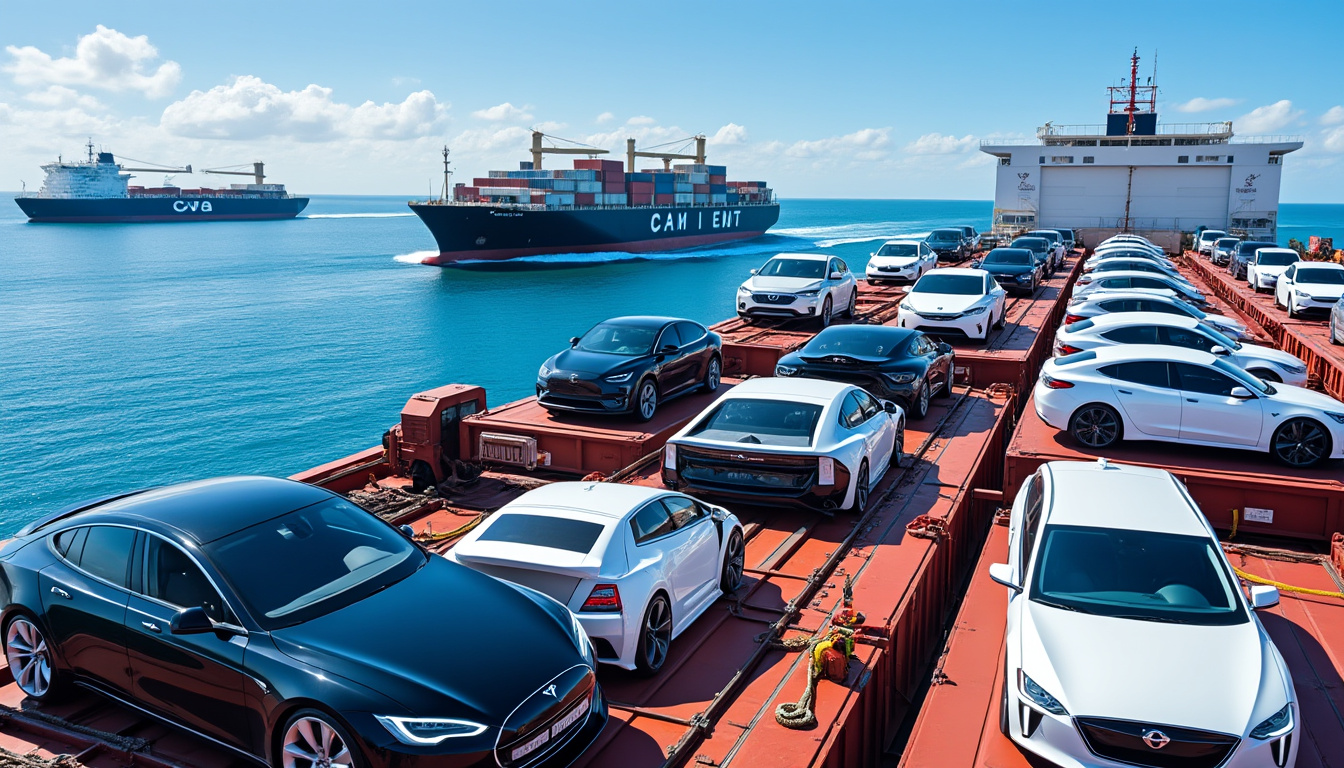
As the demand for electric vehicles increases, regulations surrounding their transport remain unclear, especially in France. In contrast, other European countries, such as Greece and Norway, have chosen to implement strict restrictions. In Greece, for example, the boarding of electric cars charged above 40% has been prohibited. This contrast highlights the absence of a clear roadmap in France, leaving shipping companies to manage with internal protocols.
Reactions of companies to this situation
While awaiting clear regulations, companies are choosing to voluntarily implement proactive measures. Corsica Ferries, for example, has instituted a policy recommending that passengers travel with a charge level below 30% to minimize the risk of fire. These measures are the result of a shared commitment to ensuring passenger safety.
- Information protocol before boarding.
- Continuous training for crews.
- Identification of electric vehicles at the time of booking.
Cases of maritime accidents involving electric vehicles
A significant event occurred in February 2022 when the cargo ship Felicity Ace sank following a fire on board, making it emblematic of the risks associated with transporting electric vehicles. Although electric vehicles are generally considered less likely to catch fire, their presence on board introduces unique challenges in the event of an incident. The presence of these vehicles has notably complicated the rescue teams' intervention. This kind of situation fuels debates about the risks associated with maritime transport.
| Event | Date | Consequences |
|---|---|---|
| Felicity Ace Fire | February 2022 | Sinking of the ship, loss of vehicles |
| Ban in Greece | Spring 2024 | Restrictions on charged vehicles |
Implementation of new safety standards
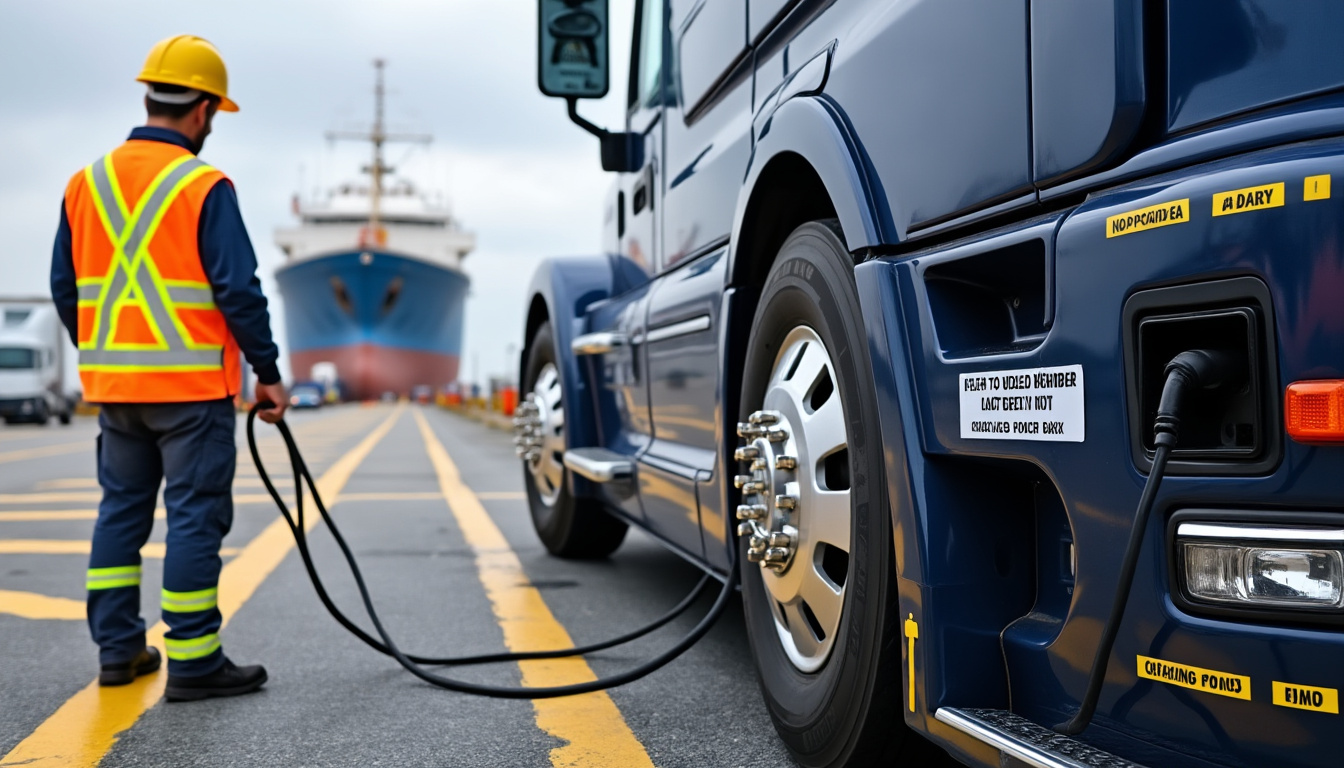
In the face of this situation, shipping companies such as La Méridionale and Corsica Ferries are taking the lead. They are working to establish improved safety standards for the transport of electric vehicles, based on existing protocols for thermal vehicles. These actions include enhanced training for crew members on handling lithium-ion batteries, which present specific risks.
Involvement of authorities and transport organizations
Maritime authorities are beginning to mobilize to ensure a solid regulatory framework. Working groups are now formed, bringing together shipping companies such as SNCM, Baleària, and Bretagne Ferries with maritime safety experts. This approach aims to establish common standards that guide operators on how to handle electric vehicles on board. The exchange of information and best practices among these stakeholders is crucial.
Perspectives and future of maritime service
The prospects for the future of maritime transport to Corsica are promising but require anticipation of the upcoming waves of innovation. The transition to a greener fleet and the increase in adapted infrastructure are challenges to be overcome by companies, which must continue to invest in advanced technical solutions.
- Technological improvements for fire prevention systems.
- Investments in environmentally responsible ships.
- Inter-company collaboration to standardize safety practices.
International collaboration and influence on European standards
The rise of electric vehicles in Europe has led to a debate on how shipping companies are adapting to this change. The Interferry association, which brings together operators from around the world, has recently committed to advocating for maritime transport by stating that studies show the fire risks between electric and thermal vehicles are comparable. This statement aims to alleviate concerns and encourages a consistent approach in the maritime sector.
A model to follow
As each company develops its own protocols, it becomes vital for industry players to consider the best practices implemented by their European counterparts. Companies such as GNV and Acciona Trasmediterranea have already begun to adjust their operations to include specific safety measures for electric batteries.
- Use of advanced technologies for early fire detection.
- Collaboration with scientists for research on risks and their management.
- Establishment of minimum safety standards across the sector.
Conclusion of observed trends
In the face of these challenges, it is crucial for shipping companies to intensify their efforts to ensure safety while responding to the growing demand for the transport of electric vehicles. By making proactive decisions, operators in the Corsican maritime service distinguish themselves as leaders while laying the groundwork for a sustainable and safe maritime future. In a world where electricity is becoming predominant, every step taken in this journey can have lasting consequences for the entire sector.
Si vous souhaitez lire d'autres articles tels que The maritime service of Corsica: companies rise to the challenge of transporting electric cars, consultez la catégorie Non classé.
-
Soleil Verdi says:
C'est fascinant de voir comment les entreprises maritimes s'adaptent aux voitures électriques.
-
C'est fascinant de voir comment les compagnies maritimes s'adaptent aux véhicules électriques.
Leave a Reply to Elowen Verger Cancel reply
Articles relatifs