The majority of French people still prefer petrol cars over electric ones, even at equal prices

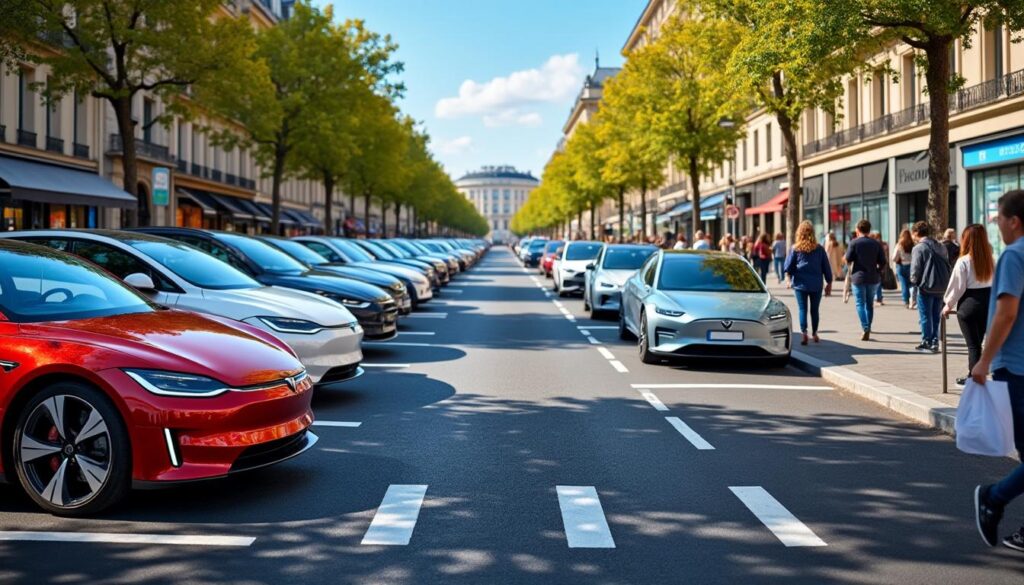

The automotive sector in France is experiencing an interesting yet complex transition. Although the supply of electric vehicles (EVs) has significantly increased, a recent Ifop survey for La Centrale indicates that the majority of the French still prefer cars with internal combustion engines. With figures revealing a palpable reluctance to adopt more eco-friendly alternatives, it is crucial to delve into the motivations behind this persistent preference.
State of the automotive market in 2024
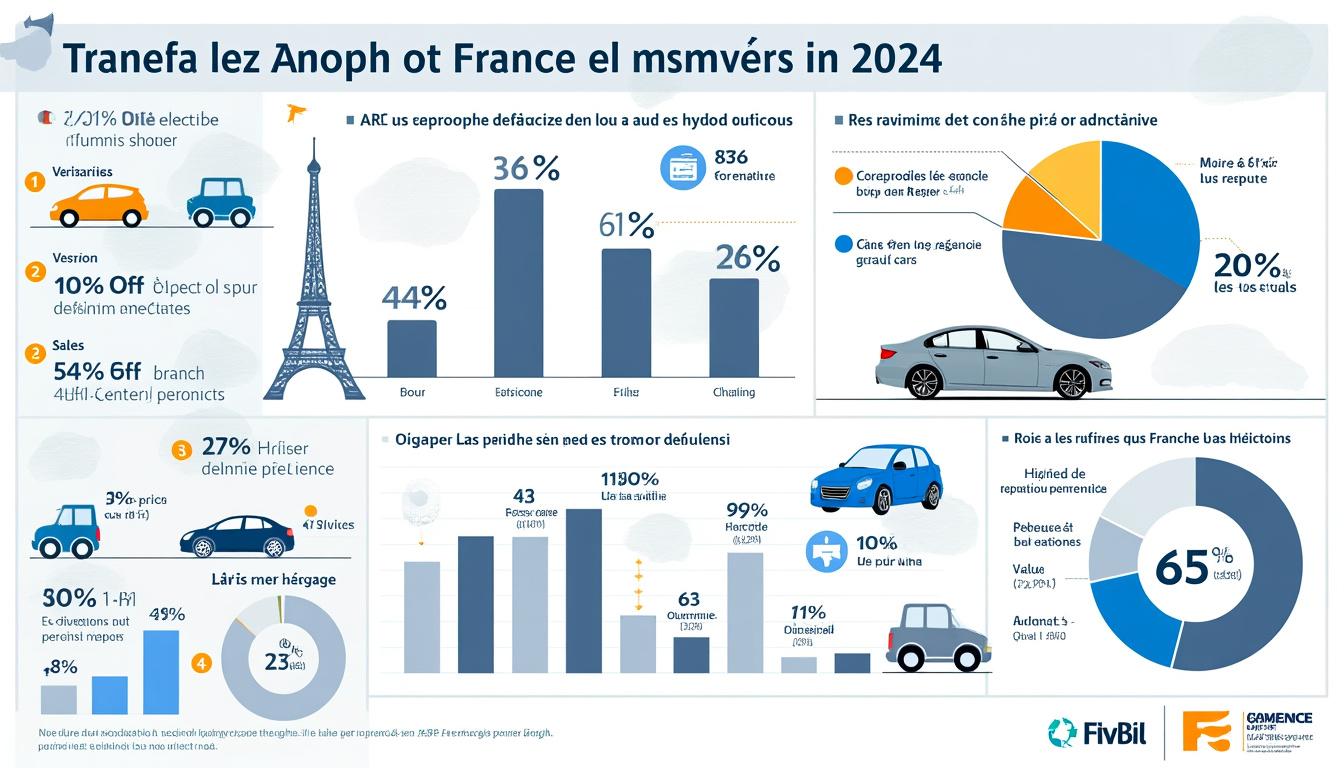
The observation is clear: in 2024, the supply of electric cars has exploded, with an increase of 85% compared to 2023. Yet, thermal vehicles continue to captivate the attention of French consumers. According to the Ifop survey mentioned above, only 13% of the French claim they would choose an electric vehicle at the same price immediately, while 37% are open to this solution, but not for a few years. Thus, 87% of the French continue to favor internal combustion engines, a number that illustrates the cultural and economic attachment to these traditional vehicles.
The reasons for resistance to electric vehicles
Several reasons explain this phenomenon. First, price is a major obstacle. Even though the costs of electric vehicles are decreasing, the strong perception of their often high prices persists. A growing concern is also linked to worries about battery reliability, as well as their replacement costs. Indeed, a Kantar study reveals that 58% of potential buyers fear the cost of a short or medium-term replacement.
At the same time, the results suggest that there are also significant cultural barriers. Car consumption habits are deeply rooted in French society. The idea of a radical change induces a form of reluctance and anxiety. Many French people have questions about charging infrastructure, battery lifespan, and the resale value of a second-hand electric vehicle, complicating their decision.
The advantages of thermal cars
Internal combustion engine cars, such as those offered by Renault, Peugeot, Citroën, Volkswagen, or Ford, provide undeniable advantages to consumers. On one hand, they are generally cheaper to purchase and benefit from a wide range of models. The SUVs, sedans, and compacts available on the market offer solutions tailored to various needs.
Moreover, the network of gas stations is still much more developed than the electric vehicle charging infrastructure. This allows thermal car drivers to enjoy greater freedom without worrying about range or charging times that can vary significantly. The table below illustrates these differences concisely.
| Criteria | Thermal Cars | Electric Cars |
|---|---|---|
| Average purchase price | 20,000 € | 30,000 € |
| Gas station network | Large | Under development |
| Average range | 600 km | 400 km |
| Charging/fuel cost | User-friendly | In evolution |
The new trends among the youth
An intriguing aspect of the Ifop study is the difference in attitudes towards electric vehicles across age groups. While only 13% of the general population claims to be ready to make the leap to electric, young adults appear more inclined to opt for this technology. Indeed, 47% of 18-24 year-olds state their intention to purchase an electric vehicle in the near future, a figure that rises to 53% among 25-34 year-olds.

Socio-professional categories and their impact on vehicle choice
Developed countries often show disparities in the acceptance of new technologies. In France, studies highlight socio-professional differences. Affluent categories and residents of cities like Paris are the most likely to adopt an electric vehicle, with a preference for brands like Toyota and BMW that offer hybrid or fully electric options.
This raises concerns about social and territorial inequalities. For example, those living in rural areas may have less access to charging points or feel compelled to choose thermal vehicles due to a lack of practical solutions. The following tables illustrate these observations.
| Socio-Professional Category | Intention to Purchase an Electric Vehicle | Favorite Criteria |
|---|---|---|
| Young People (18-34 years) | 47% | Battery lifespan, Ecology |
| Affluent Professionals | 50% | Advanced technology, Brand |
| Rural Residents | 20% | Accessibility, Cost |
The outlook for the future and the hybrid compromise
In light of this reality, the purchase of hybrid vehicles emerges as a valid intermediate solution. Indeed, the blend of thermal and electric cars allows for the benefits of each technology. Hybrids capture a 12% share of the used car market, while fully electric vehicles represent only 4%. Brands like Mercedes-Benz and Audi stand out by offering models that appeal to a broad audience.
How these changes depend on government regulations
The consultation around legislation, generally in favor of sustainable development, includes deadlines for halting the sales of thermal vehicles. This could influence the purchasing behavior of the French. For example, people who previously hesitated to change their vehicle might see the urgency of the situation and consider switching to electric more quickly.
The repercussions on the automotive industry
This gradual adoption has tangible consequences for the automotive industry. Manufacturers like Volkswagen and Fiat must adapt to this new demand by diversifying their offerings to include reliable and affordable electric models. In response, many companies are also investing in research and development to improve battery technology, reduce charging times, and extend vehicle lifespan. Thus, the balance between tradition and innovation seems crucial in the evolution of the French automotive market.
The consequences of current choices on society
The decisions made today by French consumers will have repercussions on the environment, the economy, and transport habits. 65% of the French are concerned about the negative impacts of the decline of thermal vehicles on social inequalities. This fear could become a force of inertia, slowing the transition to electromobility.
On the other hand, collective actions aimed at promoting electric vehicles, such as subsidies or tax incentives, can also encourage change. The role of companies, like those mentioned in this article, is crucial in informing and guiding consumers through this process.
| Influencing Factors | Impact on Attitudes Towards Electric |
|---|---|
| Environmental Concerns | Increased interest in EVs |
| Ownership Costs | Reluctance to invest in EVs |
| Accessibility of Infrastructure | Direct impact on purchasing decisions |
Si vous souhaitez lire d'autres articles tels que The majority of French people still prefer petrol cars over electric ones, even at equal prices, consultez la catégorie Non classé.
-
Jalil Montessuy says:
C'est fascinant de voir comment les jeunes adoptent de plus en plus les véhicules électriques.
-
C'est intéressant de voir comment les jeunes sont plus ouverts aux voitures électriques.
-
C'est fascinant de voir à quel point les Français sont attachés aux voitures thermiques malgré les offres électriques.
-
Il est fascinant de voir comment les jeunes adoptent les véhicules électriques plus rapidement.
Leave a Reply
Articles relatifs