The long-awaited return of the rotary engine for the next generation of MX-5?

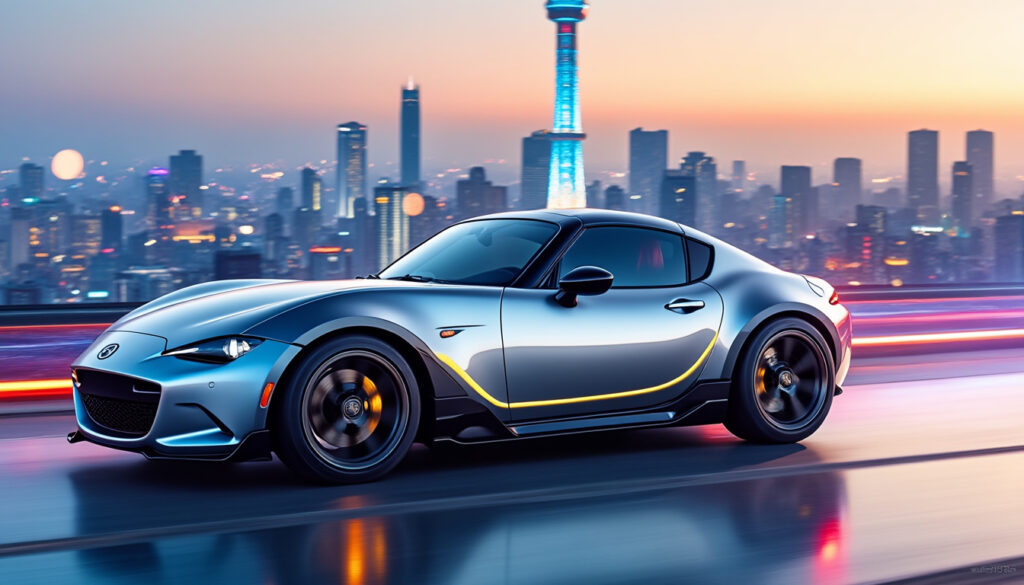

The legendary Mazda MX-5 may well enter a new era. At the heart of this evolution: the return of the rotary engine, an iconic technology that could redefine the very concept of sports cars. In an automotive world undergoing profound change, the integration of this compact engine would innovatively address the need for performance while meeting strict environmental standards. What surprises does the future hold for this iconic roadster?
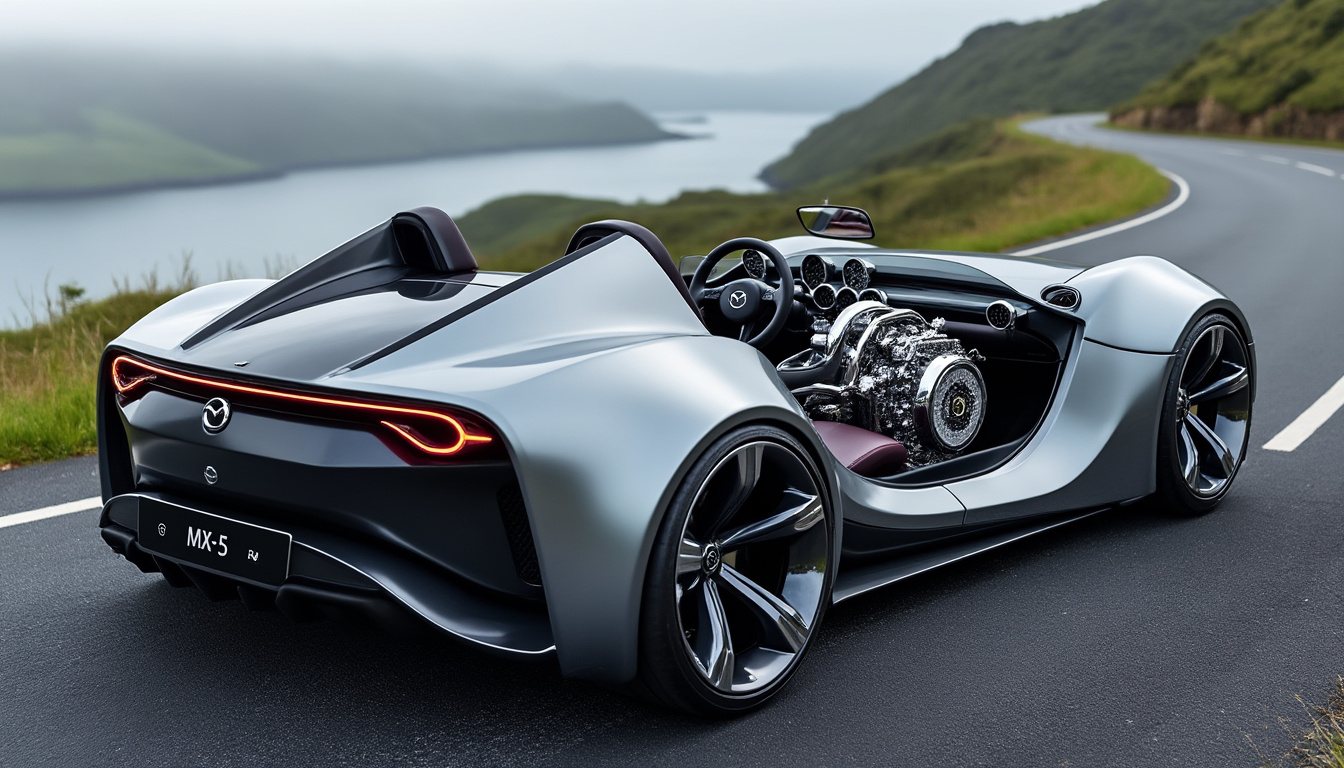
The Iconic SP Concept: A Taste of the Future
At the Tokyo Motor Show 2023, Mazda unveiled its Iconic SP concept, a coupe with lines that blend elegance and aggression, emblematic of the brand's aesthetic evolution. This initiative is not limited to a mere design change. It reflects Mazda's commitment to preserving the spirit of sports cars while integrating cutting-edge technologies.
- 🎨 Ergonomic Design: a perfect balance between style and functionality.
- ⚙️ Rotary Engine: compact, lightweight while providing impressive power.
- 📈 Performance: a promise of thrilling experiences behind the wheel.
- 🌱 Ecological Innovation: the possibility of using different types of fuels, including hydrogen and biofuels.

Rotary Engine: A Technology with a Tumultuous Past
While the rotary engine has celebrated Mazda's success with legendary models like the RX-7, it has also faced several technical challenges. Among these, high fuel consumption and compliance with strict American emission standards. Today, the company seems to have found a way to utilize this technology as a power generator, as demonstrated by its MX-30 R-EV model, thus supporting hybridization.
| Technical Challenges | Proposed Solutions |
|---|---|
| 🔋 High fuel consumption | Use of the rotary engine solely as a generator |
| 🌍 Emission problems | Resolutions through technological advancements |
| 🔧 Recurring sealing issues | Optimization of internal designs |
A Weighty Dilemma for the MX-5: Hybrid or Electric?
The question of electrifying the MX-5 involves crucial considerations regarding weight. The pursuit of performance must harmonize with the historical aim of lightness and sportiness. The challenge lies in combining electric propulsion without compromising what has made the roadster's reputation.
- ⚖️ Weight Management: the current MX-5 weighs only slightly more than its predecessors.
- 🔋 Future Equipment: patents for an MX-5 with intelligently distributed batteries.
- 🎯 Goal: exceed weight standards while providing an exhilarating driving experience.

A Promising Future for the MX-5
Mazda's engineers are determined to create a car that respects its fundamentals while evolving with the times. Umeshita's statement, technical director, summarizes the essence of the challenge: “Size, lightness, and driving pleasure will never change in the MX-5.”
| Generation | Weight | Relative Cost (Adjusted for Inflation) |
|---|---|---|
| MX-5 NA (1990) | 🔍 Reference | 🔍 Reference |
| MX-5 ND (current) | +2 lbs | -15% |
| Hypothetical hybrid | 🚫 Heavier (according to current technology) | ⚖️ To be determined |
The next generation of the N-X5 could thus be preparing for an innovative future. So, a new era for this iconic roadster could well be at hand. Towards the grand return of the rotary engine?
Si vous souhaitez lire d'autres articles tels que The long-awaited return of the rotary engine for the next generation of MX-5?, consultez la catégorie Non classé.
-
Mireille Tsubasa says:
Le retour du moteur rotatif est enthousiasmant, j'espère qu'il brillera à nouveau sur la route !
Leave a Reply to Mireille Tsubasa Cancel reply
Articles relatifs