the lesser-known component that contributes to pollution, even from electric vehicles

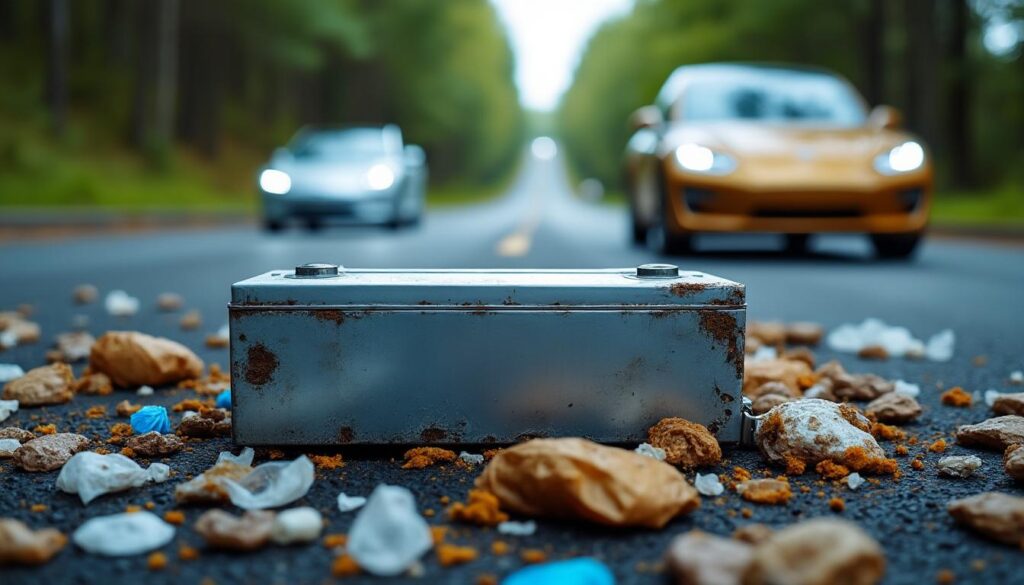

The technological advancements in the automotive field, mainly with the rise of electric vehicles, have sparked great hope for reducing road pollution. However, one often overlooked aspect remains impactful: braking systems. While millions of vehicles on our roads, including iconic brands like Tesla, Nissan, and Volkswagen, continue to contribute to air pollution through particle emissions, European regulations are strengthening with the introduction of stricter standards. Let’s explore this issue together, as well as the innovations that could transform this reality.
Braking and its environmental impacts
It's easy to think that electric vehicles, due to their operation without direct emissions, do not contribute to ecological challenges. However, upon closer inspection, we realize that braking systems play a significant role in atmospheric pollution. Friction brakes, responsible for the essential traction of vehicles, generate fine particles when they are engaged, which poses a notable environmental problem.
The Euro 7 standards as a catalyst for change
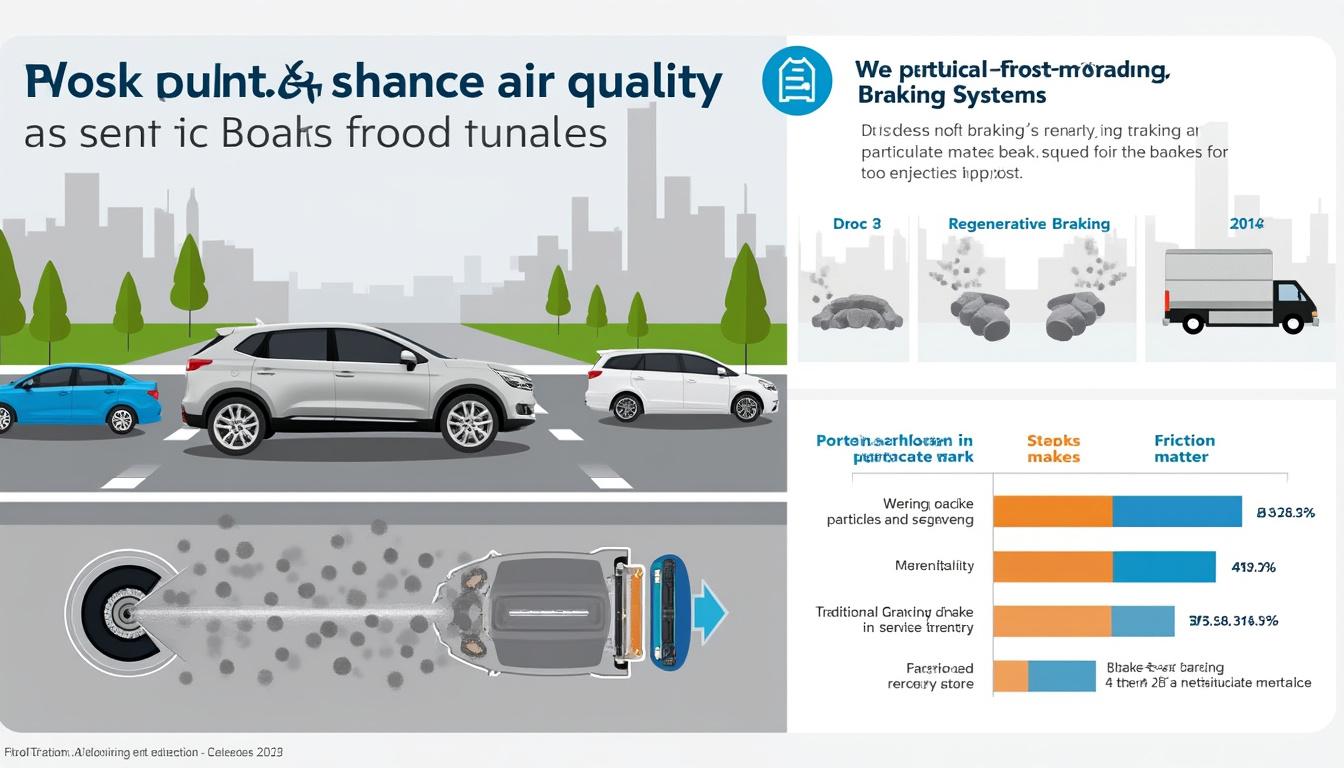
The European Commission has recognized the importance of this issue and has implemented the Euro 7 standards, which will come into effect in 2026. One of the key elements of this regulation is the strict limitation of particulate emissions, which will even include those produced by braking systems. These standards impose precise pollution thresholds, with the goal of reducing these particles to a maximum of 7 mg per kilometer, with an ambition of reaching 3 mg/km by 2035.
- 7 mg/km : particulate emissions limit for 2026
- 3 mg/km : target for 2035
- Exceptions for electric vehicles with a slightly higher threshold due to regenerative braking
These standards face a real challenge: how can the automotive industry, including giants like BMW, Renault, and Ford, adapt to these requirements while continuing to evolve towards less polluting solutions?
Innovative technology: Brembo's Greentell
In response to the need to advance with sustainable solutions, the company Brembo has developed a cutting-edge technology called Greentell. Utilizing the Laser Metal Deposition (LMD) process, this method significantly reduces particulate emissions while maintaining optimal performance.

The principle of this technology's operation is based on a metallic 3D printing process that applies a coating to brake discs. This approach offers several advantages:
| Criteria | Conventional Disc Brakes | Greentell Technology |
|---|---|---|
| Particle emissions | High | 90% reduction |
| Disc wear | Standard | 80% reduction |
| Lifetime | Standard | 20-30% longer |
This technological revolution is grounded in the industry's commitment to minimize its ecological impact, an essential necessity at a time when governments, such as those in EU countries, are seeking to encourage the adoption of less polluting vehicles. Greentell brake discs are not just a technical innovation but a true shift in the way we approach pollution related to automobiles.
Technical adjustments and durability
Another significant aspect of Greentell technology is the adaptation of the materials used, allowing not only for the reduction of pollution but also for the optimization of the durability of braking systems. Indeed, tests have shown that Greentell brake discs lose 80% less material, extend their lifespan, and thus minimize the need for frequent replacement.
Brake disc wear not only generates pollution but also exposes motorists to additional costs for spare parts. Thus, by improving the longevity of the discs, Brembo enables owners of electric vehicles like certain ranges from Hyundai and Toyota to benefit from better economic performance.
- Material change for limited wear
- Innovative wear indicator: visible logo, allowing easy identification of when to replace
- Procedural improvements for low wear and maintenance of performance
Future prospects: a collective effort
As the energy transition strengthens, the automotive market must adapt to the ecological demands of tomorrow. Innovations like those brought by Brembo, which specifically aim to address particulate emissions from braking systems, represent an integral part of this. In fact, manufacturers like Chevrolet and Mitsubishi are beginning to explore these new solutions to improve their environmental impact.
In response to regulatory pressures, it is imperative that the entire automotive supply chain, from manufacturers to equipment suppliers, comes together around the common goal of reducing its carbon footprint. The challenge lies not only in the engine of a vehicle but in every component, particularly the braking system.
| Manufacturer | Commitment to the environment |
|---|---|
| Tesla | Production of completely electric cars and promise of a sustainable future |
| Nissan | Invention of the Leaf, a flagship model of electromobility |
| BMW | Introduction of plug-in hybrid models and sustainable manufacturing techniques |
| Renault | Commitment to accessible electric models |
The stakes are quoted by various players within the industry: adapting infrastructures, continuously innovating, while maintaining affordable costs. Meanwhile, Greentell technology could potentially spread to other regions, including the United States, provided that demand manifests. In a context where emission standards are still unclear, it could become a global reference in the years to come.
Si vous souhaitez lire d'autres articles tels que the lesser-known component that contributes to pollution, even from electric vehicles, consultez la catégorie Non classé.
-
Éloi Vallière says:
Les nouvelles technologies de freinage peuvent vraiment aider à réduire la pollution, c'est prometteur!
-
Les nouvelles technologies, comme celles de Brembo, pourraient vraiment réduire la pollution due au freinage.
-
Les nouvelles technologies comme Greentell sont essentielles pour réduire la pollution des véhicules.
-
Les nouvelles technologies de freinage comme Greentell peuvent vraiment changer les choses pour l'environnement.
-
C'est fascinant de voir comment la technologie évolue pour réduire la pollution des voitures.
Leave a Reply
Articles relatifs