The increase in your electricity bill to fund the transition to electric cars



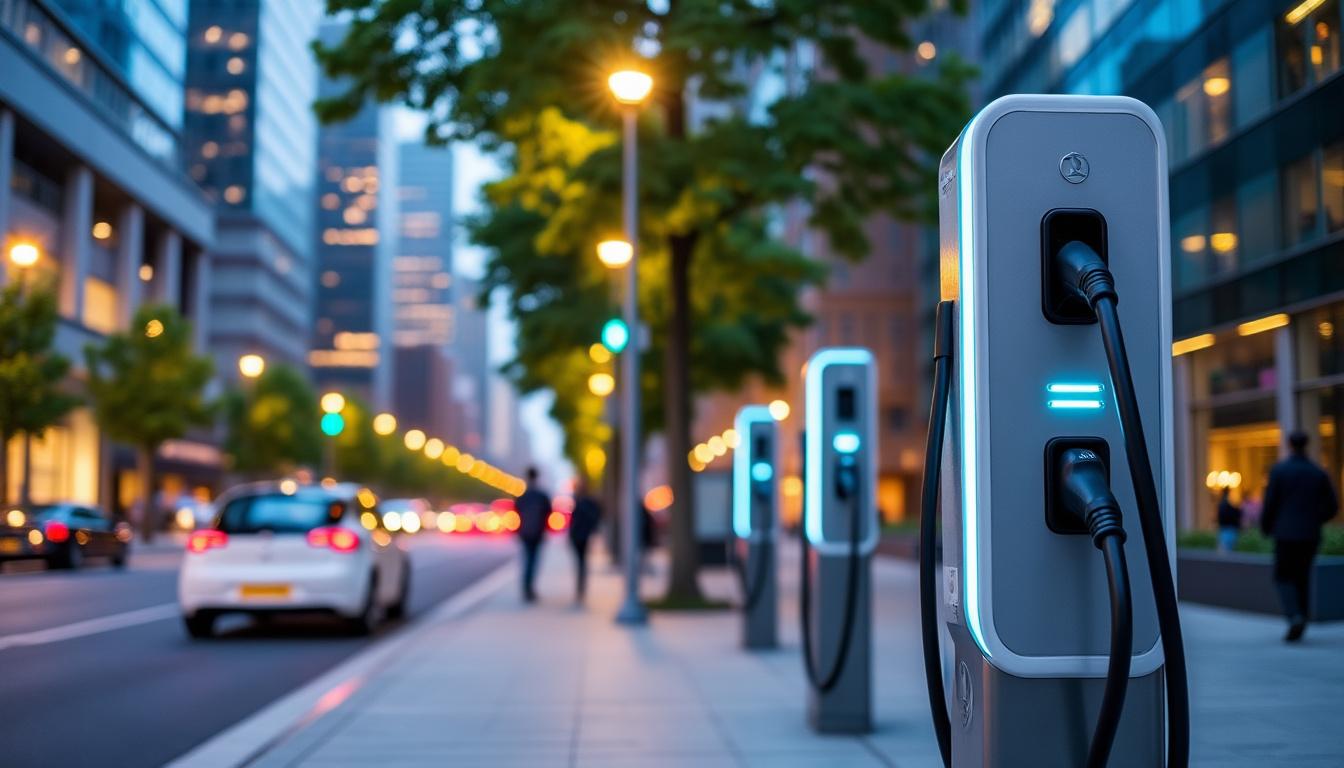
The transition to electric cars is on everyone's lips, but at what cost to consumers? Starting in July 2025, a major change in the financing of electric vehicle purchase aids will redefine the energy landscape in France. The government is preparing to transfer the cost of the ecological bonus onto electricity bills. An evolution that raises not just euros but crucial questions about future mobility. 🚗⚡️
A reform marked by controversy
Decisions are disrupting the landscape. The initial budget for the ecological bonus, set at 700 million euros for 2025, is now reduced to 496 million euros, revealing a significant decrease in available resources to encourage the adoption of electric vehicles. This gradual disengagement of the state has direct impacts on consumers who may see their electricity bills rise to compensate for this shortfall.
Here is an overview of the current situation:
- 📉 Ecological bonus budget reduced by 200 million euros since January 2025.
- 📉 Project 174, funded by these aids, cut by two-thirds.
- 🔍 About 15,000 to 20,000 ecological bonuses could disappear.
Proposed alternatives: an uncertain funding
In the face of this challenge, the government believes it has found a solution with energy savings certificates (CEE). This system, which penalizes large energy suppliers like EDF and Engie if they do not meet savings quotas, will allow the government to transfer part of the funding to the private sector. While this seems to be a good strategy on paper, crucial questions remain regarding its effectiveness.
| Funding Elements | Potential Impact on Consumers | Associated Risks |
|---|---|---|
| Shift to CEE | ↑ 50 to 100 € per year on bills | Repercussions on all energy bills |
| Reduction of initial budget | Potential decrease in purchase aids | Hindrance to the transition to electric |
| Increase in bonus amounts | Access challenges for some consumers | Uncertainty about fairness in allocation |
Towards increased complexity of automotive aids
The new rules for allocating aids, such as reinforced ecological criteria favoring European productions, further complicate the situation. Consumers, prepare to navigate through a maze of aids that must not only be understandable but also accessible.
- 🔄 Strengthening of allocation criteria.
- 🏗️ Chinese electric models left aside.
- 🗺️ Variability of regional aids to anticipate.

The effectiveness put to the test
It is clear that the exposition of the current situation shows considerable stakes. The dynamics of the automotive market is now in the hands of a fragile balance, with a focus on sales that could well clash with the reality of regulatory frameworks. The example of Germany, where a sudden withdrawal of aids caused a drop of over 30% in electric registrations, is worthy of reflection. This illustrates the precariousness of public incentives on which this transition relies.🏗️
| Impact in Germany | Result |
|---|---|
| Sudden removal of the ecological bonus | Drop in sales of electric vehicles |
| Decreasing registrations | At least -30% compared to the previous year |
The future of electric mobility in France, now shaping between rising electricity costs and the renewal of the support landscape, demands keen observation from consumers regarding their purchasing behaviors as well as the instability of subsidies. The choices made today will not only shape energy consumption but also the environmental security for future generations. To take control of this transition, it becomes imperative to understand the maze of aids and anticipate its overall cost. Discover more tips on how to manage your electricity bills and make the right choice for your next electric car.

Si vous souhaitez lire d'autres articles tels que The increase in your electricity bill to fund the transition to electric cars, consultez la catégorie Non classé.
-
Célestin Luminier says:
C'est fou comment cette réforme va influencer nos factures d'électricité et l'avenir des voitures électriques.
Leave a Reply
Articles relatifs