The future of electric cars: a possible global lithium crisis?

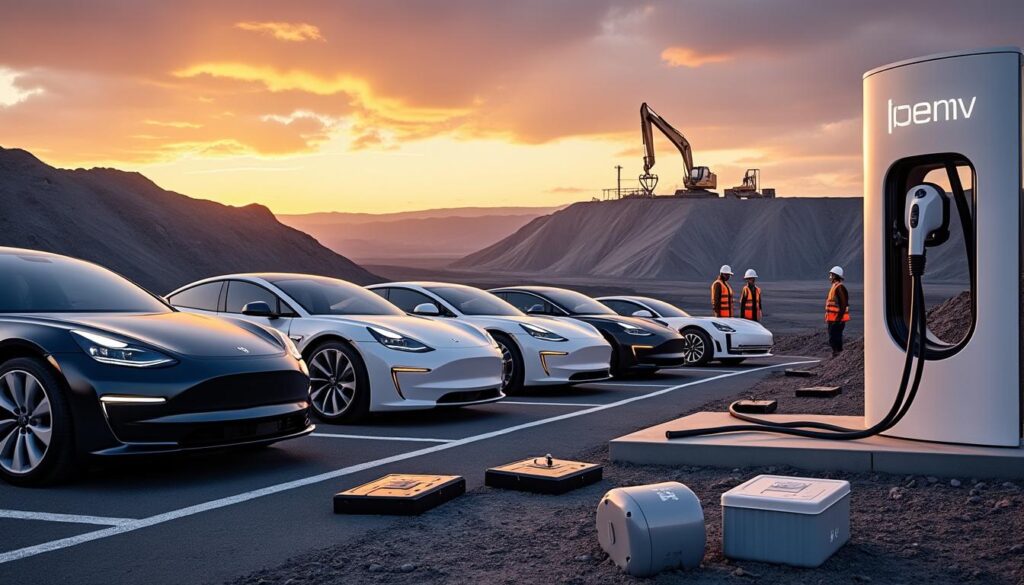

As the era of electromobility develops at a breakneck pace, a growing concern is emerging in the automotive field: the lithium shortage. This metal, essential for the production of electric vehicle batteries, could become a major issue for manufacturers like Tesla, Renault, and Volkswagen. Experts predict an increase in electric vehicle sales, but this growing demand could exceed current production capacities. When lithium becomes the keystone of the future, how will the industry adapt?
The Rise of Lithium in the Automotive Industry
Lithium, long considered just another chemical element, is now viewed as a true treasure. Its presence is crucial in the production of lithium-ion batteries that power most electric cars on the market. Iconic brands such as Tesla, Nissan, BMW, and Hyundai depend on it to meet the growing demand of environmentally conscious consumers.
The transition to electric has revived interest in this metal. In the past, lithium was mainly used in sectors like electronics or pharmacology. Today, with the rise in electric vehicle sales, its role has become central. According to forecasts, global lithium production could reach impressive levels, particularly in the European Union, with a target of 325,000 tons per year by 2030.
Impact on the Supply Chain
The surge in demand has created major challenges for the supply chain. Lithium producers, such as those based in Australia and South America, are under increasing pressure to boost their output. However, factors such as environmental constraints and extraction difficulties complicate this process.
- Logistical issues: Transporting lithium from mines to battery factories presents many challenges.
- Environmental regulations: Lithium extraction can have negative impacts on local ecosystems.
- Market concentration: Few countries control the majority of production, making supply unstable.
Manufacturers must prepare for a potential increase in material costs, which could in turn affect the selling price of vehicles. For example, Volkswagen and Ford will need to adjust their pricing strategies to remain competitive in the market.
A Race for Innovation in Recycling
Faced with the possibility of a shortage, lithium recycling has become a priority for many industry players. Initiatives to develop batteries with a longer lifespan, as well as efficient recycling processes, are emerging. Battery recycling could help reduce the demand for lithium and create a circular economy around electric vehicles.
| Innovation | Description | Company Example |
|---|---|---|
| Lithium-sulfur batteries | Extend lifespan and reduce production costs. | Stellantis |
| Advanced recycling | Recovery of valuable materials from used batteries. | BYD |
| Non-lithium batteries | Use of alternatives like sodium for a sustainable approach. | CATL |
These innovations will not only meet the growing demand but also reduce the environmental impact of lithium production. Companies that commit to this direction could ultimately capture a significant share of the electric vehicle market in the coming years.
Alarming Forecasts for 2025
With the explosion in electric car sales, a global lithium crisis seems inevitable by 2025. Automobile companies, which are gradually abandoning combustion engines, face an unprecedented challenge: how to ensure a sufficient supply of lithium to power their future electric ranges? Global sales of electric cars saw a 55% increase last year, creating a potential gap between supply and demand.

In this dynamic, China, as the largest market for electric vehicles, plays a major role. Massive investments in lithium production are crucial there. Most major players, such as Lucid Motors or Audi, are seeking to secure their supplies by partnering with lithium producers to avoid shortages in the near future.
Economic Consequences
The potential lithium shortage threatens not only major brands but could also have deep ramifications for the entire global economy. Analysts estimate that price increases could occur, affecting battery costs and, ultimately, the price of electric vehicles. This could represent a major setback for the global energy transition.
- Increased production costs: Manufacturers may be forced to raise electric vehicle prices.
- Decreased profit margins: Small businesses may be less able to absorb higher costs.
- Supply chain disruptions: Delivery delays could become frequent, impacting the market.
The competition for lithium among countries could also escalate into geopolitical tensions. Producing countries like Chile and Argentina will inevitably face new pressures, both within and outside their borders.
Solutions to Avoid the Crisis
In light of this threat, several solutions are emerging. The industry must adopt a proactive approach regarding supply and sustainability. Companies like Renault and Ford are investing in new technologies and research projects aimed at strengthening competition through the establishment of resilient supply chains.
| Strategies | Expected Impact |
|---|---|
| Research on lithium alternatives | Reduce dependence on lithium. |
| Investment in recycling | Create a circular economy. |
| Local partnerships with producers | Heal geopolitical tensions and secure supply. |
It is through a combination of innovative initiatives and strategic collaborations that the automotive sector will navigate the turbulent waters of the upcoming energy transition.
Innovations in Lithium-Free Battery Technology
The search for alternative solutions to reduce dependence on lithium is a promising avenue to counter this potential crisis. Technological advancements in lithium-free batteries, such as those proposed by the Chinese giant CATL, suggest a future where sodium could replace lithium in some applications. Sodium-ion batteries offer several advantages, including reduced supply costs and a lower environmental impact.
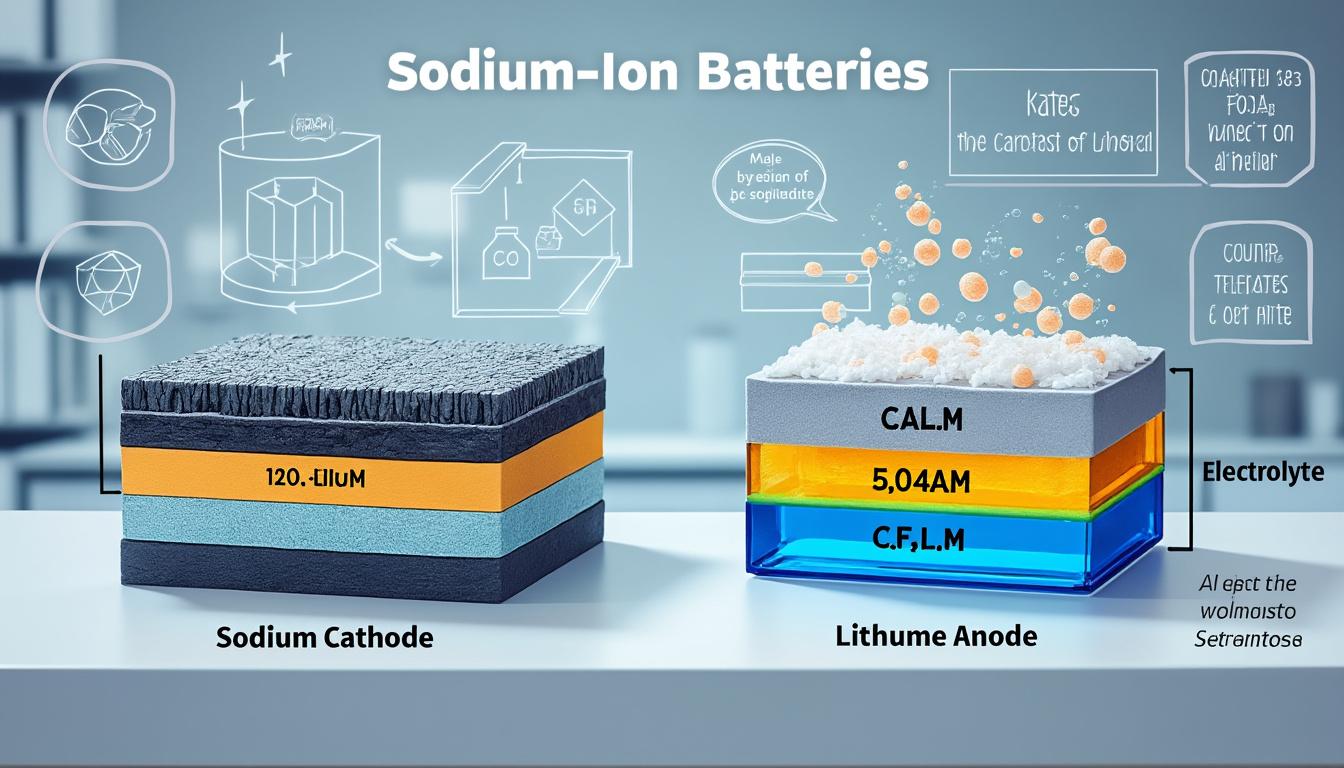
These innovations are also accompanied by a growing interest in materials such as coconut for batteries. Research highlights the possibility of using more common and equally effective elements to produce durable batteries.
The Role of Start-ups in This Revolution
Start-ups play a key role in the innovation of battery technologies. Emerging companies, such as those focused on lithium-sulfur batteries, are exploring innovative solutions to tackle the skyrocketing costs of lithium. They are trying to challenge the traditional concept of lithium-ion batteries and pave the way for more sustainable solutions.
- Solid-state batteries: Promise greater efficiency and enhanced safety.
- Renewable energy storage systems: Reuses renewable energies through low-cost batteries.
- Fast charging technologies: Improve charging times, making electric vehicles more attractive.
These innovations could not only meet the urgency of the supply of "white gold" but also ensure a sustainable and enduring future for electric vehicles.
Environmental Consequences of Lithium Extraction
Finally, the debate surrounding lithium cannot be complete without addressing environmental issues. The intensive extraction of this metal can lead to irreversible damage to the environment. Saline lakes in South America are particularly affected, impacting local water resources and the ecosystem.

Consumers are increasingly aware of these issues and seem to favor brands committed to responsible extraction practices. This shift in mindset could also impact how companies position themselves in the electric vehicle market. Lucid Motors and BMW are striving to respond to this growing demand for greener production.
Solutions for More Sustainable Extraction
Several initiatives are emerging in the sector to promote a more environmentally friendly lithium extraction. Companies are adopting technologies aimed at improving extraction efficiency and minimizing environmental impacts. Efforts to rehabilitate severely affected areas are also beginning to take shape.
| Initiatives | Goal | Example Actor |
|---|---|---|
| Low-impact extraction | Minimize impacts on water resources. | Renault |
| Partnerships for awareness | Educate consumers about environmental issues. | Volkswagen |
| Ecological restoration projects | Repair affected ecosystems. | Audi |
The necessary transition to sustainable extraction practices proves essential to preserve the environment while ensuring a lithium supply for future generations.
Si vous souhaitez lire d'autres articles tels que The future of electric cars: a possible global lithium crisis?, consultez la catégorie Non classé.
-
Sophronia Verdet says:
La hausse de la demande de lithium est inquiétante. Il faut vraiment réfléchir à des alternatives.
Leave a Reply
Articles relatifs