The French are reducing their purchases of new cars while remaining cautious about electric vehicles.

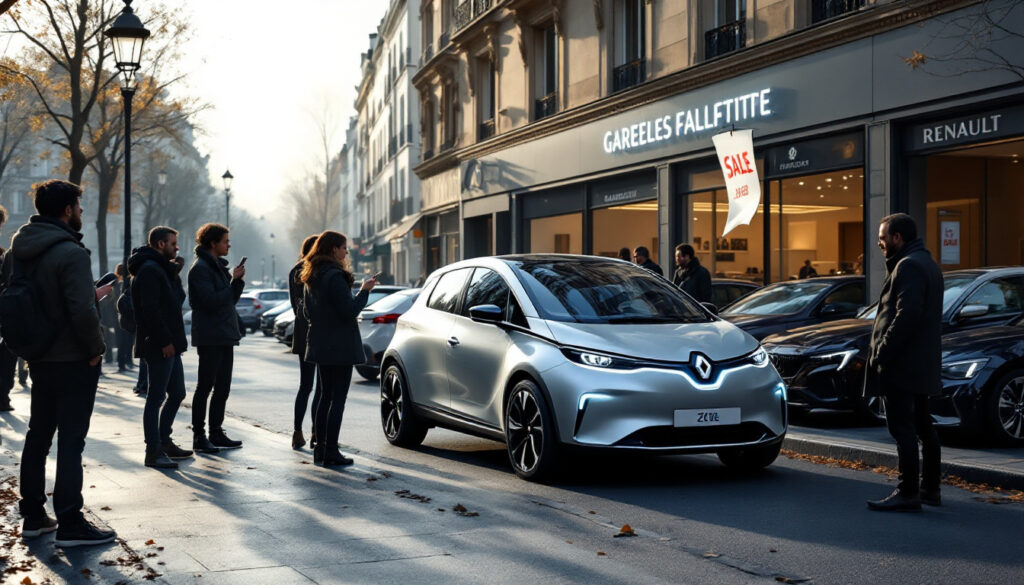

The dynamics of the French automotive market are undergoing significant changes. Consumers, in an uncertain economic context, are choosing to reduce their purchases of new cars while maintaining a critical eye on electric vehicles. This trend seems to highlight a turning point in the expectations, preferences, and concerns of buyers. Although the transition to sustainable mobility is underway, reticence persists. Why this hesitation towards electric vehicles when Europe is heading towards a ban on combustion engines?
The decline in new car purchases in France
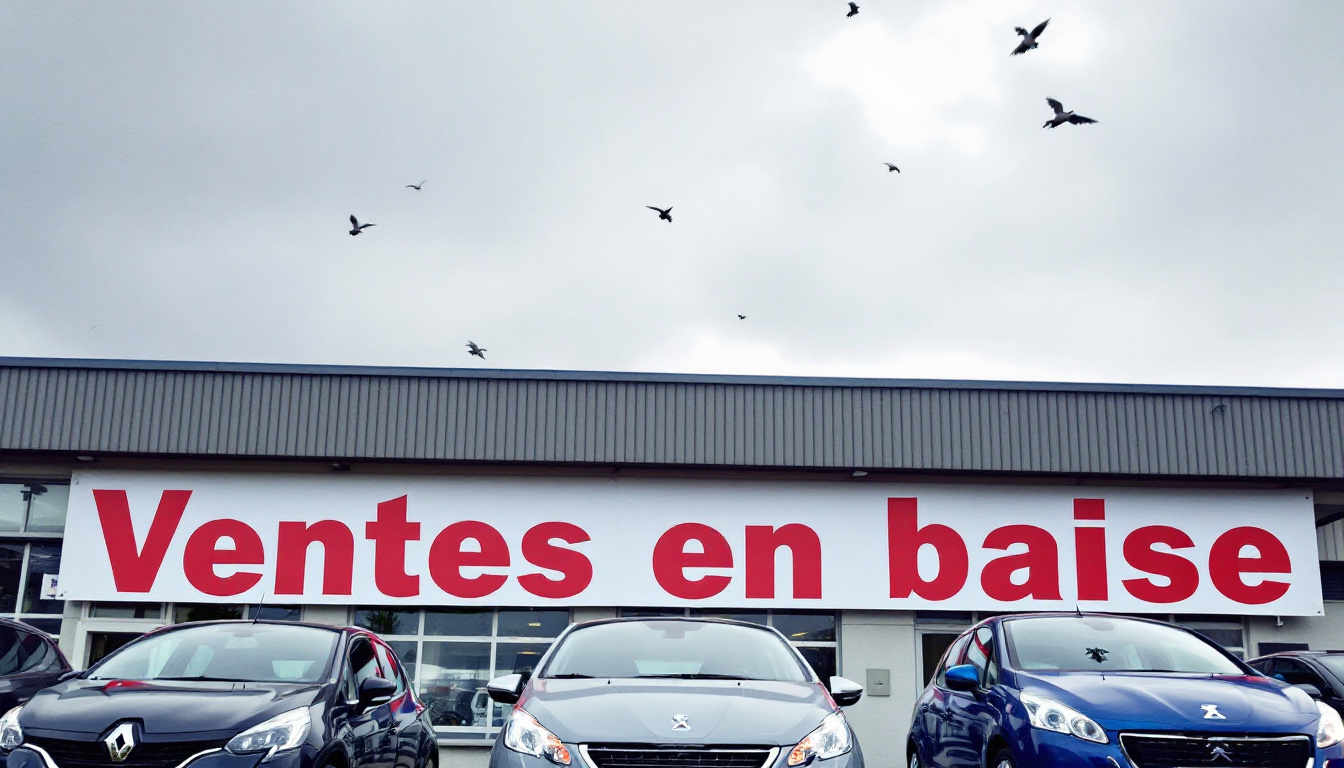
The trend is clear: the market for new cars in France has been declining since the beginning of 2025. According to the latest analyses, sales of passenger vehicles recorded a decrease of 5.6% in April, adding to a cumulative decrease of 7.3% over the first four months of the year. This situation can only attract the attention of automotive industry professionals, who might have a bitter taste regarding what will undoubtedly be called a "black year." The data reveals an undeniable dynamic: consumers are eager to sell their old models but are buying new vehicles less frequently.
A deeper examination of the key players in the market presents an even more nuanced picture. The giant Stellantis is experiencing a significant drop with an overall decline of 12.3% in April, and brands like Peugeot and Opel are also seeing their sales collapse. For example, Peugeot shows a decrease of 10.7%, while Fiat is impacted by a loss of 60.1%. On the other hand, Renault seems to be holding its ground with modest growth of 2.1%, supported by the performance of the diamond brand.
What is driving this trend? Several reasons can be highlighted:
- Apprehension regarding economic uncertainties and household purchasing power.
- A growing revaluation of used vehicles, often perceived as more affordable.
- An interest in less costly alternatives, such as carpooling.
This overview leads us to question the overall health of the sector. The forecasts for 2025 are not very optimistic. For automotive professionals, this translates into concerns about the future.
Comparison of new car sales in France
| Brand | Percentage change in April 2025 |
|---|---|
| Stellantis | -12.3% |
| Peugeot | -10.7% |
| Opel | -29.4% |
| Fiat | -60.1% |
| Renault | +2.1% |
This table clearly shows the upheaval facing the market and emphasizes the urgency of adaptations within commercial strategies. Consumer behaviors are undergoing a profound transformation, with buyers becoming increasingly discerning about the vehicles they choose to acquire.
The rise of concerns about electric vehicles
For several years now, electric vehicles have been at the heart of discussions surrounding ecological transition. However, French consumers do not seem ready to embrace this revolution wholeheartedly. With the impending ban on combustion cars, one might expect a rush towards electric vehicles. Unfortunately, the reality is different.
Sales of 100% electric cars, representing 18.2% of the market over the first four months of 2025, are stagnating. In April, the market share for individuals plummeted to 18%, equivalent to a decrease of 44% compared to the previous year. This phenomenon raises questions about the real appeal of this type of vehicle. Why this decline when the government is promoting incentives for electric purchases?
To understand this situation, it is crucial to consider several elements:
- The initial purchase cost remains a significant barrier for many households. The perception that electric vehicles are too expensive remains prevalent.
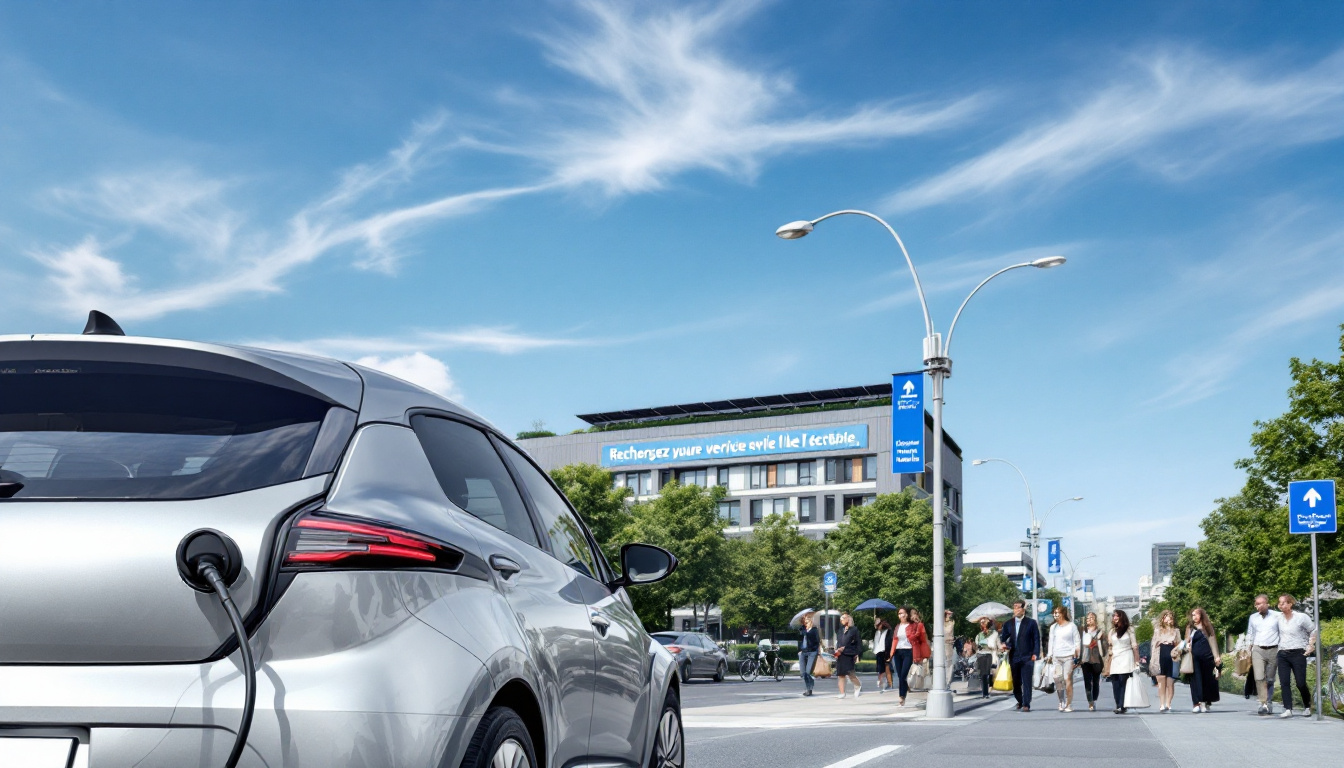
- Insufficient charging infrastructure does not facilitate access to this new technology. Buyers are often concerned about their ability to recharge their cars easily.
- Doubts regarding the autonomy of electric vehicles continue to worry consumers, despite the advancements made by brands like Tesla or Nissan.
These concerns are already corroborated by several studies. A survey conducted in January 2025 revealed that nearly 60% of respondents doubted the long-term reliability of electric vehicles. Despite promises of efficiency and energy savings, skepticism persists.
Another factor to consider is the marketing strategies implemented by manufacturers. Too often, campaigns fail to address the real needs of consumers. They are more concerned with understanding how these vehicles can genuinely enhance their daily lives.
Advantages of electric vehicles and obstacles to purchase
| Advantages | Obstacles |
|---|---|
| Less polluting in terms of CO2 emissions | High initial purchase cost |
| Lower maintenance costs | Insufficient charging infrastructure |
| Quiet driving | Concerns about autonomy |
This duality between advantages and obstacles must be taken into account by brands if they wish to attract consumers. They need to be reassured and informed to take action.
Alternatives to new vehicle purchases
The French automotive universe is no longer only accessible through the purchase of a new car. Indeed, the growing awareness of environmental challenges, combined with a more economically responsible approach among the French, is leading them to consider other options. The high demand for used cars, hybrid models, as well as practices such as carpooling and car-sharing services, are integral to this evolution.
In light of less expensive choices, the purchase of used cars is increasing. Households view these vehicles as a more affordable option, and sales platforms are multiplying. The ease of access to these used cars, paired with a range from standard models to luxury vehicles, offers buyers a variety to explore.
Hybrids, for their part, despite often vague commercial offers, find themselves in a strong position with 45.1% of sales. This reflects a desire to combine the best of both worlds: a car that meets ecological demands while being reliable and less costly to use. This attests to a growing willingness for informed choices among consumers.
- Used cars: An accessible alternative for many households.
- Hybrids: Address environmental concerns while offering appreciated autonomy.
- Carpooling and car-sharing: Options for occasional trips without maintaining a personal vehicle.
These modern practices reflect the evolution of purchasing behaviors and expectations towards automobiles. Many French people now prefer to adopt combined and flexible solutions, creating a new dynamic in the sector.
Current trends in the used car market
| Type of vehicle | Percentage of sales in 2025 |
|---|---|
| Used cars | +20% |
| Hybrid vehicles | 45.1% |
| Electric vehicles | 18.2% |
| Combustion vehicles | 23.1% |
A good understanding of these new trends and an adjustment of commercial strategies are essential in light of the evolving expectations of consumers.
The role of government incentives on vehicle purchases
Public policies play a crucial role in the adoption of eco-friendly cars. In France, purchasing incentives for electric vehicles are promoted by the State. However, these incentives do not seem sufficient to stimulate the market. Why? The results of various studies show that the lack of information and support is a barrier to this dynamic.
While the State encourages the transition to less polluting vehicles, the French appear skeptical about their effectiveness in practice. Purchase aids, although significant, do not truly offset the high acquisition costs and do not consider the long-term user experience.
Questions of durability and the emotional aspect for the user must also be considered. Buyers advocate for a positive overall experience that goes beyond a simple financial incentive.
- Financial incentives: First steps towards broader adoption.
- Insufficient infrastructure: Consumers hesitate to invest in vehicles for which they are not equipped for use.
- Education and awareness: Effective information campaigns are essential to bolster consumer confidence.
These issues must be taken into account to ensure a successful transition to eco-friendly vehicles.
Evaluation of the impact of government incentives
| Incentives | Estimated impact |
|---|---|
| Bonus for purchasing an electric vehicle | 30% reduction |
| Assistance for installing charging stations | 20% of costs covered |
| Tax reduction for hybrid vehicles | Positive impact, but less than expected |
It is becoming increasingly clear that governance must adapt and transform to meet the real expectations of consumers regarding energy transition. The focus must be on genuine dialogue between public authorities and citizens.
Si vous souhaitez lire d'autres articles tels que The French are reducing their purchases of new cars while remaining cautious about electric vehicles., consultez la catégorie News.
-
Lysandre Lauriot says:
Il est surprenant de voir autant de réticence face aux véhicules électriques malgré les incitations.
Leave a Reply
Articles relatifs