The exposed cars: focus on the most exposed French cities



In France, the phenomenon of stripped cars is becoming a worrying trend. While the statistics for stolen parts are on the rise, some cities stand out in this sad reality. From Marseille to Paris, urban areas are fighting against this delinquency while seeking to modernize their vehicle fleet to limit pollution. Why is this phenomenon intensifying as society evolves towards education on respect for property and care for the environment?
The challenges of spare parts theft: a growing reality
The theft of spare parts today constitutes a real scourge. In 2024, a 3.8% increase in reports of parts thefts was observed. This rise is part of a context of aging in the French automotive fleet. Older model cars, often used by city dwellers, become prime targets for thieves. What has happened to our security habits? The vulnerabilities are piling up.
- Hoods
- Headlights
- Catalytic converters
These items, which have become increasingly expensive to replace, entice thieves. Indeed, material prices are rising exponentially, making small parts more lucrative on the black market. For example, the costs to replace headlight optics have seen a 70% increase in six years. How can one then protect against these thefts, while repair costs rise like an uncontrollable flame?
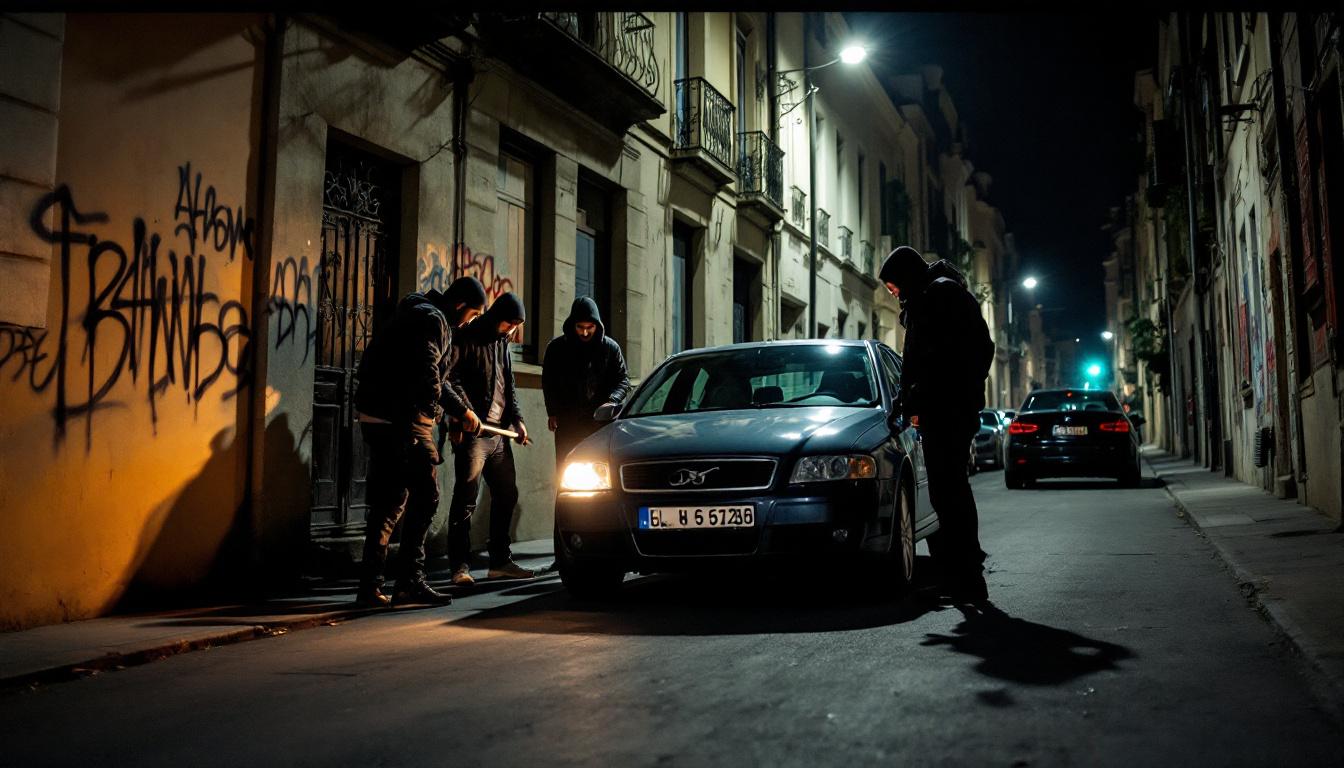
Portrait of the cities most affected by this phenomenon
Large metropolitan areas are often singled out. Marseille, Paris, and Lyon, due to their sizes and densities, record the most alarming statistics. Proximity to public transport, crowded neighborhoods, and insufficient parking spaces: several factors contribute to this.
| City | Number of thefts (2024) | Thefts per 1,000 inhabitants |
|---|---|---|
| Marseille | 3931 | 4.5 |
| Paris | 2296 | 1.1 |
| Lyon | 1605 | 3.1 |
| Toulouse | 1065 | 2.1 |
Cities such as Saint-Étienne and Montpellier are not to be overlooked. Indeed, even with a smaller population, the theft rates in proportion can sometimes be higher. This observation demonstrates that delinquency is not limited to large urban areas. Some small provincial towns could even surpass the larger ones in their criminal activity.

Impacts on urban policies: balancing security and modernization
In a context where thefts of spare parts are multiplying, municipalities must face several challenges. Cities are starting to question their ability to secure the areas where cars are parked. In Marseille or Lyon, the lack of street lighting contributes to a general sense of insecurity. Who would dare leave a luxury vehicle like a BMW or a Mercedes-Benz under these conditions?
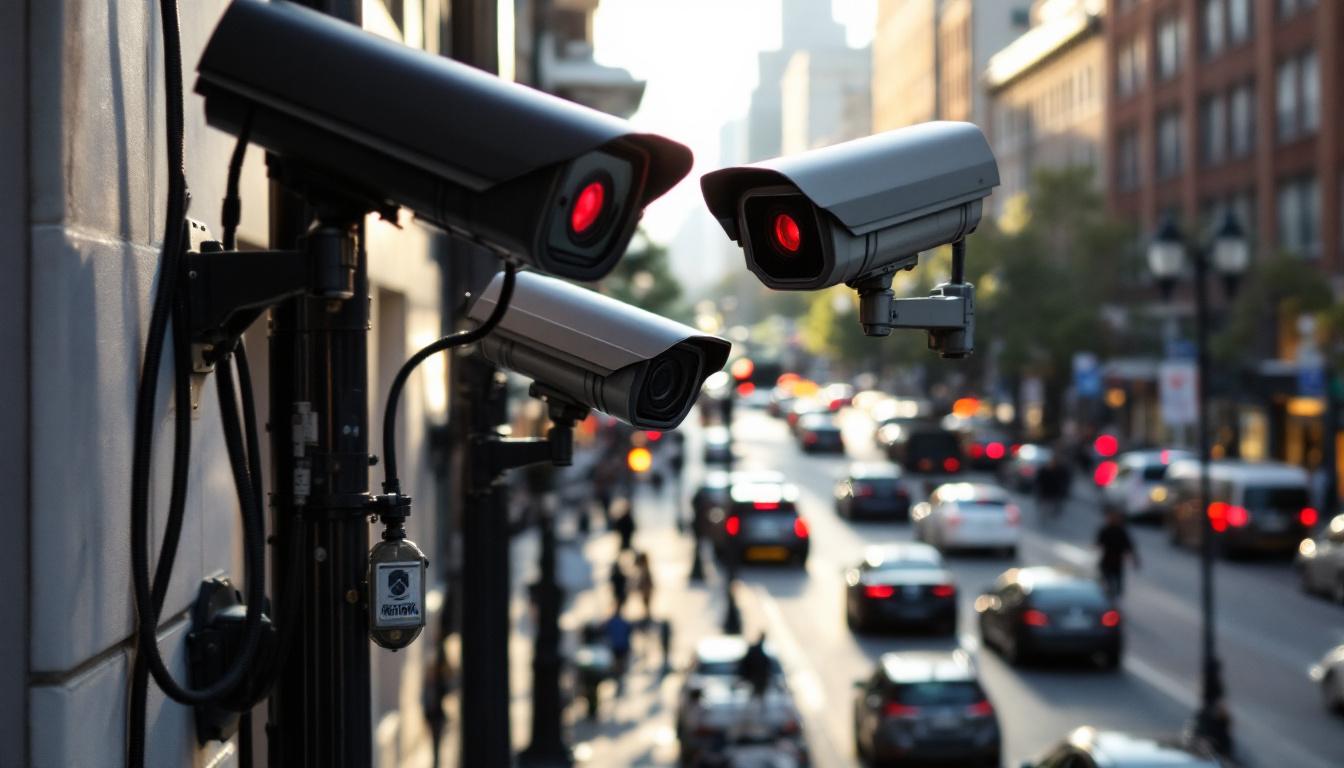
Many cities, aware of these realities, are taking measures to improve security around roadways. Here are some actions taken:
- Installation of security cameras in sensitive areas
- Increased police presence in targeted neighborhoods
- Creation of applications to report suspicious behavior
- Investments in interconnected car solutions for better tracking of events
This fight against automotive insecurity must be coupled with efforts to green the urban environment. While Volkswagen, Ford, and other leading brands seek eco-friendly solutions, cities must think about how to modernize their infrastructure while ensuring citizen tranquility. What initiatives will bear fruit in the coming years?
Solutions for a responsible automotive future
From an environmental standpoint, the proposal to ban access to polluting vehicles in certain urban areas is starting to take hold. Some initiatives have already been implemented, and this could have a positive impact on the entire landscape of urban transportation. For example, Lyon and Nantes stand out with the establishment of low-emission zones.
| City | Low-emission zone established | Impact on air quality |
|---|---|---|
| Lyon | Yes | Significant improvement |
| Nantes | Yes | Reduction of pollutant levels |
| Marseille | Not yet | Urgent need for intervention |
User behavior in the face of the threat
Motorist behavior must evolve. Owners of Toyota or Citroën vehicles must particularly remain vigilant. It is essential to adopt practices to limit risks. A few simple tips can greatly reduce the risk of being stolen.
- Do not park in isolated areas
- Use additional security devices (anti-theft systems)
- Avoid leaving visible items inside the vehicle
- Stay informed about the safest and most dangerous neighborhoods
Statistics show that rigorous behaviors can make a difference. Those who use surveillance systems, such as the advanced detection technologies present in Tesla, benefit from peace of mind. Isn’t it clear that information is powerful, and that implementing preventive practices is always better than alternatives?

Education of users and community implications
In this struggle, the role of local authorities and organizations is crucial. They must encourage education among motorists. It’s about raising awareness of vehicle security while stimulating community initiatives. Awareness campaigns, like those conducted by association groups, play a fundamental role. How can we strengthen the idea that every motorist has a voice in safety?
Sharing spaces, online forums, or local meetings have the capacity to develop a sense of belonging and responsibility. Exchanges among citizens, particularly regarding common brands like Audi or Renault, are essential for sharing tips and experiences that could prove decisive.
Towards a collective solution: shared responsibility and innovation
The prevention of crime related to stripped cars must become a collective issue. The integration of new technologies, such as geolocation systems or networks for sharing information among citizens, offers new perspectives. Technological innovations must therefore serve security. Furthermore, digital platforms can promote collaboration among residents to monitor and report suspicious activities.
Neighborhoods will likely need a reevaluation of their security, and institutions must also acknowledge the new challenges posed by this delinquency. Between the evolution of laws, the establishment of shared ownership, and awareness of environmental issues, cities must reinvent themselves.

The cities of tomorrow, such as Nice or Bordeaux, will have to combine these dimensions to offer a better quality of life to their inhabitants. This also involves paying more attention to parking policies in order to adopt appropriate solutions. "Connected" cars that alert to a potential theft already represent hope for the future. What can we expect from the next decade?
It is up to every citizen to participate, act responsibly, and question their role in driving this urban transformation.
Si vous souhaitez lire d'autres articles tels que The exposed cars: focus on the most exposed French cities, consultez la catégorie News.
-
Liora Valmont says:
C'est vraiment inquiétant de voir ces vols de pièces. Quelles solutions durables pour nos voitures?
-
C’est inquiétant de voir que même les petites villes ne sont pas épargnées par ce fléau.
-
C'est vraiment inquiétant de voir que les voitures sont de plus en plus volées dans nos villes.
-
C'est vraiment inquiétant de voir ces voitures dénudées dans nos villes. Il faut agir rapidement.
Leave a Reply to Clarisse Lavel Cancel reply
Articles relatifs