The European leader in batteries for electric vehicles is set to close its doors



The saga surrounding the bankruptcy of Northvolt, a major player in the electric vehicle battery sector, calls into question the future of the automotive industry in Europe. While some giants, like BYD, continue to thrive, Northvolt is facing an imminent shutdown of its production in Sweden. This blow, which is expected to result in the loss of nearly 900 jobs in an already economically fragile region, heightens concerns about Europe's ability to maintain its competitiveness against Asian manufacturers like LG Chem and Saft. The case of Northvolt raises questions about the future of the entire electric battery ecosystem on the continent.
The trajectory of Northvolt: ambition and decline
Founded in 2015, Northvolt aimed to become a leader in the production of batteries for electric vehicles in Europe. With significant partnerships, notably with Volkswagen and BMW, the company began with excessive ambitions. Unfortunately, structural and strategic elements led to its sudden downfall.
An expanding portfolio of contracts
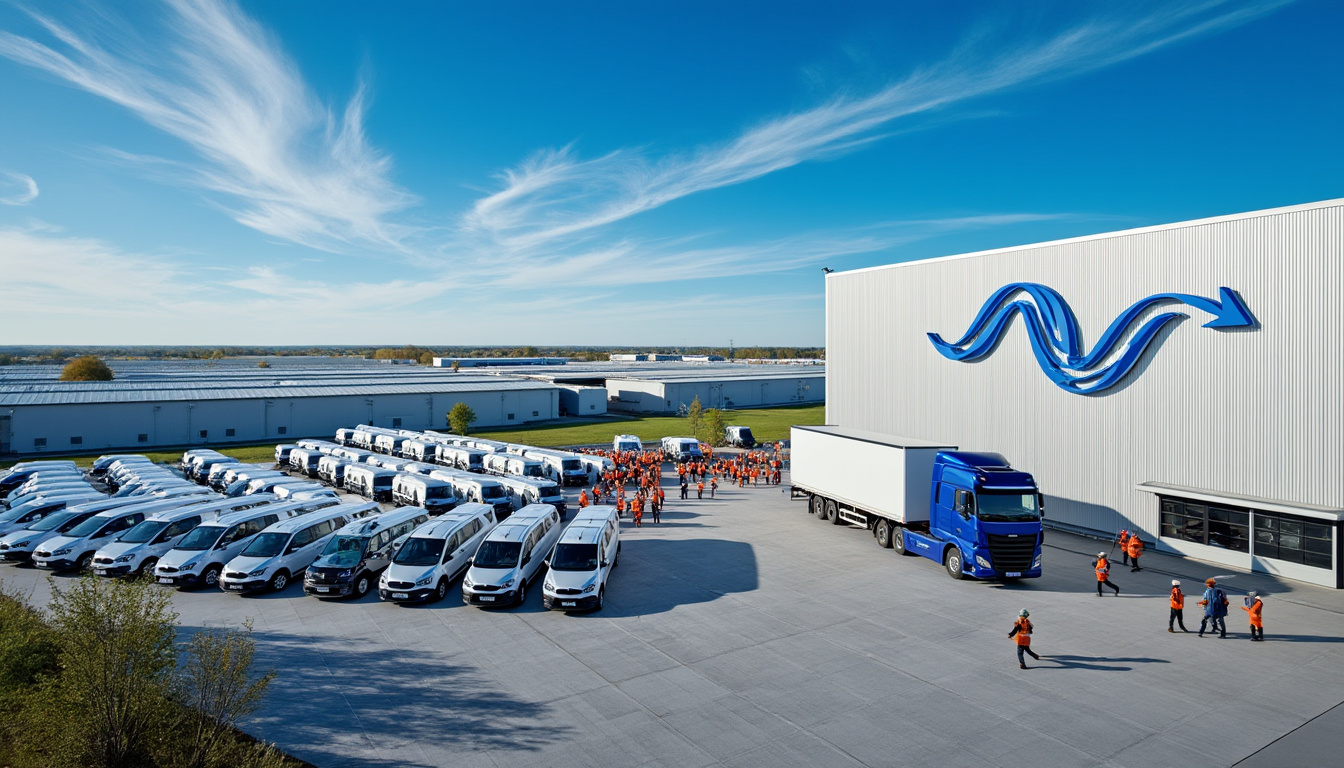
At first, Northvolt seemed well-prepared for its future. The company signed several major contracts that promised to secure its growth. Indeed, an agreement with Volkswagen included no less than five production lines. However, this strategy quickly revealed its flaws. The current problems are primarily due to an overcommitment of contracts, far exceeding the company's production capacity. At the time of its expansion, Northvolt had only two pilot lines, thus hindering its ability to fulfill orders.
As a result, some partners, like BMW, decided to withdraw from a collaboration deemed non-viable. After a substantial investment exceeding 2.5 billion euros, the brand stated it no longer needed the services of Northvolt, which, in turn, remained underutilized in relation to demand.
Procedural and technical difficulties
Aside from its business strategy, Northvolt faced technical challenges. The machines used for production proved difficult to adjust. This situation was exacerbated by communication issues with the Chinese supplier Wuxi Lead, whose technicians did not master English, making complex adjustments almost impossible to manage.
With skyrocketing battery cell costs, Northvolt's profitability is severely impacted. This has led to partnerships that have become too costly, making production financially unviable. Scania, another partner, recently announced its departure due to the same financial concerns. Thus, Northvolt found itself isolated, worsening its already precarious state.
| Partner | Partnership Status | Investment (€) |
|---|---|---|
| Volkswagen | Active, but reduced | Not disclosed |
| BMW | Withdrawal | 2.5 billion |
| Scania | Withdrawal | Not disclosed |
The impact on the local economy and unemployment
The human dimension of this situation is poignant. The planned closure of the Northvolt factory in Skellefteå will generate significant social costs. The remaining 900 employees will be laid off, a dramatic situation for this region in northern Sweden that is already struggling with unemployment and economic precariousness.
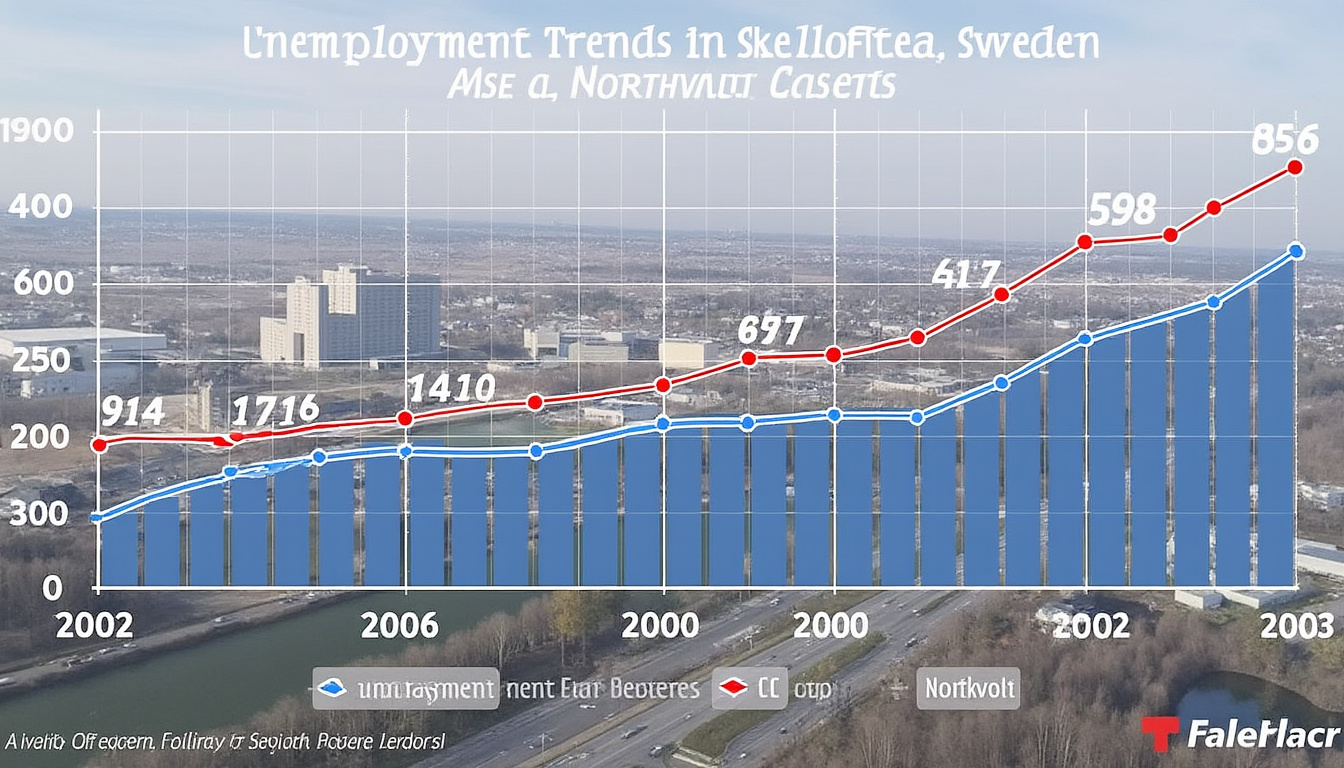
In March 2025, Northvolt was officially declared bankrupt after laying off 2,800 employees out of a total of 4,500. Such setbacks exacerbate the already difficult situation in peripheral towns, where economic dependence on the company was strong.
The economic consequences
These potential unemployed individuals join the many people affected by the evolution of the automotive industry, generally seen as a driver for the economy. The contraction of this sector could lead to a chain reaction, not only within the electric battery sector but also for the suppliers and logistics that depend on it. Peugeot, Renault, and Nissan will need to adapt their production strategies, at the risk of facing already weakened supply chains.
- Increase in unemployment in the region
- Impact on the morale of remaining workers
- Consequences on the local economic fabric
- Risk of an increasingly weakened industrial network
An immediate response required
Entrepreneurs and local leaders are desperately seeking solutions to mitigate the disaster. The creation of reintegration or professional retraining programs is a priority to support laid-off workers. Furthermore, the government will need to consider introducing aid measures for other companies in the sector, especially those developing new battery technologies.
As uncertainties continue to affect the battery market in Europe, it is imperative that players like Mercedes-Benz and Tesla, who have bet on their own production, are aware of the risks. The interdependence of the market could produce unexpected effects, especially if other European players suffer similar delays.
The repercussions on the battery industry in Europe
The bankruptcy of Northvolt reflects the structural challenges faced by Europe in the electric vehicle battery sector. While initiatives are being put in place to reduce dependence on Asian suppliers, the closure of this leader contradicts the initial optimism. The European battery landscape seems cloudier every day.

Competitive challenges
Other companies, notably LG Chem and Saft, are taking advantage of this situation to consolidate their position in the European market. Their investments in more efficient technologies allow them to stand out, while players like Stellantis continue to advance on battery factory projects.
- Reinforcement of Asian leaders in the European market
- Decrease in investor confidence
- Delay in establishing a sustainable ecosystem
- Uncertainty regarding the EU's environmental goals
Possible solutions proposed by Europe
In the face of these challenges, the European Union must redouble its efforts to encourage the creation of new initiatives. Aid funds should be made available for research and development of battery technologies. Furthermore, considering battery recycling to improve sustainability, with projects like those from GT Automotive, can offer a glimmer of hope.
| Status of the battery industry | Impact on competitiveness | Future projections |
|---|---|---|
| Growing concentration of Asian suppliers | Risk of dependence | Long-term uncertainty |
| Difficulties of Northvolt | Weakened confidence | Possibilities of government support |
| Recycling projects | Strengthening environmental challenge | Reduction of waste production |
Uncertain future: towards a new era of electric batteries?
Alongside the distress of Northvolt, other actors are fighting to prioritize their development in a more sustainable manner. The future of electric batteries remains an intensely monitored debate, both for its environmental implications and its economic repercussions.
Upcoming innovations
Industry giants like Ford and emerging companies continue to advance in research and development, exploring new technologies, including solid-state batteries. This innovative model, considered revolutionary, could give the necessary boost to the electric battery sector.
The transition to batteries based on cheaper and more sustainable materials, such as lithium iron phosphate, could also significantly influence the market. These technological advances should enable the automotive industry to overcome current challenges.
Importance of solidarity among industry actors
The main challenge at present is the need for solid collaboration among European players. Sharing resources and knowledge is crucial for building a robust sector capable of competing with Asian giants. The viability of the battery industry will depend on collective regeneration and a unified strategic response.
- Consolidation of efforts at the European level
- Continuous investment in R&D
- Formation of alliances with small and medium enterprises
- Development of innovative recycling solutions
The case of Northvolt is not just that of a bankrupt company. It represents a major strategic turning point for the future of the battery industry in Europe, forcing Europe to reconsider its priorities regarding innovation and sustainability in the electric vehicle sector. In a context where climate urgency is intensifying, the stakeholders involved will need to act quickly and effectively to overcome these challenges and establish an industrial model capable of meeting the growing demand for electric vehicles. The coming years will be decisive in determining whether Europe will succeed in forging a prominent place in this electrifying new era.
Si vous souhaitez lire d'autres articles tels que The European leader in batteries for electric vehicles is set to close its doors, consultez la catégorie Non classé.
-
Célestine Montagné says:
La fermeture de Northvolt est vraiment un coup dur pour l'industrie automobile en Europe.
-
La faillite de Northvolt est vraiment préoccupante pour l'avenir des batteries en Europe.
Leave a Reply to Liora Tremblay Cancel reply
Articles relatifs