The European automotive industry is struggling to recover



The European automotive industry is going through a tumultuous period, facing unprecedented challenges. Manufacturers, often known for their resilience, are adjusting their strategies in the face of a constantly changing reality. The global car market is no longer what it once was, and this transformation is exacerbated by internal and external factors. Like a river changing its course, the industry must navigate agilely through tumultuous waters.
The structural challenges of the European automotive industry
At the heart of the current turmoil are structural challenges weighing heavily on the shoulders of key players such as Renault, Peugeot, and Volkswagen. The rise of electric cars has disrupted traditional production lines. Old manufacturing methods, once the pillars of productivity, now seem obsolete. With the emergence of new competitors, like Tesla, European manufacturers are forced to rethink their approach.
On the other hand, trade tensions with countries like the United States further complicate the picture. The customs offensive led by Washington is not a boost, but rather an additional burden on companies already grappling with shrinking margins. The impact is immediate: net profits are plummeting, as shown in the latest report from Mercedes-Benz, which recorded an alarming decline of 43% in its financial results.
- The causes of structural challenges:
- Transition to electric vehicles
- International trade tensions
- Internal economic pressures
- Insufficient technological innovation
- Transition to electric vehicles
- International trade tensions
- Internal economic pressures
- Insufficient technological innovation
These challenges pose a crucial question: how can companies adapt in a rapidly evolving ecosystem? A potential answer lies in organizational agility and innovation. The ability to anticipate and respond to new trends could very well be the key to survival.

The consequences of the crisis on financial performance
The current crisis is not just a matter of short-term losses. It affects the entire sector. The figures for the first quarter of 2025 testify to this. Volkswagen posted a slight increase in sales, but this was accompanied by a concerning drop in net profit of 40.6% to just 2.2 billion euros. Such dynamics highlight an unexpected vulnerability.
The stakes are therefore multiple: companies must not only juggle profit requirements but also meet the growing expectations of consumers for sustainability and ecology. The shift to greener production has become imperative. But how can a traditional manufacturer like BMW or Audi cope with this dual pressure?
To navigate these constraints, several strategies can be considered:
- Invest in research and development of green technologies.
- Optimize supply chains to reduce costs.
- Collaborate with innovative startups in the automotive sector.
- Accelerate the transition to electric vehicle production.
Winning back the market will require bold decisions. But is taking risks always synonymous with success?

The role of public policies in revitalizing the sector
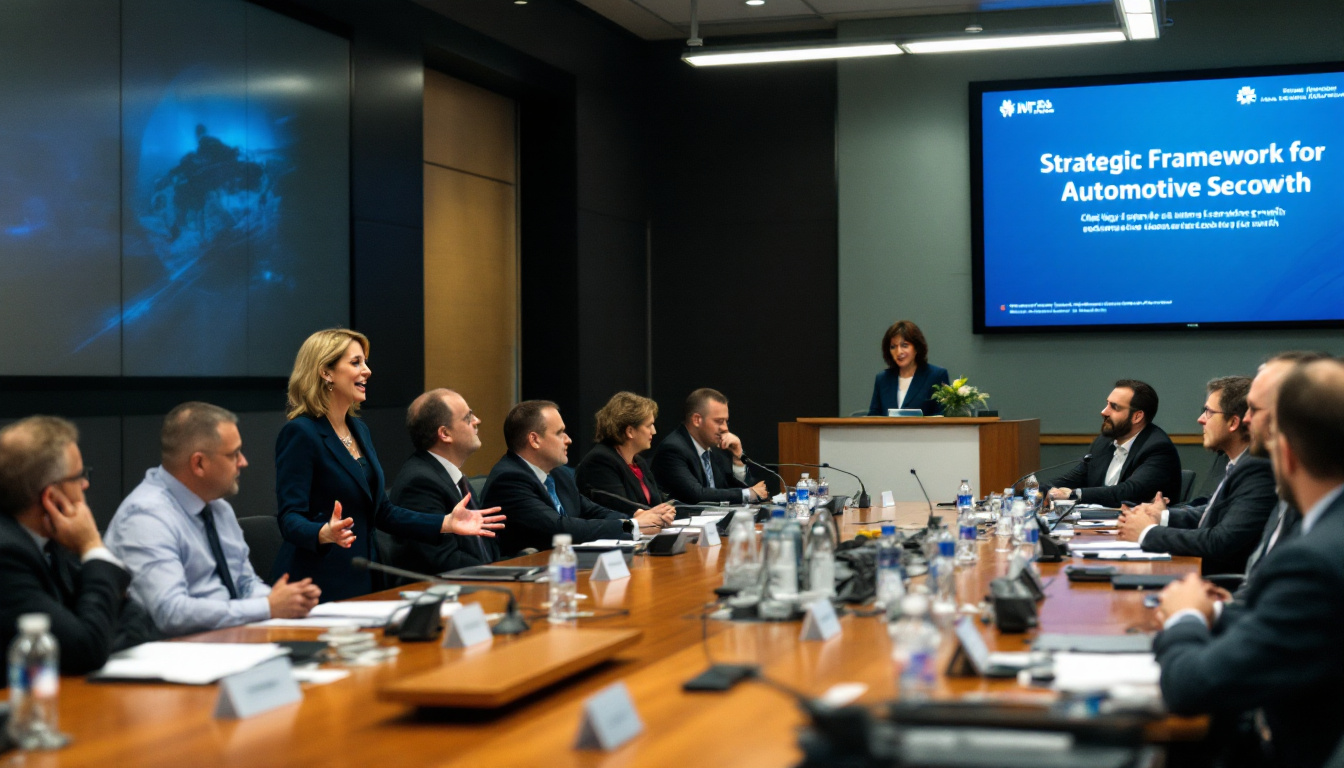
In this context, the role of public policies is essential. Governments have a unique opportunity to act to support a struggling sector. The establishment of financial incentives for companies, the development of regulations favoring electric vehicles, and investment in infrastructure to support this transition are all possible levers.
A striking example is the electrification strategy launched by the European Union. By announcing the eventual ban on internal combustion vehicles, Brussels places considerable pressure on manufacturers. Players like Volvo, Opel, and Fiat must reposition themselves quickly to avoid being left behind. But these policies must go beyond mere restrictions; they must encourage innovation.
| Manufacturer | Electrification strategy | Planned investments |
|---|---|---|
| Renault | Develop 100% electric models | 30 billion euros by 2030 |
| Volkswagen | Increase the production of electric vehicles | 70 billion euros by 2029 |
| Mercedes-Benz | Shift to 25% electric vehicles by 2025 | 50 billion euros in electrification |
| BMW | Accelerate the launch of electric models | 40 billion euros by 2025 |
Cooperation between private actors and public institutions can thus prove decisive. Ultimately, being proactive rather than reactive could make the difference between survival and failure.
Environmental trends and their impact on consumer choices
Today's consumers are more informed and aware of environmental issues. They no longer settle for a simple vehicle; they want a vehicle that respects the planet. New generations are turning to brands that display strong ecological values. This pushes manufacturers to reevaluate their ranges.
Brands like Tesla are experiencing high demand. In contrast, the reputation of some traditional groups is being questioned due to their lag in the energy transition. Consumers are making informed choices, which can have tremendous repercussions on sales.
- Consumer expectations:
- Transparency regarding manufacturing practices
- Commitment to environmental issues
- Sustainable technologies
- Reliability and co-activity
- Transparency regarding manufacturing practices
- Commitment to environmental issues
- Sustainable technologies
- Reliability and co-activity
In the face of this reality, players such as Citroën, Audi, and Peugeot must take action. Taking concrete initiatives to increase the production of sustainable vehicles seems to be the only way forward. Who will dare to take the lead?

Innovations and new technologies: levers of recovery
Technological innovations are often seen as the core of potential recovery for industries. In the automotive sector, this includes the development of new power systems, more efficient batteries, and even artificial intelligence applied to vehicles. Brands like BMW and Audi are heavily investing in research on semiconductor batteries, which are expected to revolutionize the market.
Technologies are not limited solely to propulsion. The integration of connectivity and driver assistance systems is becoming paramount. Imagine a vehicle capable of communicating with itself: real-time updates for performance, driving adjustments based on user behavior, and much more. Such an approach could transform the driving experience.
| Technology | Description | Involved actors |
|---|---|---|
| Semiconductor batteries | More efficient and durable | BMW, Audi, Volkswagen |
| 5G connectivity | Enables communication between vehicles and infrastructures | Mercedes-Benz, Renault |
| Artificial Intelligence | Improves driver assistance | Tesla, Volvo |
| Autonomous vehicles | Revolution in mobility | Ford, Toyota |
But innovation must not be limited to technology: it must also extend to manufacturing processes and corporate culture. Because that is where the real strength lies. The question remains whether historical players will adapt and revolutionize their approach.
An uncertain but opportunity-filled future
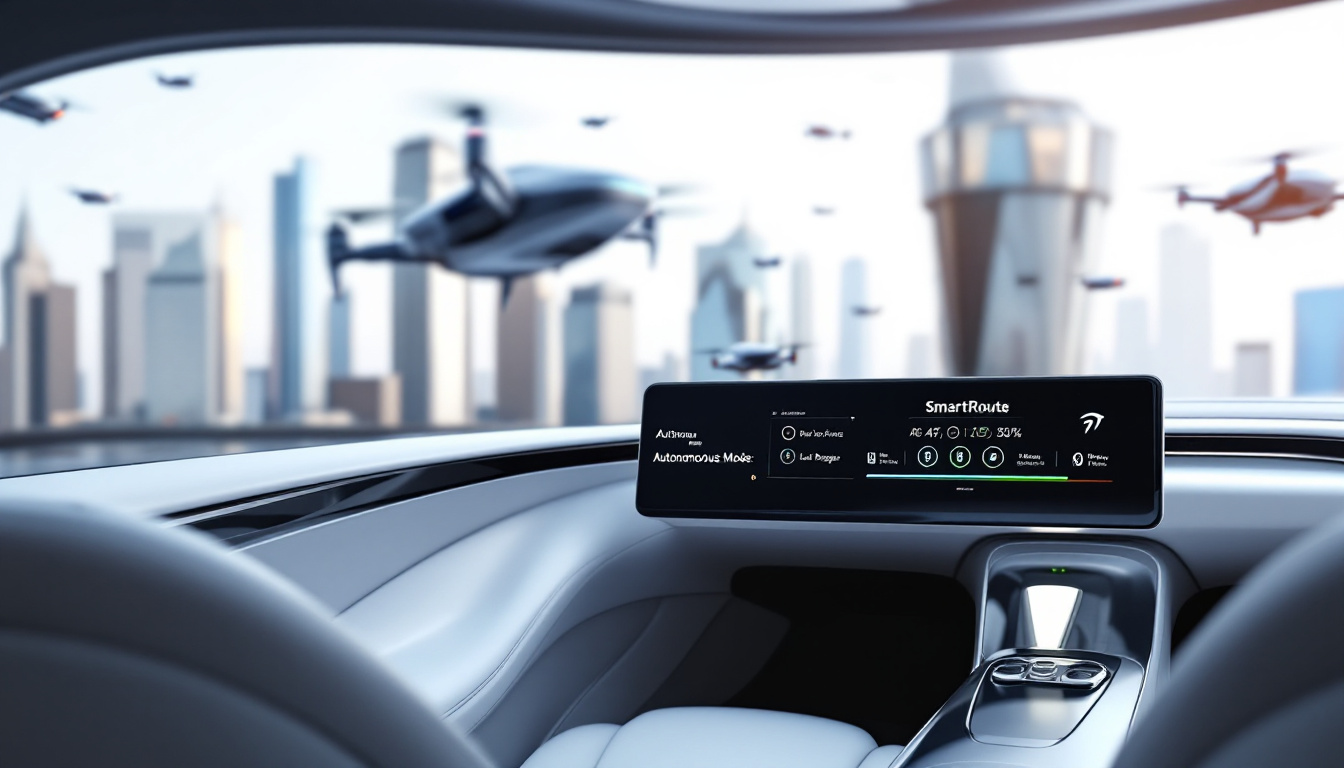
The prospects for the future remain uncertain, but the horizon is cluttered with opportunities. Traditional actors such as Mercedes-Benz and Volvo can still seize their chance if they become aware of changes in mindset. Adapting their offering to the needs of eco-conscious consumers could provide a new momentum.
As the world transforms, it becomes crucial to navigate with discernment. Companies that reinvent themselves and innovate vigorously would be those that not only survive but thrive. A transformation is underway, calling for new visions and new strategies.
- Opportunities to seize:
- Develop partnerships with innovative startups
- Invest in sustainable mobility solutions
- Explore new business models
- Enhance research on recycling and reuse of materials
- Develop partnerships with innovative startups
- Invest in sustainable mobility solutions
- Explore new business models
- Enhance research on recycling and reuse of materials
The next few years will be decisive for the European automotive industry. The choices made today will determine its future. The question remains: who among Renault, Peugeot, Audi, or Mercedes-Benz will be able to adapt and turn these challenges into assets?
Si vous souhaitez lire d'autres articles tels que The European automotive industry is struggling to recover, consultez la catégorie News.
-
Milo Thibault says:
L'industrie automobile européenne doit vraiment s'adapter pour rester compétitive face aux nouvelles attentes des consommateurs.
-
L'industrie automobile européenne doit s'adapter rapidement pour survivre aux nouveaux défis écologiques.
-
L'industrie automobile doit vraiment s'adapter pour survivre et répondre aux attentes des consommateurs écologiques.
-
C'est fou comme l'industrie automobile doit évoluer vite pour rester pertinente aujourd'hui!
-
Il est urgent que l'industrie automobile évolue pour répondre aux attentes écologiques actuelles.
Leave a Reply
Articles relatifs