The end of free registration for electric vehicles: a real cost starting from May 1st

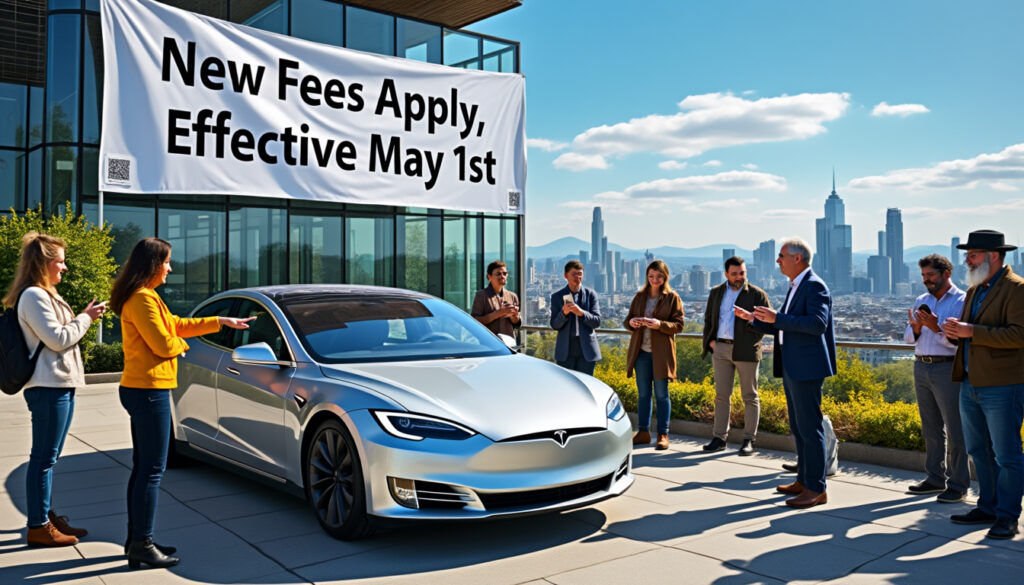

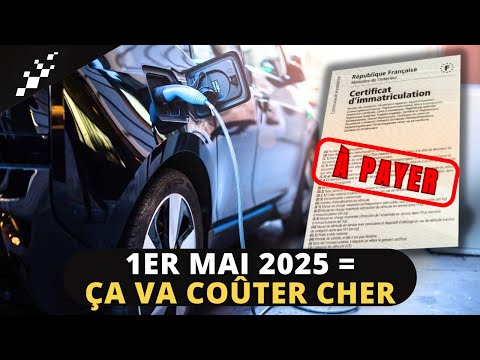
The upcoming end of free registration plates for electric vehicles is creating shockwaves in the French automotive landscape. Since 2020, drivers of 100% electric cars have benefited from significant tax advantages, giving buyers a privileged position in the market. Now, starting May 1, 2025, registration plates will no longer be a simple free administrative detail but an important financial issue to consider. This change comes at a time when subsidies for purchasing electric vehicles are tightening, and the question of the accessibility of electric cars is more pressing than ever.
The end of tax exemptions: a turning point for ecological vehicles
Since the introduction of free registration plates for electric vehicles in 2020, many buyers have chosen to switch to electric. This has been a powerful lever to encourage the purchase of these vehicles considered more environmentally friendly. This exemption policy aimed, among other things, to achieve the country's ecological transition objectives. Indeed, facing climate challenges, the government had implemented measures to encourage the use of electric cars.
However, the 2025 finance law has changed the game. Now, each regional council has the freedom to decide whether or not to apply the exemption from the regional tax on the registration plate. This change represents a significant loss for anyone considering purchasing an electric car. Depending on the region, the amounts can vary considerably, leading to registration fees ranging from €0 to several hundred euros.
Significant regional disparities
The cost of a registration plate depends mainly on two factors: the fiscal power of the vehicle and the price of the fiscal horsepower, which varies greatly by region. For example, a Renault 5 E-Tech, which has 5 fiscal horsepower, can cost around €275 in Île-de-France, while a larger model like the Tesla Model Y, with 8 fiscal horsepower, can reach nearly €500 in the Provence-Alpes-Côte d’Azur region.
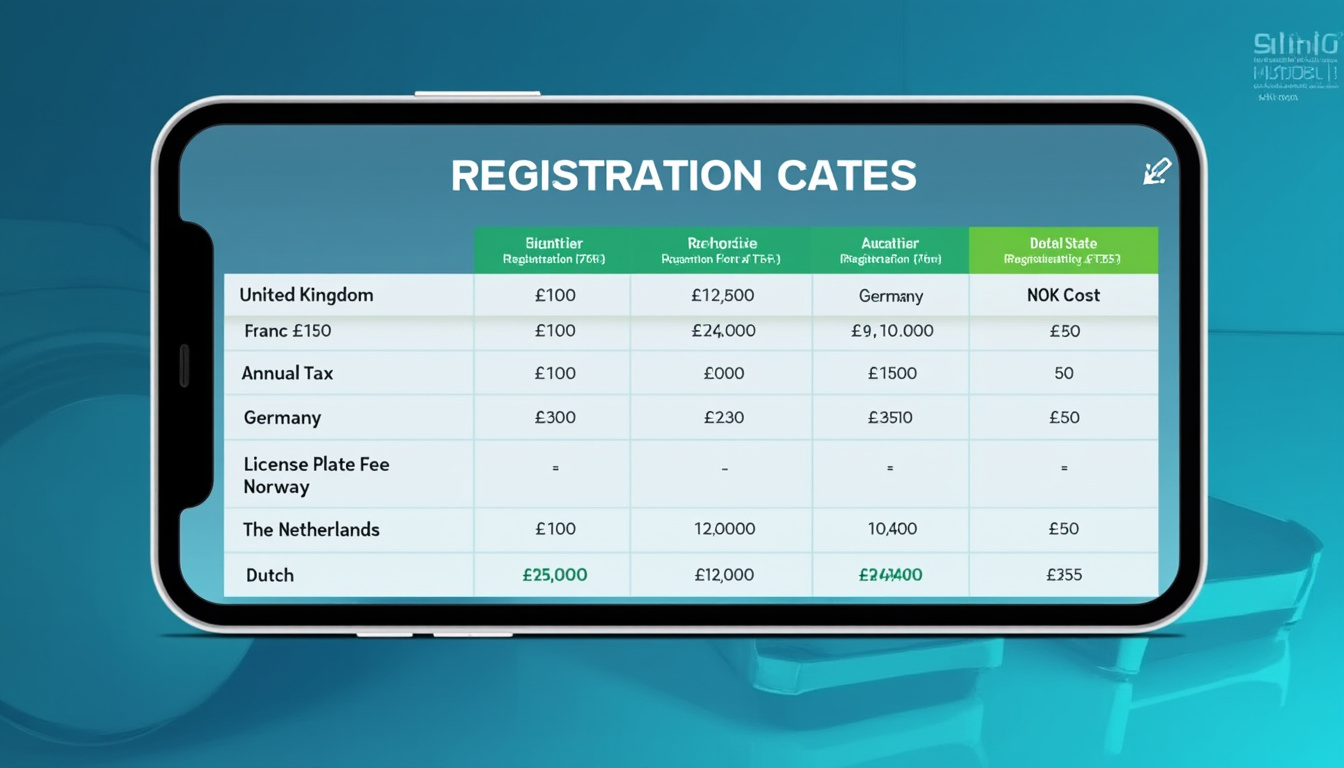
Here is a summary table that illustrates these differences:
| Electric car model | Fiscal power | Region | Price of fiscal horsepower (€) | Cost of the registration plate (€) |
|---|---|---|---|---|
| Renault 5 E-Tech | 5 HP | Île-de-France | 55.00 | 275 € |
| Tesla Model Y | 8 HP | PACA | 51.20 | 409.60 € |
| Peugeot e-208 | 4 HP | Nouvelle-Aquitaine | 45.00 | 180 € |
| Dacia Spring | 3 HP | Hauts-de-France | Free | 0 € |
| MG4 | 6 HP | Auvergne-Rhône-Alpes | 43.00 | 258 € |
It is essential to note that this table does not take into account ancillary fees such as management or shipping costs, which can add between €30 and €50 to the final bill. These variations may discourage potential buyers, particularly those from modest backgrounds.
Additional charges at a delicate moment
The disappearance of the free registration plate for electric vehicles comes at a time when other purchase aids, such as the ecological bonus, have been reduced and the conversion premium has become more restrictive. This series of measures directly impacts the purchasing power of households wishing to take the step towards a more environmentally friendly, yet more costly, mode of transport. Owners of electric cars, such as a Citroën or a Nissan, are thus feeling increased pressure on their budget.
Without these exemptions, consumers find it difficult to justify a high investment in cars that are often already more expensive than a thermal model. Thus, a potential buyer might turn back to a used combustion engine vehicle, attracted by more affordable prices despite their less favorable environmental impact.
Fossil fuels, although declining, remain an option that many still consider more economically practical in the short term.
Consumers facing new uncertainties
On the other hand, potential buyers are often poorly informed about these changes. When making a purchase decision, the cost of the registration plate can come as an unpleasant surprise, leading to a deferment or even cancellation of the purchase. Projections regarding the impact of this measure on the registration rate of electric cars raise concerns among industry professionals.
- Less renewal of electric vehicle fleets: If fewer people choose to buy electric cars, it could slow the energy transition.
- Impact on the image of the electric vehicle: The absence of financial incentives may influence the overall perception of electric cars as being more expensive.
- Uncertainty for the market: The market could experience a contraction if sales drop due to increased costs.
The ambiguous signal of fiscal reforms
With the removal of free registration plates, the regions, with the exception of Hauts-de-France which maintains this advantage, are positioning themselves within a logic of increased need for local taxation. However, this new measure poses a problem at a time when the state encourages ecological transition. Indeed, frustrating consumer decisions by increasing costs is not the most effective way to encourage the adoption of electric vehicles.
Viewers are asking: Is this law aligned with the desire to accelerate the ecological transition of transport? This divergence between tax policies and environmental objectives raises doubts about the consistency of the establishment of incentive policies.
A reflection on budgetary balance
The regional councils, by granting a registration plate fee, hope to recover tax revenues. However, this strategy can prove counterproductive. Indeed, an increase in fees could make electric vehicles less attractive to the middle classes, those who often struggle to balance their budgets in the face of rising living costs. When taxation becomes so complex, the long-term impact could entice more consumers to turn to gasoline vehicles, thereby reducing the number of electric cars on the roads.
- Potential negative impact on the environment: A decline in sales could have damaging consequences on the environment.
- Decrease in competitiveness: Car manufacturers may face challenges in promoting their electric models.
- Increased complexity for consumers: The growing misunderstanding of public policies could disorient potential buyers.
The necessity to adapt to new rules
For future buyers of electric vehicles, it will now be crucial to inquire in advance about the total acquisition cost, including registration fees. With the end of free registration, budget management becomes a fundamental aspect to consider. Different models, from renowned brands such as BMW, Volkswagen, or Hyundai, must be analyzed based on the potential costs that their registration will incur.
Tax changes directly impact buying behavior, and each consumer must now integrate this new component into their calculations to avoid unpleasant surprises that may arise from informed decisions. For example, buyers of Kia or Audi must now comprehend all the pricing structure associated with the registration plate before finalizing their purchase.
Here is an overview of potential registration plate fees for other models:
| Model | Fiscal power (HP) | Cost in € |
|---|---|---|
| Nissan Leaf | 5 | 275 € |
| Hyundai Kona Electric | 6 | 258 € |
| BMW i3 | 4 | 180 € |
| Volkswagen ID.3 | 5 | 275 € |
These amounts can be decisive factors in choosing a vehicle, and it becomes imperative to take these fees as well as other expenses into account before embarking on the purchase of an electric car.

As the fight for a sustainable future continues, the question of the economic viability of zero-emission options remains a concern. The choices made today will determine the direction mobility will take tomorrow. For more information on the changes in financing laws, refer to the following link: end of tax advantages for electric vehicles.
Si vous souhaitez lire d'autres articles tels que The end of free registration for electric vehicles: a real cost starting from May 1st, consultez la catégorie Non classé.
-
Lysandre Bouteille says:
La fin des plaques gratuites va vraiment compliquer l'accès aux voitures électriques pour beaucoup.
-
C'est vraiment décevant de voir ces avantages disparaître. Cela va freiner l'adoption des véhicules électriques.
-
Ce changement va vraiment compliquer les choses pour ceux qui veulent acheter une voiture électrique.
Leave a Reply
Articles relatifs