the easing of rules on electric vehicle sales in the United Kingdom could lead to a significant increase in carbon emissions


The shift towards sustainable mobility has taken an unexpected turn in the United Kingdom, as the government has decided to relax the rules regarding the sales of electric vehicles. This decision could not only influence the automotive market but also have a considerable environmental impact by increasing carbon emissions. Due to modifications made to the regulations on the mandate for zero-emission vehicles, the sale of plug-in hybrids could see a boom, leading to a worrisome scenario for ecology. Let’s take a closer look at how these changes could reshape the landscape of ecological transition.
The stakes of the ZEV mandate in the UK
The zero-emission vehicle (ZEV) mandate was initially designed to reduce carbon emissions and encourage the sale of vehicles that maximize clean driving capabilities. However, with the new changes, the government would allow manufacturers to produce and sell more plug-in hybrids, which, while electric to some extent, also operate with a combustion engine. This could have negative consequences on the country’s climate goals.
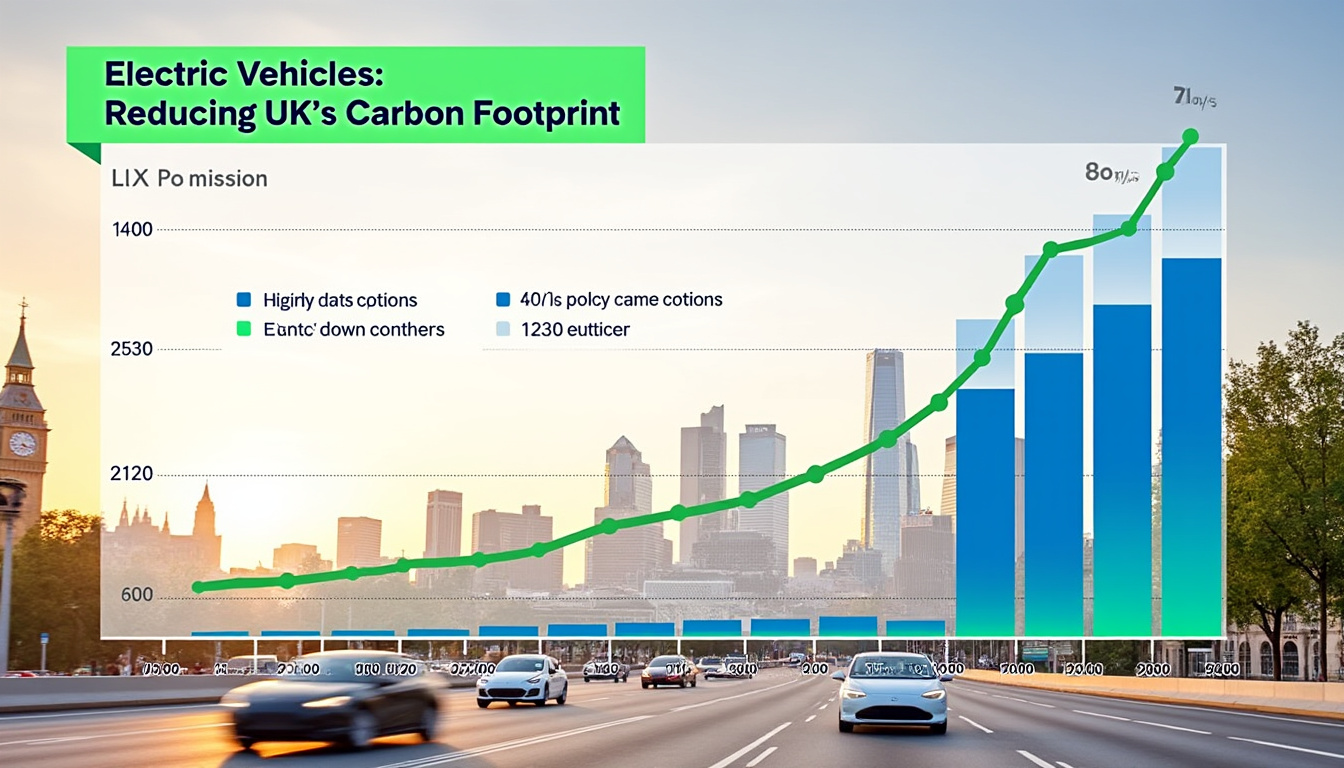
The stakes of this regulation can be better understood by closely examining the following points:
- Increased sales of PHEVs: According to studies, around 500,000 additional PHEVs could be on British roads by 2030.
- Profitability of hybrids: Plug-in hybrids are generally more profitable than fully electric vehicles, prompting manufacturers to shift focus to these models.
- Climate impact: The increased sales of PHEVs could result in more carbon emissions than government forecasts suggest.
Ecological consequences
The move towards greater flexibility in sales requirements could push the automotive industry to maximize production of PHEVs, which is concerning. Indeed, even if these vehicles are supposed to reduce carbon emissions by using their electric mode for short trips, many studies show that PHEV drivers do not always recharge their batteries. This leads to increased use of the combustion engine, thereby emitting significant amounts of CO2.
A table below illustrates the ecological impact differences between various types of vehicles:
| Vehicle Type | CO2 Emissions (g/km) | Electric Range (km) | Typical Use |
|---|---|---|---|
| Pure Electric Vehicle | 0 | 350 | 100% electric |
| Plug-in Hybrid | 32 (on average) | 50 | Mixed: electric & gasoline |
| Gasoline Vehicle | 150 | N/A | 100% gasoline |
This table clearly demonstrates that although PHEVs have a low theoretical emissions rate, their actual use could lead to disastrous results for the environment if drivers do not change their habits.
The potential of pure electric vehicles
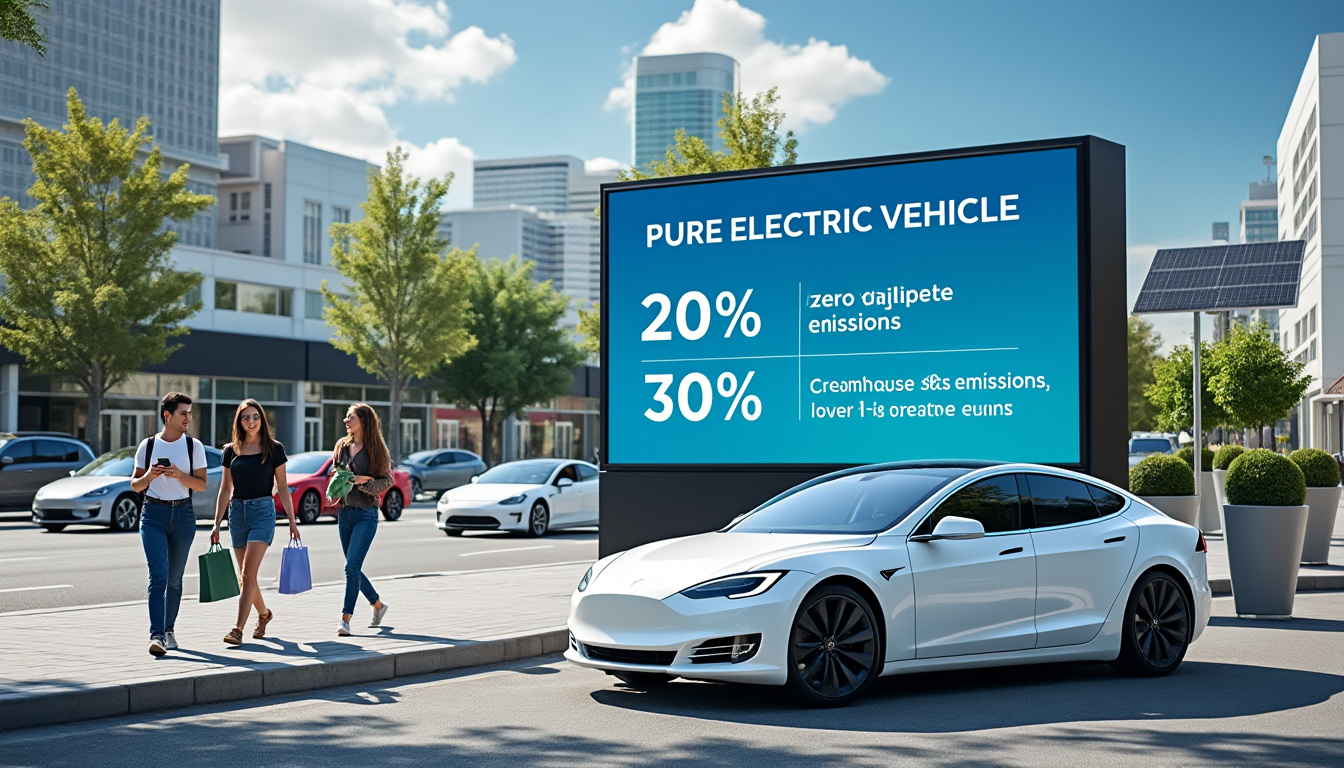
In light of the relaxation of rules for PHEVs, it is necessary to remember the potential of pure electric vehicles. These are designed to produce no carbon emissions, offering a favorable choice for those looking to reduce their environmental footprint. With stronger supportive policies and a charging infrastructure in place, their adoption could still grow.

The rise of electric vehicles can be analyzed through several dimensions:
- Charging infrastructure: In response to growing demand, many countries, including the UK, are investing in accessible charging stations.
- Battery technology: Technological advancements are making electric vehicles more attractive, with reduced charging times and increased range.
- Government support: Financial incentives, such as green bonuses, encourage buyers to switch to electric.
Challenges to overcome
However, several challenges remain:
- Purchase price: Electric vehicles are often more expensive to purchase than their gasoline or hybrid counterparts.
- Range: Even though the range is improving, some consumers may still fear long trips.
- Consumer perception: Many people are still unaware of the real advantages of electric vehicles, which hinders their adoption.
These obstacles must be overcome to break into the market and effectively contribute to the ecological transition in the UK.
Political changes and their impact
Recent political decisions highlight a desire for flexibility in the face of the economic realities of the market. Transport Secretary Heidi Alexander mentioned that these changes result from a need to support automotive manufacturers facing unprecedented challenges. However, this approach could have long-term consequences for sustainable mobility goals.
| Year | Initial Objective | New Objective | Expected Consequences |
|---|---|---|---|
| 2025 | Sales of 600,000 EVs | Sales of 400,000 EVs | Higher carbon emissions |
| 2030 | Ban on combustion engines | Relaxation for PHEVs | Delay in climate objectives |
This table allows us to visualize the shock between established agreements and the market reality. The question then arises: what will be the true ecological consequences of the clumsy government support full of missteps on the ability to achieve ambitious climate goals?

The importance of public awareness
Ultimately, beyond the economic and regulatory aspects, public awareness is crucial for a successful ecological transition in the UK. Many people are still unaware of the advantages of electric vehicles or their importance in reducing carbon emissions. Through targeted educational campaigns, the government could potentially shift public perception.
The following elements could constitute key steps to improve consumer awareness:
- Visible charging infrastructures: Promote accessible charging stations in urban and rural areas.
- Educational partnerships: Collaborate with environmental organizations for awareness events.
- Economic benefits: Better inform about the savings made in the long term with electric vehicles.
Educating the public about the real advantages of electric vehicles is crucial to responsibly guide the market and achieve ambitious environmental goals. Discussions on the mobility of the future must be integrated into public debate to build a consensus around sustainable mobility.
Si vous souhaitez lire d'autres articles tels que the easing of rules on electric vehicle sales in the United Kingdom could lead to a significant increase in carbon emissions, consultez la catégorie Non classé.
-
Elowen Vardhan says:
C'est inquiétant de voir ces mesures assouplies, cela pourrait vraiment nuire à l'environnement.
-
La relaxation des règles pourrait vraiment nuire à nos objectifs de réduction des émissions.
Leave a Reply
Articles relatifs