The connected car: entering a new era of mobility

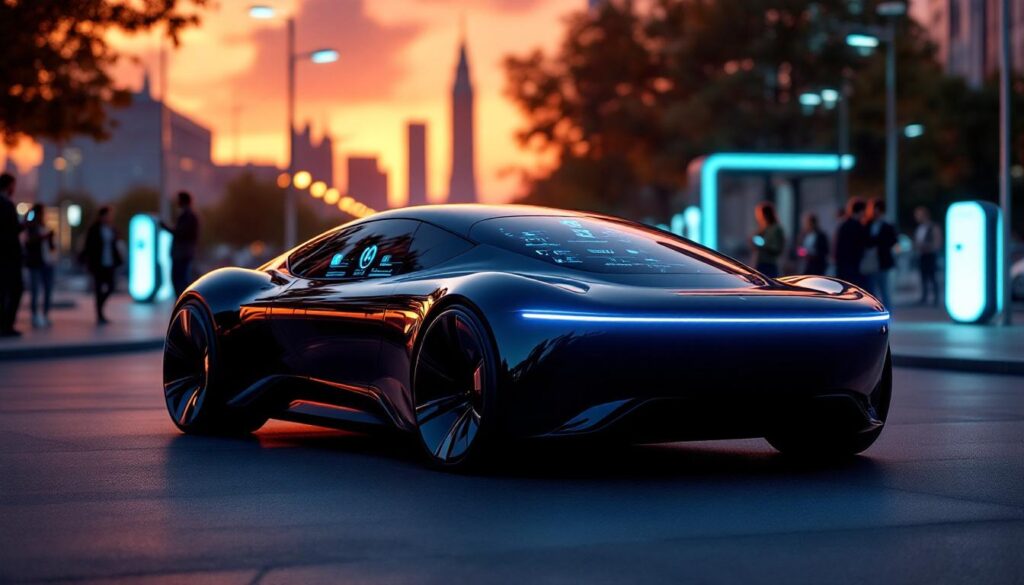

In the digital age, the connected car represents much more than just a mode of transport. It embodies a major evolution that significantly transforms our daily travel and even our way of interacting with the environment. Between technological advances, revolutions in driving, and new opportunities, let’s dive into the heart of this phenomenon that redefines mobility.
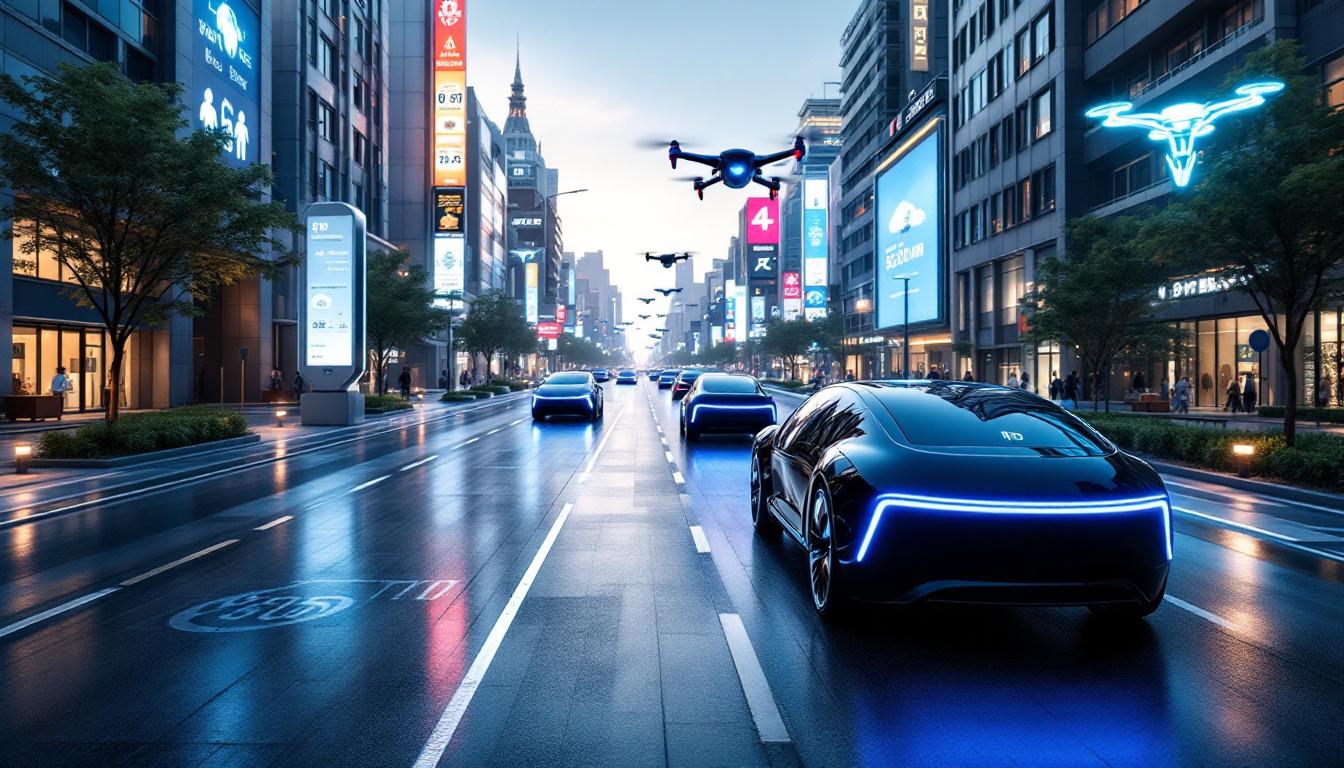
Technological innovations serving the connected car
The connected car is primarily the result of a deep integration of advanced technologies, notably artificial intelligence (AI), connectivity, and smart sensors. These technologies interact to provide drivers with an enhanced driving experience.
The key equipment that changes the game includes:
- Sensors and cameras: Analyze the environment in real-time to avoid collisions.
- Artificial Intelligence: Adjust the vehicle to the driver’s preferences.
- Onboard information systems: Provide live navigation and safety information.
By 2025, these innovations are ubiquitous in models from brands like Renault, Peugeot, Citroën, and Volkswagen, which compete to integrate these cutting-edge features. For example, the Mercedes-Benz brand recently launched a model that uses advanced AI algorithms to predict the driver’s behavior and adapt the car's response. This results in smoother and more personalized driving.
Furthermore, the old model of enduring the whims of driving is now replaced by a proactive approach where the car anticipates dangers. These technological advances allow for not only a more enjoyable driving experience but also a significant reduction in the risk of accidents.

Driver assistance systems (ADAS)
The driver assistance systems, or ADAS, represent one of the most significant innovations in the field of connected vehicles. These systems include:
- Adaptive cruise control: Automatically adjusts the vehicle's speed according to surrounding traffic.
- Lane keeping assistance: Helps the driver stay in their lane without manual intervention.
- Autonomous emergency braking: Automatically intervenes to avoid collisions.
These systems, integrated into vehicles from brands like Ford, BMW, and Audi, profoundly alter our relationship with driving. Imagine, for instance, driving on a highway knowing that your vehicle will automatically adjust to the speed of others. This technology not only makes driving easier but also reduces the stress associated with traffic.
The scope of these innovations is not limited to safety; they also open up unprecedented horizons in time management. By providing a more intuitive experience, connected cars help drivers reach their destinations more calmly while maintaining a balance with the environment and optimizing consumption and emissions.
| Brand | Model | Integrated ADAS System |
|---|---|---|
| Renault | Kadjar | Adaptive cruise control |
| Peugeot | 3008 | Autonomous emergency braking |
| BMW | iX | Lane keeping assistance |
| Ford | Kuga | Adaptive cruise control |
| Audi | Q8 | Lane keeping assistance |
Through these innovations, a question arises: how might the way we conceive of the car evolve in the coming years as these technologies continue to improve? What if the car of tomorrow became a true teammate on the road?
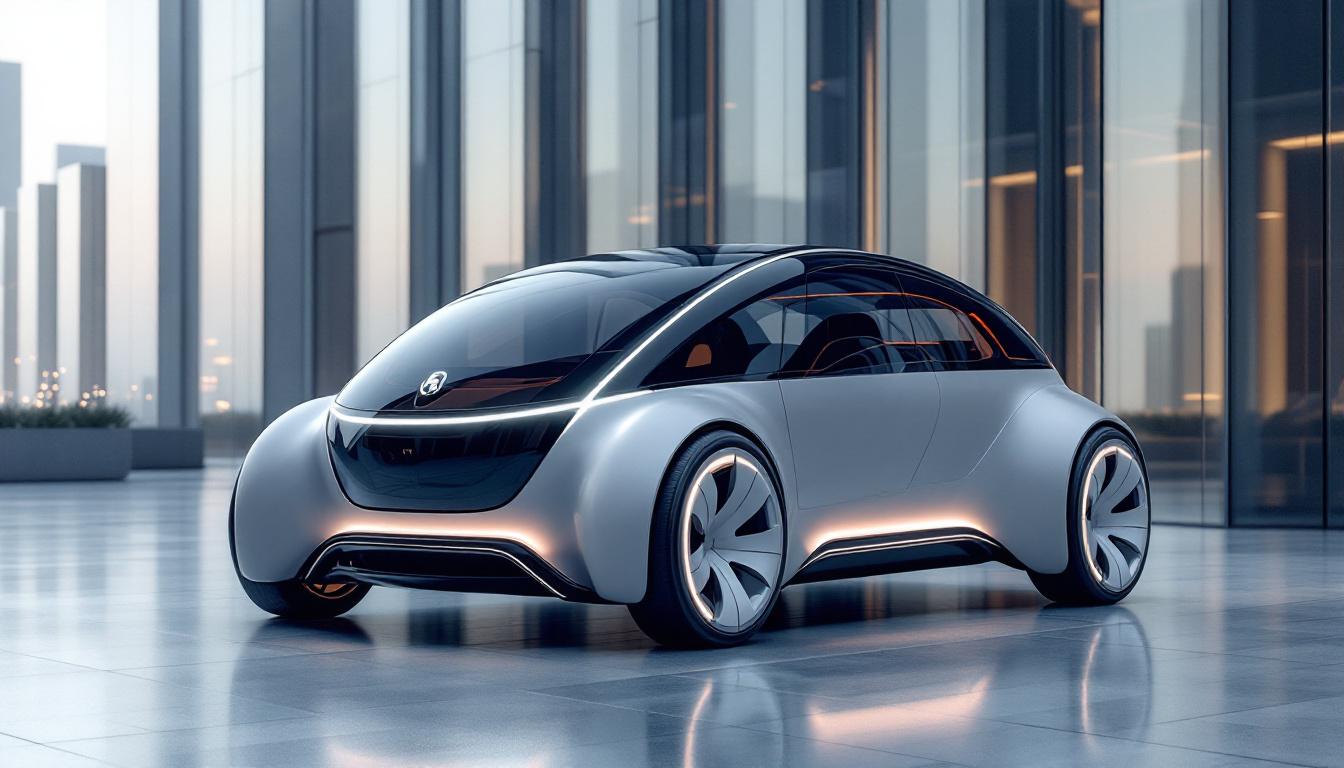
A new era of connectivity
In terms of connectivity, modern cars are part of an intelligent network, capable of communicating with other vehicles as well as with road infrastructures. This connectivity is the foundation of safer and more efficient mobility.
The main advantages of this connectivity include:
- V2V Communication: Vehicles exchange information about traffic conditions and potential threats.
- V2I Communication: Cars communicate with infrastructures like traffic lights or boards displaying road information.
- Dynamic navigation: Real-time traffic updates allow for recalculating routes to avoid congestion.
Brands like Toyota, Nissan, and Mercedes-Benz are heavily investing in this technology to improve road safety. For example, the system developed by Nissan reduces reaction time in the face of unexpected obstacles by predicting an open lane. This not only protects passengers but also helps to smooth out traffic by optimizing traffic flow.
Many countries are starting to integrate this connectivity into their infrastructure. In France, the implementation of intelligent roads connected to vehicles is already underway. The goal? Reduce accidents and improve the driving experience.
| Type of Communication | Explanation | Example Brand |
|---|---|---|
| V2V | Exchange of information between vehicles | Nissan |
| V2I | Communication with road infrastructure | Mercedes-Benz |
| Cloud | Access to data and online services | Toyota |
As connectivity progresses, new challenges emerge. Data security, cybersecurity, and interoperability become major concerns for manufacturers and users alike. How to ensure the safety of journeys while benefiting from technological advances? This is a question that will require innovative solutions and ethical reflections.

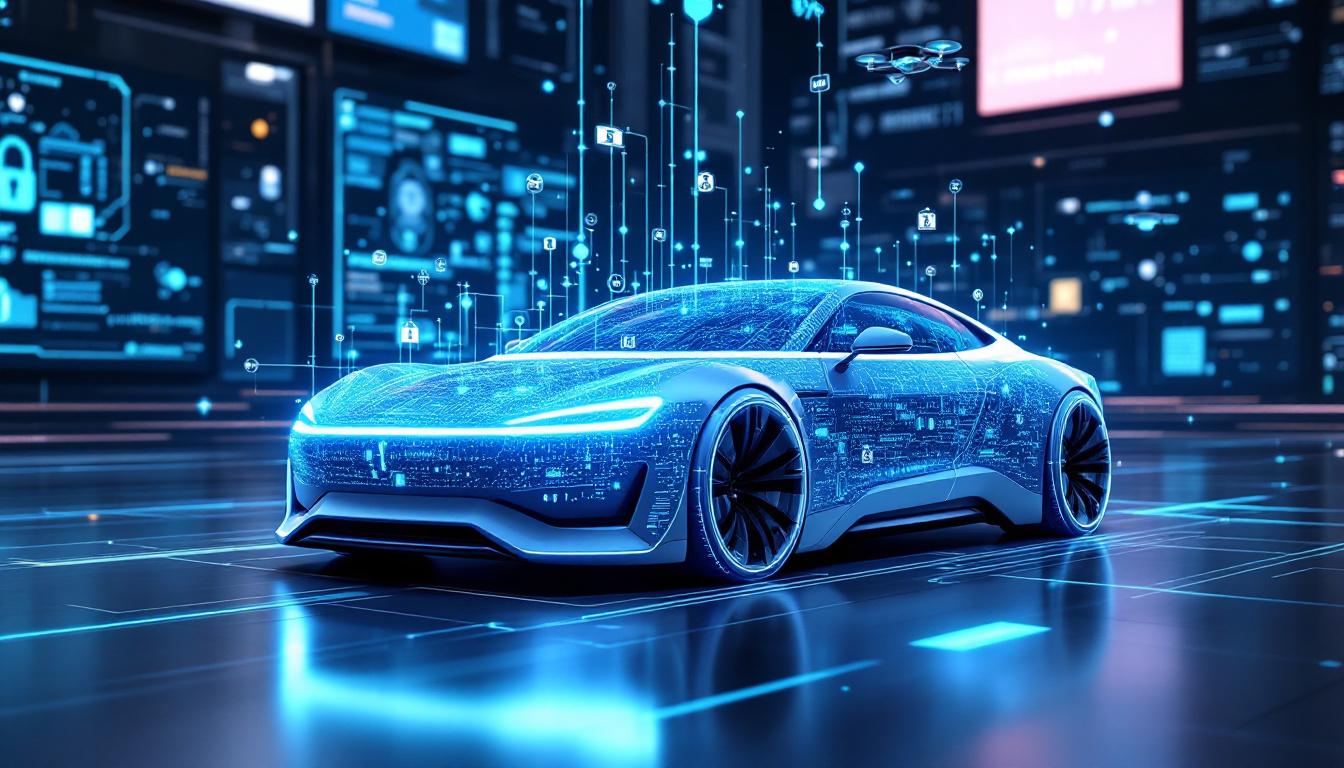
The challenges of cybersecurity for connected cars
With the rise of the connected car, the issue of cybersecurity has become central. Indeed, connectivity exposes these vehicles to significant risks, whether at the level of personal data or the control of the vehicle itself.
Potential threats include:
- Hacking navigation systems: Accessing routes and personal data.
- Remote manipulation: Taking control of vehicle functions.
- Data theft: Recovering personal information from users.
To counter these threats, companies like Volkswagen, Audi, and BMW are implementing robust security protocols. For example, Volkswagen has developed encryption systems before sharing data, while Audi focuses on strong authentication to ensure secure handling of data.
| Threat | Proposed Solutions | Involved Brands |
|---|---|---|
| Hacking systems | Data encryption | Volkswagen |
| Remote manipulation | Secure authentication | Audi |
| Data theft | Protection of personal data | BMW |
Given the rise of cyber threats, it is crucial for users to be aware of these issues. How to choose an insurance policy that covers these specific risks? And what steps can be taken to further protect one’s vehicle? The answers to these questions prove crucial for ensuring a serene driving experience.
Towards a more sustainable and intelligent mobility
The connectivity of cars also paves the way for more environmentally friendly mobility. Through integrated systems that optimize engine consumption, connected vehicles can reduce CO2 emissions and improve energy efficiency.
Here are some of the advances marking this transition:
- Battery management systems: Optimize energy use in electric vehicles.
- Traffic regulation: Avoid congestion, thereby reducing waiting times.
- Information sharing: Vehicles exchange data on driving habits to promote eco-friendly behaviors.
Brands like Toyota and Nissan are at the forefront of this transition. For instance, the Toyota Hybrid Synergy Drive technology uses real-time data to maximize energy efficiency while maintaining driving power.
| Advancement | Environmental Impact | Brand |
|---|---|---|
| Battery management | Reduction of CO2 emissions | Toyota |
| Traffic regulation | Optimization of city flows | Nissan |
| Eco-friendly behaviors | Promotion of a sustainable ecosystem | Mercedes-Benz |
The path to sustainable mobility is already on track. The question remains: how will manufacturers and users unite to shape this new era of intelligent mobility? A call for innovation and collective responsibility now seems indispensable. Every effort counts in this initiative for a greener future.
Si vous souhaitez lire d'autres articles tels que The connected car: entering a new era of mobility, consultez la catégorie Non classé.
Leave a Reply
Articles relatifs