The charging of electric cars made easier thanks to fast charging stations from early June

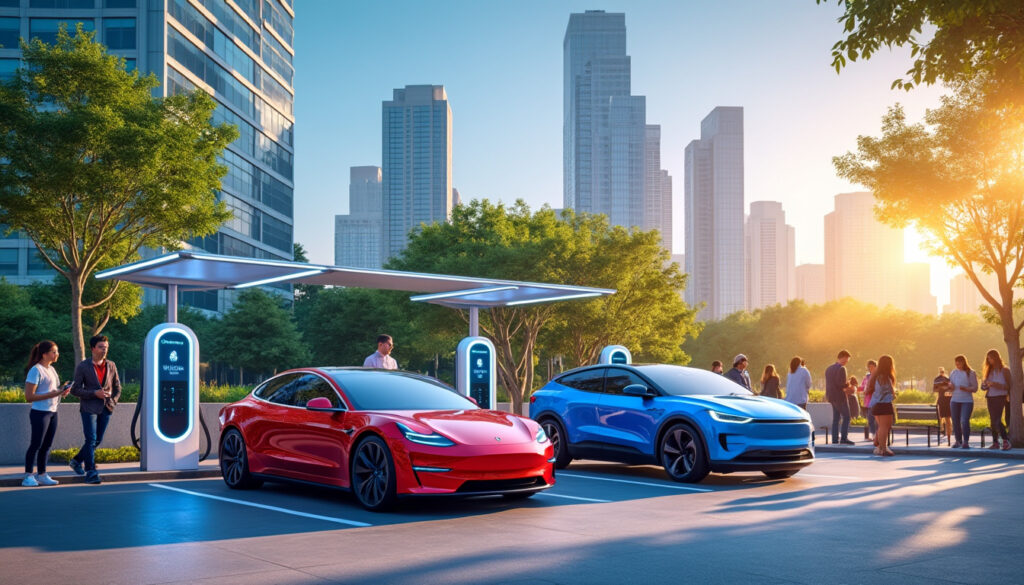

At the dawn of the unification of fast charging stations for electric cars in Europe, a major transformation is taking shape for drivers. Starting in early June, users will benefit from an unprecedented simplification that should enhance their charging experiences. Indeed, four of the main market operators, namely Ionity, Fastned, Electra, and Atlante, are joining forces within the Spark Alliance, allowing access to a vast network of charging stations without the current complexity of multiple applications and payment systems.
Unification of charging stations: a turning point for electric mobility
The standardization of fast charging stations, which will be implemented starting in June, represents a significant advancement for the electric car sector. Previously, the charging landscape was fragmented, with each operator developing its own system, complicating the user experience. With the advent of the Spark Alliance, 11,000 charging stations, spread over 1,700 sites in 25 countries, will now be interoperable.
The benefits of unified charging
This unified charging system greatly simplifies the daily life of motorists. Indeed, both novice and experienced users will quickly feel the following benefits:
- Simplification of applications : No need to juggle multiple applications for each operator; a single application will suffice.
- Ease of payment : Users will be able to access the charging stations without having to preload multiple payment cards.
- Facilitated access : Finding nearby charging stations will be quicker, thereby increasing the efficiency of journeys.
This initiative is part of a dynamic transition towards sustainable transportation and the expansion of charging infrastructure.
Challenges to be met for a successful transition
Although this unification offers numerous benefits, several challenges remain. It is crucial that infrastructure keeps pace with the rise of electric vehicles. For example, the EU directive states that there should be 1 charging station for every 10 electric vehicles, which implies a significant need to increase the number of charging stations. Here are some identified challenges:
- Equity of access : The geographical distribution of charging stations must be improved to prevent certain areas from being under-equipped.
- Pricing : While the simplification of access is appreciated, prices remain major issues. Rates will vary according to market competition.
- Integration of new technologies : The rapid evolution of charging technology must be integrated into new infrastructures.
Pricing and competition: a challenge for unification
As this new era of electric charging is implemented, the question of pricing remains ever-present. Despite the unification of access systems, each operator retains its own pricing structure. For example, prices can vary from €20 to €40 depending on the charging station's location, raising questions about pricing fairness. This leads to a retrospective analysis of existing pricing policies.
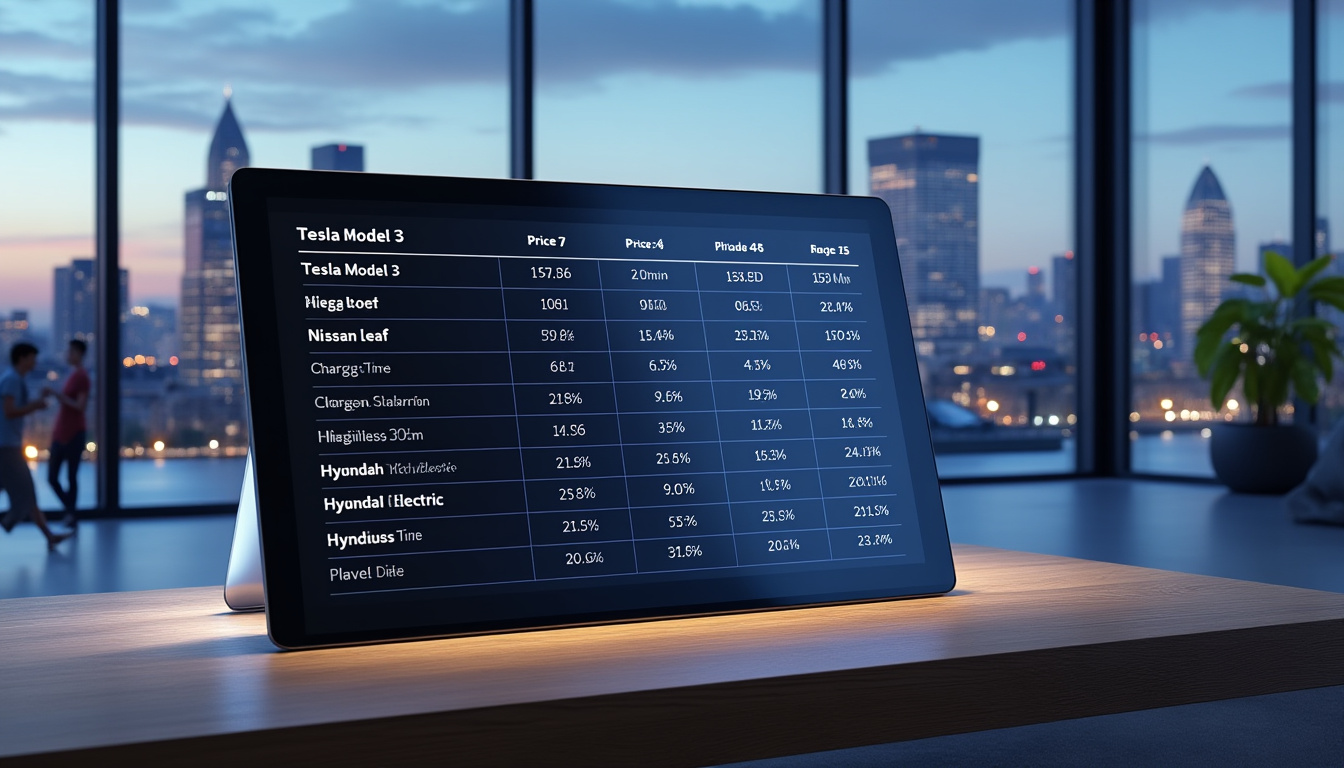
Comparison of charging rates by operators
| Operator | Hourly rate | Rate per kWh | Type of station |
|---|---|---|---|
| Ionity | On demand | €0.79 / kWh | Fast |
| Fastned | €0.40/min | €0.49 / kWh | Ultra-Fast |
| Electra | €0.35/min | €0.45 / kWh | Fast |
| Atlante | €0.30/min | €0.60 / kWh | Fast |
Price differences can influence users' choices regarding which operator to use. In this regard, increased transparency in pricing would be beneficial to guide users. This also raises questions about pricing control policies.
Technology at the service of the charging experience
Beyond unification, technology is rapidly evolving to enhance the charging experience. Innovations such as ultra-fast charging stations can recover up to 400 kilometers of range in just 20 minutes of charging, thus providing a solution suitable for long journeys. This type of technology is already being implemented by companies such as Alfen and Greenway, with stations delivering power outputs ranging from 50 kW to 400 kW.
Types of available charging stations
It is important to understand the different categories of charging stations to better choose the one that meets users' specific needs. Here is an overview of the types of stations available:
- Slow charging stations : Ideal for overnight charging, offering power outputs of 3 to 7 kW.
- Fast charging stations : Allow charging between 22 to 150 kW, suitable for daily use.
- Ultra-fast charging stations : With power outputs of up to 400 kW, allowing for record-speed charging.
These choices are essential to maximize the use of electric vehicles based on user behaviors and their specific needs.
Market players facing unification
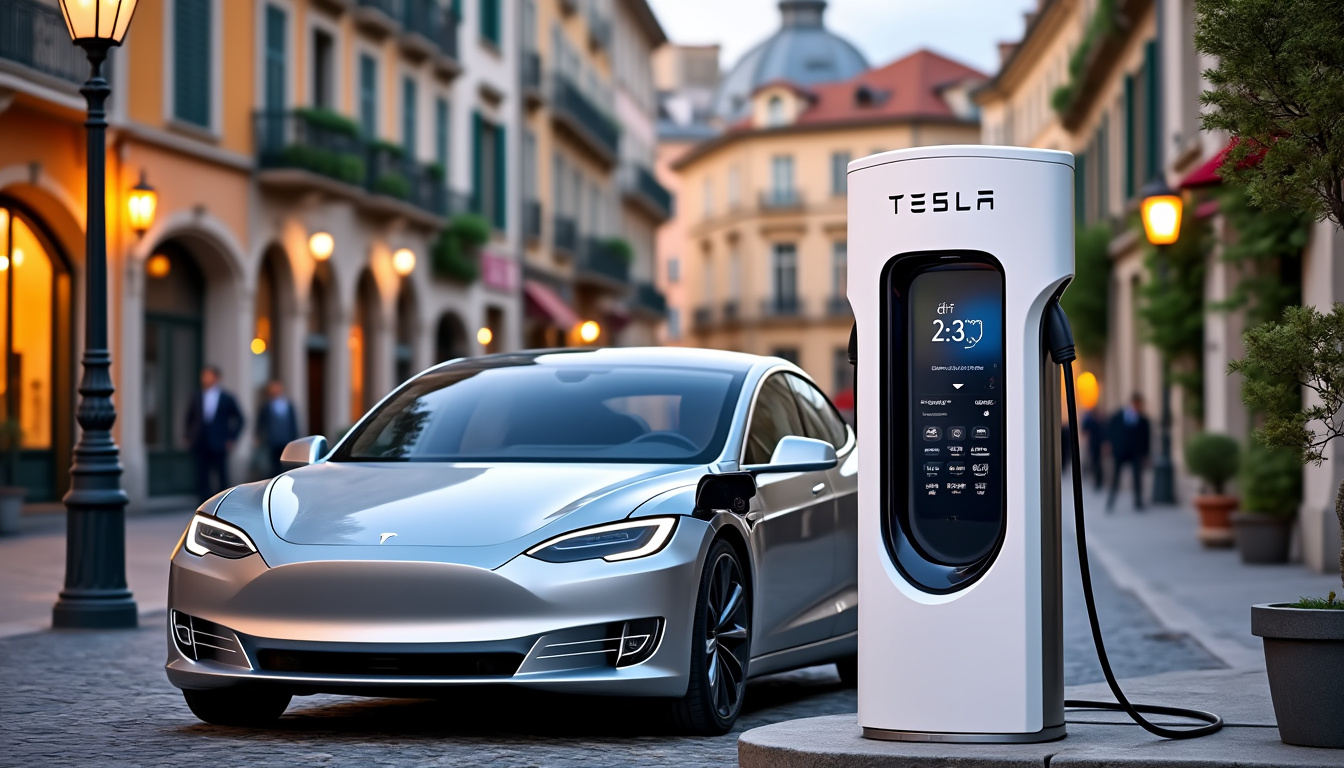
With the establishment of the Spark Alliance, the landscape of charging operators is evolving. While the majority have aligned with this initiative, others face the challenge of adaptation, such as the American company Tesla. The latter is not part of the alliance, leaving its Superchargers outside of this unification. This can pose an accessibility problem for Tesla owners who wish to use non-Tesla charging facilities.
New trends and innovations from key players
In this streamlining process, each operator must face new trends. Here are some strategic directions that companies like Engie, TotalEnergies, and EVBox could explore:
- Development of partnerships : To provide large-scale charging solutions by combining their infrastructures.
- Investment in innovation : By seeking ever faster and more efficient charging solutions.
- Transparent communication : To inform users about rates and available charging options in real time.
These strategic choices will be decisive for the sustainability and attractiveness of each player in the face of increasing competition and increasingly demanding consumers.
Si vous souhaitez lire d'autres articles tels que The charging of electric cars made easier thanks to fast charging stations from early June, consultez la catégorie Non classé.
-
Lola Verneuil says:
C'est une excellente initiative pour faciliter la recharge des voitures électriques en Europe.
-
C'est une excellente initiative qui va vraiment faciliter la vie des conducteurs de voitures électriques.
-
C'est une grande avancée pour les utilisateurs d'électriques, cela simplifie vraiment les trajets.
-
C'est une excellente nouvelle pour les conducteurs de véhicules électriques ! Moins de complications à la recharge.
Leave a Reply
Articles relatifs