The car tax: an annual tax in the running to replace the ecological penalty?



In a constantly evolving automotive landscape, the question of the automotive tax and its impact on driver behavior takes on new significance. At the heart of recent debates, the automotive vignette resurfaces as a potential alternative to the ecological penalty, criticized for both its harshness and lack of fairness. As France moves towards new regulations, it is essential to understand the implications of these fiscal choices on motorists and the industry.
Automotive Vignette: An Equitable Alternative?
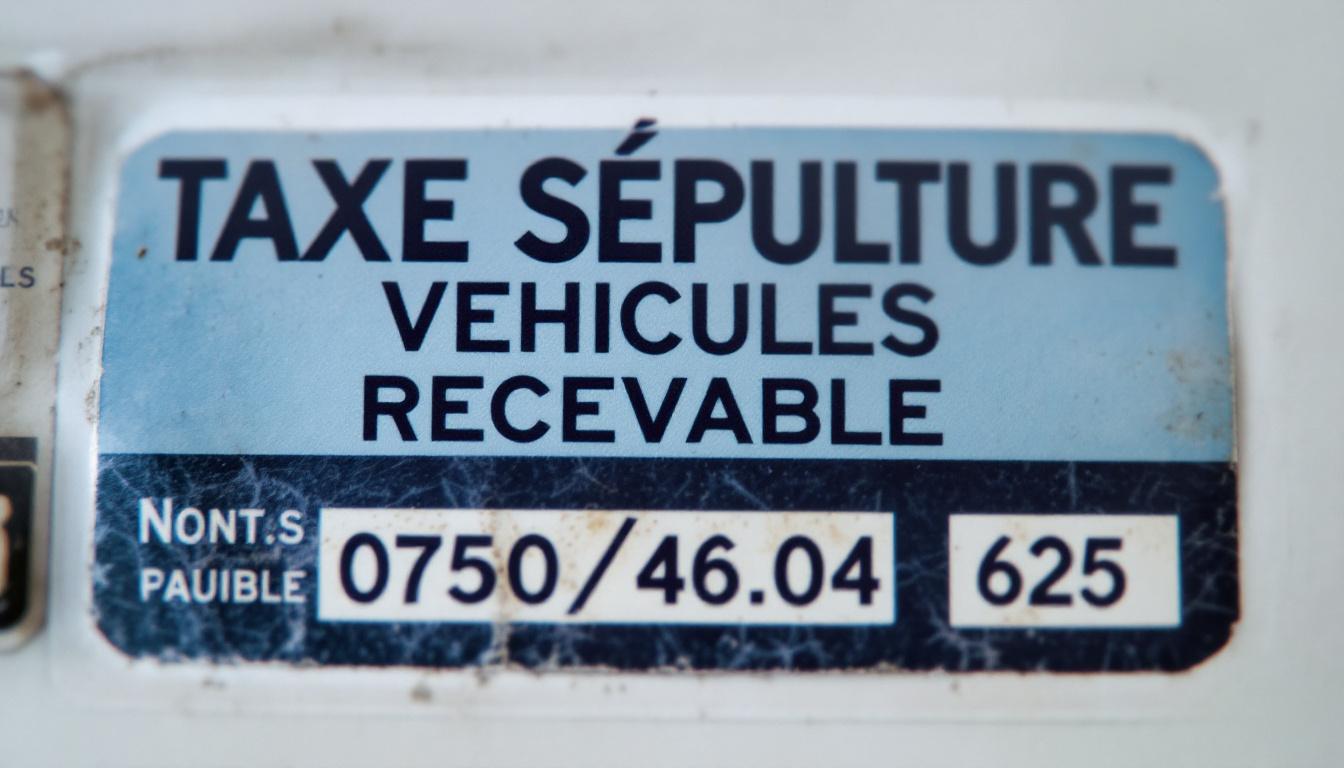
The automotive vignette, once in effect in France, was viewed as a logical and structured tax. Unlike the ecological penalty, which tends to penalize new acquisitions of polluting cars, the vignette employed a more equitable approach. It was based on an annual tax related to fiscal power or CO2 emissions, continuously measuring the vehicle's impact on the environment.
How the Automotive Vignette Works
The automotive vignette was straightforward to understand. The amount to be paid was calculated based on defined criteria such as:
- Vehicle Engine Type: cars with more powerful engines paid more.
- CO2 Emissions: a chronological tax liability based on emission levels.
- Vehicle Age: possible reductions for less polluting vehicles.
Instead of focusing on the initial purchase, this system distributed the cost more equitably among all vehicle owners, preventing price inflation at purchase. This would ensure that each driver becomes aware of the long-term ownership cost of their vehicle, both financially and environmentally.
| Vignette Criteria | Examples of Amounts (in €) |
|---|---|
| Light Cars (1-2 L) | 150 - 300 |
| Sports Cars (>2 L) | 500 - 1,000 |
| Ecological Vehicles (electric) | 0 - 50 |
Despite its advantages, the vignette system has not escaped criticism. Some argued that it was too complex to manage administratively, leading to its removal in favor of a more radical penalty. In 2025, as the debate intensifies over replacing the ecological penalty, examining a return to a vignette could prove interesting.
The Ecological Penalty: A Controversial Device
The ecological penalty is often seen as a punitive tax. Each year, increasingly higher amounts are imposed on vehicles that do not meet environmental standards. Currently, the cap has been raised to 70,000 euros for the most polluting cars, leaving little room for alternatives for drivers wishing to acquire new vehicles.
A Tax That Strikes Hard
The harshness of this imposition raises strong criticism. The real problem lies in the fact that this device generally hits the first buyer without considering the vehicle's lifespan. Consequently, someone who buys a car with a powerful engine ends up paying a high price, even if they only use it for a few years. Thus, in the context of the penalty:
- Prices Soar: a BMW Series 3 incurs heavy fees for its ecological penalty.
- Class Injustice: disproportionate penalties for motorists with limited budgets.
- Financial Instability: penalties will increase the cost of cars, adding pressure to the market.
The proposal for an automotive vignette could offer an alternative that encourages more responsible behaviors while protecting motorists from an unsustainable financial burden. How can we justify this fiscal increase without providing a direct return to each motorist, regardless of their engine power?
| Ecological Penalty Scale | Current Amounts (in €) |
|---|---|
| 0 - 112 g CO2/km | None |
| 113 - 180 g CO2/km | 1,000 - 10,000 |
| > 180 g CO2/km | 20,000 - 70,000 |
The increasing instability of the penalty has sparked the desire for a more equitable system, capable of reducing this feeling of fiscal pressure on motorists. But is that enough to completely replace the penalty? Experts point out that the real challenge lies in implementing such a change.
Comparison of European Tax Systems
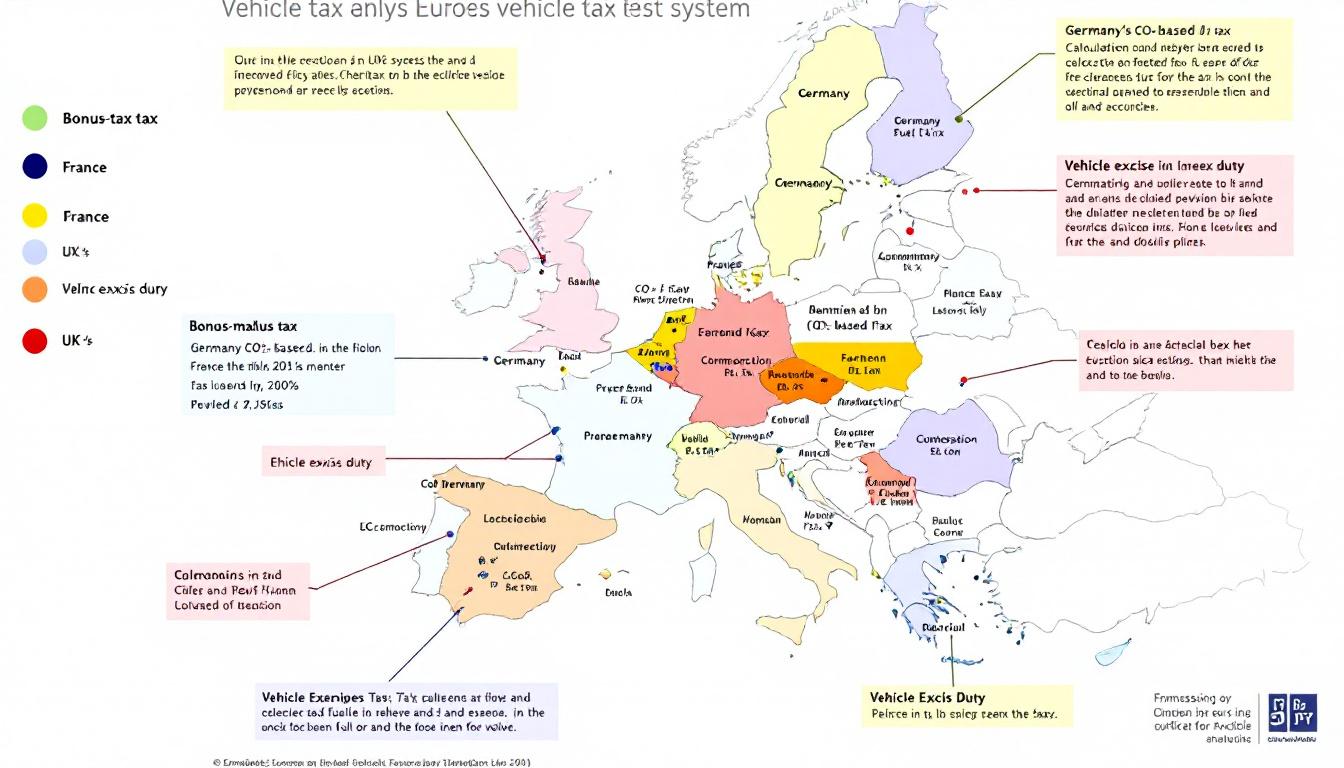
The road tax systems in several European countries offer insights into good comparative practices. For example, in Belgium and Germany, mixed systems of registration taxes and annual circulation taxes are in place.
Strengths and Weaknesses of Other Models
These models present several advantages and disadvantages:
- Belgium: Owners pay an annual tax, but it is lower than the French penalty.
- Germany: A system focused on emissions, but offers more transparency.
- France: The penalty can be unpredictable, which increases uncertainty for buyers.
Countries like Belgium apply a fairer principle by charging a registration tax upon purchase and, subsequently, an annual tax corresponding to the engine type.
| Country | Type of Tax | Amount (in €) |
|---|---|---|
| Belgium | Annual Tax | 100 - 300 |
| Germany | Traffic Tax | 200 - 400 |
| France | Ecological Penalty | 500 - 70,000 |
The shift towards a system closer to that of Belgium could limit financial shocks for buyers, while still addressing environmental issues. The idea is to acknowledge that the transition to more ecological vehicles is necessary for the future. But how to balance fiscality, accessibility, and purchasing methods? That is the key question.
Impacts and Perspectives on the Automotive Market
Changes in taxation affect not only the economic agenda but also consumer behavior. Motorists must face economic uncertainties, and a gentler taxation could stimulate the clean vehicle market.
The Role of Insurance and Technical Inspections
Auto insurance and technical inspections must also adapt to this new fiscal landscape. The automotive vignette could influence insurance premium rates, potentially leading to higher premiums for polluting vehicles. This would also impact the long-term maintenance costs of vehicles due to regular assessments of emission standards.
- Insurance: cost increases for polluting vehicles.
- Technical Inspections: requirements may be strengthened in relation to the vignette.
- Market Impact: risk of convergence towards less polluting vehicles.
The automotive market must reinvent itself to adapt to these new challenges. In 2025, the question remains: could the vignette system coexist with other existing forms of taxation? Perhaps, but a coordinated approach would undoubtedly be favorable. Do you think we should find an equivalent to the automotive vignette?
| Elements to Monitor | Anticipated Impact in € |
|---|---|
| Increased Insurance Costs | +200 to 500 |
| Penalties in Technical Inspections | +50 to 150 |
| Expected Market Costs | +500 to 10,000 |
In this context, the question is not just whether the automotive vignette is better than a penalty, but also how automotive taxation can encourage a sustainable future for all. Marine, a driver with a fuel-efficient city car, is already wondering how she could avoid penalties for her vehicle choices. This concern resonates with many motorists, each hoping their personal situation will be considered in a potential reform of road taxation.

Si vous souhaitez lire d'autres articles tels que The car tax: an annual tax in the running to replace the ecological penalty?, consultez la catégorie News.
-
Marin Dubois says:
La vignette automobile semble une solution plus équitable que la pénalité écologique actuelle.
-
La vignette automobile semble plus juste que la pénalité écologique actuelle. Une réelle réflexion est nécessaire.
Leave a Reply
Articles relatifs