The automotive sector in Europe faces risks: a call to action from the president of Stellantis

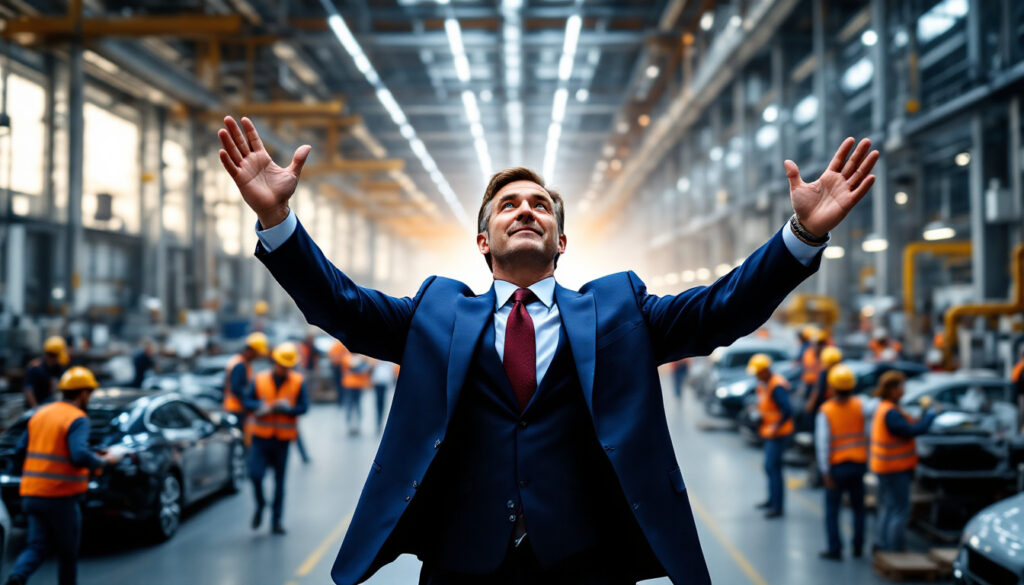

The European automotive sector is going through a period of turmoil that could upset its future. The warnings from Stellantis president John Elkann highlight an alarming reality. Between the constraints imposed by customs policies and environmental regulations deemed excessive, the automotive landscape in Europe is in danger. At the dawn of a major technological shift with the emergence of electric vehicles, the choices made today by governments and industry players will be decisive. Manufacturers such as Volkswagen, Renault, Peugeot, Citroën, BMW, Mercedes-Benz, and Audi are facing challenges that require a proactive response. A dynamic that calls for deep reflections and concrete actions.
The threats facing the European automotive industry
The current situation is marked by worrying signals. The European automotive industry, a symbol of innovation and the economic power of the region, is under severe strain. John Elkann has described the challenges it faces as "unprecedented." Indeed, the new customs policies implemented both in the United States and in Europe exert considerable pressure on manufacturers.
As automotive production globalizes, customs restrictions on vehicles and spare parts, notably the new 25% tariffs, complicate supply chains. These are all the more critical for companies like Stellantis, which heavily rely on cross-border production. These tariffs create an environment where innovation is stifled, slowing down the progress that the sector had managed to generate.
Meanwhile, the impact of the transition to electric vehicles (EVs) should not be underestimated. Emission regulations impose pressure that, if poorly managed, could lead to a crisis in the supply of electric vehicles. The emission reduction goals, deemed unrealistic by Elkann, highlight an inconsistency in the regulatory approach. European governments have indeed suspended many purchase incentives, making access to these new models more difficult for consumers.
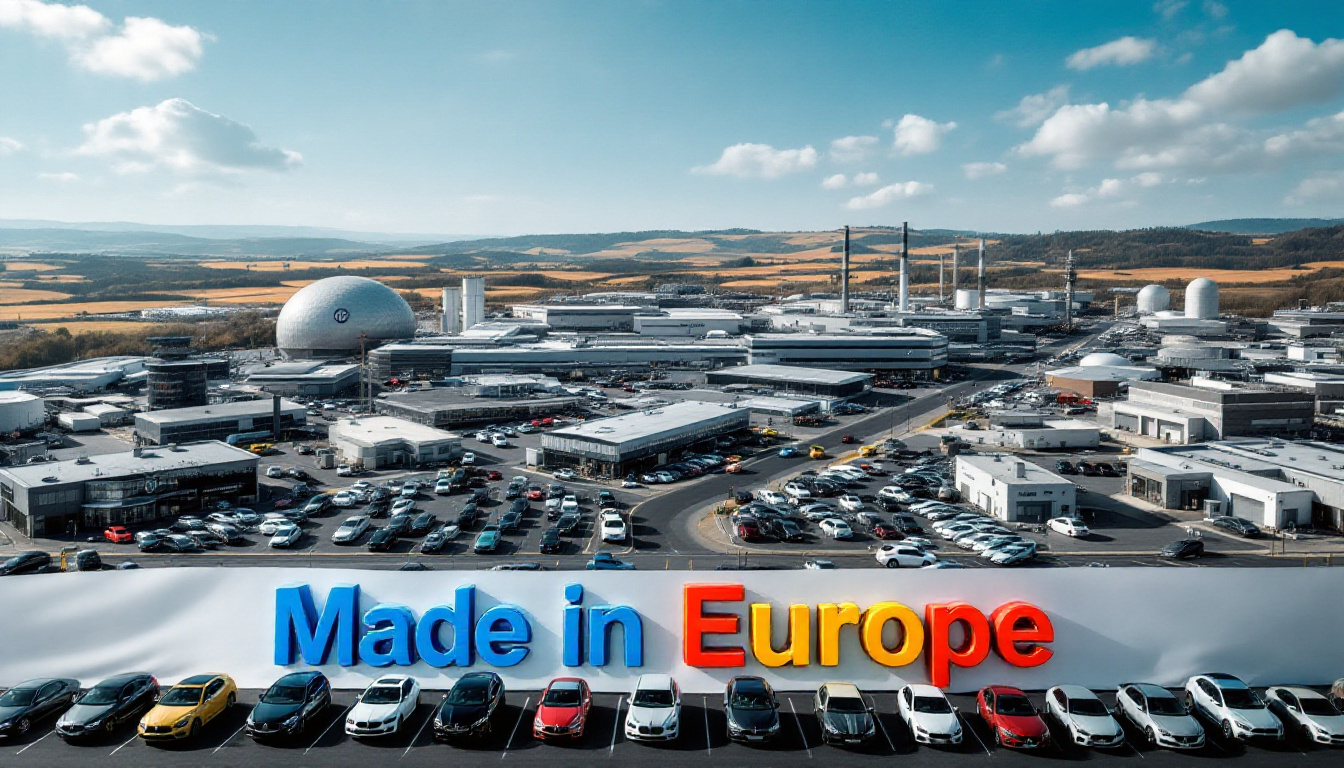
The challenges facing these companies revolve around several key points:
- Increase in tariffs and taxes on automotive components.
- Drastic and sometimes inconsistent environmental regulations.
- Difficulties in adapting to new production and consumption requirements.
- Loss of competitiveness against markets like China.
- Risks related to the supply of materials for electric vehicles.
These elements raise fundamental questions about the future of the automotive sector in Europe. How can iconic brands like Ford, Renault, and Fiat navigate such an environment? An in-depth analysis is required to understand the directions to give to this emblematic industry.
Perils and opportunities: the case of electric vehicles
The transition to electric vehicles is often presented as the future solution for the automotive sector. However, the road is fraught with obstacles. John Elkann has made it clear that the transition is hindered by insufficient government incentives. Charging infrastructures are inadequate, making the shift to EVs difficult for consumers. A market that struggles to take off can have disastrous consequences on production and, consequently, employment.
Automakers find themselves in a strategic deadlock. They must rapidly innovate to transform their production lines to adapt to this new demand while facing the need to invest heavily in research and development. The paradox is that, in the meantime, competitors like Tesla and BYD seem to be taking advantage of this situation to gain an edge.
How to face this transition? Here are some avenues that could be considered:
- Accelerate investments in charging infrastructure.
- Develop strategic partnerships for the deployment of EVs.
- Intensify awareness campaigns on the benefits of electric vehicles.
- Establish innovation funds to support research on new technologies.
The central question remains: will Europe manage to leverage the expertise of its historic companies to transform challenges into opportunities?
The rise of China: an urgent challenge for Europe
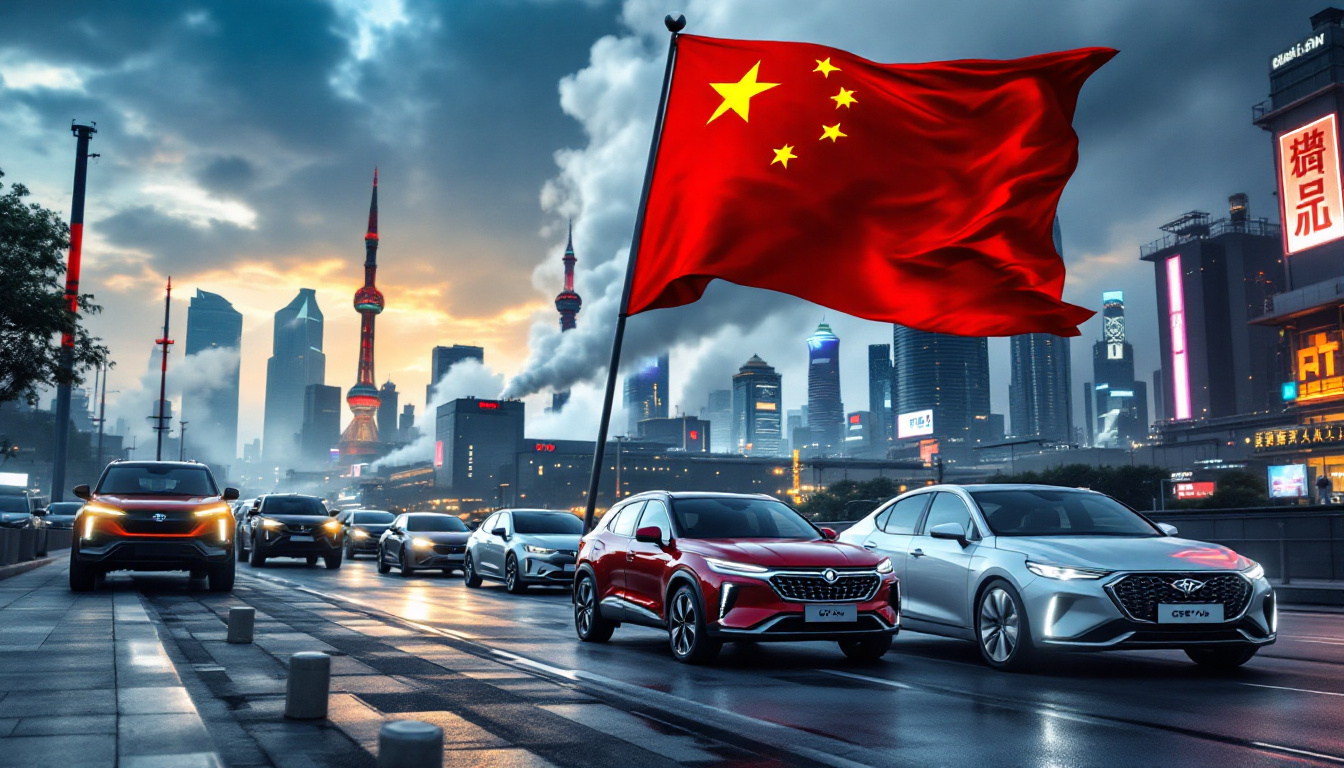
China, long seen as an export market, is now asserting itself as a key player in the automotive sector. Chinese manufacturers, such as BYD and NIO, are rapidly progressing, gaining ground thanks to a coherent industrial policy and unwavering support for innovation. They are well positioned to capture an increasingly large share of the global market, including in Europe.
John Elkann has expressed concerns about the ability of European manufacturers to compete. The cross-governmental support for innovation and R&D in China stands in stark contrast to the uncertainty surrounding the future of European manufacturing. This challenge is all the more pressing as Chinese manufacturers could sell more vehicles than their American and European counterparts combined by the end of the year.
To counter this trend, European brands must make strategic decisions today. Here are some thoughts to consider:
- Strengthen strategic alliances in the field of green technologies.
- Increase commitment to sustainability.
- Develop policies aimed at stimulating innovation.
- Optimize supply chains for reduced production costs.
This confrontation with Chinese power will require a collective response from European actors. A lack of coordination could have serious long-term repercussions for giants like Volkswagen or BMW.
Call to action: the urgencies to address now
It is imperative to consider the calls to action made by John Elkann as a declaration of war against inertia. The political decisions implemented today will shape the future of the European automotive sector. Employers and governments must show courage and innovation.
The stakes are not solely economic. The consequences affect millions of jobs, innovations that could mark the century, and local economies. Governments must readjust their strategies to support the energy transition while preserving employment.
The initiatives to be implemented could include:
- Strengthening financial incentives for the purchase of green vehicles.
- Increased support for projects that accelerate innovation.
- Facilitation of the creation of adequate infrastructures to ensure a smooth transition.
- Development of policies supported by consensus between industry actors and the state.
The upcoming changes will depend on the collective choices made today. The consequences of a failure to adapt could be disastrous not only for the industry but also for the millions of citizens who depend on it.
Toward a sustainable future: how to prepare the future of the automotive sector
The future of the automotive sector must be viewed through a lens of sustainability and innovation. Manufacturers like Stellantis, Renault, Peugeot, Citroën, and others must reinvent themselves to meet the challenges of a changing world. The transition to electric vehicles and renewable energy sources represents a challenge but also an opportunity for innovation.
The key lies in anticipation and swift response. Companies must develop new skills, invest in sustainable technologies, and find methods to optimize their production while meeting environmental requirements. Change must come from within the organizations, catalyzed by a spirit of teamwork and innovation.
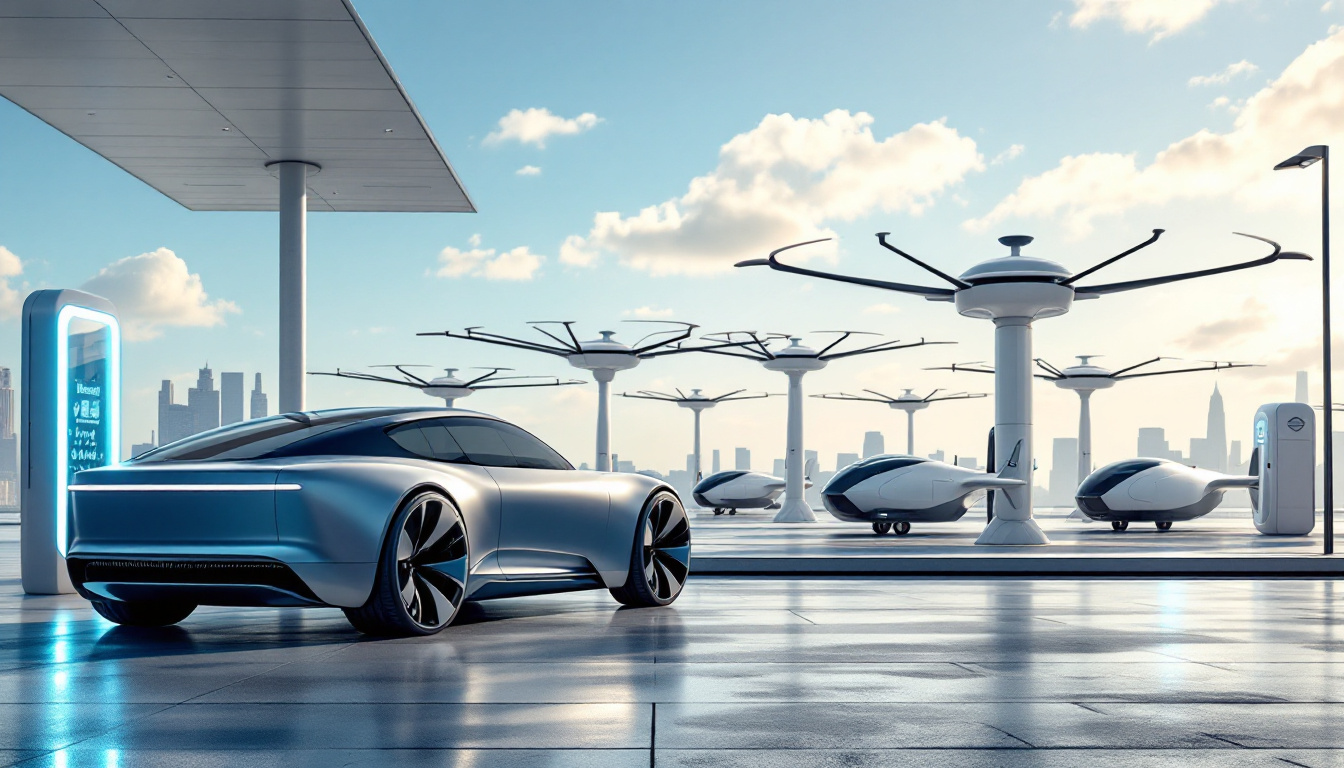
Identifying areas for innovation is essential. Here are some areas to focus on:
- Development of sustainable and recyclable batteries.
- Autonomous driving technologies.
- Integration of connectivity and data technologies.
- Partnerships with innovative start-ups in the sector.
The challenge is immense, but the opportunity to create a robust, sustainable, and innovative automotive sector is within reach. The time has come to act collectively.
Si vous souhaitez lire d'autres articles tels que The automotive sector in Europe faces risks: a call to action from the president of Stellantis, consultez la catégorie News.
-
Némo Grélin says:
L'avenir de l'automobile en Europe doit vraiment être repensé face aux défis actuels.
-
Il est crucial que l'industrie automobile s'adapte rapidement aux nouveaux défis pour survivre.
-
La transition vers les véhicules électriques est pleine de défis, mais elle pourrait être une grande opportunité.
-
L'industrie automobile européenne doit vraiment agir maintenant pour éviter de gros soucis futur.
Leave a Reply to Liora Beckett Cancel reply
Articles relatifs